Husband, father, grandfather, bridge-builder, Zionist
Revisiting Congo
In 2023 I made my first and so far only visit to Africa. I’ve always wanted to visit Africa. To be honest, The Democratic Republic of Congo (DRC) was not on my top ten list to visit, and then it became the first African nation to host me.
Last week DRC was on my mind as a delegation arrived from Kinshasa to Jerusalem, led by Congolese President Félix Tshisekedi. I have been aware of the ongoing expansion of relations between Israel and Congo, especially under President Tshisekedi, a devout Chrisian who not only sees the flourishing of relations as good for his country, but who sees the significance in the restoration of Jewish sovereignty in Israel prophetically.
As a young man Tshisekedi spent time living on a kibbutz. He also became a leading advocate for Israel to rejoin the African Union as an observer. As President he committed to open an embassy in Jerusalem. This week in Jerusalem, he announced plans to do so, making DRC the second African nation after Somaliland to have an embassy in Israel’s capital in decades.
Congo and Israel have an important relationship. We established diplomatic relations following Congo’s independence in 1960, After the Yom Kippur War when African nations were pressured to break relations with Israel by the Arab League, Congo joined the crowd. At the time, Congolese President Mobutu reportedly said he was making a conflicted and difficult choice between relations with a neighbor, and relations with a friend. We were the friend, and lost out.
Throughout nearly two weeks in Congo, I heard many voices express that it was Africa that lost out, and Congo in specific. Congo is the second largest country in Africa physically, and fourth in terms of population. However, it’s the only among the top five that are an overwhelmingly majority Christian, more than 90%. That makes Congo and Congolese natural allies with Israel. Everywhere I went, people echoed the desire to see that built up so Congo will be blessed.
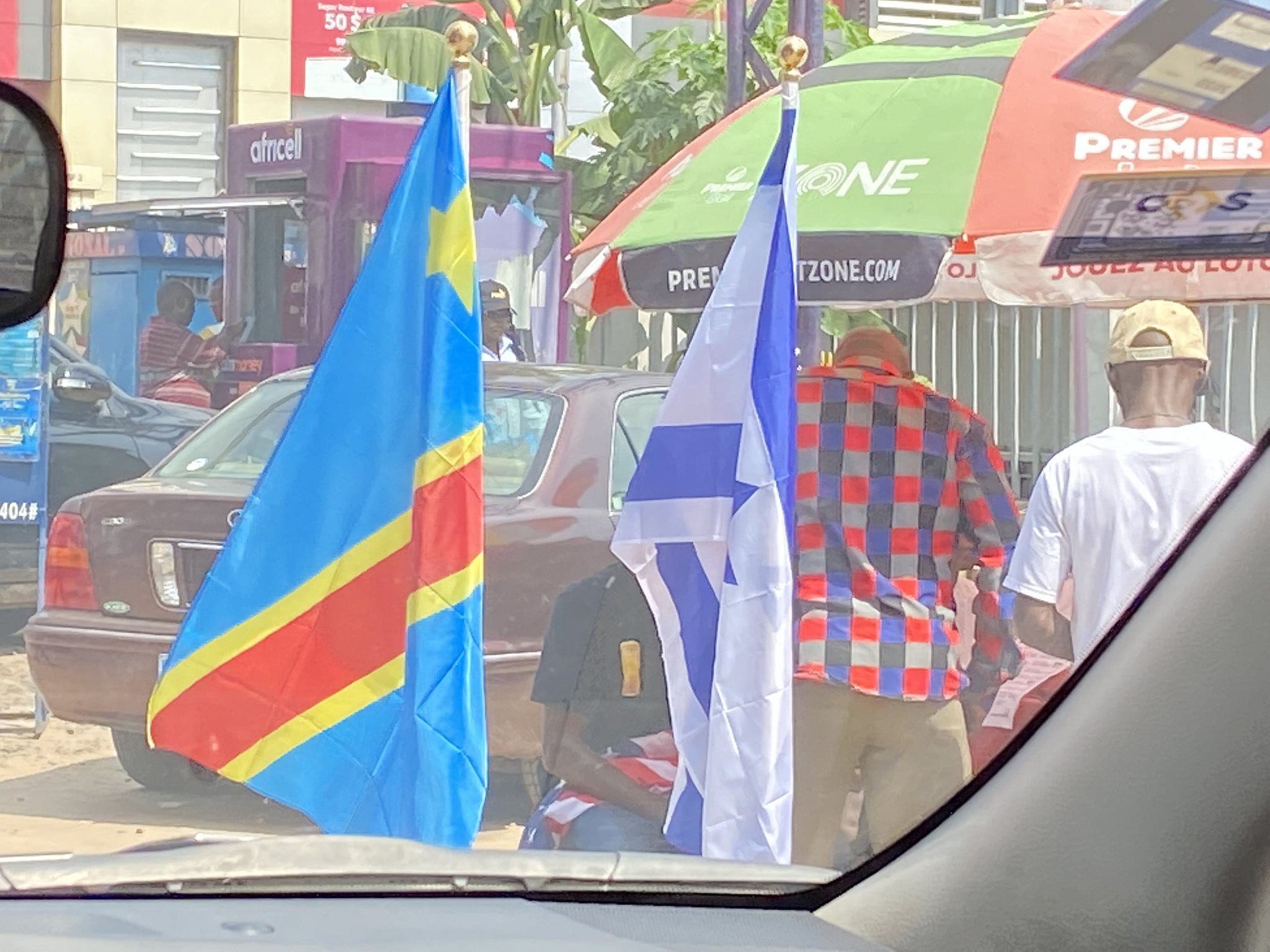
On the streets of Kinshasa, there were multiple vendors selling Israeli flags. Think about it: in a country that’s so impoverished, nobody would sell anything that would not be in demand enough to make a living. This made a vast impression then, and is all the more relevant today when in so many places around the world, the Israeli flag is a lightning rod for hate and violence.
Many of my Christian Congolese hosts felt that after Congo broke relations with Israel, they became cursed. Indeed, Congo is one of the poorest nations in Africa if not the world. Where there used to be significant industry, today that’s much less. Now, under the auspices of a leader who is one of the staunchest advocates for relations with Israel in Africa, for Israel to rejoin the AU as an observer, and the opening of a Jerusalem embassy, the time is ripe they all felt to take a pro-active approach to enhance relations.
Unlike many places I travel in the world where I feel the need to hide overt signs of being Jewish, I experienced the warmth and love for Israel and the Jewish people from the moment I arrived. Protexia is not only an Israeli thing. As I descended to the tarmac from my Ethiopian Airlines flight, a man approached. “Mr. Jonathan,” he asked. And in French told me to come with him. This was the first time my high school French was ever practical. As I followed this stranger who knew my name, I chucked to myself at the joke my son made when I left about being kidnapped.
I was escorted beyond the crowds and waived along to passport control in record time. Then, another man approached me. “Mr. Jonathan,” come follow me. He was unique because he spoke some English, and was dressed in traditional Moslem attire. In a continent where there’s often friction between Moslems and Christians, and the former are not typically prone to love Israel, I didn’t take this for granted. I now found myself sixth in a VIP passport control line where clearly, I was being honored as an Israeli, all prearranged by my host.
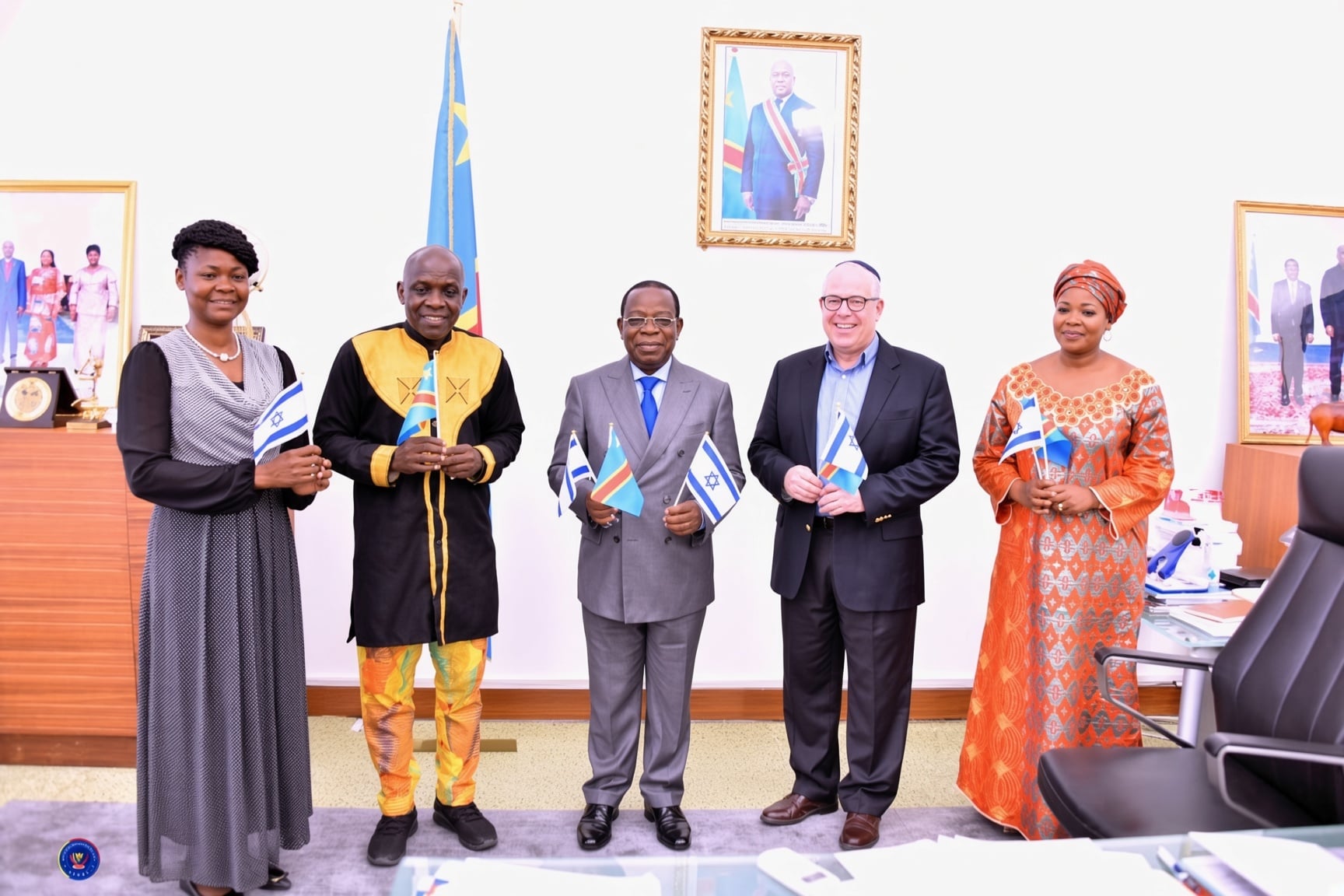
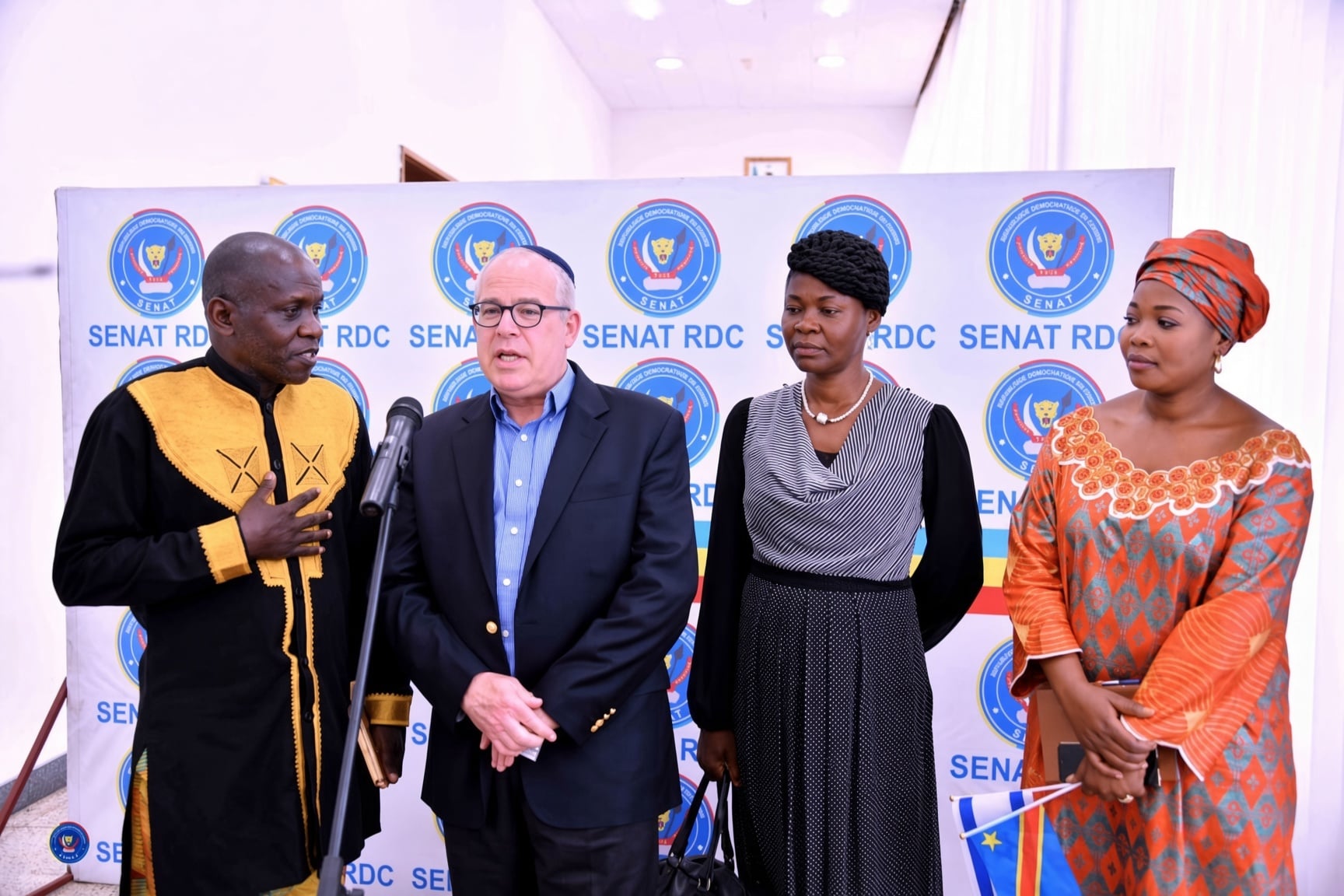
I was invited to participate in meetings with civic, religious, and government leaders – including the President of the Senate – where I was received as an honored guest and where a press conference was arranged.
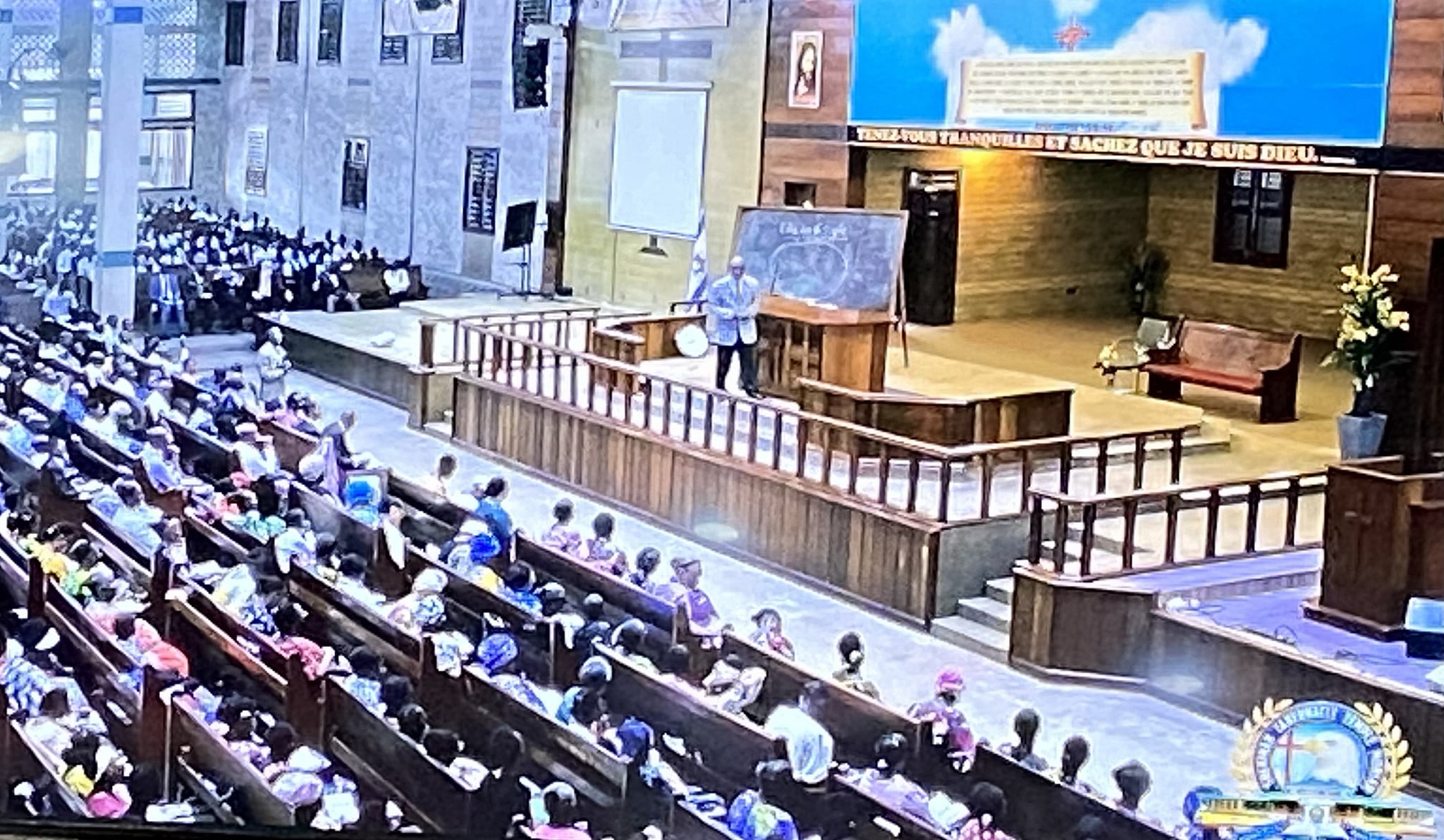
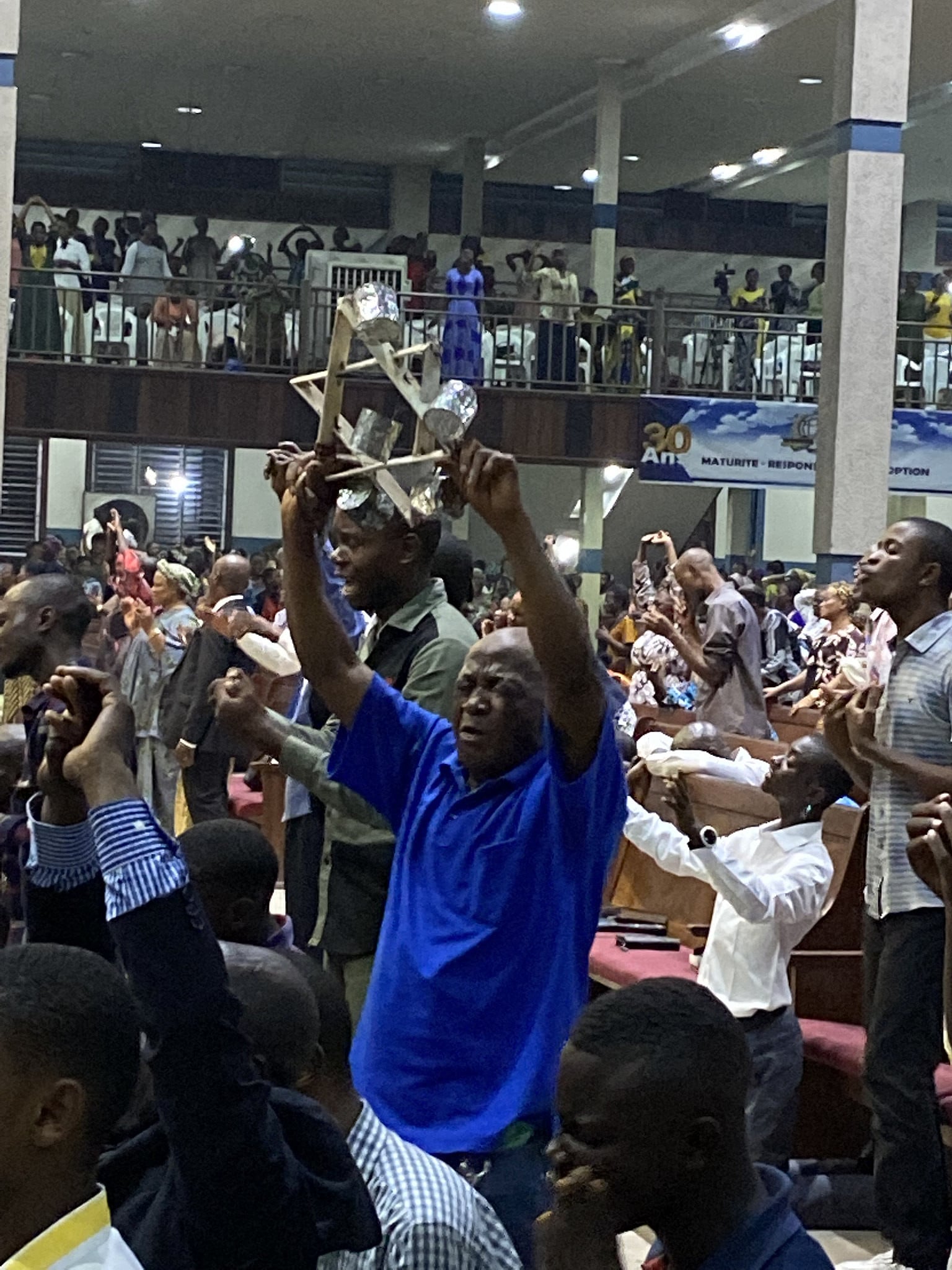
I spoke in several churches where I was received with special warmth. One of the churches was adorned with distinct Jewish symbols and even Israeli flags. They sang Israel’s national anthem, Hatikva, in French before every service. Not because I was there, but because that’s what they do.
On the street, in the lobby of my hotel, and other public places, for those who knew what it was, I was identifiable as a Jew the whole trip with my blue kippa standing out against my grey hair. “Shalom” and “Hello rabbi” were just a few of the spontaneous greetings I received throughout my trip. As compared to visiting Europe or other parts of the world where Jews have to exist incognito, or at risk of overt antisemitism, I loved being able to keep my baseball hat in the suitcase.
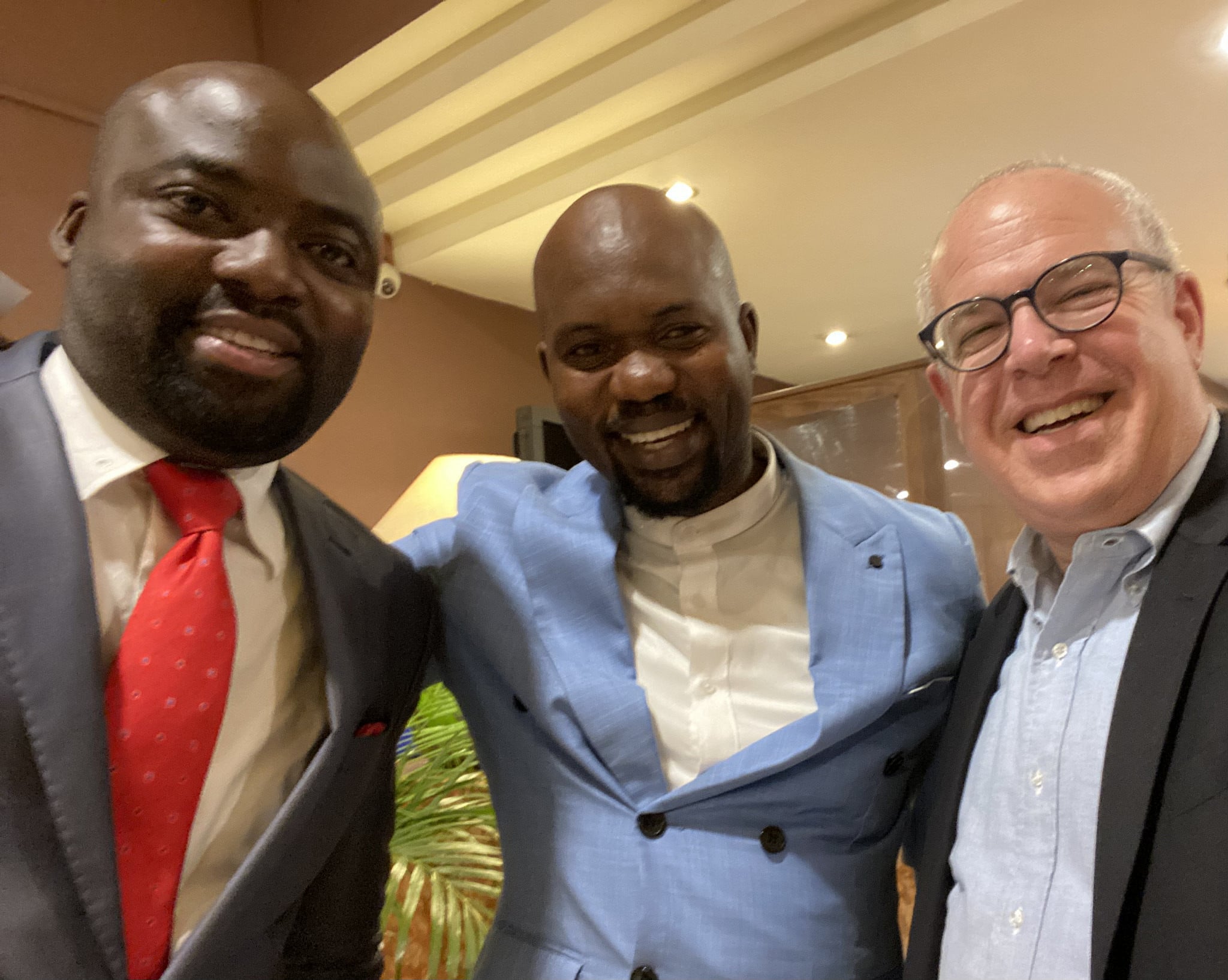
The truth is that wherever I was, I was welcomed with warmth, even honors, as an Israeli Jew. People wanted to shake my hand, take their pictures together, and just be in my presence. It’s not because I am so great, but because of who and what I represent to them. Many don’t know what an Orthodox Jew is, but they knew Jesus was a Jew, he came from Israel, and that modern Israel is important, a fulfillment of divine prophecies.
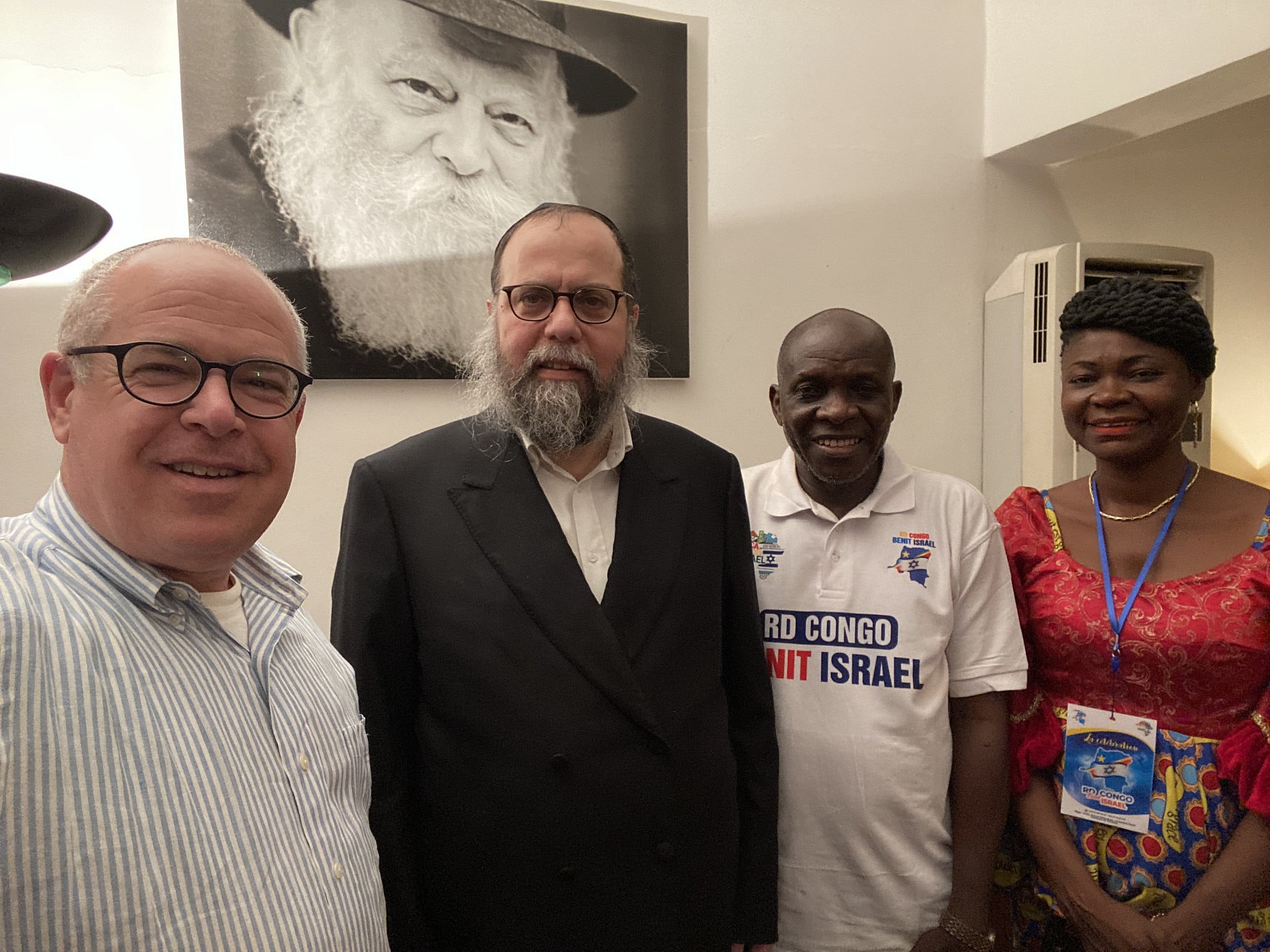
While identifying as a Jew was no problem, even a blessing, eating as a Jew was not as easy. I packed lots of non-perishables to sustain me. I connected with the delightful Rabbi Shlomo Bentolila at Chabad of Central Africa, who could not have been any more gracious. Not all Chabads are the same. Chabad of Central Africa is the gold standard. It was the first Chabad to exist in black Africa, and the hub for a wider network spanning several other countries now. Shabbat meals prepared by his Congolese staff were made following the exact recipes of his late wife, and attended by local Jews, black Africans, and even a US Marine.
Congo is not so far, but getting there takes some time. One has to apply for a visa at the Congolese embassy (once that’s in Jerusalem it’ll be easier) which requires a bunch of paperwork, a yellow fever vaccination, and multiple visits. In doing so, I befriended the staff who invited me to tea one afternoon where I got to learn about their country.
Relating to embassies, Israel would be well served to reopen an embassy in Kinshasa. Unfortunately, at a period of previous low relations, Israel sold its prime location of the former Israeli embassy and now it will take much more commitment to open a new one. Direct relations with a country this size, that’s so pro-Israel, and so significant in Africa, is just in our interest.
Congolese Christians know about blessing Israel and being blessed from Genesis 12:3. They want to see Congo thrive under the leadership of their president who is a role model in Africa and the world. Israel has skills and technologies to be a reciprocal partner in that blessing, that won’t be about harvesting minerals and exploiting Congo as other countries do, but investing in and building up Congo, and using this as a model of partnership in the world, and Africa in specific, for which Israel has been known and strived for.