


RIP… The Lincoln Penny
It wasn’t a banner headline. In fact, chances are you may have skimmed right past it when the news first appeared.
On November 12, 2025, the very last penny was minted at the Philadelphia Mint, bringing an end to production of the familiar copper coin. The reason was purely practical: it now costs nearly four cents to make a single penny. Still, for me, the announcement landed with a surprising emotional thud—and a wave of nostalgia.
Growing up, the penny played a small but memorable role in my life. In grade school, I was given a Lincoln penny collector’s album, complete with little holes for every year and each of the three mints—Philadelphia, Denver, and San Francisco. Filling those slots became a hobby, and along the way I picked up more than a few history lessons.
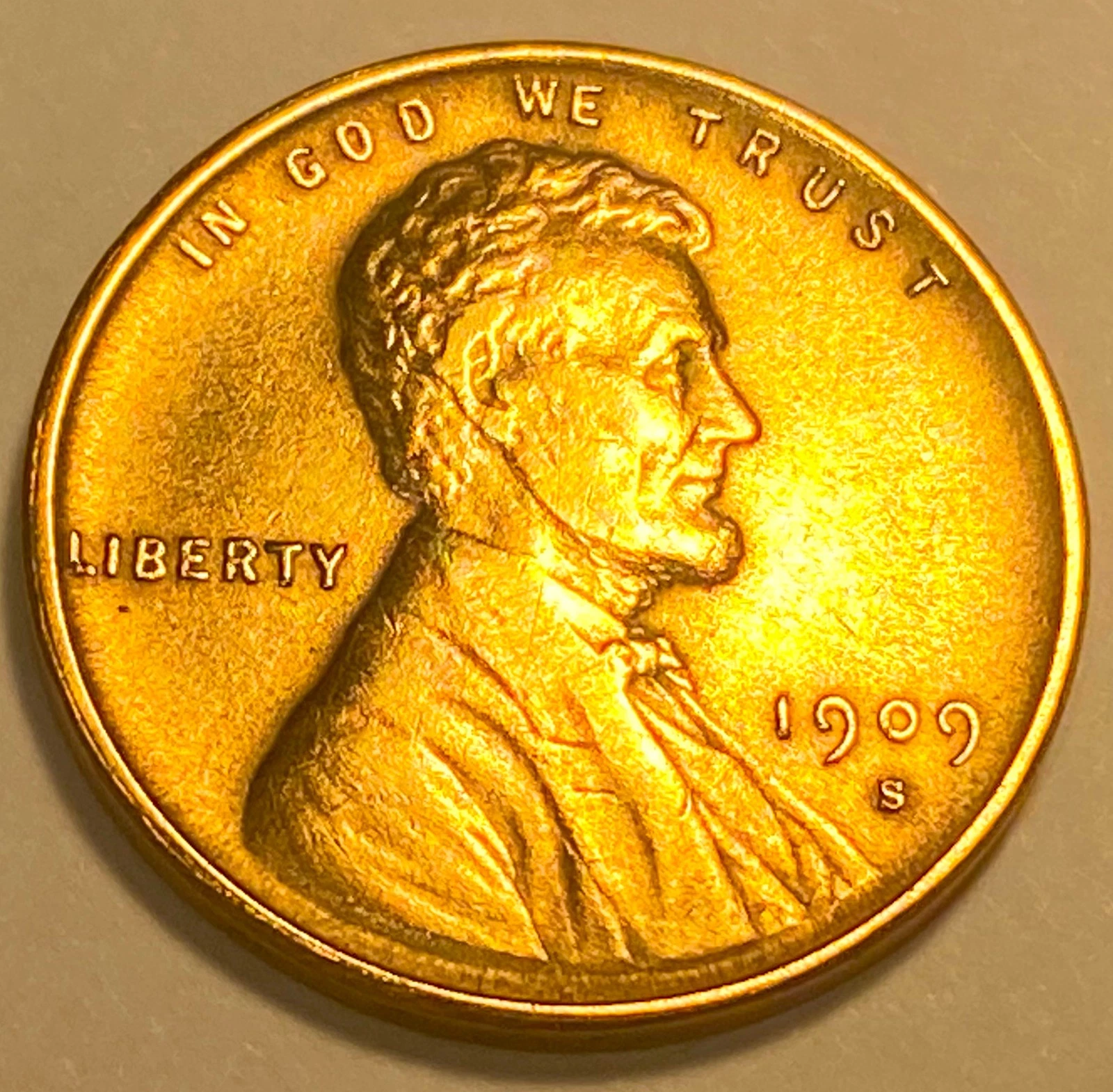
Did you know there were two versions of the very first 1909 Lincoln penny? One included the initials of the designer, Victor D. Brenner—VDB—while the other did not. Those initials caused a minor uproar when the coin was released, and they were quickly removed, never to return. The 1909-S VDB penny went on to become one of the most famous—and valuable—coins in American history, worth tens of thousands of dollars in top condition.
There was also one coin that always stood out in any penny collection: the 1943 steel cent. During World War II, copper was needed for munitions, so the Mint produced pennies made of zinc-coated steel instead. I can still picture spotting one of those silvery coins in the glass milk bottle that served as our tzedakah box at home, mixed in among the usual copper pennies. Even then, it felt different—special.
Over the years, the penny evolved. In 1959, the familiar wheat stalks on the reverse were replaced with the Lincoln Memorial. In 1982, the coin stopped being 95 percent copper and became mostly zinc, coated with a thin layer of copper to save money. But long before its value dwindled, the penny had already become something more than just spare change.
For generations, finding a penny on the sidewalk—especially one that was heads-up—felt like a tiny gift from heaven. People bent down instinctively to pick it up, sometimes slipping it into a wallet for luck and holding onto it for years.
Nearly every home had a jar, tin, or old coffee can filled with loose change, most of it pennies. Dumping it out on the floor, counting it up, and discovering that it somehow added up to “real money” was oddly satisfying—especially when it paid for a small treat or helped cover a household expense.
The penny also lived in our language. “A penny for your thoughts.” “A penny saved is a penny earned.” “In for a penny, in for a pound.” These phrases gave the coin symbolic weight far beyond its monetary value. Losing the penny feels, in a small way, like losing a piece of our shared vocabulary.
I’m a bit too young to remember it myself, but my parents were part of the penny-candy era, when a single cent could actually buy something. Penny candy—licorice, bubble gum, chocolate—turned loose change into pure joy. Handing a child a few pennies and letting them choose from a glass case at the corner store was a simple lesson in independence and delight.
Pennies also powered charity drives and filled tzedakah boxes. They taught children that even the smallest contribution mattered—and that together, tiny amounts could add up to something meaningful.
They were forever being lost–and found–too. Digging into couch cushions or car cupholders often yielded a little copper treasure, reinforcing the idea that money—however modest—was always hiding nearby.
For many children, myself included, the penny was also a first history lesson. Abraham Lincoln’s face, worn smooth by decades of use, invited questions about presidents, the Civil War, and why this particular person was important enough to appear on our coinage.
Pennies once mattered at the checkout counter as well. They completed transactions, made exact change possible, and gave commerce a tactile precision that rounding up never quite replaces.
And who didn’t toss a penny into a fountain or wishing well? From mall atriums to city landmarks, throwing a penny over your shoulder while making a wish was a small act of hope—a reminder that even something insignificant could carry intention.
Finally, the penny taught us about money itself. Parents used pennies to teach children how to count, how to save, and how to give. Stacks of pennies made math visible and concrete. Losing the penny means losing one of the simplest, most hands-on teaching tools we had.
Taken together, it’s easy to understand why the penny’s disappearance feels emotional rather than merely practical. It wasn’t just a coin. It was a companion to daily life—a teacher, a wish-maker, and a reminder that even the smallest things once had value.