
Ron Dermer’s Exit: A Warning for the Post-Bibi Era
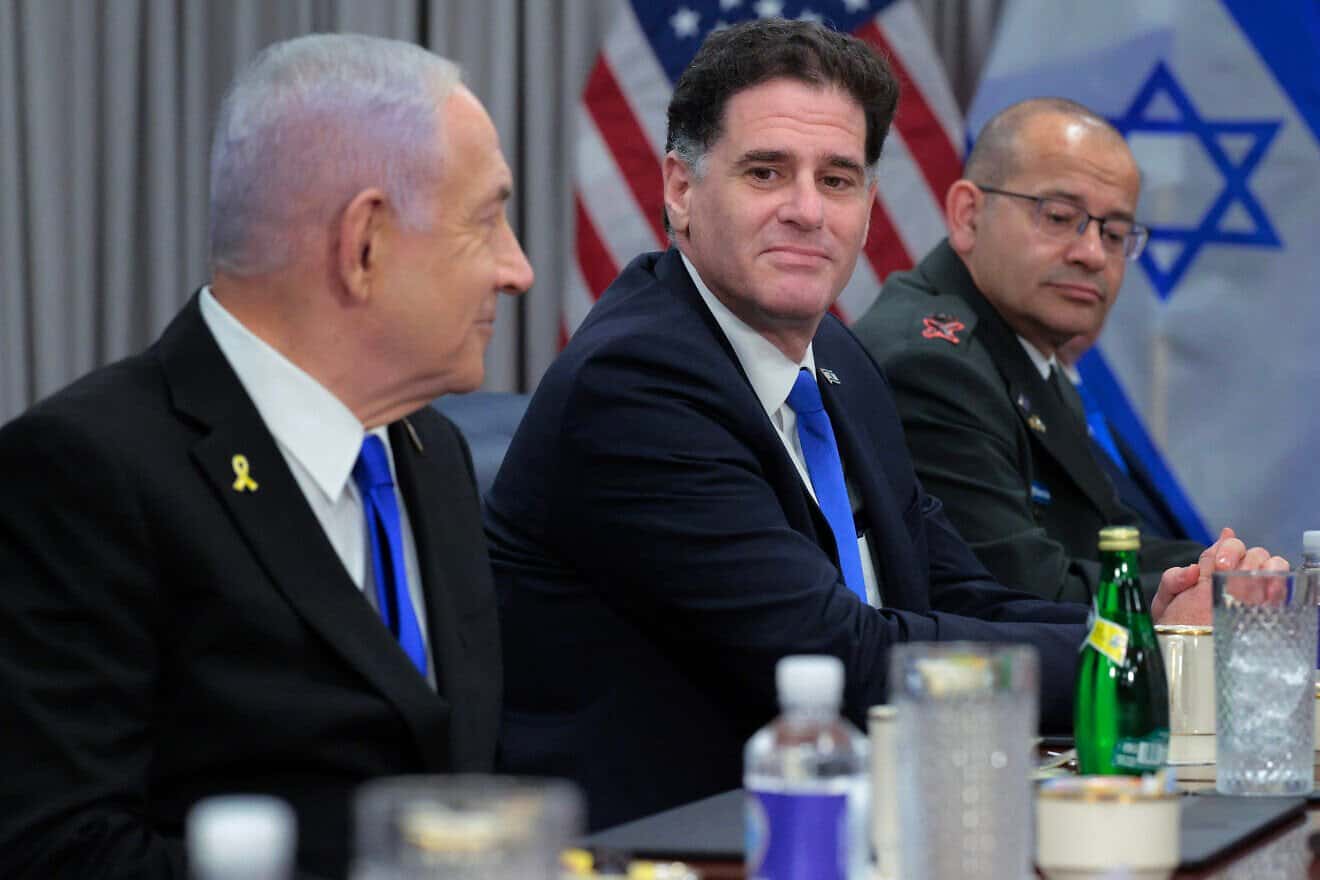
For years, Ron Dermer was more than just an adviser; he was a strategic linchpin in Israeli diplomacy and one of Benjamin “Bibi” Netanyahu’s closest trusted aides. I had the privilege of hearing Dermer speak years ago in New York, before he was Israel’s ambassador to the United States.What struck me most wasn’t only his command of the issues, but also his clarity of thought and articulation, qualities that made him effective and indispensable.
Dermer served as Israel’s ambassador to Washington from 2013 to 2021 and later became Strategic Affairs Minister. In those roles he became a bridge between Jerusalem and governments around the world, particularly the United States. His fingerprints were on major diplomatic milestones, from U.S. recognition of Jerusalem as Israel’s capital to the Abraham Accords, to long-term military aid agreements, achievements that reshaped the landscape of Middle East diplomacy and fortified ties with key allies.
Now that Dermer has resigned from his formal government role, reports suggest there’s a noticeable vacuum in diplomatic leadership. According to a recent Times of Israel report, his departure has had practical consequences: high-level talks, including security discussions with Syria, have stalled in his absence, and U.S. aides are reportedly bypassing other Israeli officials because they don’t yet trust or feel comfortable working with them in the same way.
Yes, Bibi has been in power for a long time and a lot of people are ready for new leadership. But no matter your opinion on Bibi, he was a top-tier statesman, something other potential prime ministers are seemingly missing. So what will happen next? Who will step into Ron’s shoes? And what will diplomacy look like once Bibi is gone, and the next generation of leaders are elected?
This isn’t just a short-term operational hiccup. It’s a symptom of a deeper question: who can step into Dermer’s shoes? It’s one thing to have competent officials; it’s another to have someone who commands respect internationally, has deep personal relationships across borders, and can articulate a nation’s strategic interests with precision and gravitas.
The vacuum Dermer’s exit highlights isn’t about a single individual; it’s about the broader leadership crisis that emerges when seasoned diplomats move on and there isn’t a clear succession line. In politics and diplomacy, networks and trust matter. Dermer’s reputation wasn’t built overnight; it was forged through years of building relationships in Washington and global capitals. Without someone similarly respected, Israel risks losing momentum in negotiations and alliances that require both intellect and personal credibility.
And make no mistake: these aren’t theoretical concerns. The Middle East’s diplomatic terrain remains complex and volatile. Whether it’s normalization efforts with Arab states, security coordination with allies, or navigating shifting U.S. administrations, having a skilled, articulate envoy matters. Leaders who can bridge gaps, build consensus, and represent national interests adeptly are rare — and we’re now seeing the consequences when one departs without a clear successor ready to take the reins.
So what happens next? First, there must be intentional cultivation of leadership. Countries, governments, and political movements need to identify and invest in diplomats and strategists early — not wait until the current crop exits. Second, being a bright communicator isn’t just a bonus; it’s a strategic asset in the diplomatic arena. Leaders who can explain complex policy simply, thoughtfully, and persuasively are the ones who move markets, shift alliances, and broker peace.
Ron Dermer’s departure should be a wake-up call: we can’t assume the next generation will just appear. We need to nurture it, support it, and demand it, not just for Israel, but for the broader global community that relies on capable, visionary leadership.The next chapter in diplomacy won’t write itself. The question now is clear: who will step up next?