
Rwanda’s Gorillas and a Lesson for the UN
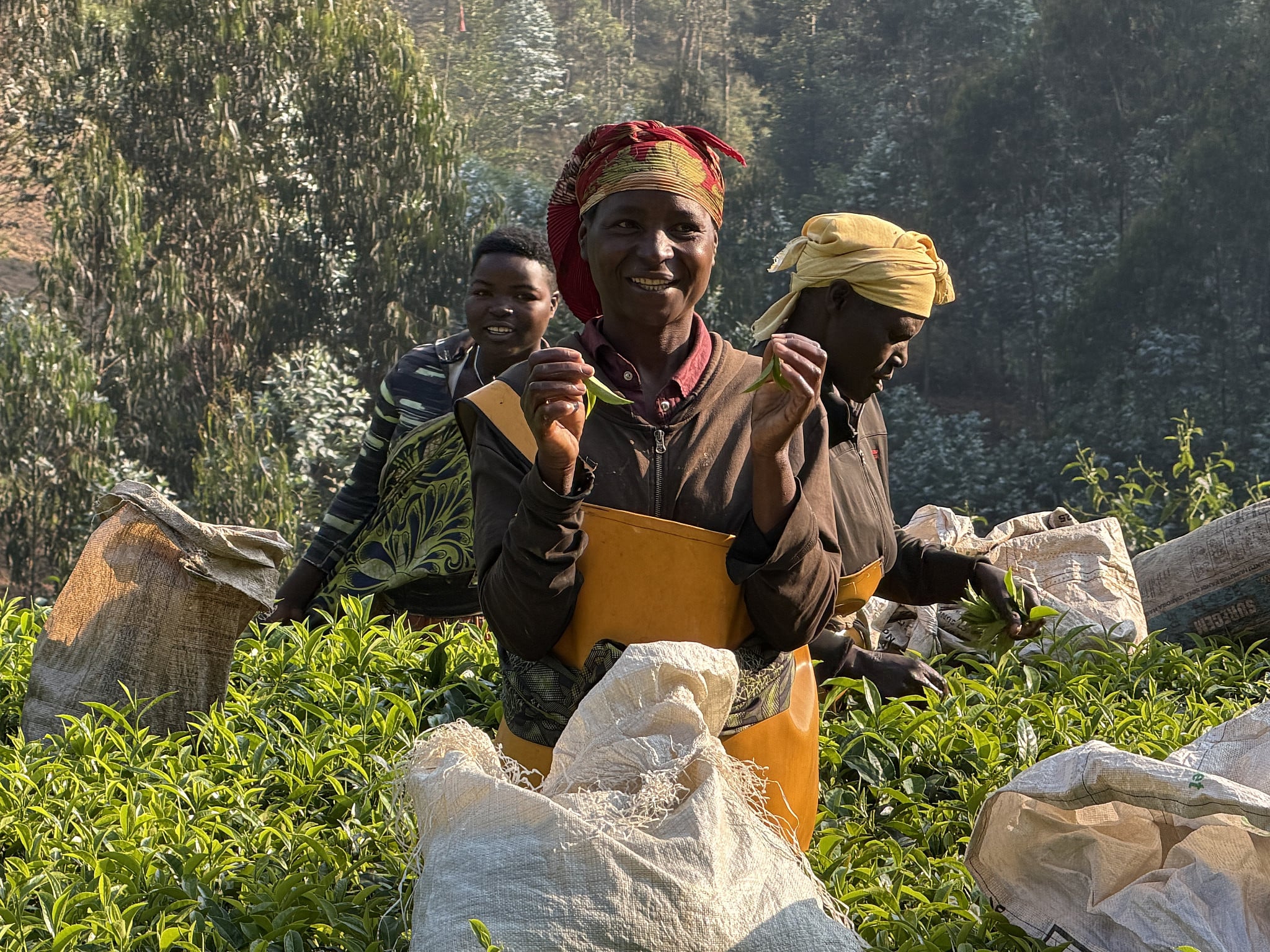
In Rwanda, a UN-backed tourism program helps women and young people earn a living, supports conservation and teaches schoolchildren to protect biodiversity. In Gaza, UNRWA faces evidence that members of its workforce were affiliated with Hamas and, in some cases, allegedly participated in the October 7 massacre.
These are two radically different faces of the United Nations. One helps a society rebuild and delivers measurable results. The other has repeatedly escaped fundamental reform despite grave failures of oversight.
Rwanda offers a useful standard by which to judge them both.
In one hundred days in 1994, more than a million people were murdered in Rwanda, most of them Tutsi. Thirty-two years later, the country is known not only for genocide, but also for order, safety, conservation and one of the world’s most exclusive nature-tourism models.
A permit to spend one hour with Rwanda’s mountain gorillas costs $1,500. Each gorilla family may be visited for only one hour a day by no more than eight people. Rwanda chose value over volume, protecting a rare animal while ensuring that tourism benefits communities beside the national parks.
Ten percent of park revenue funds local schools, clinics, roads and water systems. The principle is simple: the gorilla must be worth more to its neighbors alive than dead.
That reflects something larger about Rwanda. A country almost destroyed by ethnic hatred has built its recovery around responsibility, discipline and visible results. Memory has not been erased, but reconciliation has not been confused with innocence.
Why Rwanda and Israel Understand Each Other
Israel recognized Rwanda’s independence in 1962. Diplomatic relations, severed in 1973 under pressure from Arab states, were restored in 1995, immediately after the genocide against the Tutsi.
Since then, Rwanda has become one of Israel’s closest African partners. Benjamin Netanyahu visited Kigali in 2016, becoming the first sitting Israeli prime minister to visit the genocide memorial. The following year, Paul Kagame became the first African head of state to address AIPAC.
Rwanda and Israel do not need to explain to each other why memory matters. Both understand that remembrance is not merely a tribute to the dead. It is a warning, a responsibility and a form of national defense.
Their histories are not identical. But both societies emerged from attempts to exterminate their people and learned that international sympathy is no substitute for security, sovereignty and the ability to rebuild.
Tourism That Leaves Something Behind
Rwanda’s philosophy is visible in Kigali’s clean streets and in Umuganda, the monthly community work during which residents clean neighborhoods, repair roads and complete local projects.
Tourism follows the same principle. Visitors are not expected simply to arrive, take photographs and leave. The industry finances conservation, creates employment and gives communities a stake in protecting Rwanda’s natural heritage.
UN Tourism and the TUI Care Foundation support initiatives connecting tourism with employment, education and conservation. Near Volcanoes National Park, women and young artisans receive help developing products and reaching travelers. Residents and schoolchildren also participate in monitoring biodiversity.
“Tourism has enormous potential to drive positive change,” Manuel Ferreira of the TUI Care Foundation told me.
Jost Neumann, who leads UN Tourism’s rural development program, argues that in countries with little industrial capacity, tourism can create jobs while financing cultural heritage and environmental protection.
The value of such projects is concrete: people are trained, businesses gain customers, communities earn income and wildlife is protected.
This is what a United Nations program should look like: practical and accountable for what it delivers.
Two Faces of the UN
UNRWA demonstrates the opposite.
In June, the USAID inspector general revealed suspension or debarment referrals involving 108 current or former UNRWA employees over alleged participation in the October 7 massacre or affiliation with Hamas’s military wing.
The cases reportedly involved school principals, teachers, security personnel and medical workers. Among them were alleged Hamas commanders, intelligence operatives and a sniper. One school principal was linked to a weapons-manufacturing unit, while military positions and a tunnel shaft were found at his school.
The contrast is stark. In Rwanda, a UN-backed program teaches children to protect biodiversity. In Gaza, personnel employed by a UN agency allegedly served in Hamas’s military structure.
One program creates skills, income and independence. The other has perpetuated dependency while repeatedly failing to prevent terrorists from operating within its workforce and facilities.
UNRWA provides services needed by Palestinian civilians, but humanitarian need cannot excuse moral and managerial collapse. Nor does the necessity of aid mean that this particular institution must deliver it forever.
Despite the allegations, the UN General Assembly renewed UNRWA’s mandate through 2029. Individuals may be investigated, but the organization remains protected from fundamental reform.
That is the opposite of the lesson Rwanda offers.
Memory Must Produce Responsibility
Rwanda’s achievements cannot undo 1994, nor should they place its government beyond scrutiny. But the country has shown that memory can become a foundation for reconstruction rather than an instrument for preserving hatred.
The United Nations can support that process, as its tourism work in Rwanda demonstrates. It can also betray its principles when institutional survival replaces accountability, as UNRWA demonstrates.
International institutions must be judged by what they produce.
Some help societies rebuild. Others preserve the structures that keep conflict alive.
The difference should never be hidden behind a blue flag.