Satan’s Throne: Evin Prison, Iran
By a Former Political Prisoner Who Escaped the Regime
Am I Dreaming? Evin Prison. Tehran. June 23, 2025. It was hit by a rocket—fired by the Israeli army. The gate, once sealed like a tomb, blown apart. On the rubble: a message left behind—“Viva freedom.” A direct strike against a monument to systemic cruelty. A prison built to erase people, cracked wide enough for light to leak in. The regime’s emblem above the gate—its logo of control—was left in pieces, scorched and unrecognizable.
I saw the footage: fire licking the walls, concrete scorched, the entrance gaping. For a moment, it felt unreal.
This is where I was held. Where my father was imprisoned when I was nine. Where over one million Iranians were tortured, raped, or executed—some en masse in 1988 and again in 1990. A black box of brutality.
I whispered, Thank you, Israel. And I wished my friends—the ones who never made it out—were alive to see it.
This is for them.
I was never part of any political group, never aligned with any ideology. I believed in freedom—nothing else. I never believed in Islam or any religion. I was a surreal artist, documenting life as I saw it: raw, absurd, human. Being labeled a political threat felt like a bad joke. But that joke became a prison.
The Anatomy of a Evin Prison Built under the Shah in 1972, Evin expanded after 1979. Torture didn’t stop—it changed uniforms. The Islamic Republic used the same cells to silence officers, royalists, communists, poets, bloggers, unveiled women—anyone outside the line.
Women were jailed simply for showing their hair. Others for refusing to veil. In the Islamic Republic, that alone could mean solitary confinement—or worse.
By 1977, the prison held over 1,500 inmates—hundreds in solitary. Evin became a factory of silence, not justice. Today, some Iranians say: Sheikh and Shah, same path. The cruelty isn’t ideological. It’s institutional.
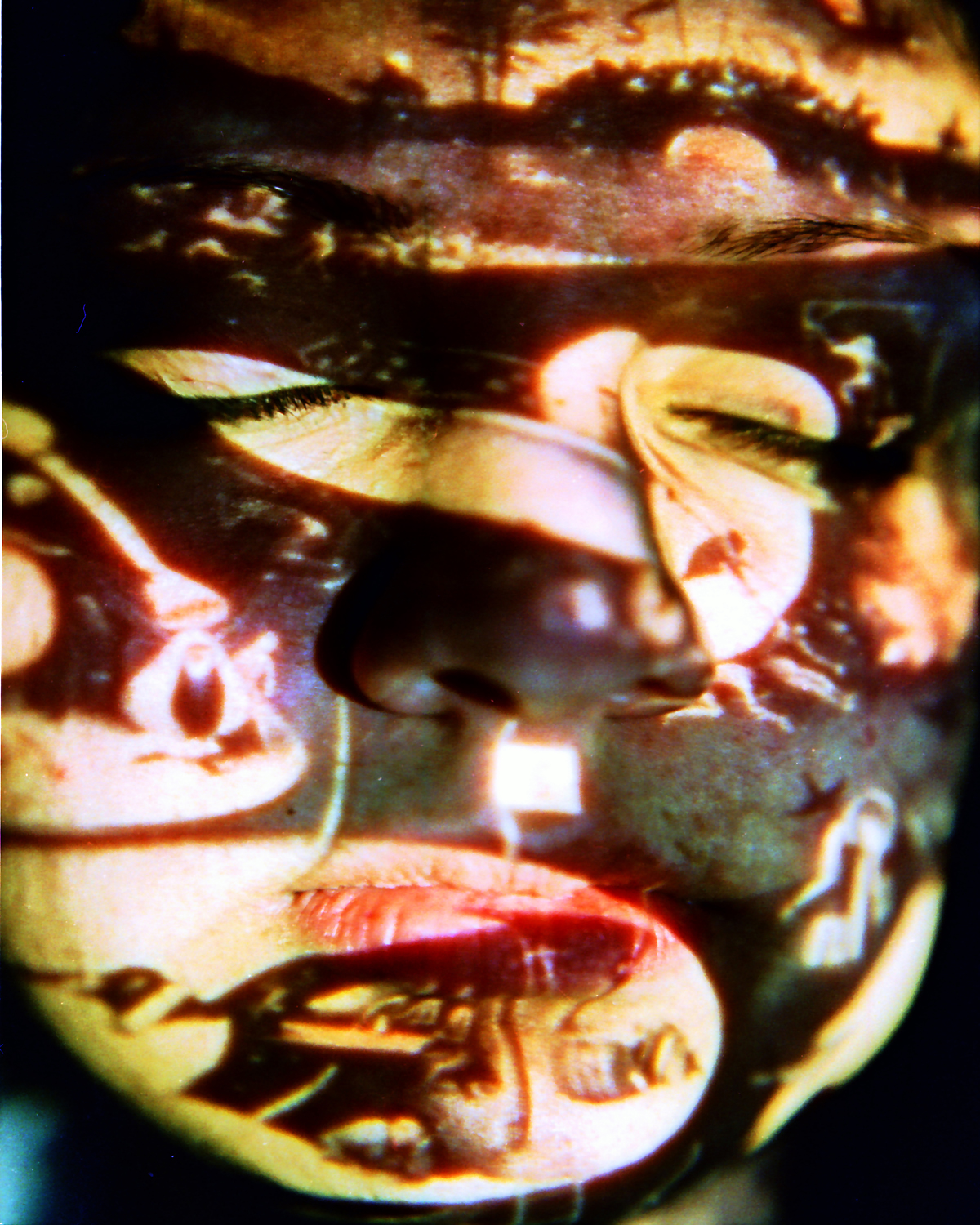
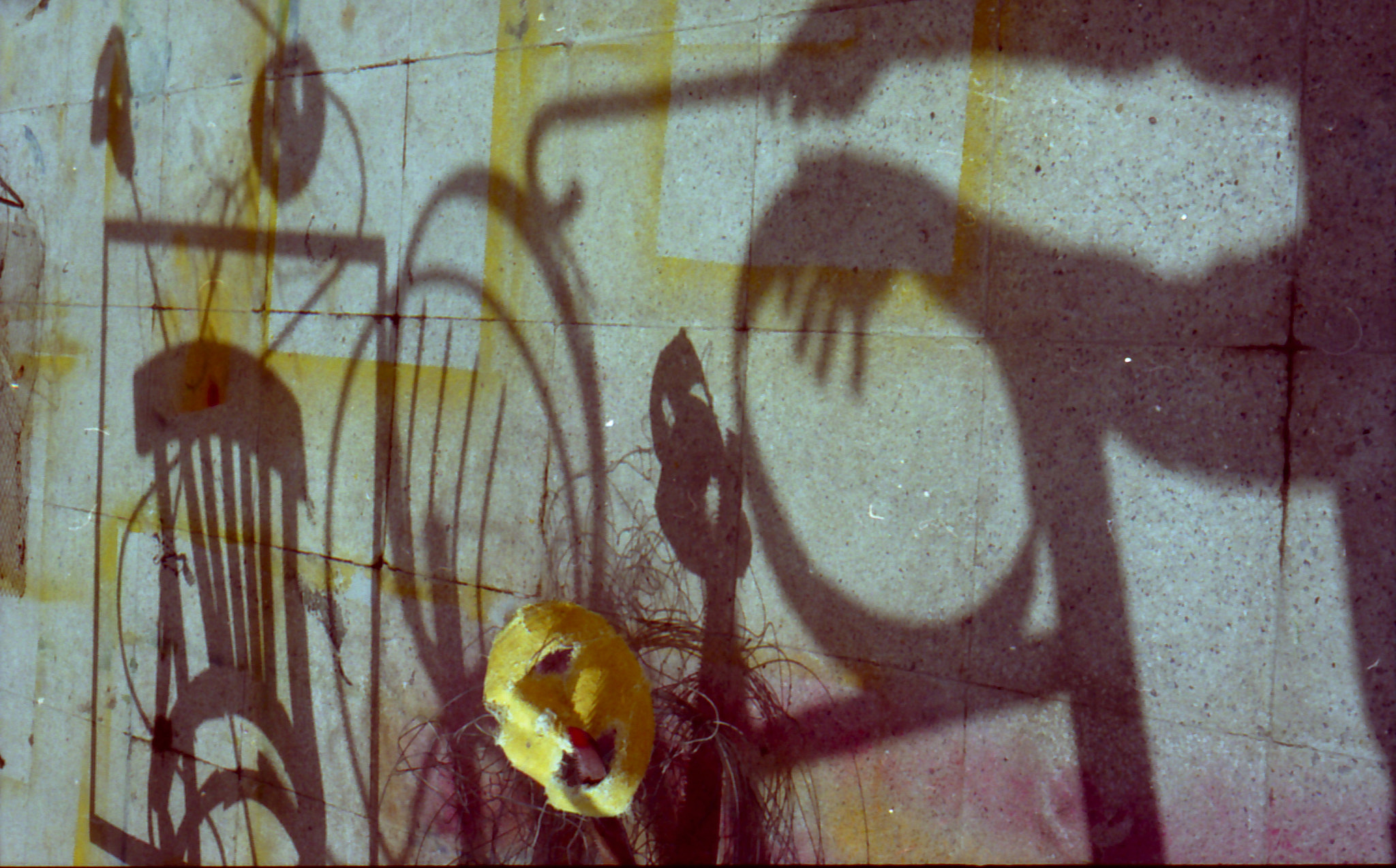
My Body Was There, But My Name Was a Number They gave me number 20002.
I joked, “What if I forget it?” A guard replied, “Then we execute you.” I said please do it now. He stared: “Shut up. We’ll make you a new person here.”
They broke my nose. I bled for three days. No medical help. I tied a blanket around my face to slow the bleeding. The cell was dark. Time didn’t pass—it circled.
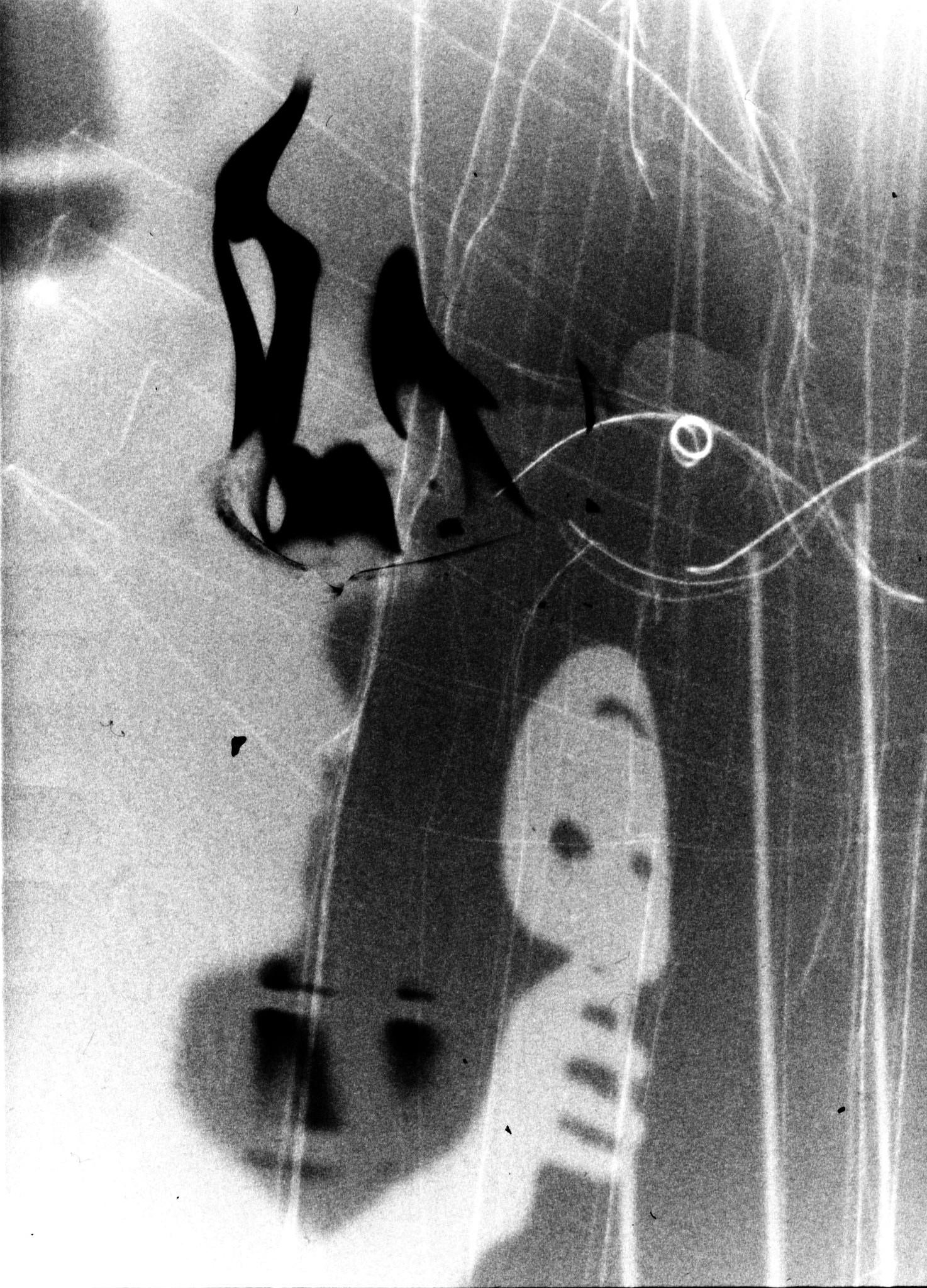
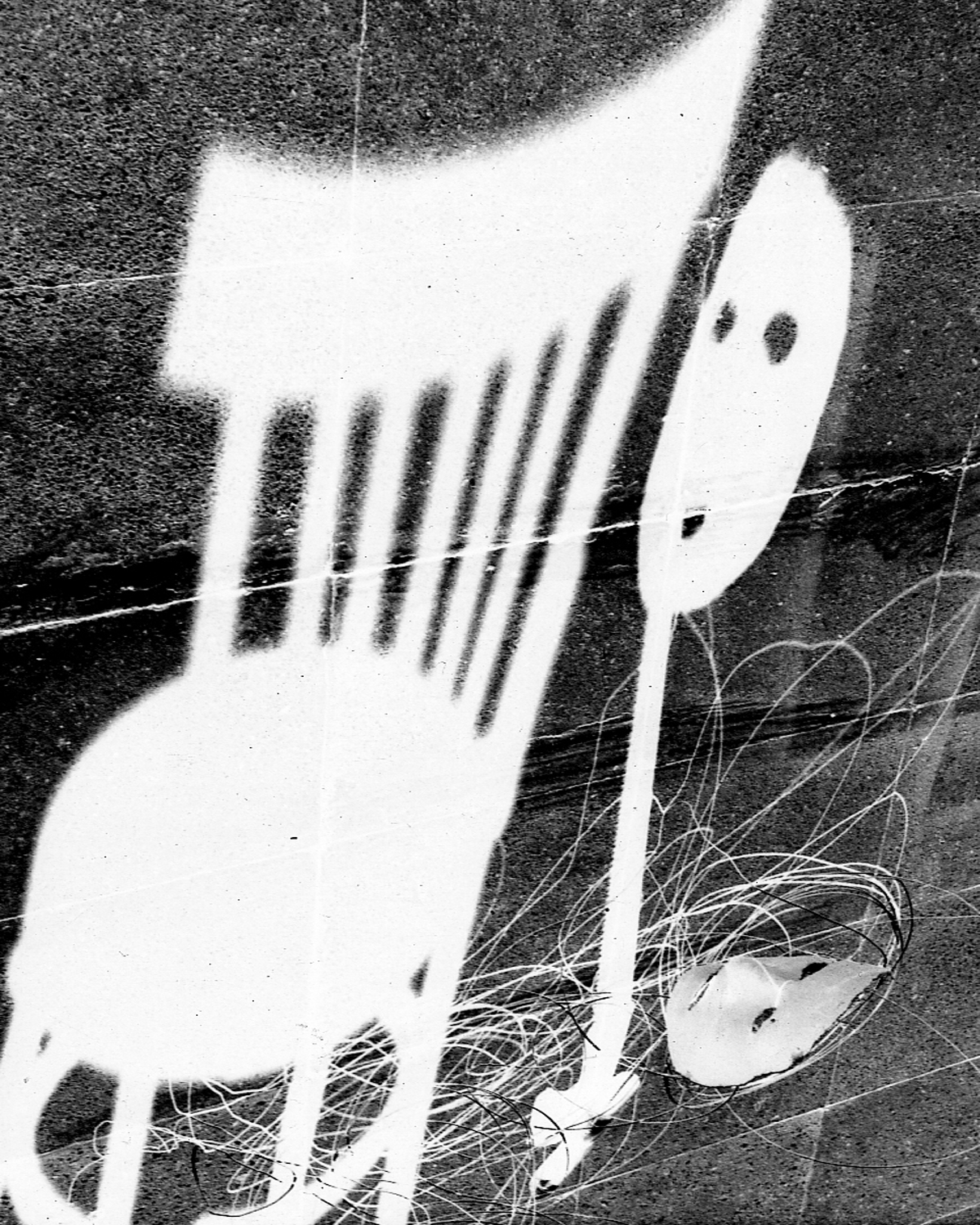
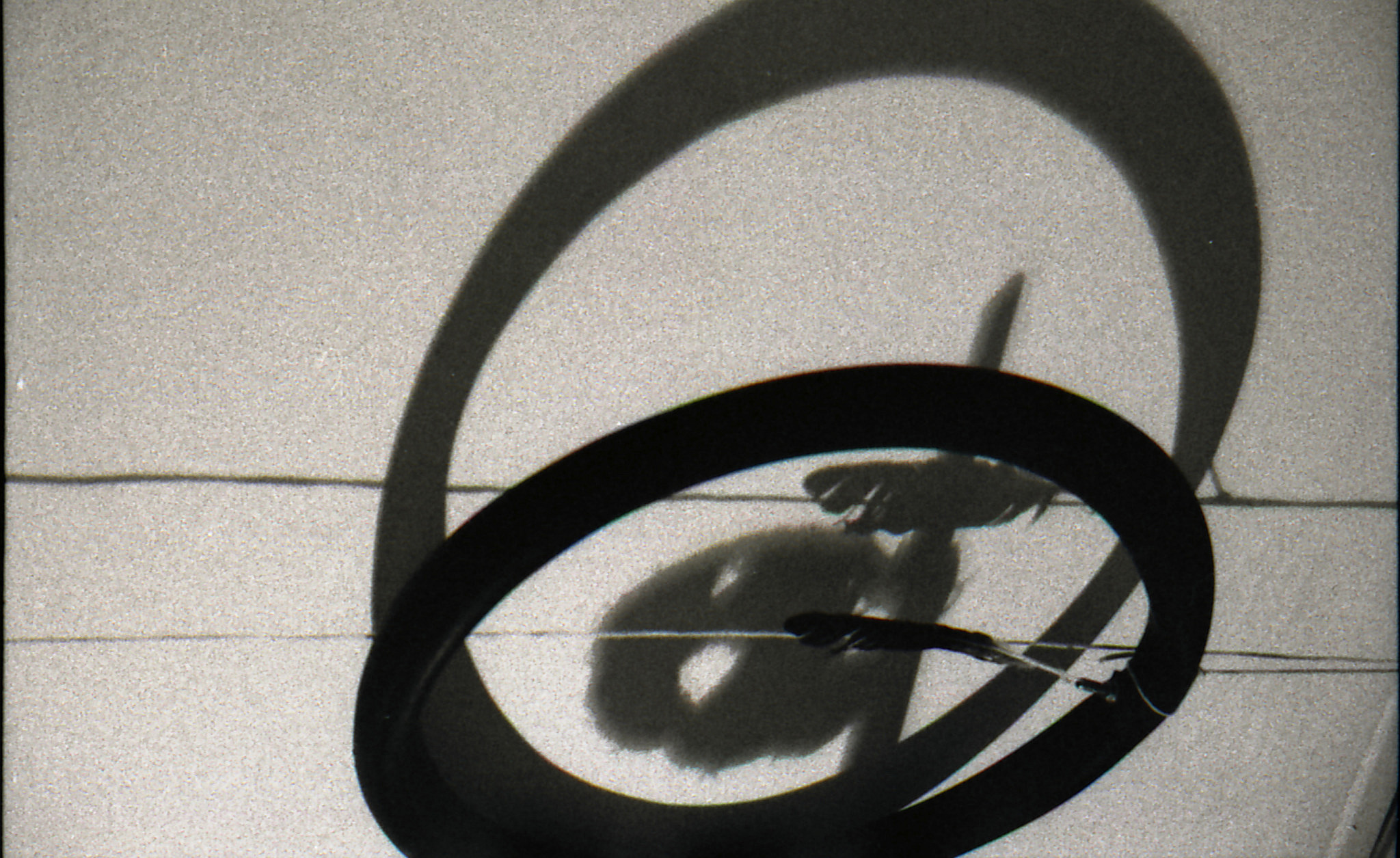
Interrogation, or the Theater of the Absurd They accused me of being against the Islamic Republic. Of insulting the Supreme Leader. Of rejecting Islam. Of having connections with foreigners. I spoke to faceless voices behind mirrored glass—cold, performative, absurd.
They didn’t want truth. They wanted submission.
Some had no questions. Just fists. Others smiled politely: Do you really know Rajavi? The whole process was a performance of guilt—not justice, not even belief.
Truth Is Not on Trial—You Are My “evidence”: a French library ID. Phone calls to Amnesty. A letter sent to art galleries.
That was enough.
They threatened me with Judge Salavati—the “hanging judge.” But I didn’t get a trial. I just… disappeared.
A former prisoner told me about Evin’s infamous warden. He once tucked a bullet into a notebook and said, This is for your head. That’s how justice worked. Not a verdict—just a number in a ledger.
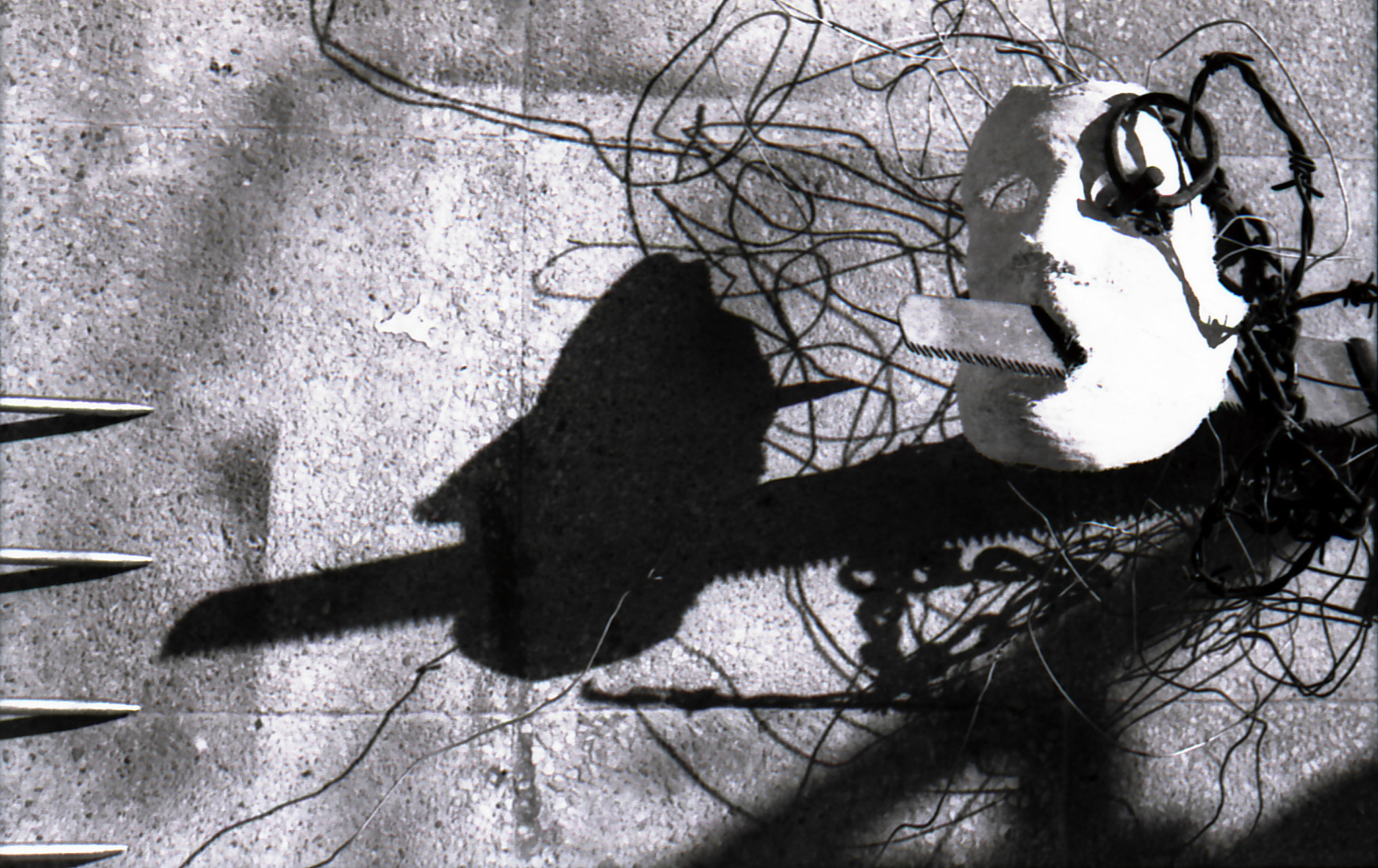
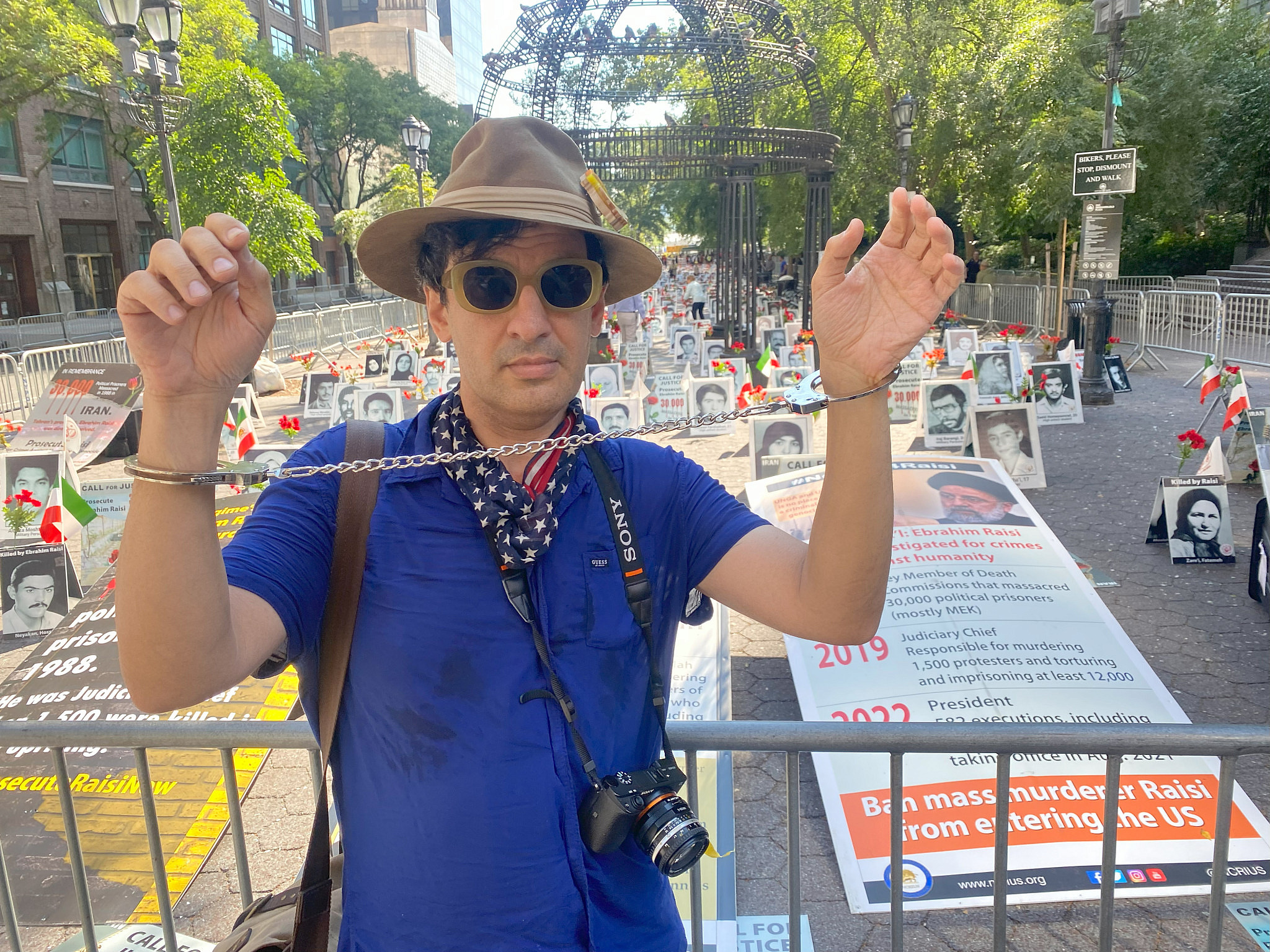
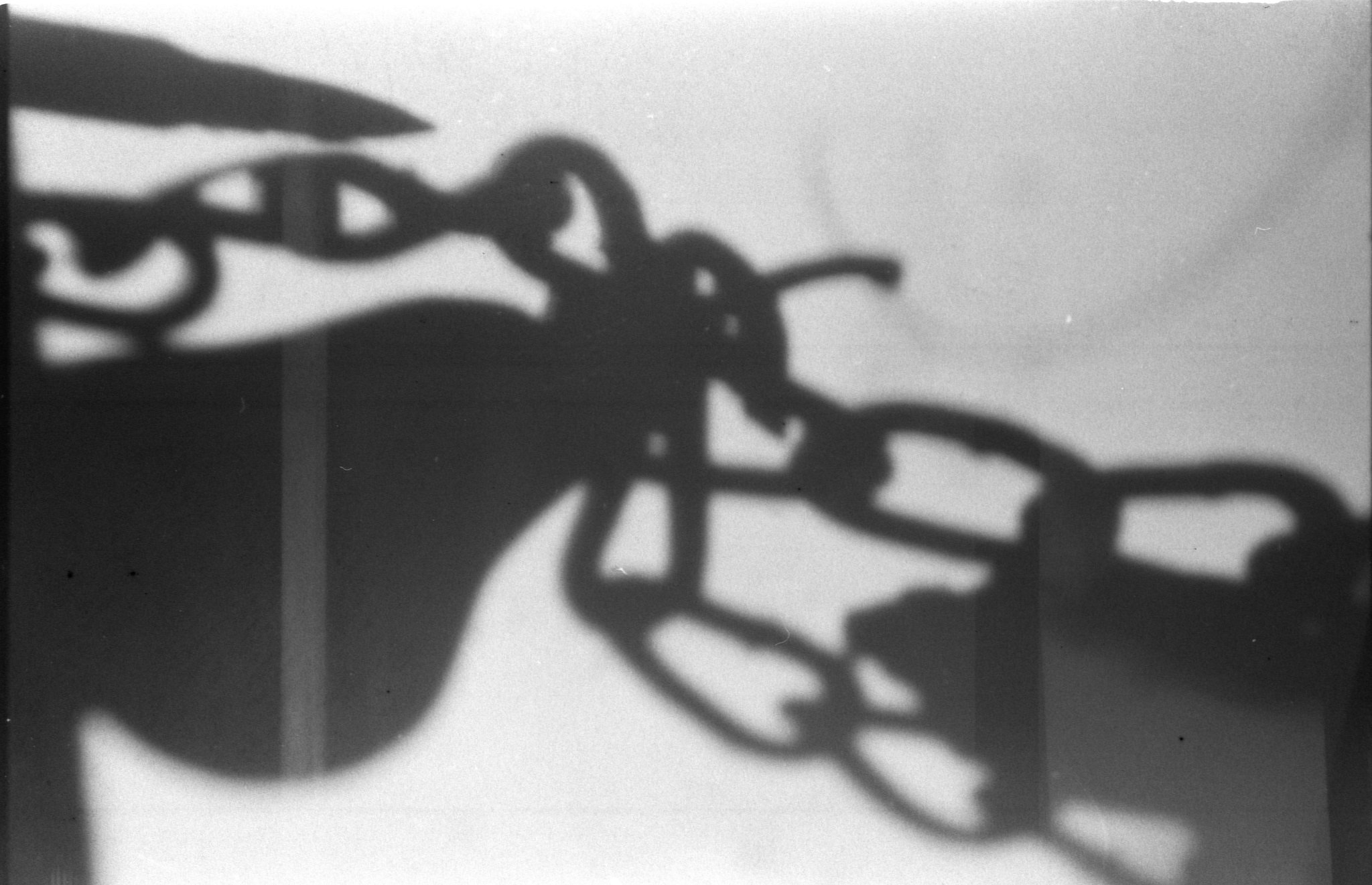
I Escaped the Regime—But the Trauma Followed Me I thought I’d escaped. But in Staten Island, I saw echoes of Evin. In the NYPD.
And if some NYPD officers had been born under the Islamic Republic, I believe they’d have made perfect guards in Evin. The uniform may change—but power attracts the same kind of cruelty.
In Iran, I was called a CIA spy for criticizing capitalism. In the US, a Columbia student called me a terrorist for speaking Farsi. Same student stole my hard drive with all my photography of Iran. One regime punishes thought. The other, language.
That kind of privilege—uninformed but confident—is exactly what helps keep regimes like this alive.
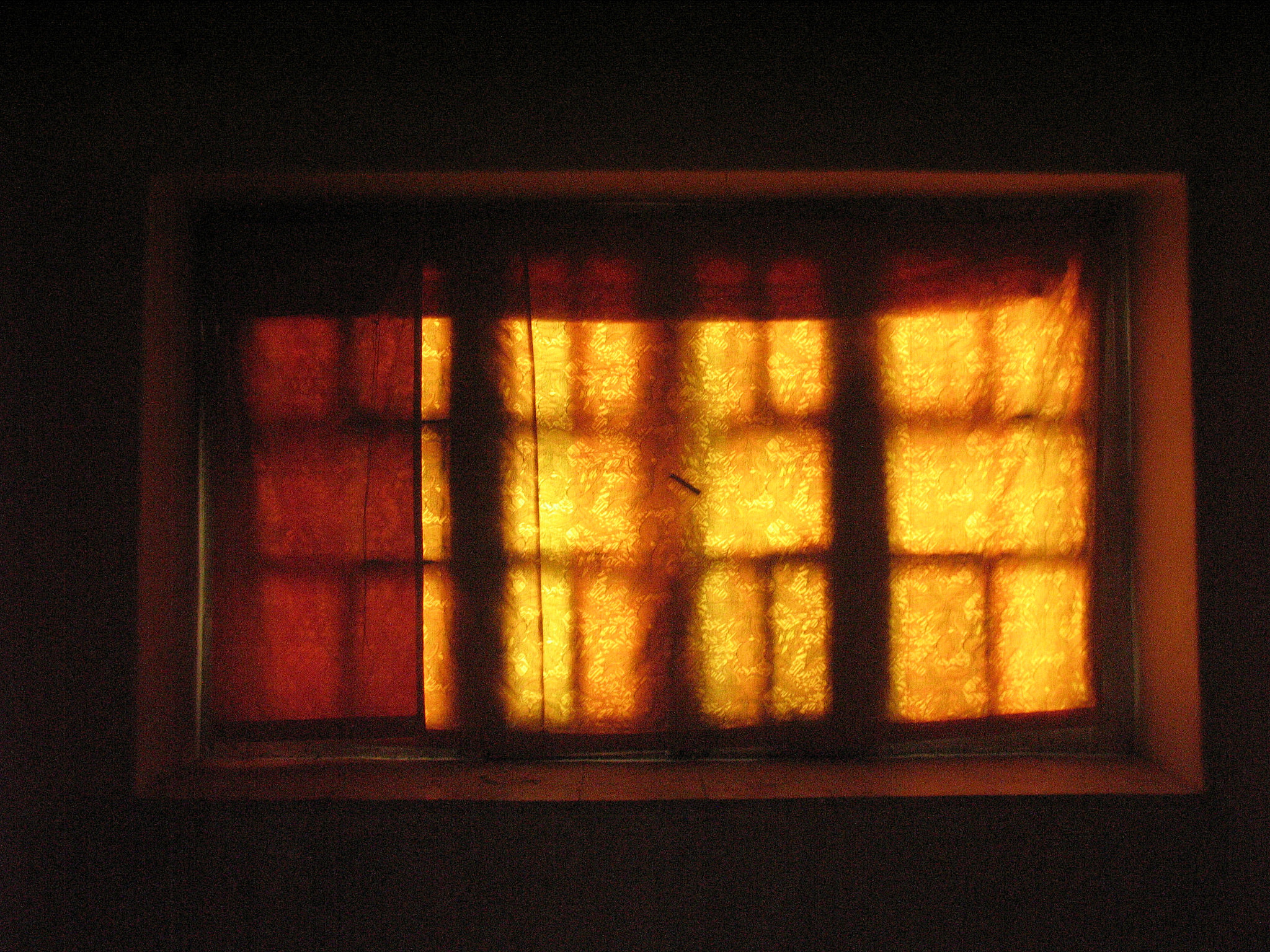
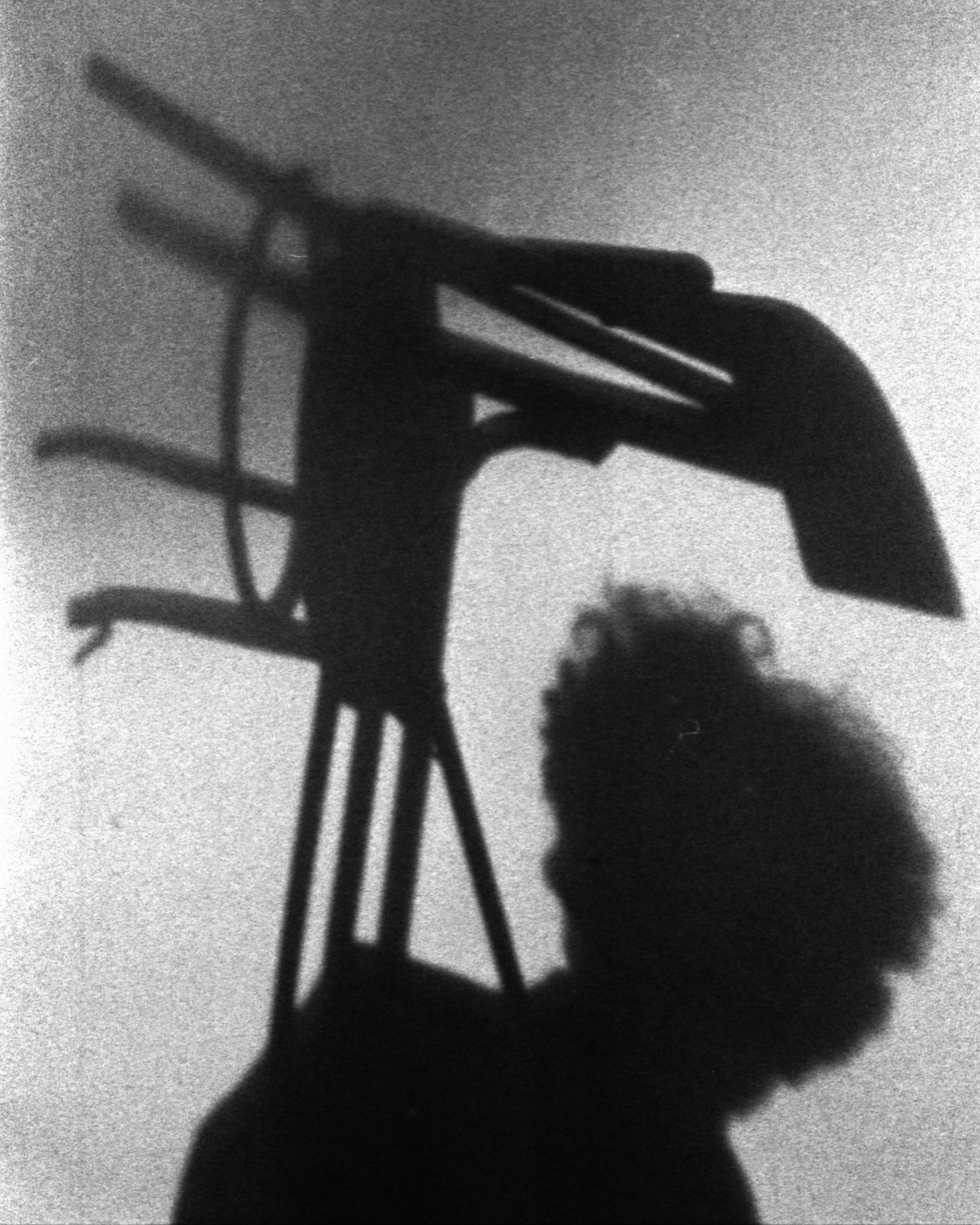
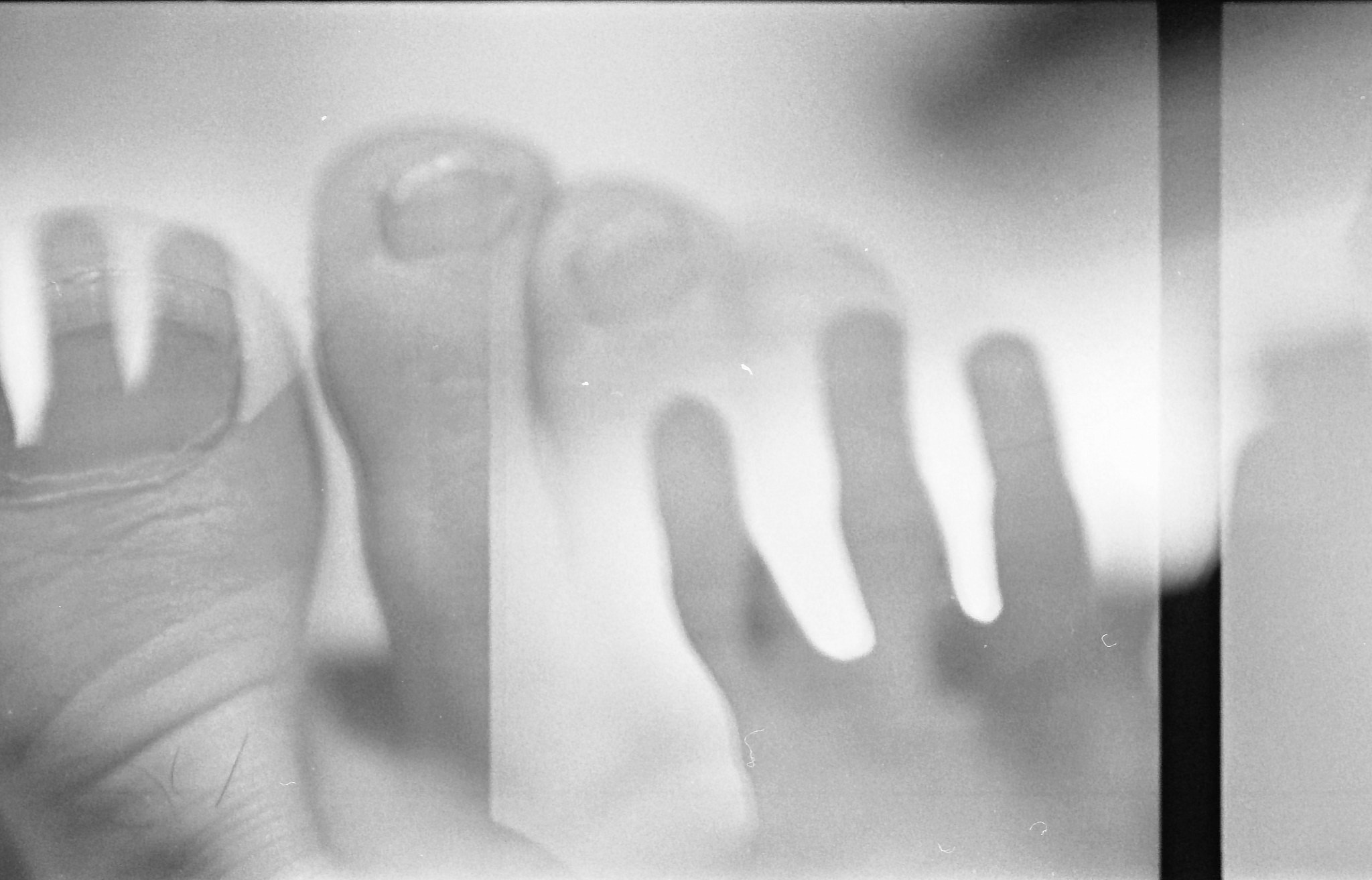
The Global Face of Repression The most dangerous figures aren’t the bearded clerics on state TV. It’s the ones they buy abroad—journalists, academics, lobbyists, so-called artists—who polish the regime’s image for the world. These aren’t guards in Evin. They’re the ones who hold the door open from the outside.
The torture never ended. It learned new languages.
In Evin, there is no law—not even one pretending to exist. There are no limits on what can be done to a body. Women and men were used as sex toys. It wasn’t hidden—it was routine. Rape wasn’t an exception. It was an institutional tool. Many women suffered repeated pregnancies. Multiple abortions. All of it inflicted without consent, oversight, or medical care. There was no accountability. Only appetite.
People were arrested for reading banned books. For writing blogs. For refusing ideology. Even Muslims who didn’t follow the Ayatollah were silenced. Evin didn’t care about belief. Only obedience.
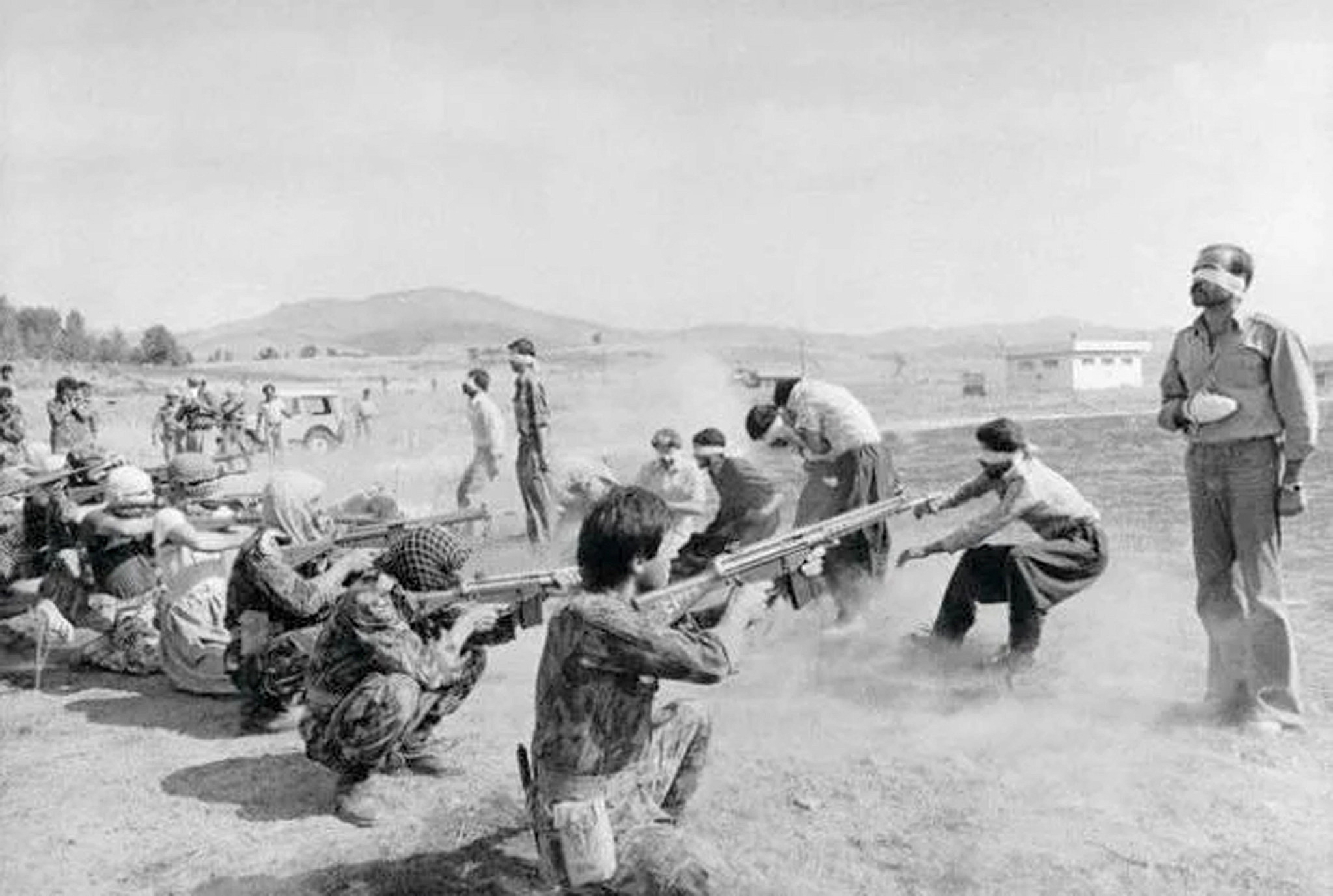
In 1988, between 5,000 and 30,000 political prisoners were secretly executed—most for refusing to repent. Families were never told where the bodies went. Graves unmarked. Names erased.
In 1988 and 1990, underage girls were raped before execution—because virgins, the regime believed, could not be sent to death.
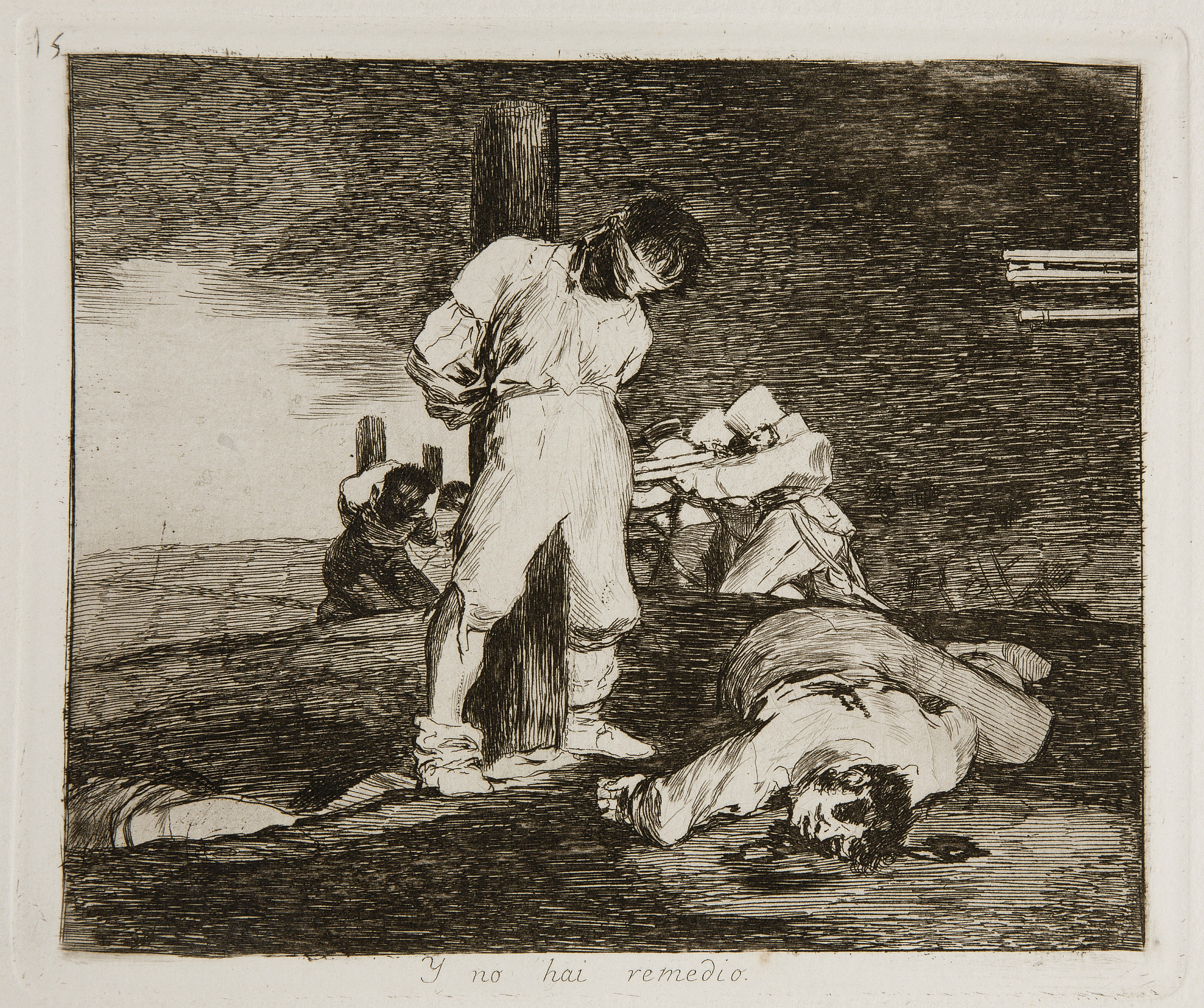
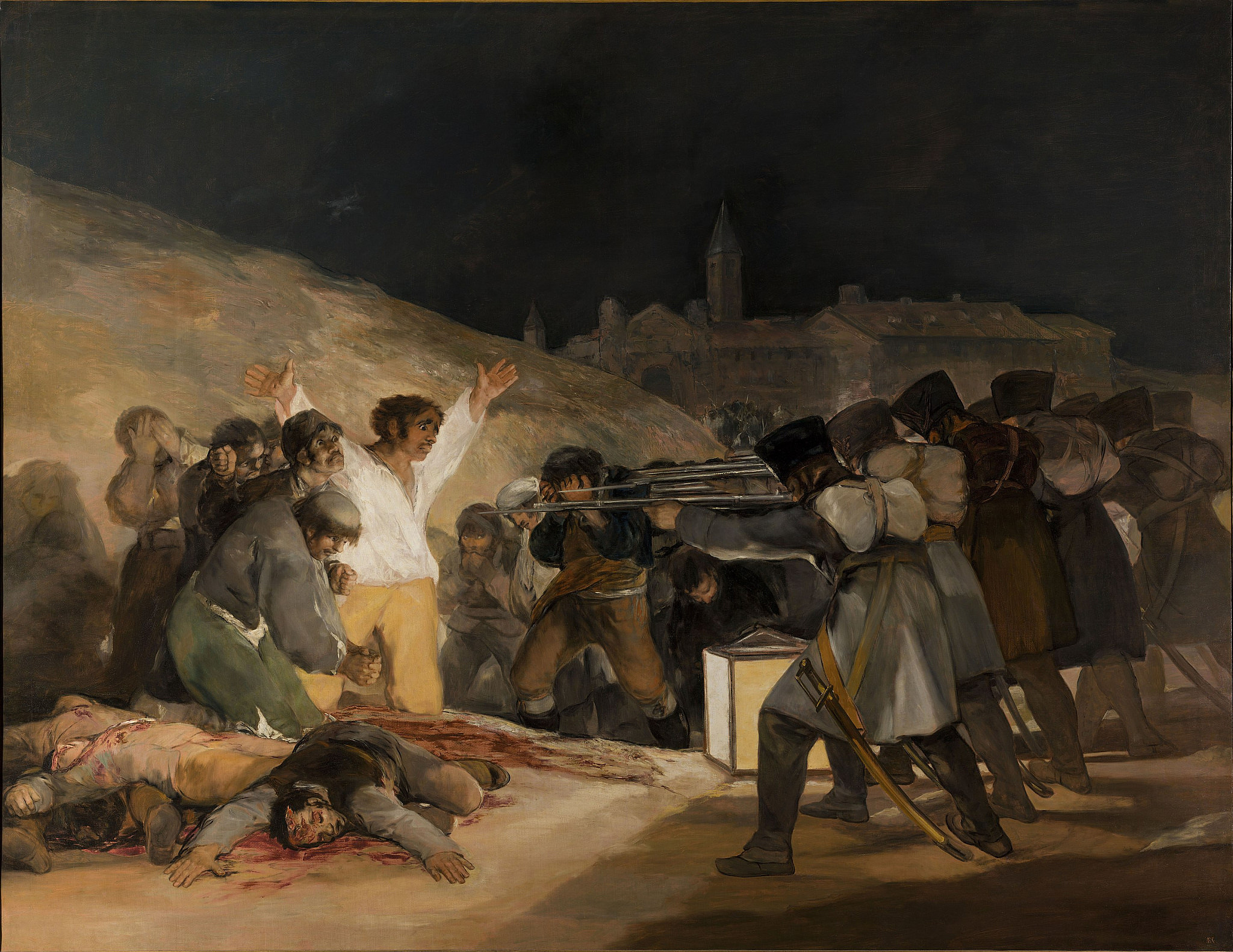
The blindfold stayed with me long after. It reminded me of Goya’s The Disasters of War—especially Y no hay remedio (And There Is No Remedy). That mask was meant to silence us. For me, it became a second sight.
And the stupidity continues. Just this week, the regime arrested more than 700 people, accused of spying for Mossad. No evidence. No trials. Just another purge. The regime is humiliated. So it turns inward—feeding on its own people to feel powerful again.
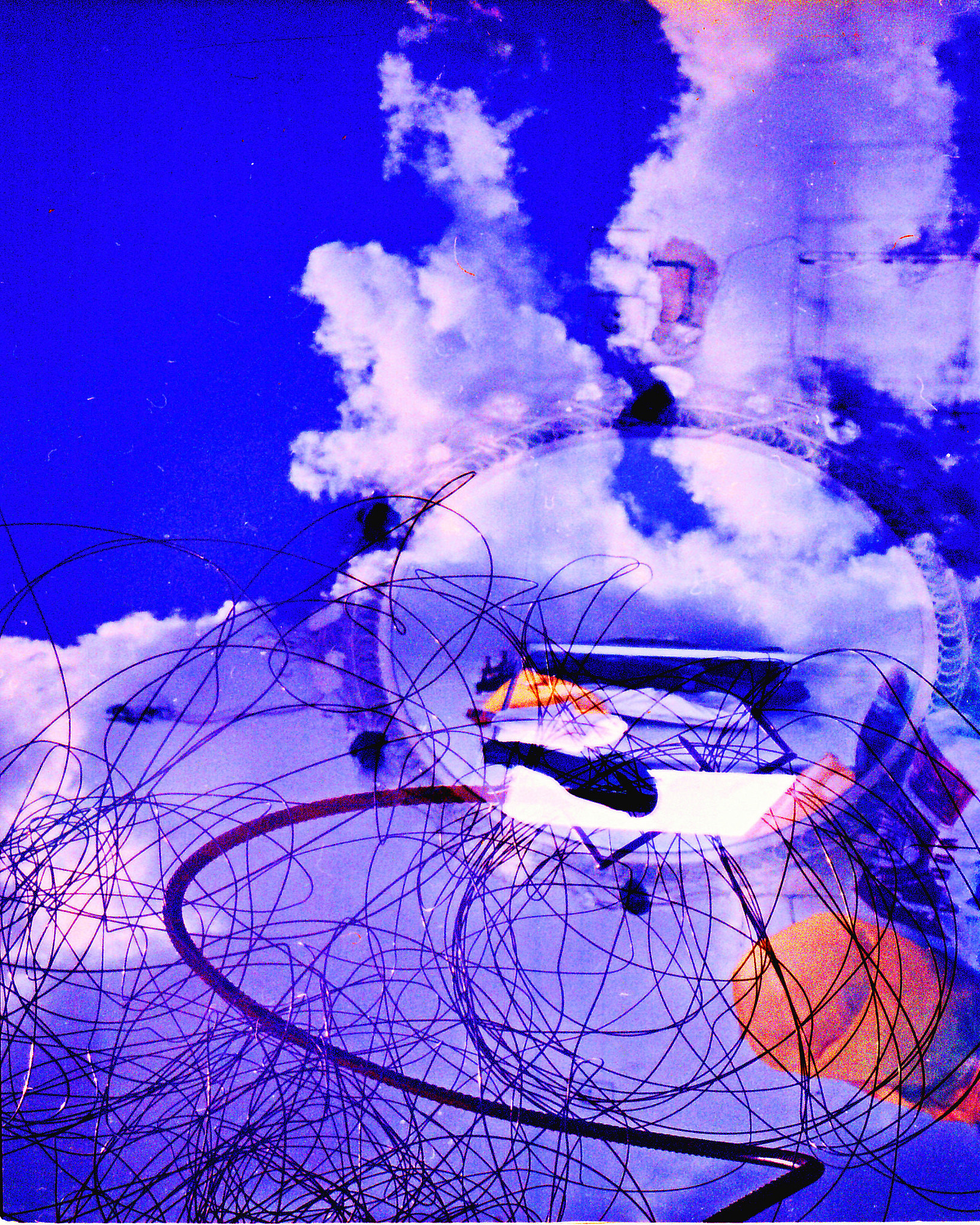
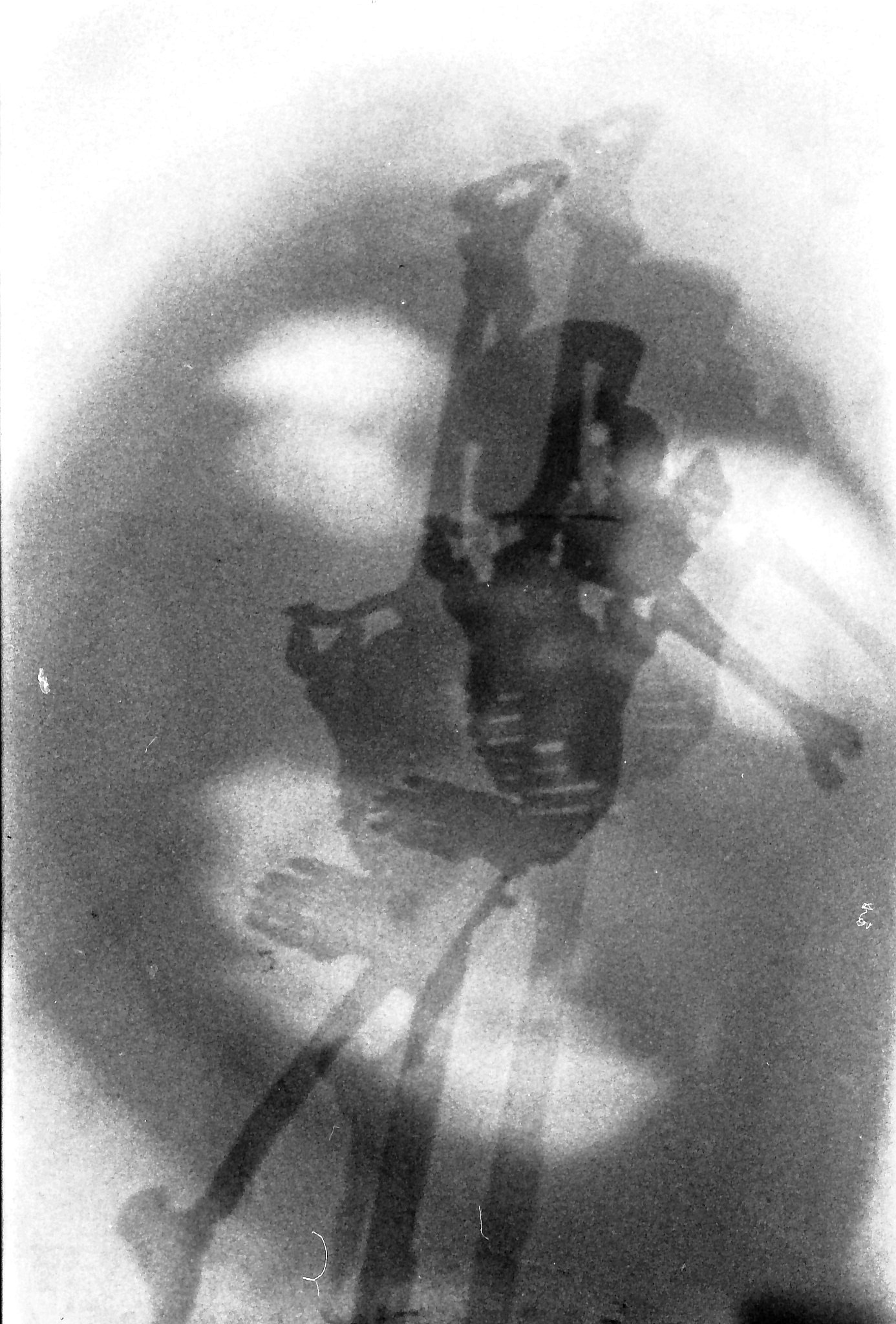
Even Bricks Remember A week before the bombing, I stood in Alcatraz. A jail turned museum. I thought only of Evin.
Not because they’re similar. Because Alcatraz is dead. And Evin is very much alive.
I was in Band 2-Alef—a wing run by Revolutionary Guard Intelligence. It’s not just a cellblock. It’s a black site inside a prison. No oversight. No law. Just isolation, interrogation, and psychological warfare. Solitary confinement in soundproof cells. No access to lawyers. No contact with the outside world. It’s where they send you to disappear.
That’s where they held political prisoners, dual nationals, journalists, students, women’s rights activists, and dissidents—anyone accused of “propaganda against the regime” or simply thinking too freely. People like me. People like you.
Each wing of Evin is its own pit. But 2-Alef is where time dissolves. I won’t forget the blood. Or the pain. Or the walls that felt like they could scream. You could hear it in the bricks.
Evin is the kind of place that makes you wish you were never born.
The Logic of Cruelty The writer Mr. Reza Baraheni wrote poems from prison. The writer Mr. Gholam-Hossein Sa’edi survived torture under both regimes—Shah and Sheikh. He described officers exposing themselves. One pissed on him. Another burned parts of his body. That’s not metaphor. That’s Evin.
In 1990, even engineers from the Iran Air Force were arrested and tortured—accused of nothing but existing under the wrong Ayatollah. One was beaten so severely, his skin began to fall off. He rolled it into a ball. He lost 80 pounds in 90 days. I lost 20 in less than a month.
The photographer Mrs. Zahra Kazemi was murdered during interrogation. Even Pezeshkian, Iran’s new president—then a health minister—confirmed it.
My father was imprisoned that same year. Eight months disappeared from his life. The damage was never undone. Our family knows what generational trauma means—in blood and bone.
Each faction of the regime—Ministry of Intelligence, IRGC, Judiciary Security—has its own building inside. Multiple agencies. Multiple dungeons.
Evin has no ideology. Only appetite.
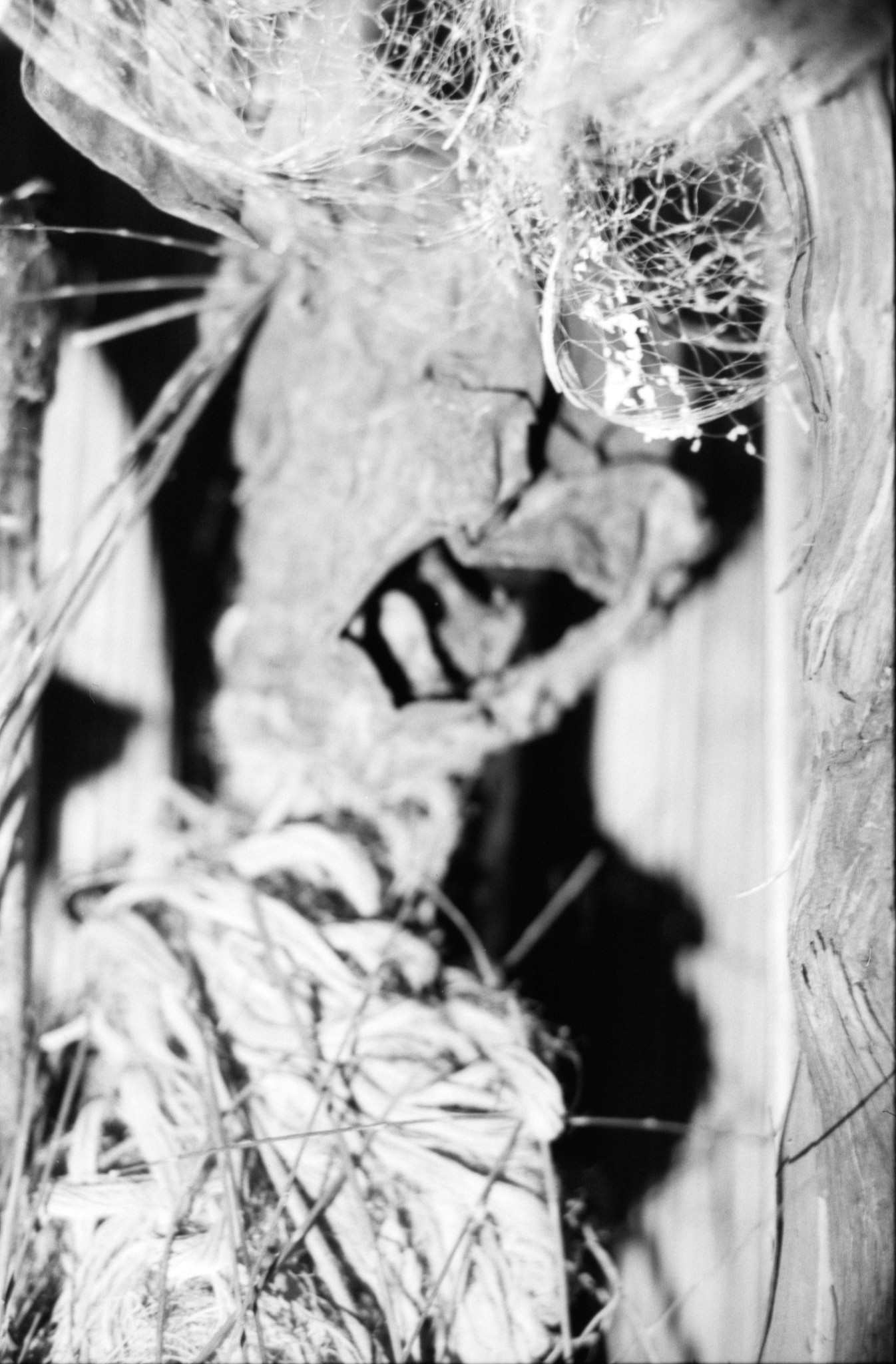
Not a System—an Instinct Judge Salavati gave me over 20 years. I wear that as a badge now.
They put people in Evin for drinking. For having dogs. For being at a mixed-gender party. My neighbor was arrested for owning too many pigeons.
That’s the regime’s genius: everything is a crime, and punishment depends on the mood of the officer.
There were prisoners executed for owning banned books. For mentioning the Mujahedin. For refusing to chant. Some were sentenced to five, even ten years—just for owning a book, a notebook, or a leaflet linked to the Mujahedin. Not for action. For possession.
The guards called themselves “soldiers of God.” That gave them license. And they used it to strip people of names, of bodies, of time.
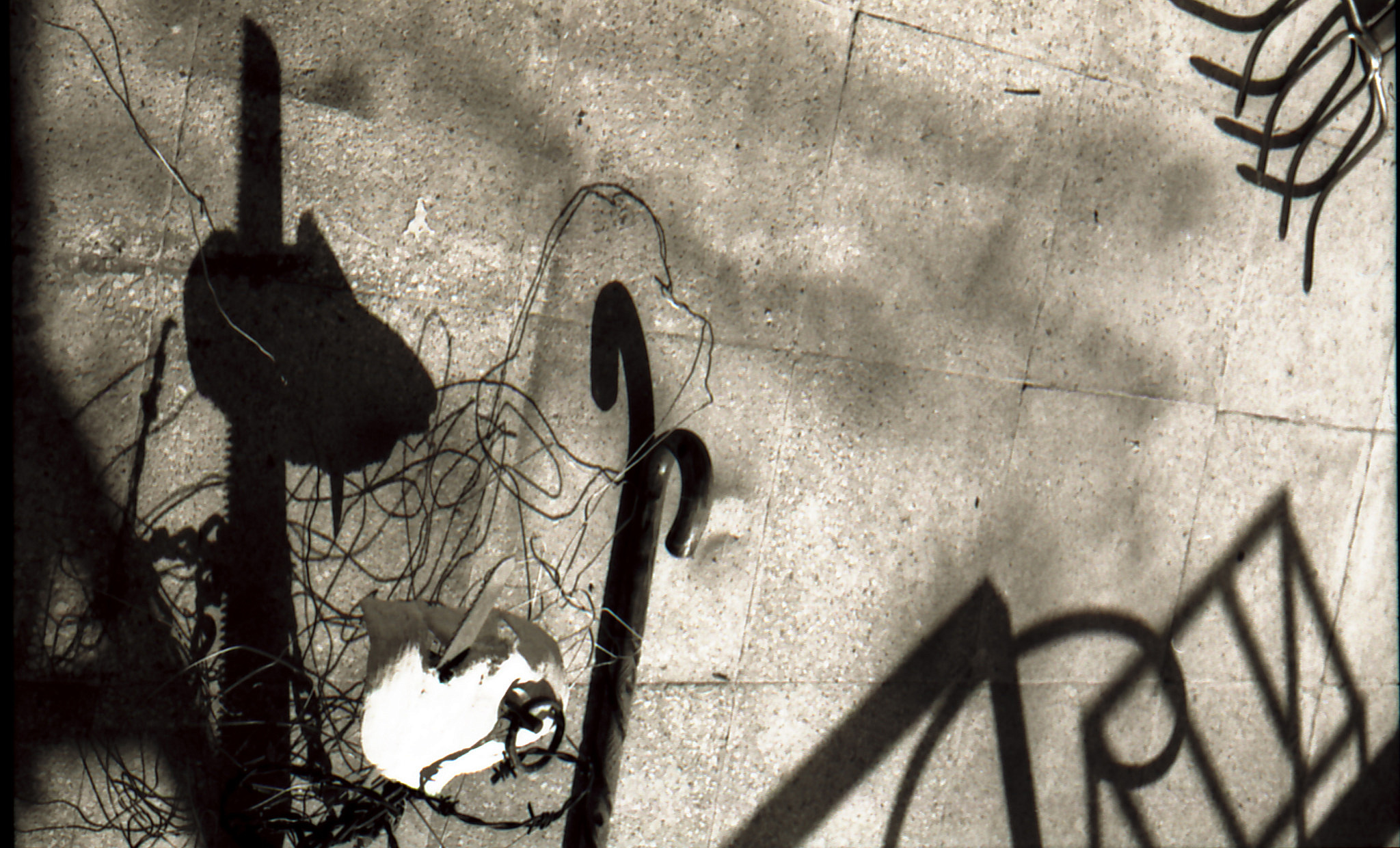
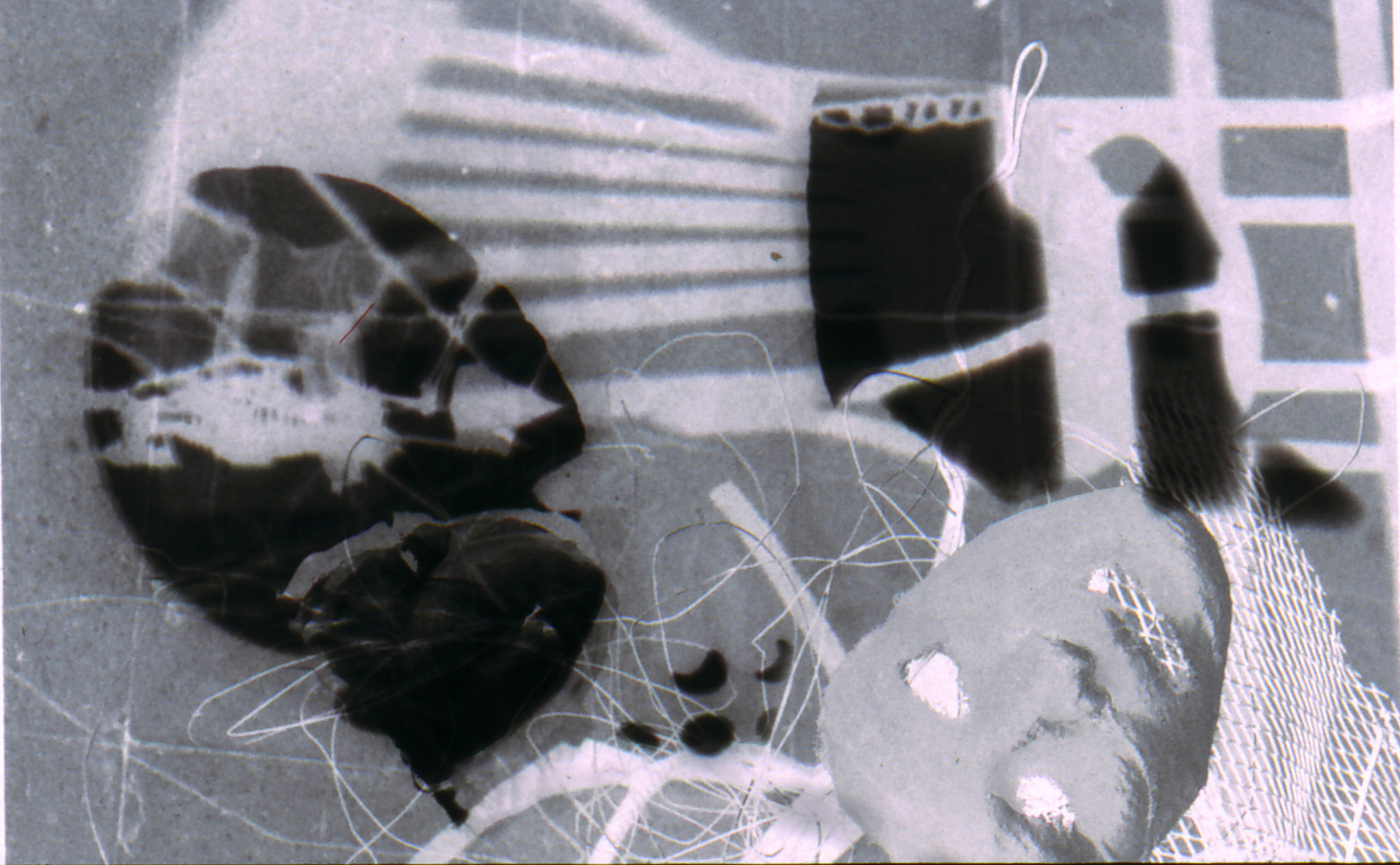
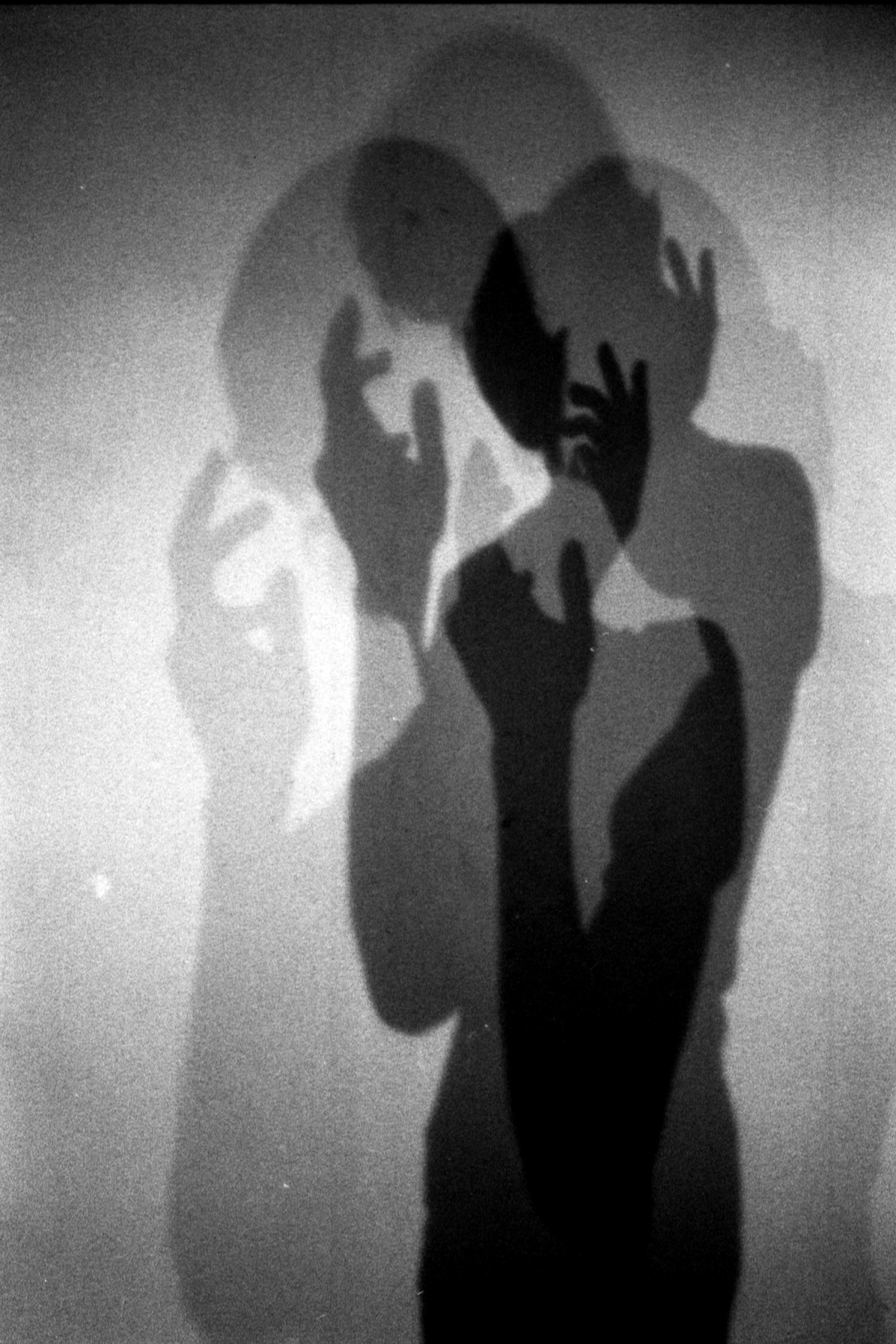
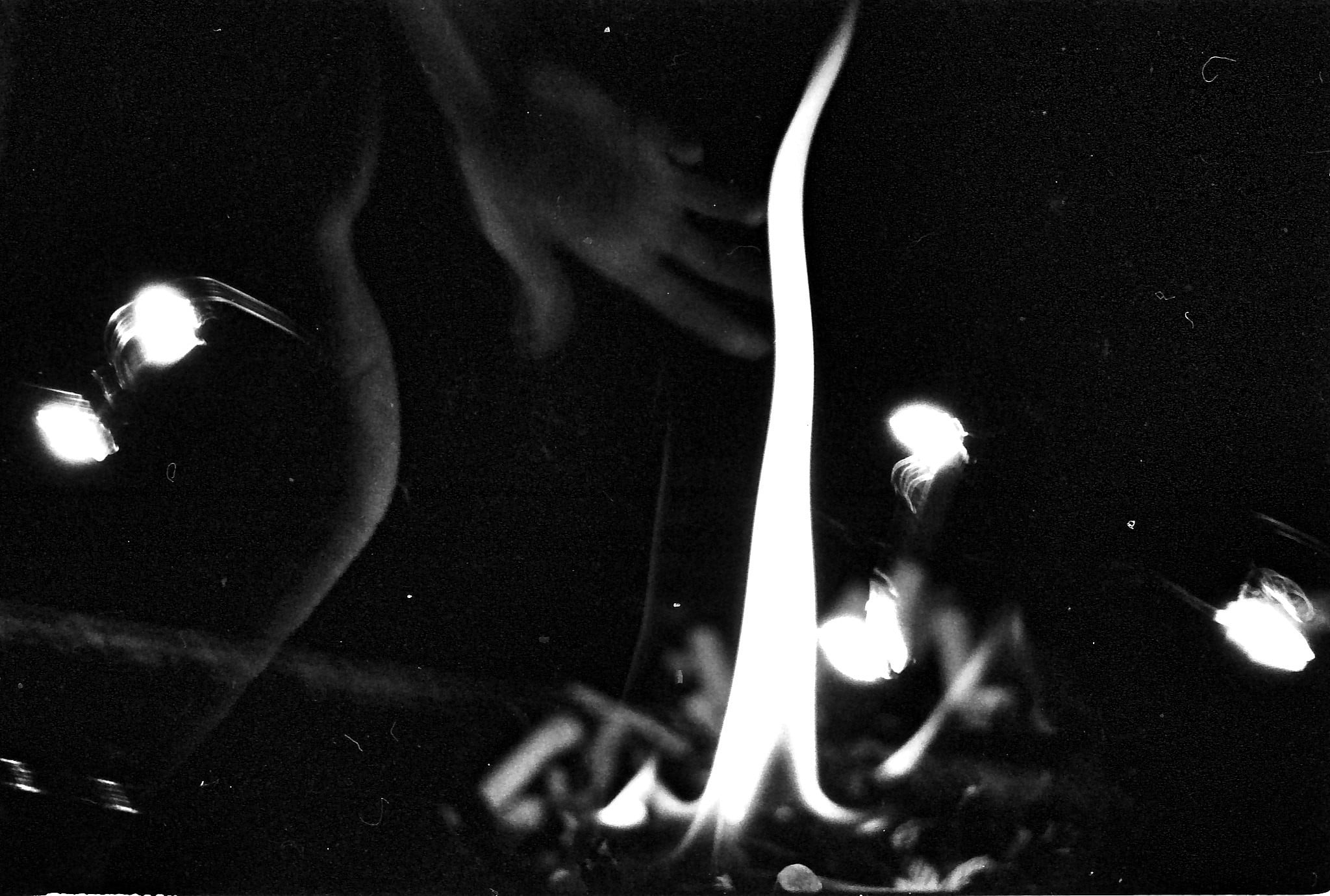
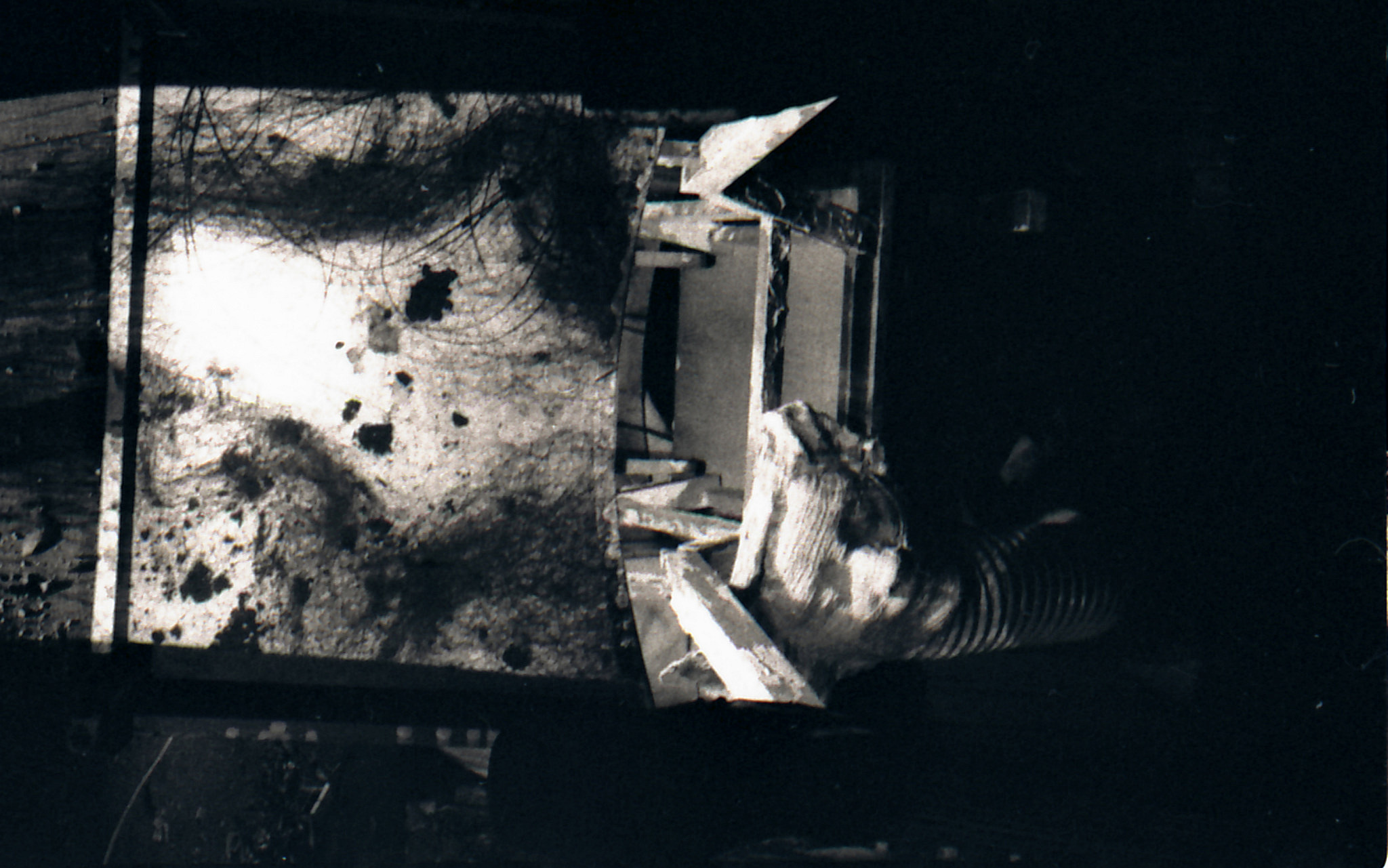
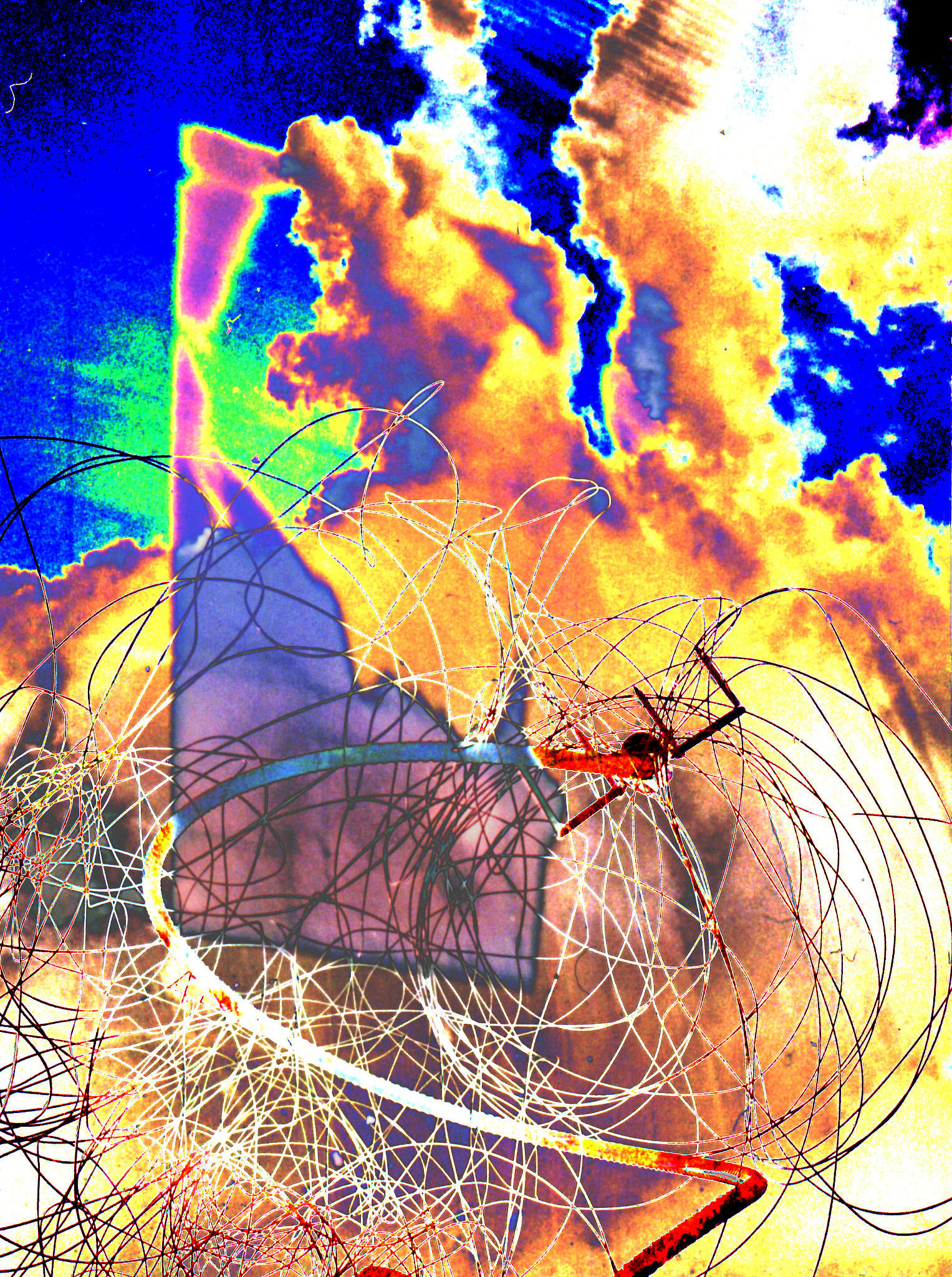
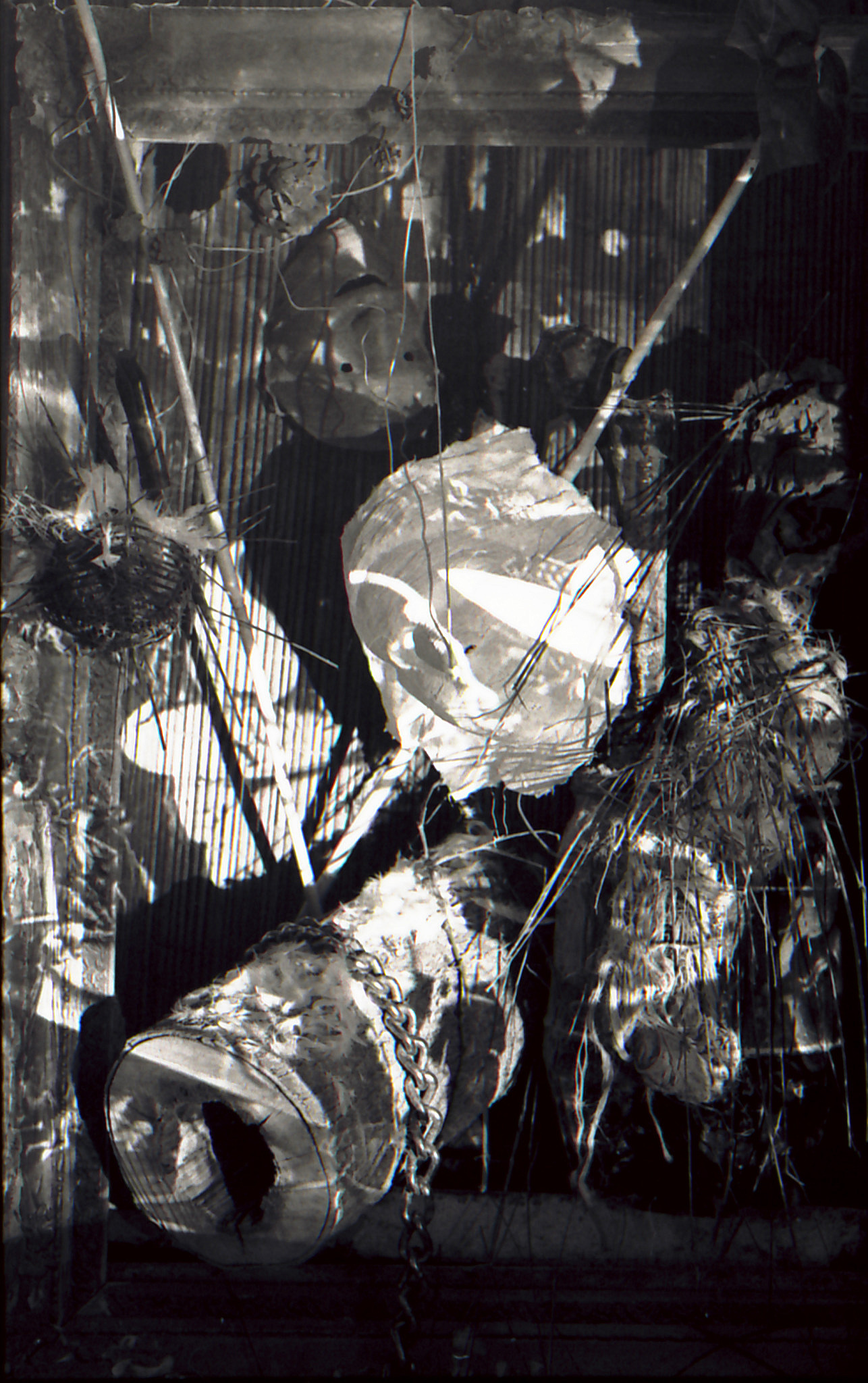
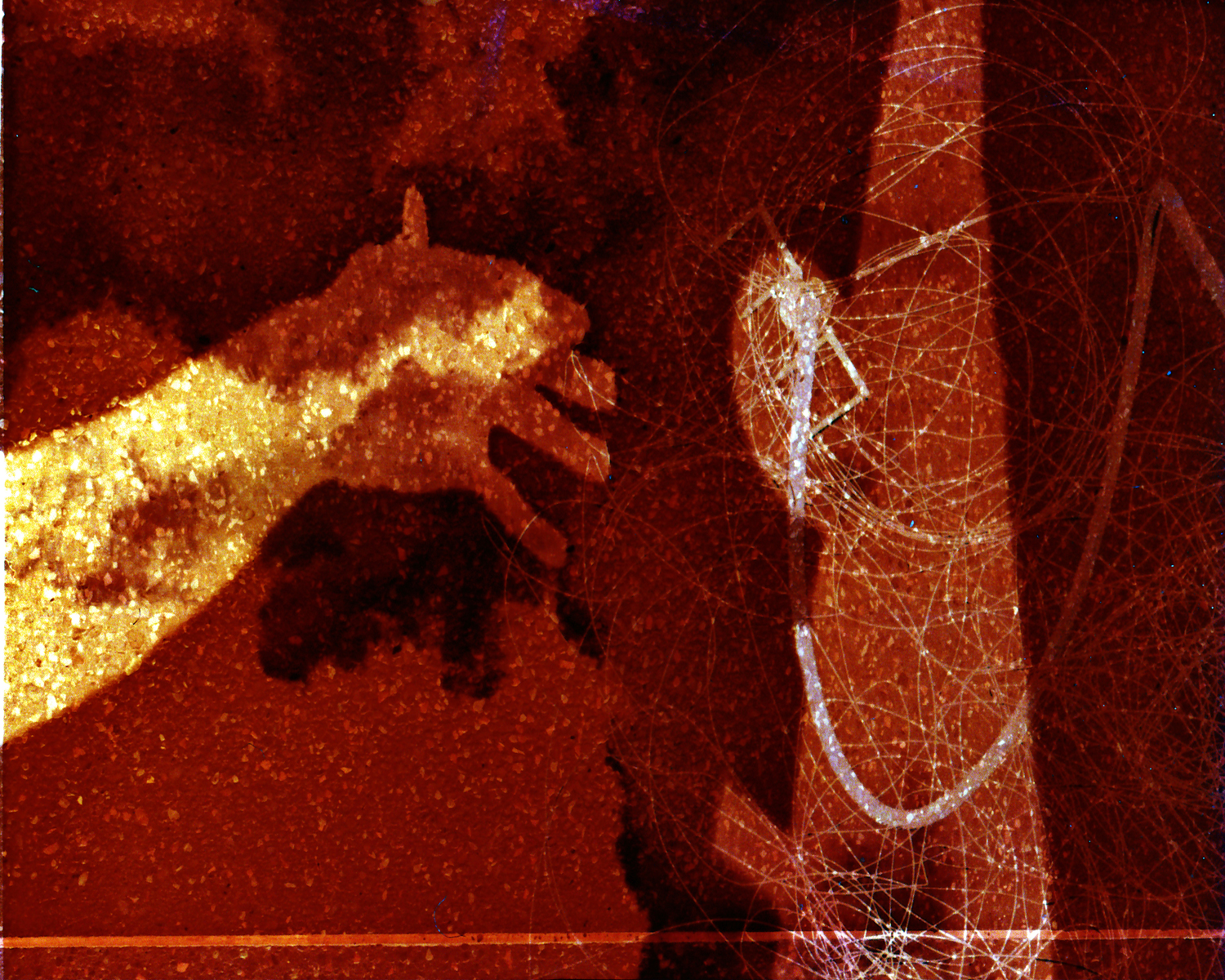
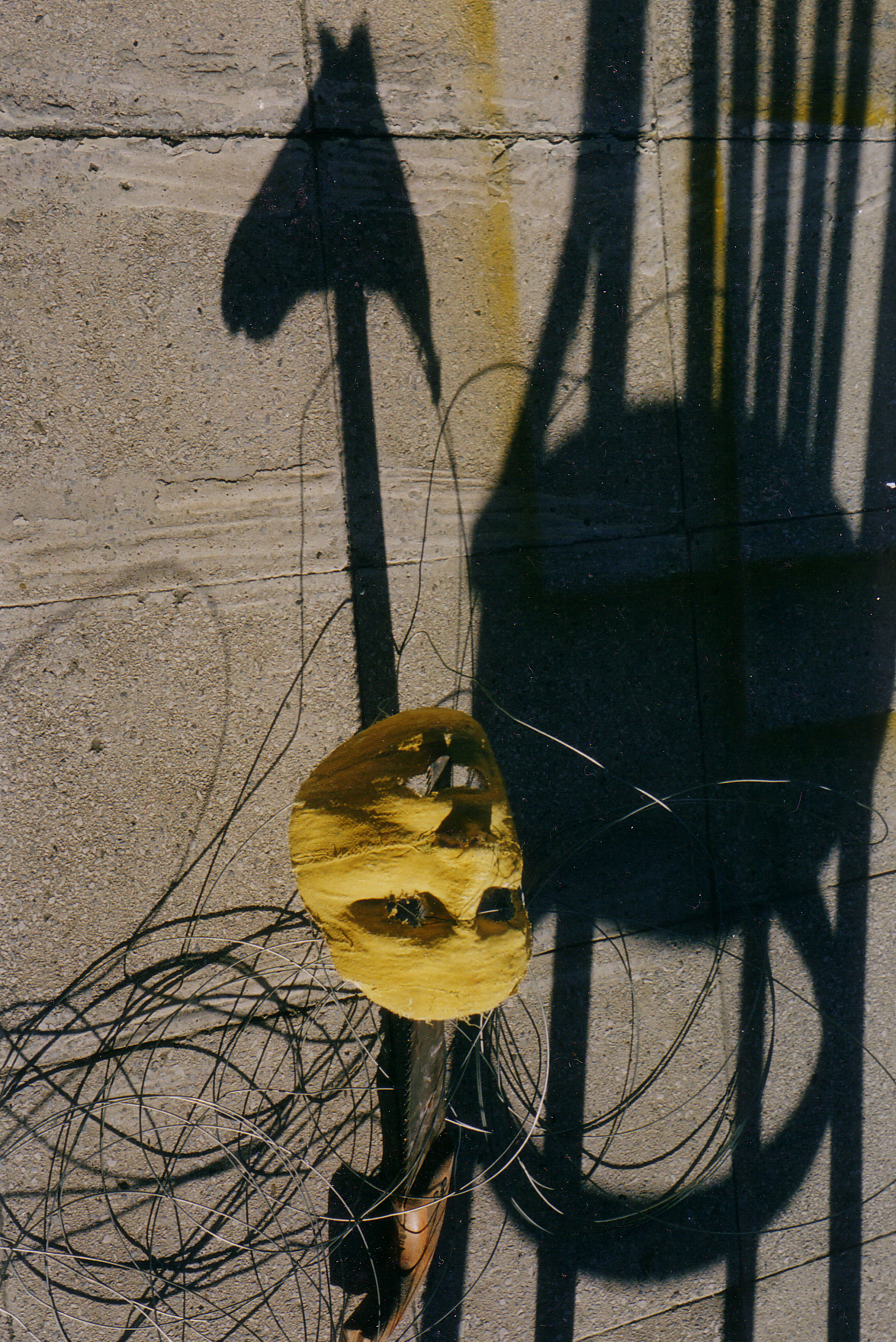
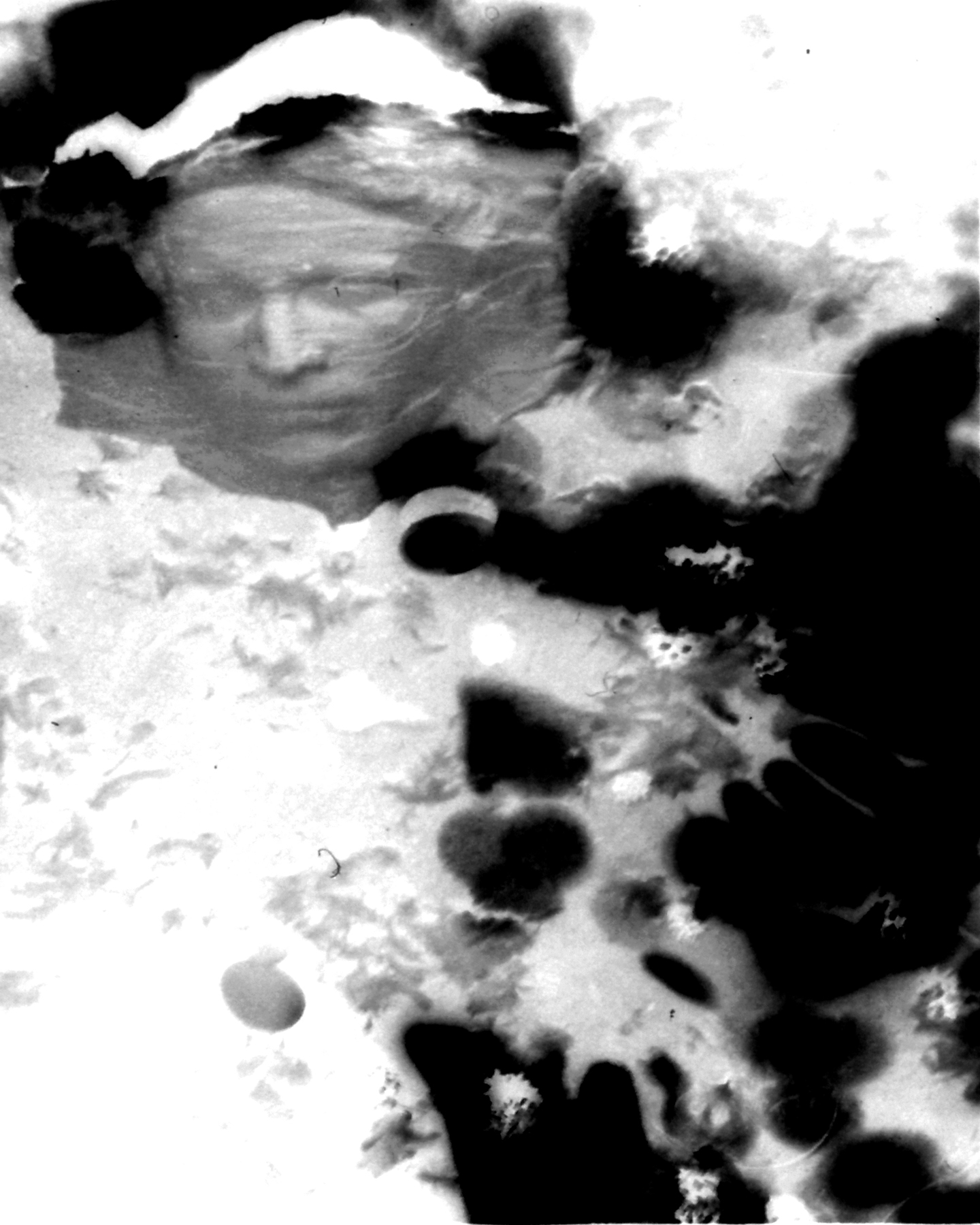
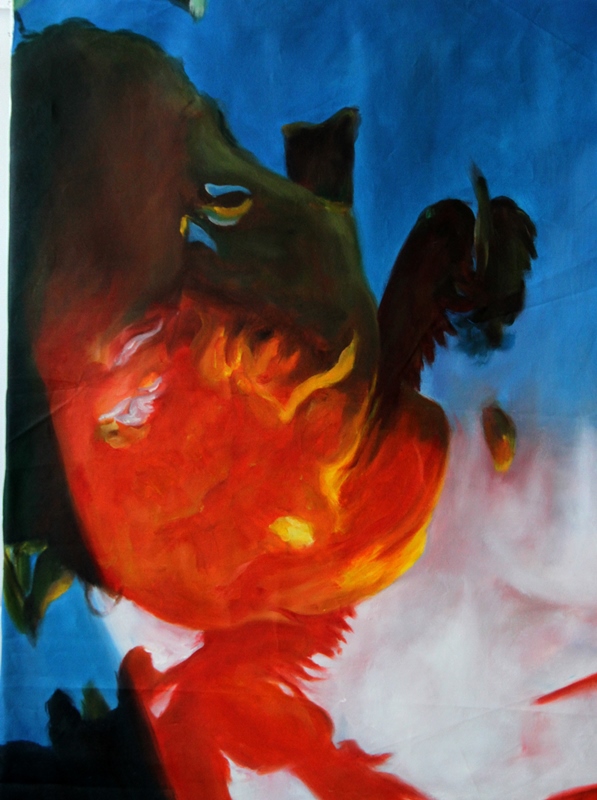
But I’m Still Here I used conceptual photography to show what they did. My work was born from the horror stories the regime tried to bury—especially the Chain Murders, and the long history of torture in Iran’s prisons. Those shadows became my subject. Art became my protest.
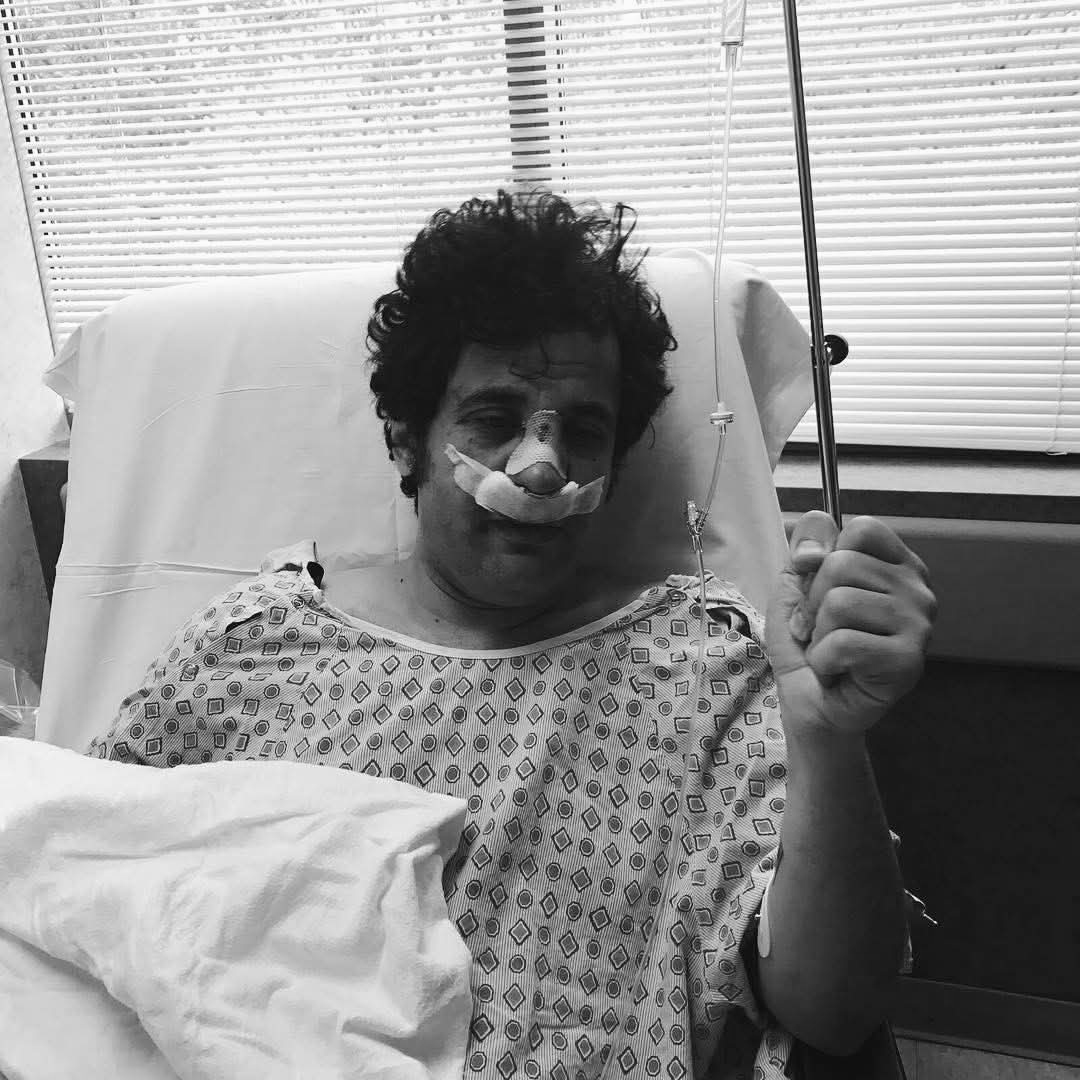
In 2017, in New York, I underwent surgery to repair my broken nose—finally undoing, at least in part, the damage they inflicted in Evin. I shared that photo not for pity, but proof. The regime left a mark on my face. I turned it into a statement.
They tried to erase me. I was recognized by the United Nations. Homeland Security confirmed it all. And still, even in New York, regime sympathizers attacked me.
But I’m not in Iran. And yes—the regime’s hired prostitutes and attacked me in New York. But I’m still alive. Still writing.
They failed.
This Will Be Over Too In Evin, I scratched a line of Hafez onto the wall: > “The roundabout didn’t go our way for two days > It shouldn’t always be the same, now is the time of sorrow.”
دورِ گردون گر دو روزی بر مرادِ ما نرفت
دائماً یکسان نباشد حالِ دوران غم مخور
And the line every Iranian prisoner knows: This will be over too.
این نیز بگذرد
I won’t forget Zahra Kazemi. Or the women screaming behind Quran recitations. The students. The 17-year-olds. The neighbors who never came back. The artists. The photographers. The ones who resisted, like I did. Like Kazemi did.
There are no monuments for them. So this is mine.
They tried to sculpt pain into surrender.
They failed.
“Hey you bastards, I’m still here.” That’s not just a line from Papillon. That’s the anthem of every political prisoner who lived to speak again.