

Seeing Is Believing: Visit Israel Before Judging It
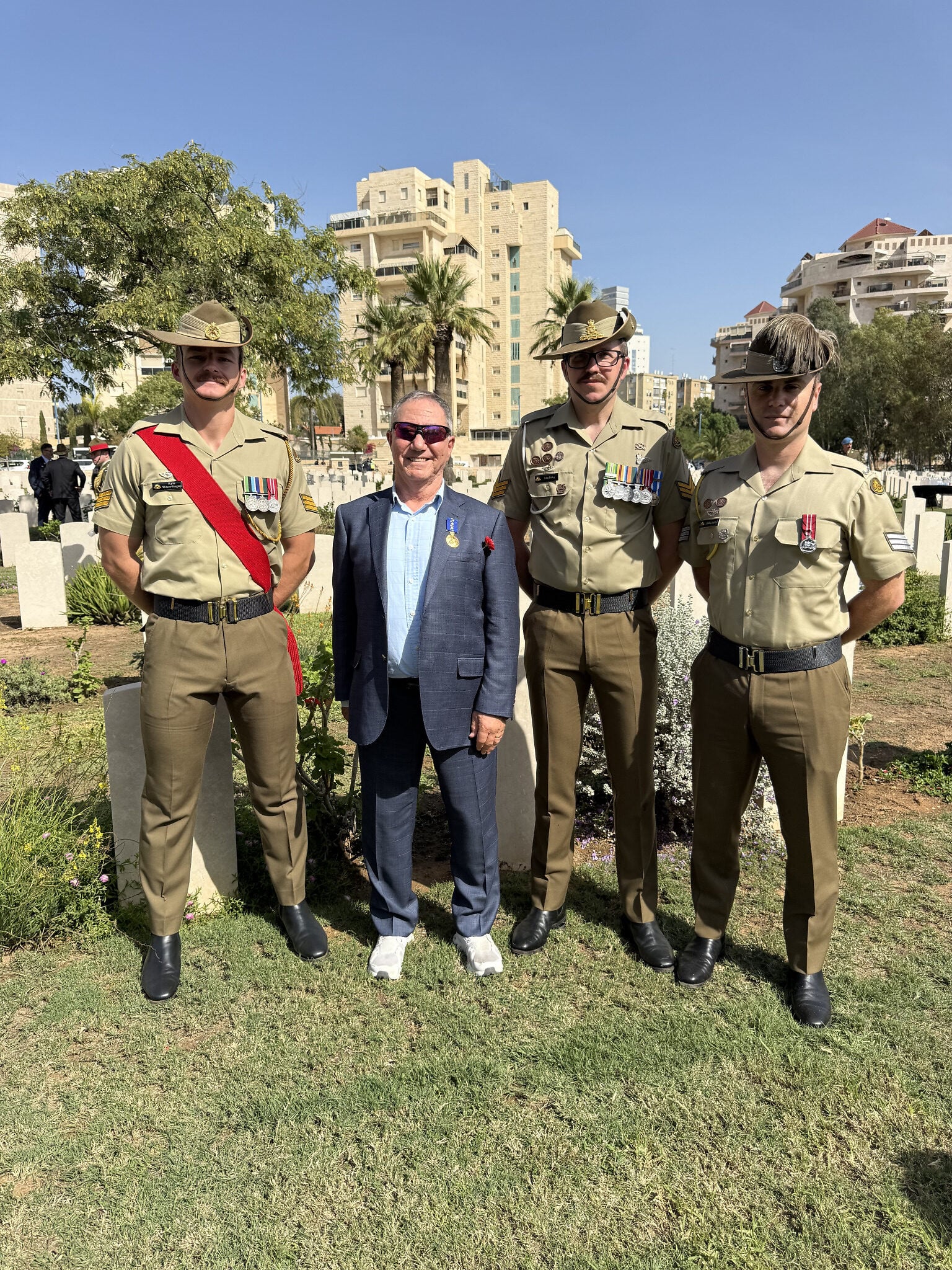
109 years after Australian soldiers charged Beersheba, a new Australian delegation has returned to fight a different battle: the battle for truth.
This time, their weapons are not rifles or horses, but open minds, firsthand experience and the courage to challenge misinformation about Israel.
Seeing is believing.
I grew up in Australia, proudly represented my country in international sport and have spent much of my life in Israel, bringing people together across religious and cultural divides.
If there is one lesson I have learned, it is that there is no substitute for meeting people face to face.
This is particularly true of Israel, a country constantly discussed, criticised and condemned by people who have never set foot here.
When history becomes real
On 31 October 1917, the Australian 4th Light Horse Brigade captured Beersheba from Ottoman forces in one of the most remarkable mounted charges of the First World War. New Zealand troops and other Allied forces played an important role in the battle.
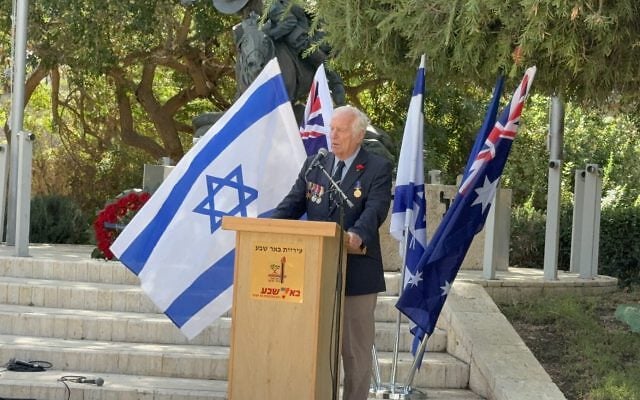
Recently, members of the Australian 2023 Foundation delegation visited Beersheba to commemorate the battle’s 109th anniversary.
Standing on the battlefield and visiting the Commonwealth War Cemetery, ANZAC Memorial and Australian Soldier Park, history suddenly became real.
The graves, memorials and surrounding desert tell a story no textbook can fully convey.
You can read about history, but standing where it happened gives you an understanding that words alone cannot provide.
The same principle applies to understanding Israel today.
Australians who know the cost of war
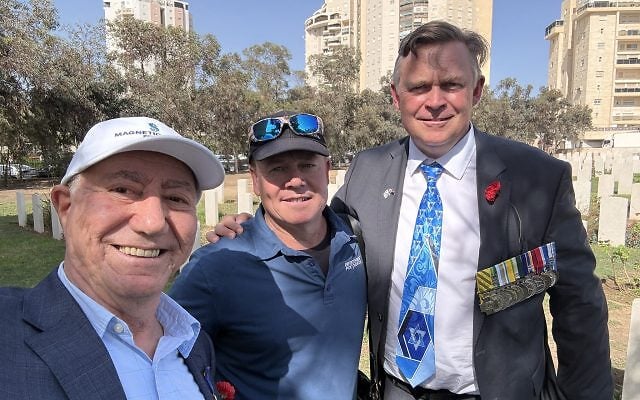
The 2023 Foundation was established by Colonel Michael Scott CSC, a highly decorated Australian Army officer who served for 32 years, including with the United Nations in the Middle East, where he was based in Jerusalem.
Michael, who is not Jewish, believes that combating antisemitism requires education, firsthand experience and the courage to challenge misinformation.
His message is powerful:
“Antisemitism is a global problem, not just a Jewish problem.”
Alongside Michael is the Foundation’s Chair, Carol Tannous Sleiman, a Lebanese Maronite Christian Australian, local councillor and prominent business and community leader.
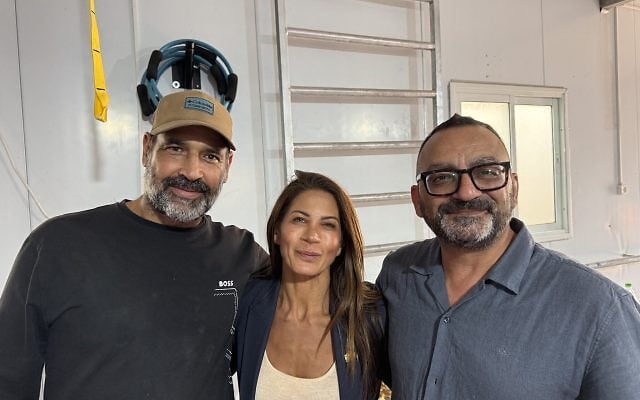
Carol’s involvement demonstrates that confronting antisemitism and building bridges with Israel are responsibilities extending far beyond the Jewish community.
What makes this delegation particularly remarkable is its participants.
Most are non-Jewish Australians, including many military veterans who served in Afghanistan, Iraq, Cambodia and East Timor.
These men and women understand war through personal experience. Some returned with permanent injuries, including a former Australian commando who lost both legs in Afghanistan.
They know the cost of conflict, the meaning of sacrifice and the challenge of rebuilding lives after trauma.
Their experiences give them a particular understanding of the resilience of Israelis recovering from the devastation of October 7.
They have not come merely to hear about Israel. They have come to see it for themselves.
The Israel you don’t see on television
The delegation has travelled from Jerusalem to communities devastated by the October 7 attacks, from Beersheba to northern Israel.
They have witnessed destruction, met Israelis rebuilding their lives and encountered the extraordinary resilience of people living with continuing uncertainty.
They have seen Jewish, Muslim, Christian, Bedouin and Druze communities, Israel’s achievements and its challenges.
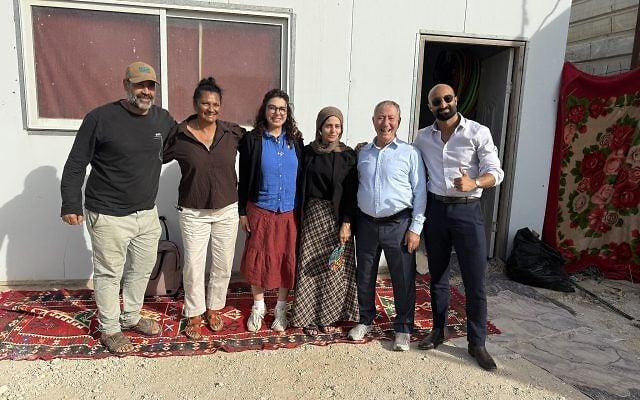
Seeing Is Believing: Why the World Needs to Visit Israel Before Judging It
Israel is far from perfect. We have deep political divisions, social inequalities, security challenges and difficult questions about our relationship with the Palestinians. Palestinian suffering deserves recognition too.
But Israel is far more complex than the slogans dominating international headlines.
Accusations of apartheid and genocide are central to international debates about Israel. These serious, contested allegations deserve careful examination of evidence, not unquestioning acceptance of political slogans or social media narratives.
A visit cannot resolve every legal dispute, but firsthand experience can challenge stereotypes, expose misinformation and reveal realities that rarely fit into headlines.
The truth about Israel cannot be captured in a 30-second video or a sensational headline.
You need to walk its streets, listen to its people and experience its complexity firsthand.
Why non-Jewish voices matter
We need more non-Jewish Australians to visit Israel.
Not only politicians and journalists, but teachers, sporting figures, businesspeople, military veterans and community leaders.
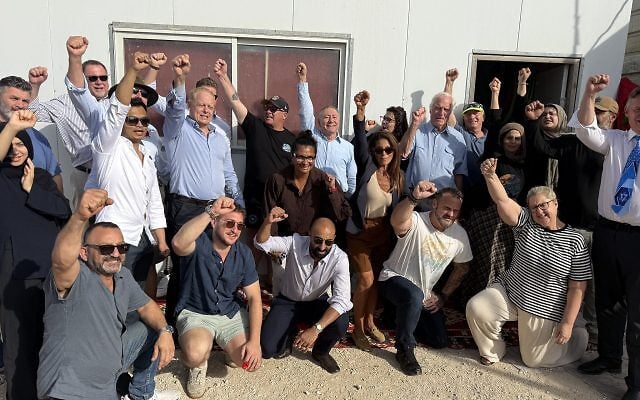
People who can return home and say:
“I have been there. I have walked those streets. I have spoken to the people. I have seen the suffering, diversity and resilience with my own eyes.”
When Israelis speak about Israel, their views may be dismissed as biased. When Jewish Australians confront antisemitism, some may see them as defending their own community.
But when non-Jewish Australians, including Michael Scott and Carol Sleiman, speak from firsthand experience, their voices can reach audiences that might otherwise remain closed.
And when decorated military veterans speak about war, suffering and resilience, their personal experiences carry particular weight.
From seeing the truth to speaking up
Sport taught me that the person standing opposite you is not necessarily your enemy. Sometimes, the person you compete against becomes a lifelong friend.
Understanding begins with personal contact, not distant judgement.
We cannot expect everyone to agree with Israel’s policies. Nor should we. But opinions should be grounded in evidence, genuine conversations and a willingness to question what we read and hear.
The real success of the 2023 Foundation’s mission will not be measured by what its delegates saw in Israel, but by what they do with that knowledge when they return to Australia.
Will they challenge antisemitism? Question misinformation? Speak up when Israel is reduced to a caricature rather than recognised as a complicated country of real human beings?
A century ago, Australian soldiers crossed the desert towards Beersheba and helped change history.
Today, another group of Australians, many of whom have themselves faced the dangers of war, has crossed the distance between our countries with a different mission.
Their challenge is not to conquer territory, but to challenge ignorance.
Seeing is believing. But having the courage to tell others what you have seen is what makes the difference.