Shares of Time – Emor 5786
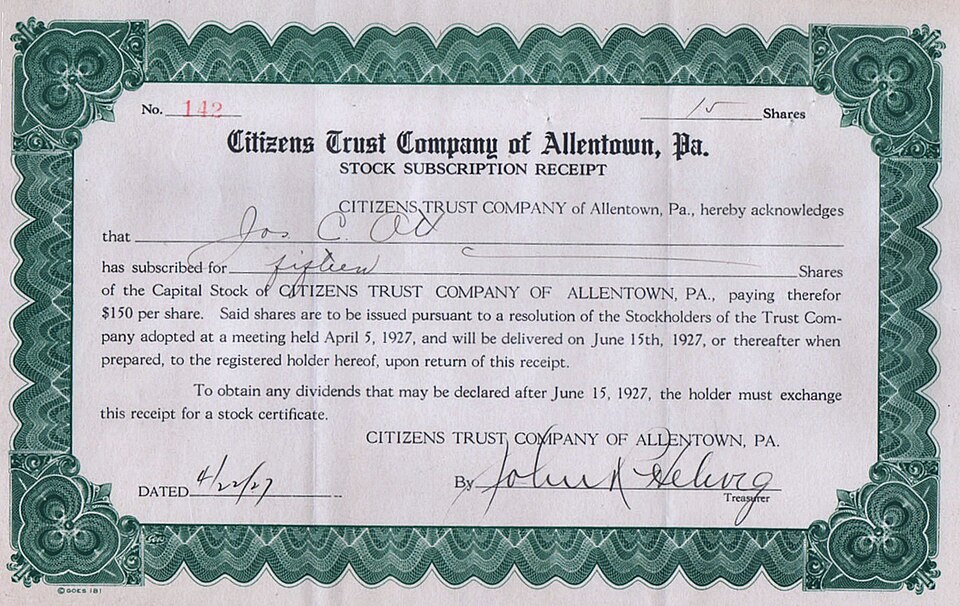
A couple of months ago, I became a shareholder.
Now, before anyone gets too excited, I should clarify: I bought one share. One share of Citizens Bank.
https://commons.wikimedia.org/wiki/File:The_School_of_Athens_by_Raffaello_Sanzio_da_Urbino_in_Vatican.jpg
It cost me $68.04.
I am now a proud owner of Citizens Bank — or at least a proud owner of one tiny piece of Citizens Bank.
Now, you might ask, why did I do that?
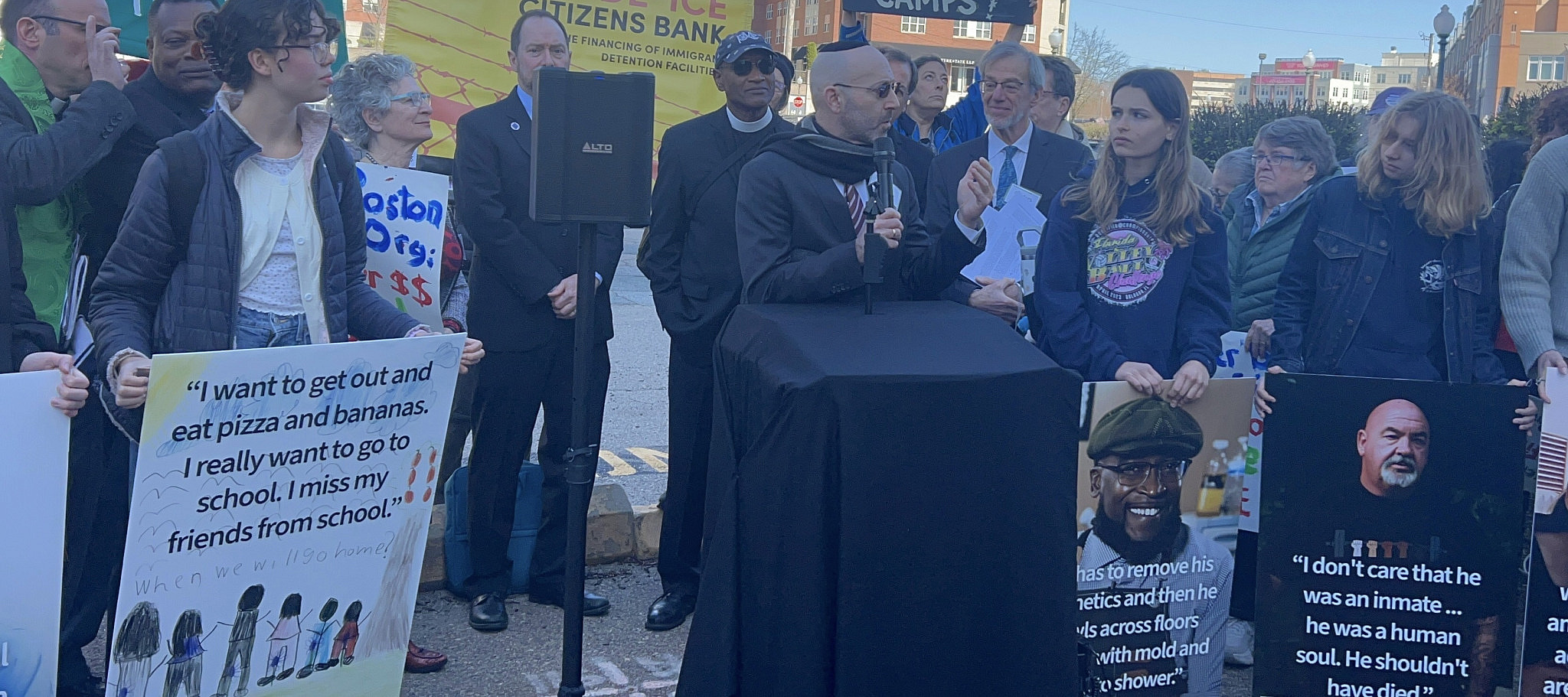
Well, if you are a shareholder, you can go to the Annual Shareholders Meeting at Citizens’s main headquarters in Providence, which is exactly what a group of lay leaders, clergy, and I did on Thursday, April 23.
Seven of us went because of Citizens Bank’s financing relationships with CoreCivic and the GEO Group, two for-profit prison companies connected to ICE detention facilities.

The GBIO – Greater Boston Interfaith Organization, which Emunah’s social justice community is part of, and the De-ICE Citizens Bank Coalition have been calling on Citizens to end those financial relationships.
There was lots of energy. Outside, there was a large protest — led by the De-ICE Citizens Bank Coalition, Brown University students, and members of the GBIO team. My son was there with other students. That was nice.
We were excited for this action. But, as we walked in wearing suits, people thought we were shareholders, which… we were.
In the confusion, we got an unwelcome reception.
Thankfully, the press conference we held afterward clarified things.
So, apparently, not many people attend these shareholders’ meetings.
There were lots of corporate staff and the new board that was being elected.
And proxy representatives who represent most shareholders.
The CEO gave a presentation.
 There were charts, numbers, corporate language, profit, and growth. Although I have lost $5 so far on my share…
Then, this highly formalized ritual ended, and there was time for Q and A. We were the only ones with questions.
We asked about Citizens Bank’s relationship with CoreCivic and GEO Group.
One of our questions asked about reputation risk and customer trust. If integrity and trust are core values of the Bank, as they state, why continue relationships that so many customers experience as morally problematic?
We also asked when companies face investigations, fines, lawsuits, and serious allegations of detainee mistreatment, at what point does Citizens decide that lawful is not the same as moral, and exit the relationship?
CoreCivic and the GEO Group have operated ICE detention facilities where people have died, where official reports, lawsuits, settlements, and investigations have documented or alleged delayed medical care, mental-health failures, assault, sexual abuse, forced labor, and other forms of mistreatment.
And this system has not harmed only immigrants; even U.S. citizens have been wrongfully swept into ICE detention.
The CEO was evasive.
We asked for a meeting.
We did not receive a clear yes in the meeting, so after it ended, we pressed again and eventually received an agreement in principle.
We gave them a week.
Then, three minutes before the deadline this past Thursday, we were told they needed more time.
A major financial institution can move enormous sums of money. It can make decisions that affect communities, families, and people locked behind walls. But when clergy ask for a meeting, suddenly it needs more time.
So we are acting.
The GBIO now has 11 member congregations, organizations, and individuals, who have committed $14.3 million, which will be withdrawn without action from Citizens.
So join us on Monday at noon at the Citizens Bank branch at 607 Boylston St. in Boston, when we withdraw our first million.
*****
That brings me to Parashat Emor, this week’s Torah portion, which speaks about the calendar, holidays, and sacred time.

The Torah says: (Lev. 23:2)
דַּבֵּר אֶל־בְּנֵי יִשְׂרָאֵל וְאָמַרְתָּ אֲלֵהֶם
מוֹעֲדֵי יְהוָה אֲשֶׁר־תִּקְרְאוּ אֹתָם מִקְרָאֵי קֹדֶשׁ
אֵלֶּה הֵם מוֹעֲדָי׃
“Speak to the Israelite people and say to them: These are My fixed times, the fixed times of Adonai, which YOU shall proclaim as sacred occasions — these are My fixed times.”
Notice the subtlety here.
They are מוֹעֲדֵי יְהוָה — God’s appointed times when we connect to the Divine.
But they become holy through YOU אֲשֶׁר־תִּקְרְאוּ אֹתָם — “which YOU shall proclaim.”
We are given the possibility of sacred time.
But we have to proclaim it.
Our great 11th-century French commentator, Rashi, writes:
שֶׁמְּעַבְּרִים אֶת הַשָּׁנָה עַל גָּלֻיּוֹת שֶׁנֶּעֶקְרוּ מִמְּקוֹמָם לַעֲלוֹת לָרֶגֶל וַעֲדַיִן לֹא הִגִּיעוּ לִירוּשָׁלַיִם
“‘[The court] may add an extra month to the year for the sake of those in exile who have already left their homes to ascend for the festival pilgrimage but have not yet reached Jerusalem.”
In other words, sacred time has to work in the real world.
It must also take into account real people trying to reach Jerusalem. Rashi adds: (Lev. 23:4)
לְמַעְלָה מְדַבֵּר בְּעִבּוּר שָׁנָה,
וְכָאן מְדַבֵּר בְּקִדּוּשׁ הַחֹדֶשׁ
“Before the Torah was speaking about adding a month to the year; here, it is speaking about sanctifying the new month.”
So Rashi gives us two dimensions of human agency.
First, the court may even adjust the year so the festivals can be observed by the people.
Second, the court sanctifies the new month, which sets the holidays in motion.
That is a powerful theology: sacred time might begin in spiritual realms, but it is entrusted to human hands.
The Mishnah describes the process by which sacred time was created.
Witnesses would see the new moon and come before the court in Jerusalem.
The court would examine them.
Did they really see it?
And then it was declared.
רֹאשׁ בֵּית דִּין אוֹמֵר: מְקֻדָּשׁ,
.וְכָל הָעָם עוֹנִין אַחֲרָיו: מְקֻדָּשׁ מְקֻדָּשׁ
“The head of the court says: ‘It is sanctified,’ and all the people answer after him: ‘It is sanctified, it is sanctified.’”
That one word — מְקֻדָּשׁ — sets the calendar in motion.
If that day was declared Rosh Ḥodesh Nisan, the New Moon of the month of Nisan, then Pesaḥ will fall two weeks, Shavuot 7 weeks later, all flowing from human testimony and human declaration.
We say this in our blessings.
On festivals we recite: מְקַדֵּשׁ יִשְׂרָאֵל וְהַזְּמַנִּים — God sanctifies the people of Israel and the holy times.
The Talmud explains that Israel cannot sanctify Shabbat, but Israel does participate in sanctifying the festivals.
Rashi explains:
שֶׁעַל יְדֵי קְדֻשַּׁת יִשְׂרָאֵל נִתְקַדְּשׁוּ הֵם,
שֶׁאִלּוּ לֹא נִתְקַדְּשׁוּ יִשְׂרָאֵל,
לֹא הָיוּ קוֹבְעִים חֳדָשִׁים וְקוֹרִין מוֹעֲדִים בְּבֵית דִּין
“Through the sanctity of Israel, the seasons are sanctified; for if Israel had not been sanctified, they would not establish the months and proclaim the festivals in court.” (See Beitzah 17a)
That is a profound theology:
God teaches: “My holidays are in your hands.”
And this is not only about prioritizing time.
It is about human agency.
The Torah is telling us that human beings are not passive before history.
https://commons.wikimedia.org/wiki/File:The_School_of_Athens_by_Raffaello_Sanzio_da_Urbino_in_Vatican.jpg
We do not merely watch the moon.
We witness it, interpret it, testify about it, and declare what it will mean.
Ancient peoples all looked to the heavens.
They built sophisticated calendars based on the sun and the moon.
Judaism adds a moral claim: human beings must look, deliberate, and act.
That is what we were trying to do at Citizens Bank. We were not pretending that one share changes the world.
But we were refusing to be passive.
At this moment in American history and Jewish history, there are MANY causes that need our help, our hands, our voices.
And we can do something.
And I say this knowing that I do not always live this way. I don’t align my shares of time with the values I strive for.
Email takes time.
Logistics take time.
Meetings take time.
Worry takes time. (I spend way too much time on this one…)
But the real question is: did I make time holy?
Did I use time for Torah study and learning?
For friends and family?
For justice?
For someone who needed a visit, a call, a minyan, a presence?
***
Do we make time to cry out for justice? I hope so.
Do we make time to study Torah? I hope so.
Do we make time for our children, parents, spouses, and friends? I hope so.
Do we make time to come to minyan so someone can say Kaddish? I hope so.
But, of course, it’s not so easy.
It’s easy to get sucked into the many distractions in our modern world.
But Emor reminds us: time is in our hands.
Our task is to choose one piece, one share of time, and say, with our actions: מְקֻדָּשׁ.

This hour is for Torah.
This evening is for family.
This morning is for justice.
This moment is for showing up.
Because holiness in time does not only descend from heaven.
It waits for us to proclaim it.
And when powerful institutions say, “We need more time,” our tradition asks: what will we do with our shares of time?
Will we let time pass, or will we make it holy?
מְקַדֵּשׁ יִשְׂרָאֵל וְהַזְּמַנִּים — God sanctifies Israel, and then Israel sanctifies time.