
She Danced for the Gestapo. Then She Danced the Hora
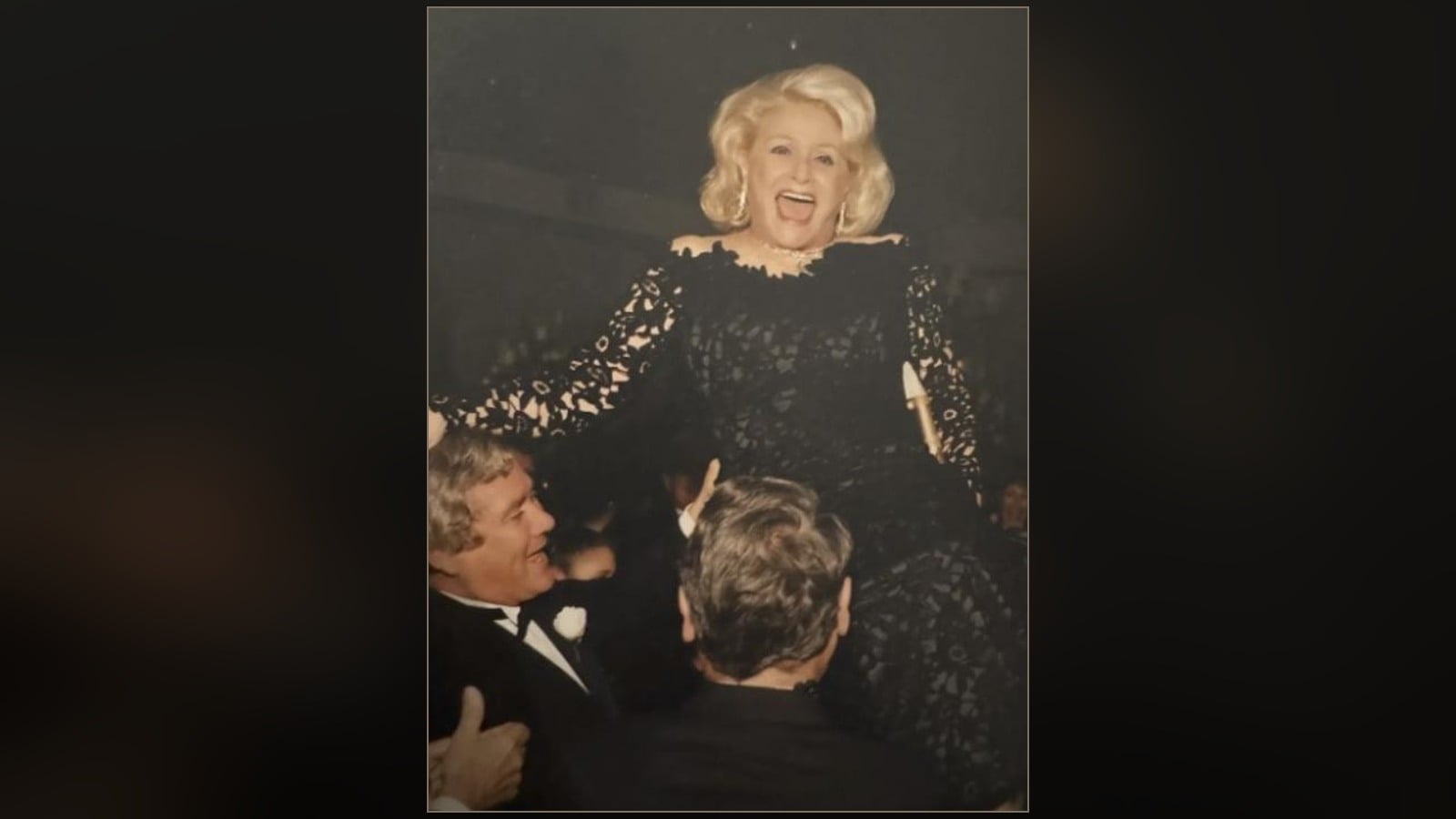
One of my favorite photographs of my mother-in-law, Edna, sits on my desk. She is high above a dance floor, lifted on a chair during the hora. Her platinum curls are immaculate. Her mouth is wide open in a laugh I can almost hear. My husband, Sam, is one of the men holding her up. Edna’s arms are open.
Anyone looking at the picture would see a woman enjoying a family celebration. I see a Jewish child who once had to dance for the Gestapo to stay alive, now dancing openly with her family.
Edna knew the courage of war. She smuggled food into the Warsaw Ghetto at seven and served in the Polish Home Army during the Warsaw Uprising at nine. But the courage I think about most was what came afterward: her willingness to love, celebrate, and build a life while carrying what she had seen.
She was born at 18 Miła Street in Warsaw. On September 1, 1939, Edna was four, playing at her friend Anja’s birthday party when the German invasion shattered the afternoon. She and her sister Miriam escaped the wreckage. Later came the ghetto, hunger, and the journeys through its wall with food concealed under Edna’s coat.
At eight, she crossed to the other side of the wall. She never saw her parents again. Her father was murdered after being sent to Majdanek; her mother died of starvation in the ghetto. Edna and Miriam passed as Polish Catholic orphans under false names. Even then, discovery could mean death.
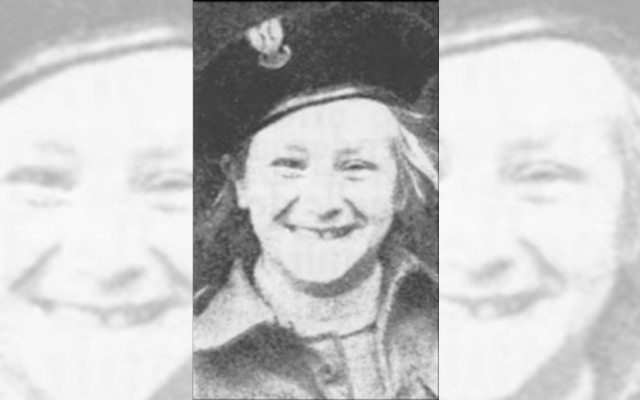
During the 1944 Warsaw Uprising, Edna served under the name Kajtek. She was wounded, decorated on her tenth birthday, and held as a prisoner of war. The cheerful girl in a wartime photograph and the laughing woman on the chair are the same person. There is a lifetime between those images.
After the war, Edna’s brother Yakov and sister Miriam lived with their own memories. Miriam died by suicide in 1978. I cannot know all that either sibling carried, and I would never measure their lives against Edna’s.
Resilience is not a test that some survivors passed and others failed.
Edna, too, lived with the war. She came to Israel in 1951 after years in Europe. She worked with children at Lohamei Haghetaot. In 1953 she married Harry, another survivor. They had sons, then grandchildren. Each step meant trusting that a future was possible, even when the past remained with her.
She loved to dress beautifully. She sang, danced, and drew people close. This was not evidence that she had forgotten. I knew her warmth and glamour alongside the history she carried. Her joy belonged to her; it should not be mistaken for an easy ending.
One story from the war makes the photograph of the hora almost unbearable to me. According to Edna’s account, Miriam was brought to the Gestapo headquarters on Aleja Szucha and told to sinSg to prove she was Polish. She sang, then told the officers that her little sister was an even better performer. Edna came in and tap danced. The sisters obtained identity papers that helped them continue passing as Catholic orphans.
I think about what it required of a frightened child to perform before men who could kill her if they discovered she was Jewish. And then I look again at the photograph on my desk. Decades later, she is dancing at a Jewish celebration, held aloft by the son she and Harry raised.
She no longer has to prove she is someone else.
The Nazis tried to erase Jewish children and the families they might one day have. Edna lived to become a mother and grandmother. Sam is here because she survived. Our children are here. In that photograph, he is holding her up, and she is laughing.
She died in 2019. I miss the sound of that laugh. When I look at her open arms, I see courage for which there was no medal: the daily act of making room for love after a world had shown her how much it could take away.
–
Janet Bond Brill, PhD, is the author of Little Edna’s War, based on her mother-in-law’s Holocaust testimony, published on January 27, 2026, on International Holocaust Remembrance Day. Order Now