
Sheltering with the Four Sons and Daughters
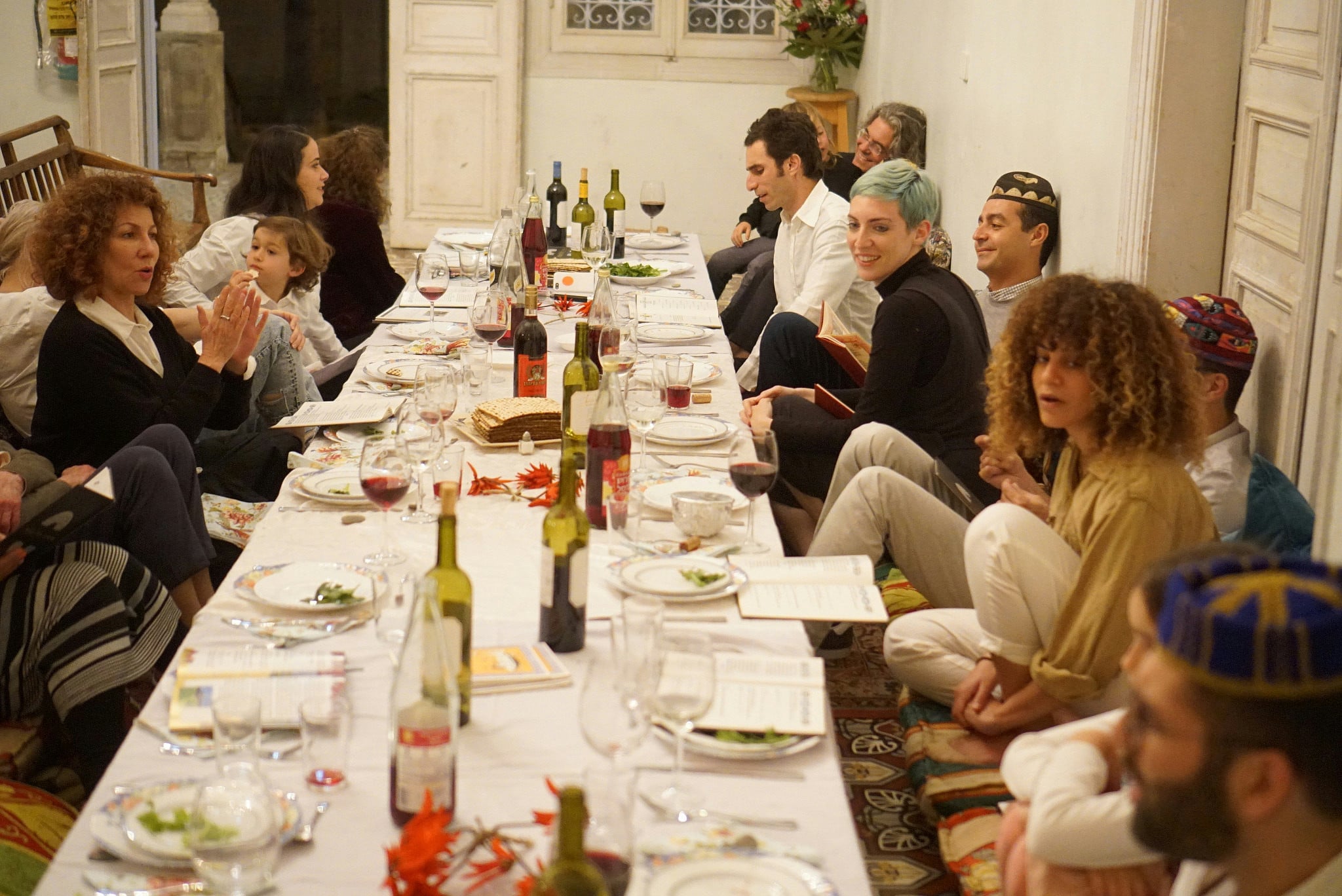
Sheltering in Jerusalem amidst the plagues of missiles and drones, we are also joined by the (Passover Haggadah’s) four sons and daughters. In most shelters, I experience each and all of the four. I suspect that they are coming to your Seder table as well, in person or as ideological presences.
As they make their opinions known, not all are easy guests. While Jewish law uses the term “Av”/parent as an organizing structure, such as the Avot of civil damage or the categories of breaking the Sabbath, here the Haggadah employs the image of sons and daughters – often rude and insistent, but not without charm.
The star son/daughter wants to know and manifest it all. The desire is for the three building blocks of Judaism: The aidot testify to allegiance to our Jewish Peoplehood via the pilgrimage holidays; the hukim are our particular religious practices and life; and the mishpatim are the Jewish quest for Justice and Moral Integrity. These three defining elements of Judaism are definitional for the wise child. They are different and they keep each other in check, and that is very important.
Singular allegiance only to peoplehood can lead to such aberrations as the morally repugnant hilltop youth who attack innocent Palestinian villages; exclusive devotion to religious practices leads to refusal to share defense obligations and, indeed, to no concept of civil duty or employment; and a narrow ideal of justice leads to absurd claims and actions against our own People. As difficult as it is, Peoplehood, Religious Devotion, and Justice must all be manifested together.
The Rasha is the “Bad” son/daughter understood as “evil.” Today, that would be a misleading definition. It is better expressed as one toying with and expressing a potential position which we believe is bad to him/her as a Jew: “What is this Avodah (work) to you?” Exhausted by the threats to our people and the effort that it takes to live Jewishly, s/he considers separating from the Klal, from Jewish unity.
Here, the Av – parent or friend – is obligated to have the serious conversation, to metaphysically knock the Rasha’s teeth out, to state that deliverance will not come by abandonment of the singular eternal people who have gone through the worst, survived and have done great things in every sector of life and civilization, with joy and confidence. To separate from us will be tragic for him/her and for their children. Do the Right Thing! Stay with us!
The Tam is the regular guy/gal who asks, “What is this all about?!” S/he is torn between the active faith of the wise one and the cowardly way of the Rasha. To the Tam we must say: “God has taken us out of Egypt with a strong hand.” And this is the time for all of us to know that God, with our help, can and will do it again. Be Resolute.
The Son/Daughter who is totally out to lunch, who can’t even formulate a question – well, bring them into the Seder action. Open them up by telling your own story of attachment to Judaism and our people. God did all of this for me, with the not so implicit invitation to join in. Engage – we want you!
At this Seder, we need to proclaim our assets — an incredibly talented people, a challenging and nourishing faith, and an unshakable desire for justice. AND, a God who has chosen us, not to cower, but to exalt in his Goodness. Even those sitting in the shelter must be welcomed to the Seder Table. All parents and all of their children are invited.