
Shemini Atzeret: A Lost Holiday of Holding
For my father, Jewish practice was about family.
The son of immigrants who were always working to build their new lives in America after the Holocaust, Shabbat and holidays were often the only opportunities my father had to spend quality time with his own father, and it was an unspoken rule that my brother and I come home for every holiday for us to have the same experience with him. This was even true when we left home for college, and even as we became more traditionally observant and were no longer comfortable driving to shul like we used to be.
However, despite my father’s wishes, I always insisted on spending Shemini Atzeret and Simhat Torah with friends in college or at an NCSY shabbaton. At the time, I saw the final days of the season, not as another opportunity for quality time with family, but as a time to dance and sing with friends.
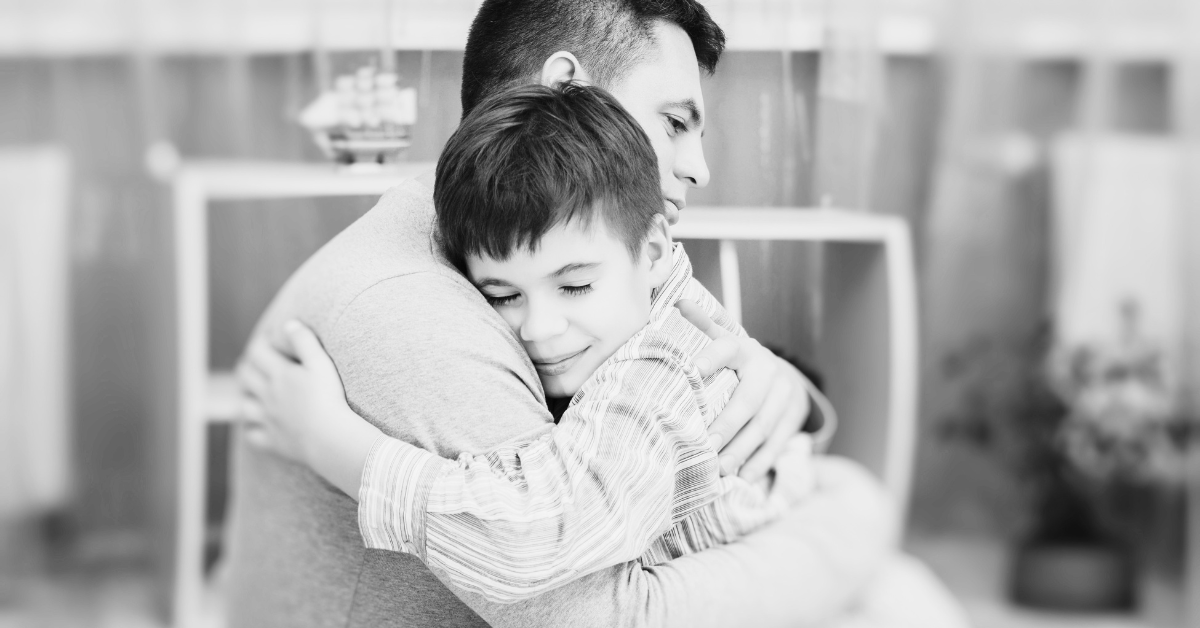
But now, after caring for my father for an entire year as he battled, and ultimately died of cancer — when every hug goodbye lingered for longer than it should have — I realize that I’d missed the powerful, meaningful, joyful experience the theme of Shemini Atzeret could have offered me, if not for the spectacle of Simhat Torah that so often distracts from it.
Shemini Atzeret serves as the end of a long period of extreme togetherness with our families and the Divine, and the beginning of a great “distance” between us, our loved ones, and God. It’s a time of restraint and reflection, and the parable quoted by the Hizkuni that God longs for us as we end the High Holiday season encourages us to recognize that distance and cleave to God. We might also relate to God’s sense of premature longing in the longing we might have for the people in our lives who aren’t normally with us but come home for the holidays and will be leaving soon. The holiday also offers those who recite Yizkor a chance to contemplate the memories of the departed with an intensity that can be difficult to access normally. It might not be a coincidence that the Gemara’s source for the mitzvah of dwelling in the Sukkah “day and night” for seven days is drawn from the seven days the Kohanim spent in the Tent of Meeting in preparation for the inauguration of the Mishkan, only for the eighth day to transform into a day of solemn mourning for the sudden death of Aaron’s sons when Aaron objected to Moshe’s attempts at proceeding with the inauguration festivities. It is an opportunity to treasure our memories and our loved ones for one more day, free from the distractions of extensive ritual obligations and mitzvot.
As Rabbi Sacks observed, Simhat Torah is a powerful expression of Jewish resilience under dreadful circumstances. But nonetheless, the vision of Shemini Atzeret presented here should not be lost in the balagan of Simhat Torah. Rabbi Soloveitchik argued that the fact that the simhah of Shemini Atzeret is defined by the Talmud as the overflow of joy from the Sukkot sacrifices brought earlier in the afternoon implies that while simhah is present on the evening of Shemini Atzeret, it’s not intrinsic to the day itself. Furthermore, as that simhah fades the following day, normal practices associated with ritual simhah like eating meat and drinking wine might not be obligatory the following day. Shemini Atzeret is a blank slate, created with the intention that we fill it with meaningful experiences that will prepare us for whatever lies outside the comfort of Jerusalem and the embrace of our families in the new year. Rabbi Samson Raphael Hirsch described the deeper significance of Shemini Atzeret as follows:
On the eighth day, the sounds of the public rejoicing of the Sukkot festival cease. No longer do we contemplate in a state of rapture the distant future of all mankind’s salvation. Rather, we quietly assemble before God before we return to the reality of the still unrefined, imperfect present. Only then can we return to the service of God of everyday life, for our consciousness has been enriched and elevated by the whole cycle of the festivals, and the spirit that inspired us when we were before God will not depart from us in all the trials that we are likely to face.
For some of us, what we need isn’t a boisterous party but a quieter experience of longing, spending quality time, taking a walk, or even learning with a friend like we do on the other atzeret in the Hebrew calendar, Shavuot. I fondly recall one Simhat Torah when my brother and I had the thought that if this holiday is about celebrating the Torah, we should be learning it too, and promptly left hakafot to learn together.
In the month of Adar, the Talmud implores us to increase in Simhah, but halakhic authorities like the Rambam and the Shulhan Arukh don’t codify any methods for doing so like they do for the month of Av, a month when we are implored to increase in sadness. According to the Nimukei Orah Hayyim, “The reason for the omission of the above rule in the Rambam and Shulhan Arukh is due to the fact that happiness has no concrete guideline and depends on the nature of the individual.” His observation makes it all the more reasonable to recognize the validity of both experiences of joy as appropriate approaches to these final days of the holiday season. Doing so doesn’t mean we’re being “proud” or “haughty” like the Rambam asserts — it just means acknowledging other, equally meaningful and powerful ways to meet the moment that might be more appropriate and effective methods of preparing ourselves for the new year. There is joy in dancing with a loved one, as well as in their intimate embrace. When we love someone, we shouldn’t miss the opportunity for a proper goodbye, holding them quietly and thoughtfully for a few seconds longer — a hug that lingers — not because we don’t know when to let go, but because we don’t want to.
Shemini Atzeret is an eternal reminder that cherishing is holy.