


Short-Term Oil Price Spikes or WWIII
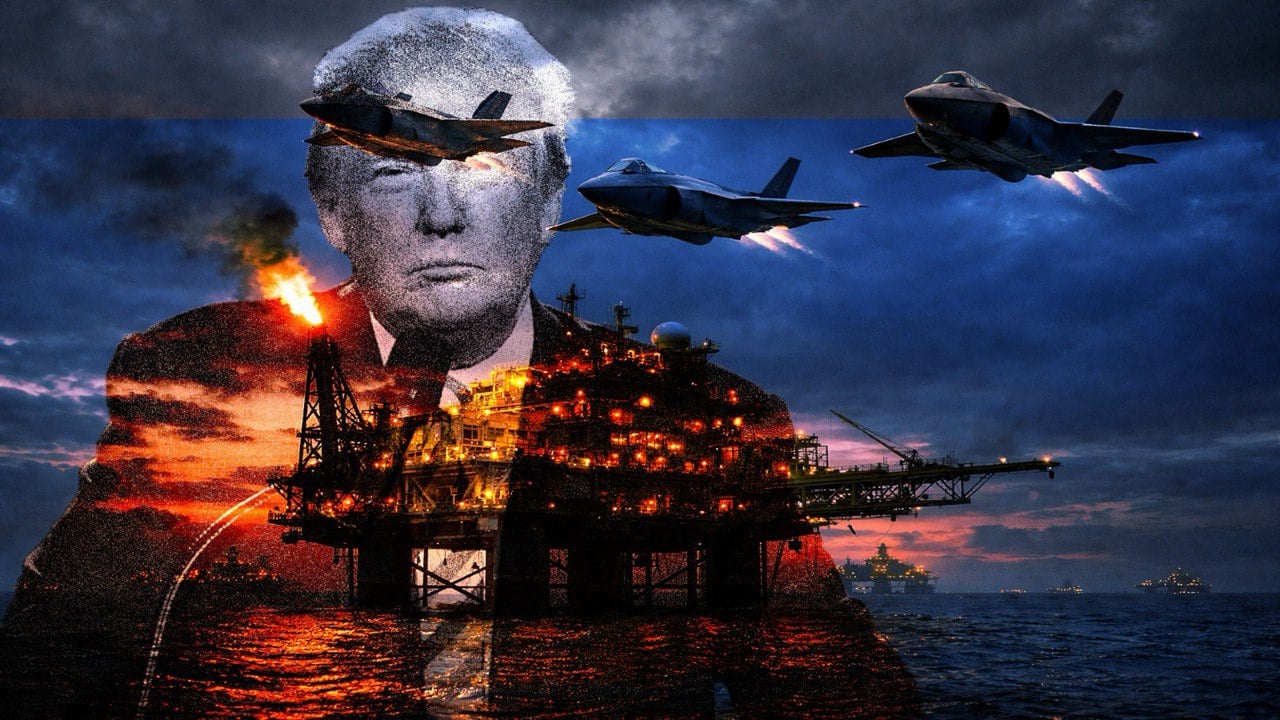
Over the past decades, the Islamic Republic of Iran has played a significant role in intensifying great power geopolitical competition and contributing to regional instability. From the historical rivalry between Britain and Russia in past centuries to China’s entry into Eurasian energy dynamics over the past thirty years, Iran has consistently been a key node in global energy politics. Within this framework, Iran’s energy policies and oil exports have had not only economic consequences but also broad political and security implications, creating serious pressures and strategic challenges for the West and undermining regional stability.
The 2026 Energy Shock and Global Controversy
In March 2026, as oil prices surpassed $100 per barrel following U.S.-led military operations against Iran, a heated global debate emerged. The central question was whether the costs of this situation, including higher fuel prices, inflationary pressures, and disruptions in global supply chains, were justified.
Many mainstream media outlets described the conflict as a dangerous adventure that had triggered the most severe energy shock the world had seen since the 2010s. From this perspective, rising energy prices were seen as a sign of diplomatic failure and the onset of a new era of instability.
However, a more pragmatic and strategic assessment presents a different picture. The military engagement authorized by President Donald Trump, according to some analysts, was not only defensible but also a preventive measure against larger crises. Had the United States not acted decisively in the Middle East, the course of the war in Ukraine, China’s strategic calculations regarding Taiwan, and even global stability could have shifted dangerously. Within this framework, higher oil prices, though painful, can be viewed as a short-term cost to maintain global deterrence.
Energy: The Lifeline of Revisionist Powers
The core of this argument lies in the fact that energy remains the lifeblood of modern revisionist powers. Russia’s full-scale invasion of Ukraine in 2022 demonstrated how energy revenues can sustain a protracted war.
Moscow’s ability to redirect oil exports to countries like India and China, even at discounted prices, allowed Russia to finance its war machine, while Western sanctions were insufficient to halt the process entirely.
By early 2025, high oil prices had inadvertently increased Kremlin revenues, enabling continued artillery strikes, drone operations, and troop mobilization, slowing Ukraine’s counteroffensives.
Iran’s 2026 Crisis
During this period, Iran’s nuclear program reached a critical stage. Reports indicated that Tehran had accumulated sufficient enriched uranium to move closer to weapons capability. Simultaneously, Iran’s military cooperation with Russia, including the transfer of drones and missile systems, directly affected the battlefield in Ukraine.
Targeted strikes on Iran’s nuclear and military infrastructure, coordinated with Israel, pursued two objectives: mitigating the immediate nuclear threat and disrupting the emerging Moscow-Tehran-Beijing axis, which had been forming as a strategic partnership.
Impact on the Ukraine War
The strategic consequences of these developments are most visible in Ukraine. While higher oil prices put pressure on the global economy, they also altered Russia’s financial and logistical capacities.
Measures such as the release of U.S. strategic oil reserves, easing certain export restrictions, and securing shipping routes through the Strait of Hormuz prevented a total collapse of the energy market.
Simultaneously, Iran’s engagement diverted some of its industrial and military resources away from supporting Russia, slowing Russia’s replenishment of military losses and creating opportunities for Ukraine and its allies.
Without these developments, Russia could have benefited simultaneously from high energy revenues and continued Iranian military support.
Strategic Message to China and the Taiwan Issue
A second dimension of this crisis relates to East Asia and Taiwan. Chinese leaders closely monitor global developments and base their strategic timing on assessments of U.S. resolve and capability.
Had Iran crossed nuclear red lines without consequence, it might have signaled a weakening of U.S. deterrence, potentially emboldening Beijing regarding Taiwan. In contrast, decisive military action against Iran sent a clear message: the United States is willing to act to defend critical red lines even at the cost of domestic economic pressure. This signal plays a vital role in reinforcing deterrence.
Furthermore, China’s heavy dependence on energy imports means that any disruption in Middle Eastern energy flows adds additional pressure on Beijing’s strategic calculations.
Risk of Broader Global Conflict
Behind these developments lies the risk of a wider global confrontation. Increasing military and technological cooperation among Russia, Iran, China, and other states indicates the formation of a network of strategic partnerships.
Had Iran reached nuclear capability unimpeded, it could have accelerated nuclear proliferation, destabilizing the global security environment. While risky, the preventive military intervention is seen by its proponents as an effort to contain this trend in a limited fashion.
Economic Costs and Realities
Critics rightly point to the human and economic costs. Higher fuel prices, pressures on households, rising transport costs, and greater vulnerability of poorer economies are immediate consequences. Some analysts warn that military interventions could trigger cycles of energy instability, themselves creating further economic crises.
Proponents argue that these costs are temporary and manageable. Strategic reserves releases, increased global production, and gradual market stabilization can alleviate price pressures in the medium term, whereas the alternative outcome is a Ukrainian defeat, East Asian instability, and nuclear proliferation could have far more lasting and dangerous effects.
Conclusion
From a strategic perspective, the 2026 energy crisis demonstrates that energy markets are not merely economic variables; they are central tools in great power competition. Paying a limited but substantial short-term cost can provide deterrence, strategic time, and leverage to maintain longer-term international stability.
In this context, Ukraine’s chances of success improve, Chinese calculations regarding Taiwan become more cautious, and the world is kept further from the brink of a global conflict.
President Donald Trump’s decision may have been unpopular and costly, but within the framework of great power competition, it may ultimately be regarded as a preventive measure of significant consequence in recent decades. Higher oil prices are painful, but history has repeatedly shown that the cost of inaction could be far heavier.