Courtyards and Characters: Wandering Through Jerusalem’s Living Stories
Showing up in time for dessert
A Thanksgiving reflection on feeling like you’re arriving late to Jewish history
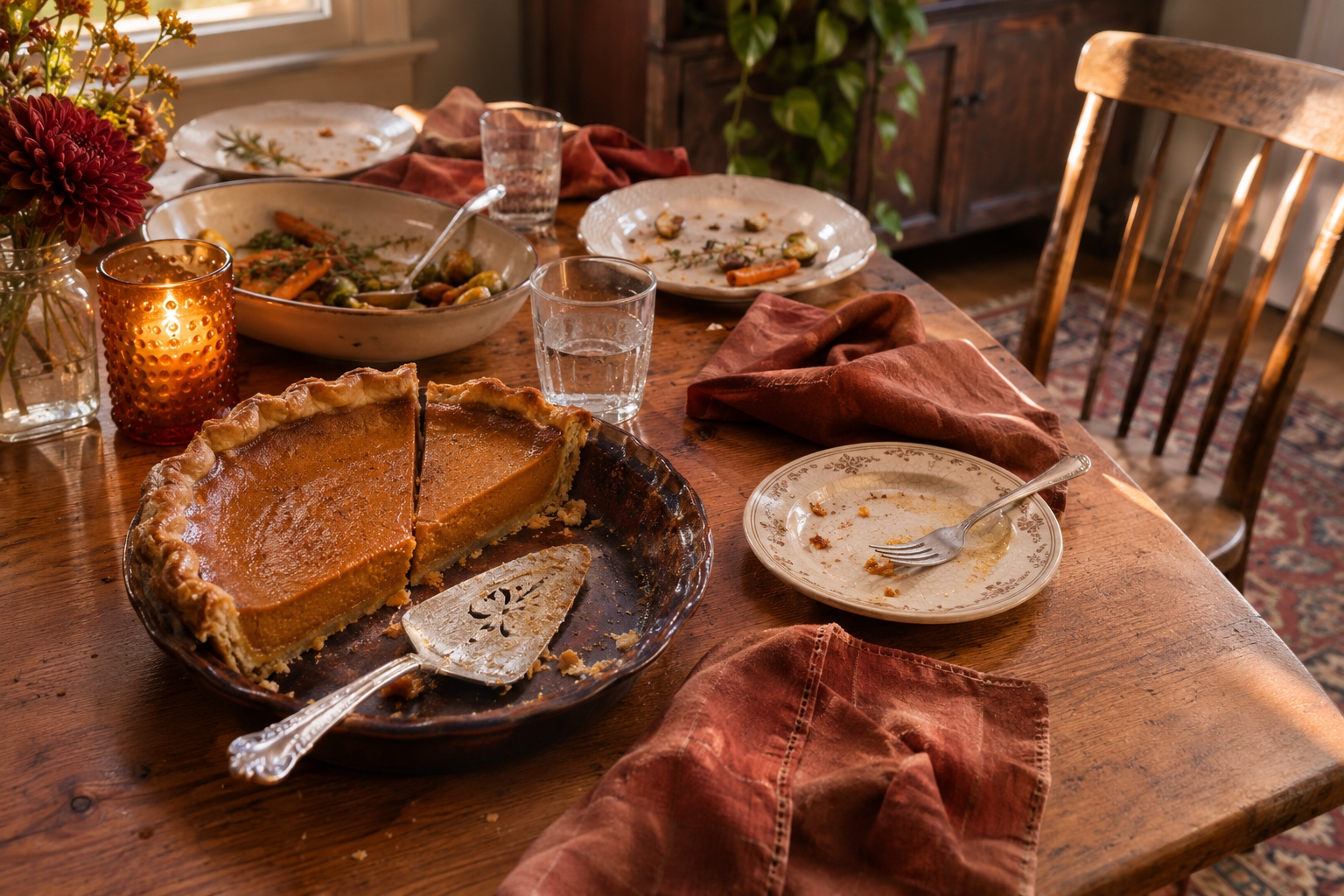
Designed by the author with ChatGPT
Have you ever shown up three hours late to your family’s Thanksgiving dinner with a little box of chocolates in hand?
Your aunt has been slaving away in the kitchen for days. The table has been set, the wine has been poured, the turkey has been devoured, the dishes have been washed, and your uncle is removing his apron just as someone begins slicing the pumpkin pie.
You never want to be that guy.
You walk in embarrassed, even a little ashamed of yourself. Your hosts have been laboring for days to create this beautiful evening, and you have contributed practically nothing to the occasion. As your uncle hands you a generous slice of pumpkin pie topped with whipped cream, you wonder how you could have been so inconsiderate.
But then you look around the table and notice several people are missing. Your sister had a job interview in Florida and couldn’t catch a flight home in time. Two of your cousins had final exams and couldn’t get away from school. Other family members desperately wanted to be there but had obligations that made it impossible.
You turn to your wife, who still isn’t talking to you because of your lack of time management skills, and offer some comforting words: “Hey, look around. At least we made it for dessert.”
Back in 2022, shortly before the first anniversary of our family’s aliyah, I wrote an essay comparing the experience of moving to Israel when we did to showing up late to Thanksgiving dinner.
I remember thinking during those early months that, as significant as the decision to uproot our family and move to Israel had been for us personally, in the grand sweep of Jewish history, we had shown up here awfully late.
Generations of Jews had drained swamps, cultivated barren hillsides, built cities, established universities, absorbed millions of immigrants and fought wars to establish and defend a Jewish state.
And we waited for IKEA to open up before we moved to Israel.
The People Who Made Dinner
Not long after we arrived, Ali and I were invited for a Shabbat meal by a couple in our Jerusalem neighborhood who had made aliyah from New York some fifty years earlier. We listened with awe to their stories about moving to Israel in the early 1970s.
Our neighborhood is filled with people affectionately referred to as the vatikim, the old-timers. Many of them gave up comfortable lives in America at a time when moving to Israel entailed considerable financial hardship, professional uncertainty and a dramatic decline in their standard of living.
As a tour guide, I now spend a considerable amount of my time telling the stories of the generations that preceded us. I stand with visitors on hillsides where Jewish pioneers established agricultural settlements, in neighborhoods where families struggled to eke out a living, and on battlefields where young men gave their lives for a country that didn’t yet exist.
Sometimes, driving home from a day of guiding, I think about how ridiculously easy I have it compared to the people whose stories I’ve just spent the day telling.
They had done all the heavy lifting, and we showed up as the pie was being served. We even had the chutzpah to quietly mumble that there wasn’t enough whipped cream.
Apparently, Dinner Wasn’t Over
And then came October 7.
I reread that essay this week and thought to myself, “Boy, did I get that wrong.” I really thought that the hardest part of building a Jewish country was behind us. The country had been built, the great existential battles had been fought, and we were the fortunate beneficiaries of other people’s sacrifices.
Over the past three years, I have come to appreciate just how much of the meal is still ahead of us. There is so much work still to be done, so far we still have to go, and, as we have learned so painfully, a terribly heavy price still being paid for the privilege of having a Jewish homeland.
We have watched an entirely new generation of Israelis make extraordinary sacrifices. Young men and women who were assumed to just be part of the “TikTok generation” were suddenly being asked to give more to their country than they could ever have imagined. Among them was our own son, who spent months serving in Gaza and Lebanon.
If anything, these past three years have deepened my appreciation for the generations that came before us. I think I understand a little better now what they endured, what they worried about when they sent their children off to war, and what it meant to build a life here amid so much uncertainty.
It makes me wonder whether those immigrants who arrived in the 1970s also felt that they had missed the pioneering generation. Perhaps those who arrived in the 1950s felt that way about the people who had established the state in 1948. And perhaps some of the pioneers of the 1930s looked with similar admiration upon the Jews who had arrived at the end of the nineteenth century.
I guess what I hadn’t fully appreciated when we made aliyah was how much of the Zionist project was still unfinished. And I certainly hadn’t anticipated how much would be asked of our children.
Putting Down Roots
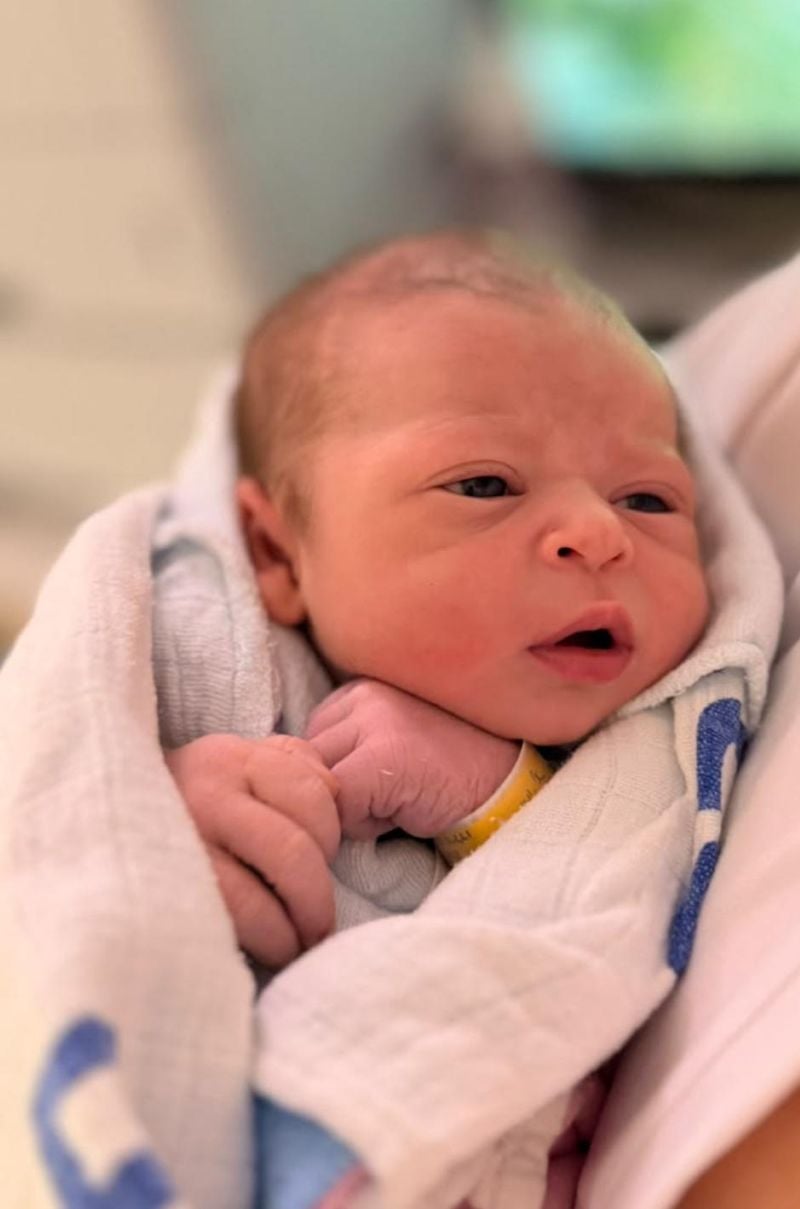
Yesterday morning, our son and daughter-in-law, Leiby and Aviva, welcomed their first child, a healthy little girl, into the world. And she’s the first child carrying the Begoun family name to be born in Jerusalem since we replanted our family here.
Early this morning, I arrived at Hadassah Hospital in Ein Kerem to join Leiby for Shacharit and the naming of our granddaughter. When I walked in, I asked someone where the synagogue was.
“Which one?” was the response.
You’ve got to love Jerusalem. Even the hospitals have multiple synagogues.
I met Leiby in the lobby, and we made our way to one of them. There, nestled among the beautiful hills of Jerusalem, overlooking Yad Vashem and Mount Herzl, we davened with a roomful of men we had never met. Each of them was at the hospital for reasons of his own. Some, presumably, were there to celebrate happy occasions like ours, while others were undoubtedly going through some of the most difficult moments of their lives.
And yet, when our little granddaughter was given her Hebrew name, Daniella Sarah, these complete strangers joined in our simcha. We exchanged warm wishes and drank a l’chaim together after davening. For a few moments, whatever had brought each of us to that hospital, we were celebrating the birth of a Jewish child in Jerusalem together.
I don’t know why, but there was something particularly moving about drinking a l’chaim with a bunch of guys in a hospital whom I had never met and will probably never see again.
For generations, the branches of our family tree grew in other parts of the world. Jerusalem was a place our ancestors spoke about, prayed toward and longed for. Three times a day, they asked God to return to this city in mercy. At the conclusion of their Passover Seders, they declared that next year they would be in Jerusalem.
And now, a little girl carrying our family name has entered the world in that very city.
God willing, Daniella Sarah Begoun will grow up with a relationship to Jerusalem fundamentally different from the one that our grandparents had, or their grandparents before them, or even the one I had growing up in America. Jerusalem will be the city of her childhood. Its streets, its hills and its neighborhoods will be the familiar landscape of her earliest memories.
I hope that one day it will have to be explained to her why her grandfather thought it was such an extraordinary thing that she was born here.
Some 2,500 years ago, as the Jews were beginning to rebuild their lives in Jerusalem following the Babylonian exile, the prophet Zechariah offered the following hopeful vision of the city’s future:
עֹד יֵשְׁבוּ זְקֵנִים וּזְקֵנוֹת בִּרְחֹבוֹת יְרוּשָׁלָ͏ִם וְאִישׁ מִשְׁעַנְתּוֹ בְּיָדוֹ מֵרֹב יָמִים. וּרְחֹבוֹת הָעִיר יִמָּלְאוּ יְלָדִים וִילָדוֹת מְשַׂחֲקִים בִּרְחֹבֹתֶיהָ
Once again, old men and old women shall sit in the streets of Jerusalem, each with a staff in hand because of their great age. And the streets of the city shall be filled with boys and girls playing in its streets. (Zechariah 8:4–5)
After nearly two thousand years of exile, how fortunate we are to be among the Jews who get to replant their family roots here in Jerusalem. And this week, those roots went a little deeper.
Thanksgiving
Today, millions of Americans will sit down around their Thanksgiving tables. Here in Jerusalem, it’s an ordinary Thursday. The buses are running, the schools are open, and people are going about their business.
But we have a particularly good reason to celebrate Thanksgiving this year.
Five years ago, I felt a little embarrassed that we had shown up so late to the party. This morning, standing next to my son in a synagogue in a Jerusalem hospital as he named his first child, I was just overwhelmingly grateful that we had made it.
Happy Thanksgiving from Jerusalem, and thanks for reading,
David
Related Topics
Related Posts