Evaluating Sustainable Wellness Hospitality
Sightseeing Immersions in the Caribbean: Into the Wild Heart of OYA
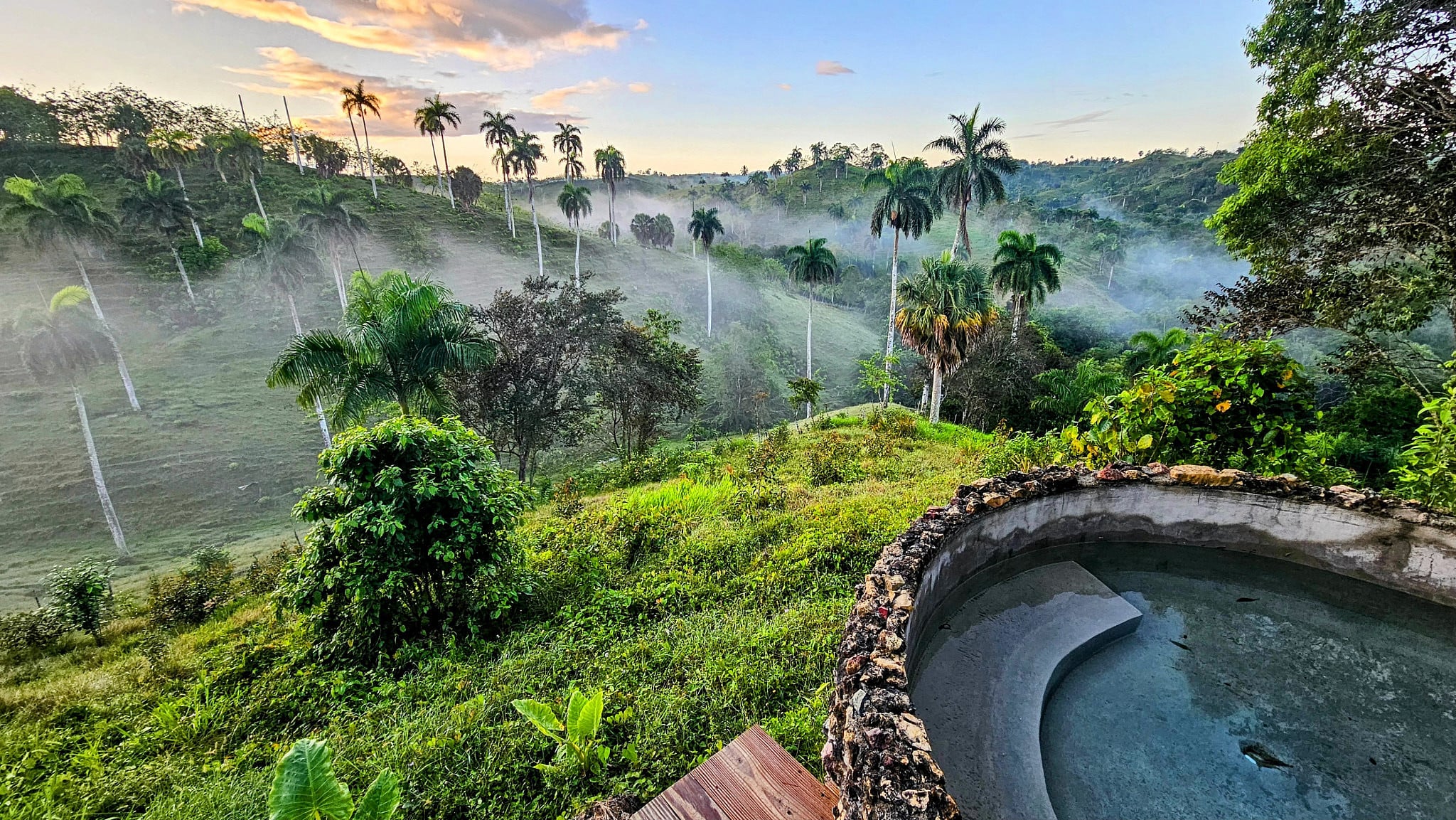
Caribbean New Earth Retreat- OYA, Dominican Republic
Photo Credit: Noam Bedein | Travel Photojournalist & Wellness Tourism Specialist
A field journal from the Dominican Republic’s north coast
The road leaving Cabarete curves inland almost immediately.
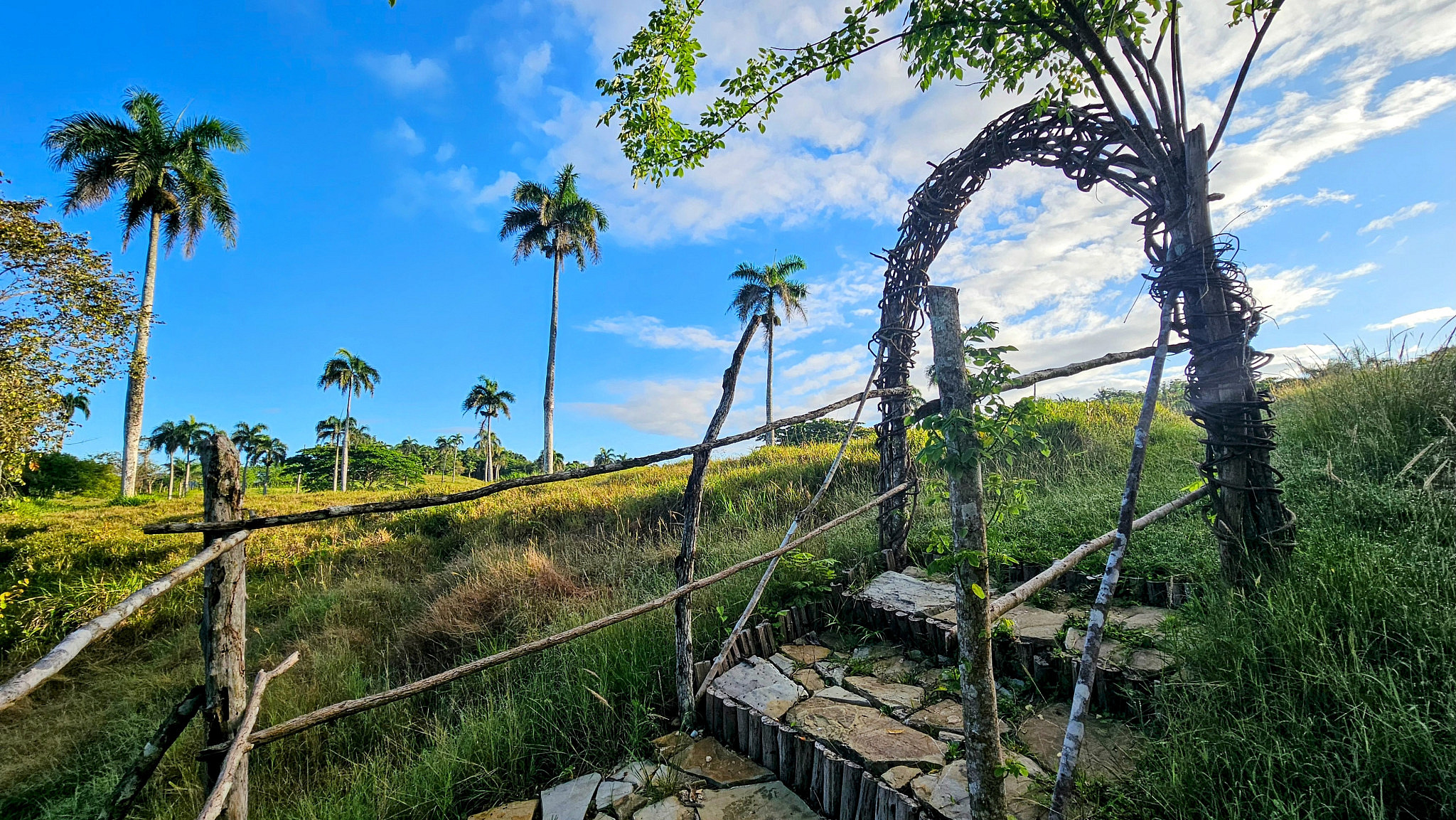
Within minutes the Atlantic breeze fades behind dense green hills, and the Caribbean shoreline dissolves into another world entirely. Jungle-covered ridges rise into the mist. Narrow rivers cut through valleys of banana trees and cacao groves. In the distance, cloud forests drift across mountain slopes that remain largely untouched by mass tourism.
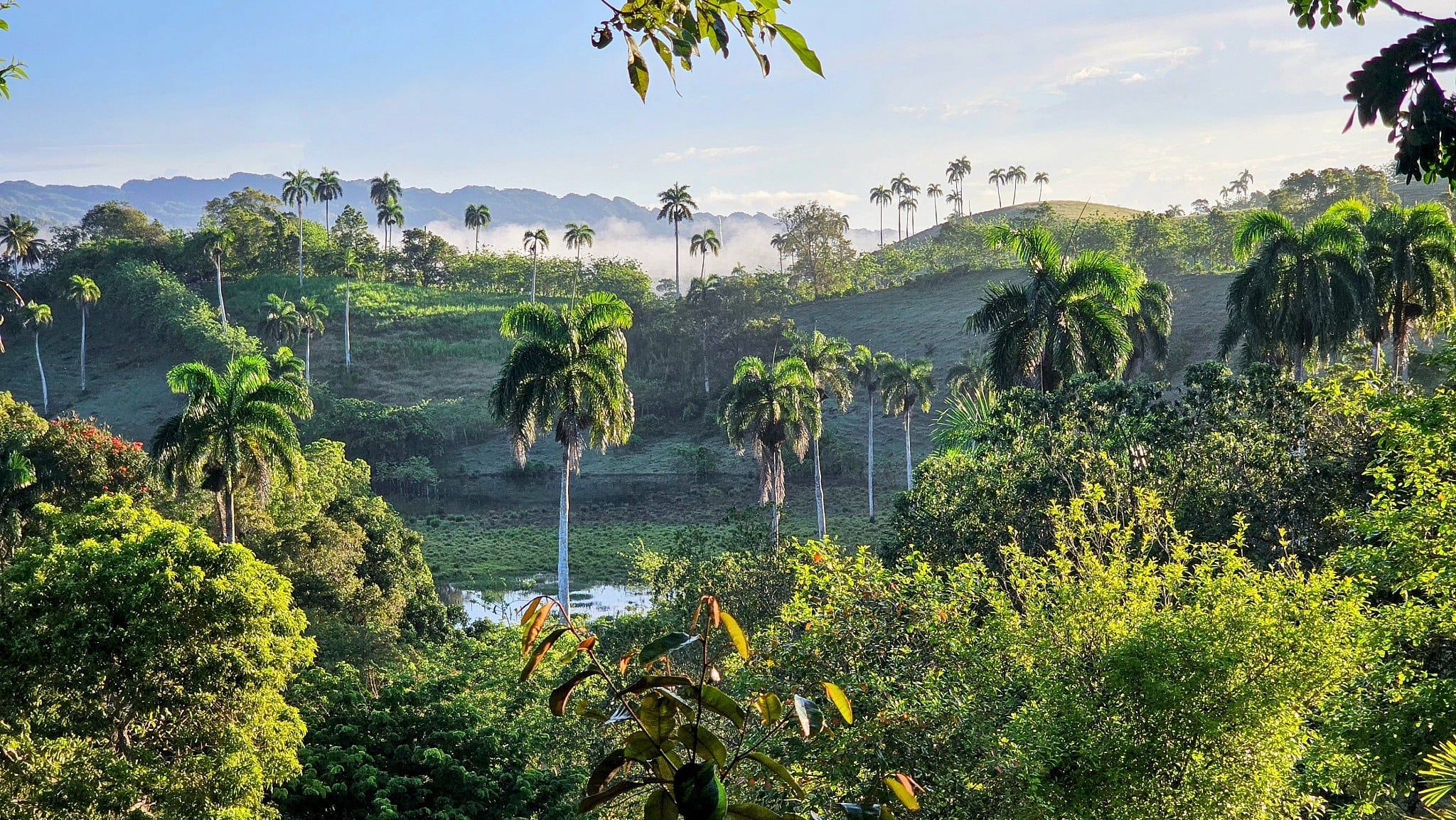 It is here, just twenty-five minutes from the Dominican Republic’s kite-surfing capital, that OYA emerges from the landscape.
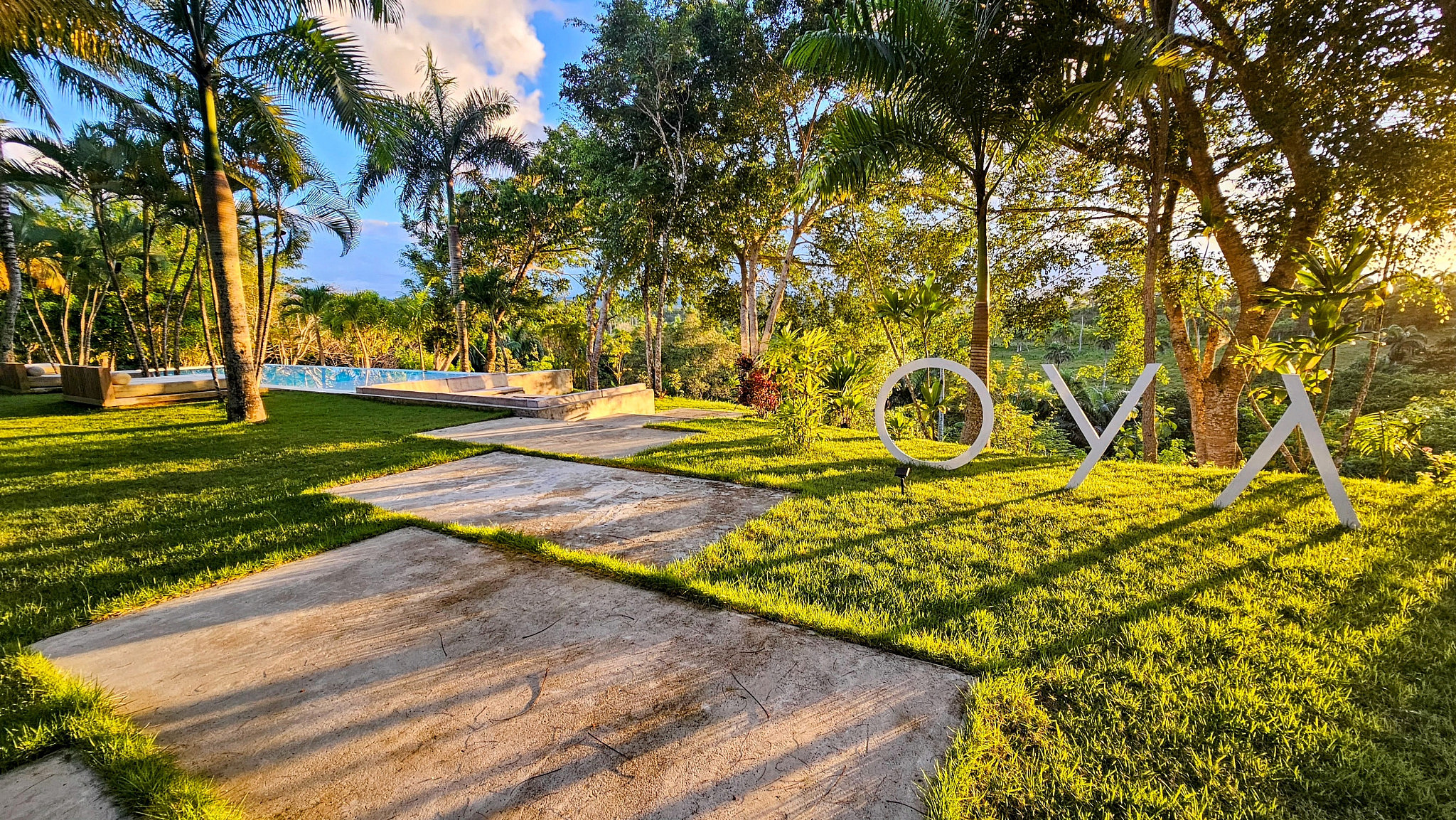
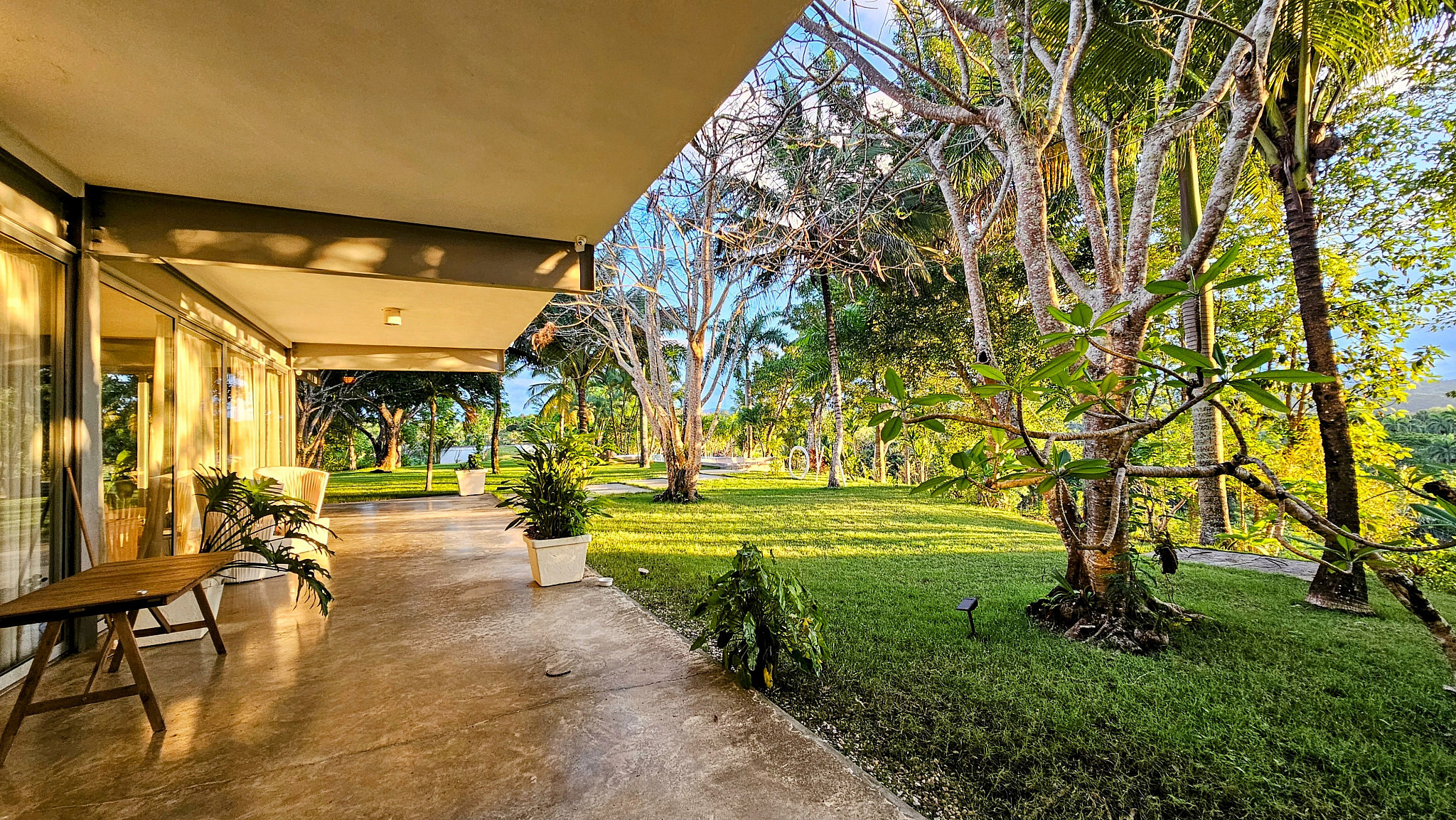
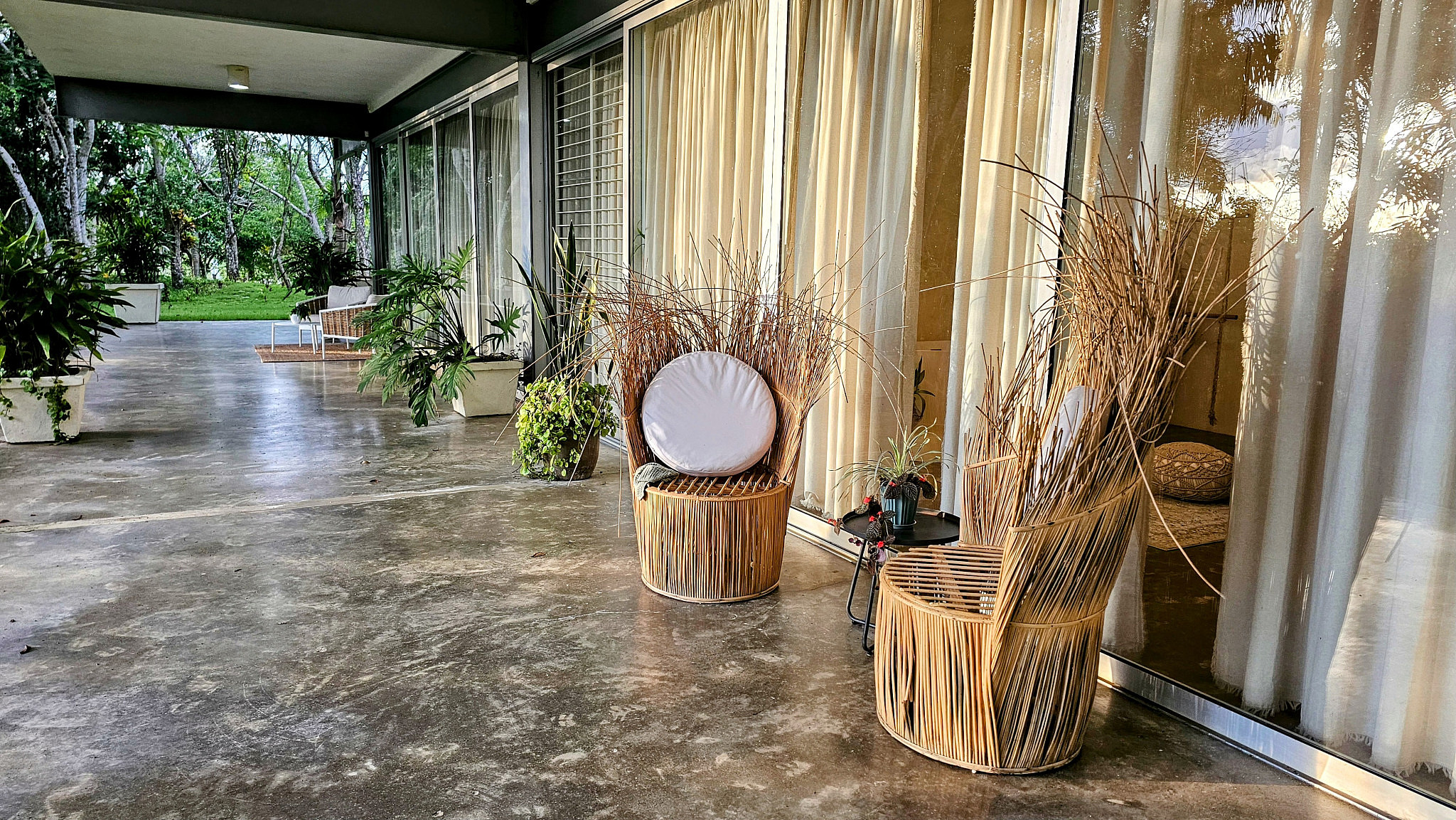
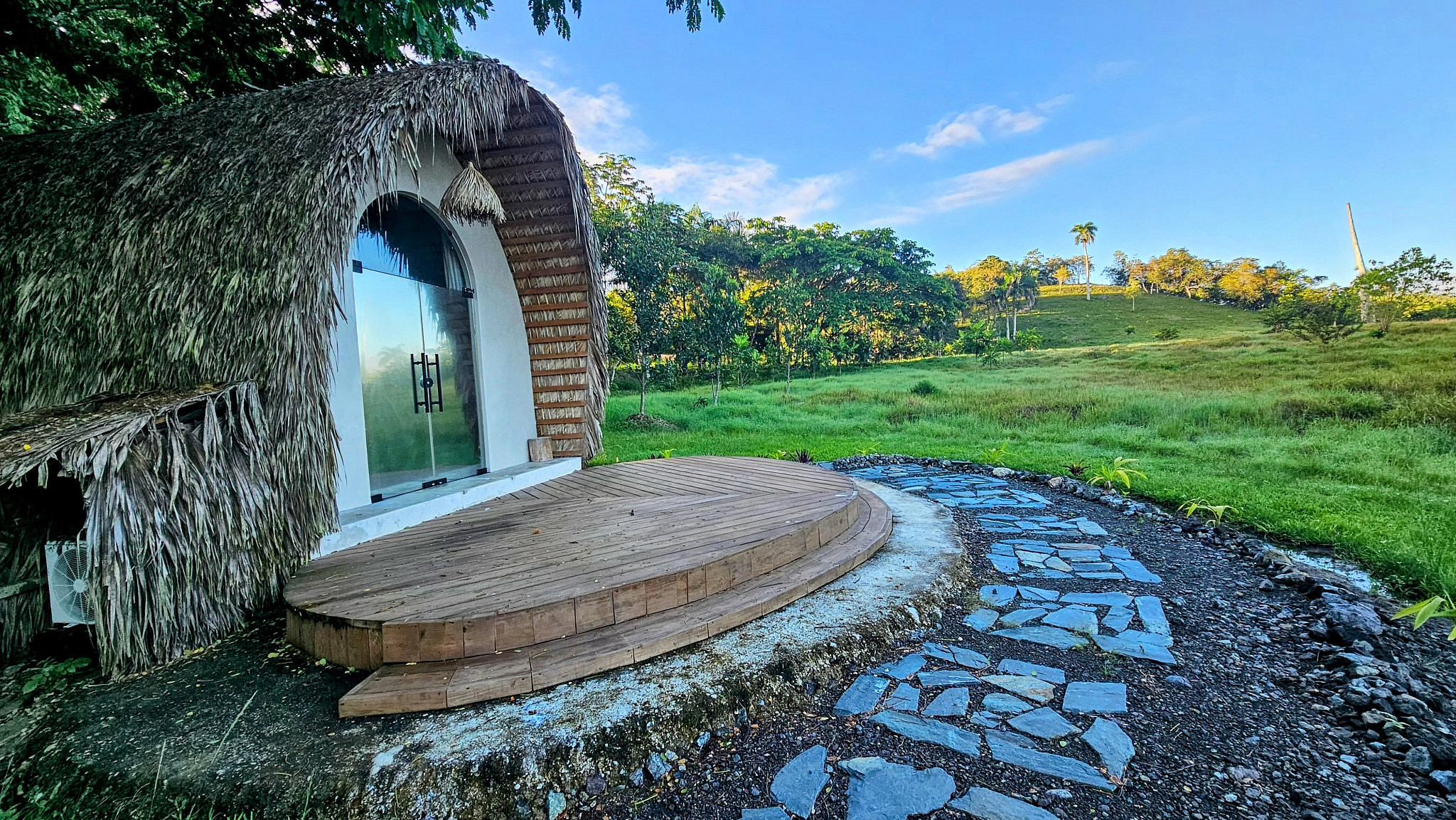
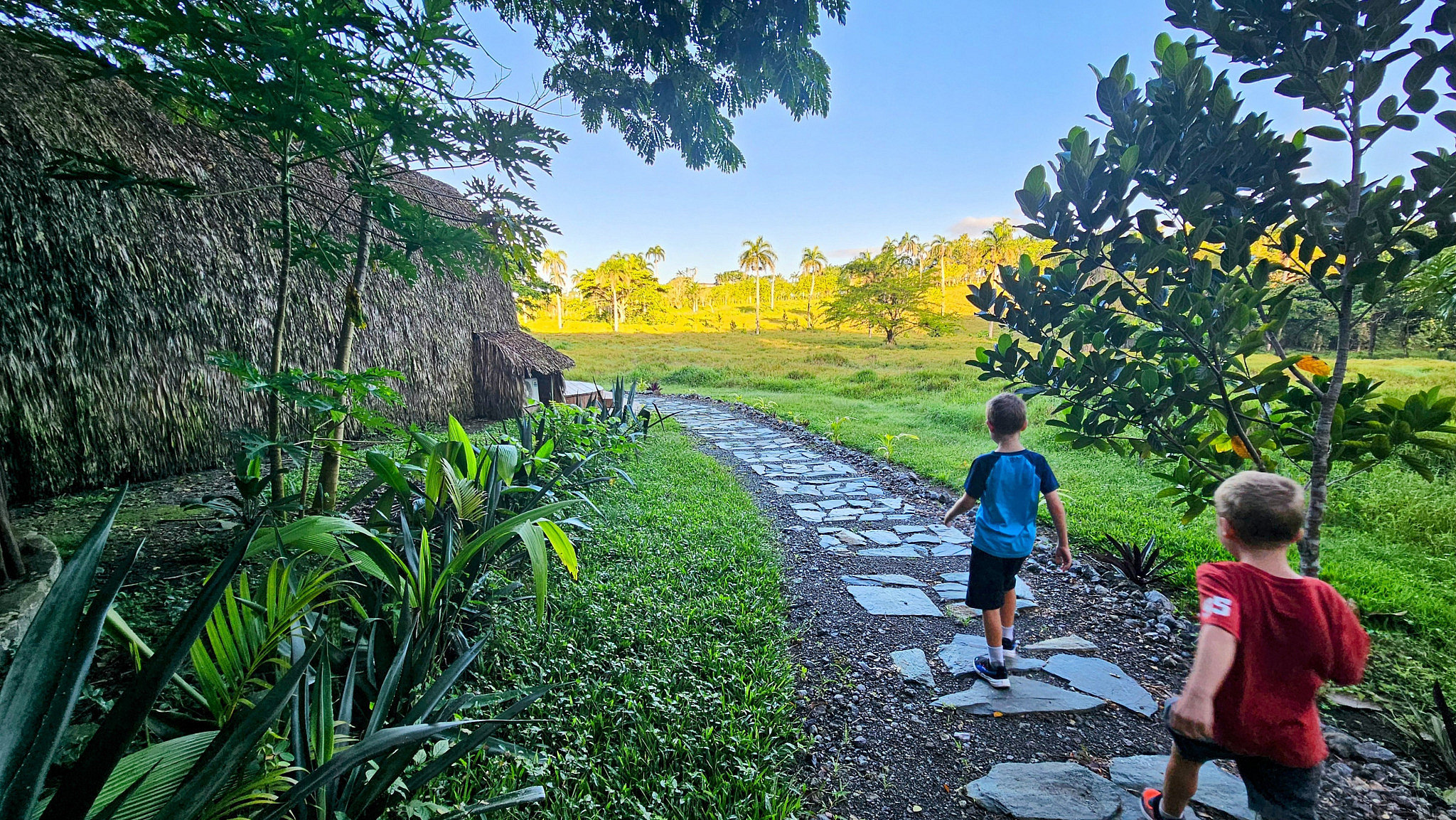
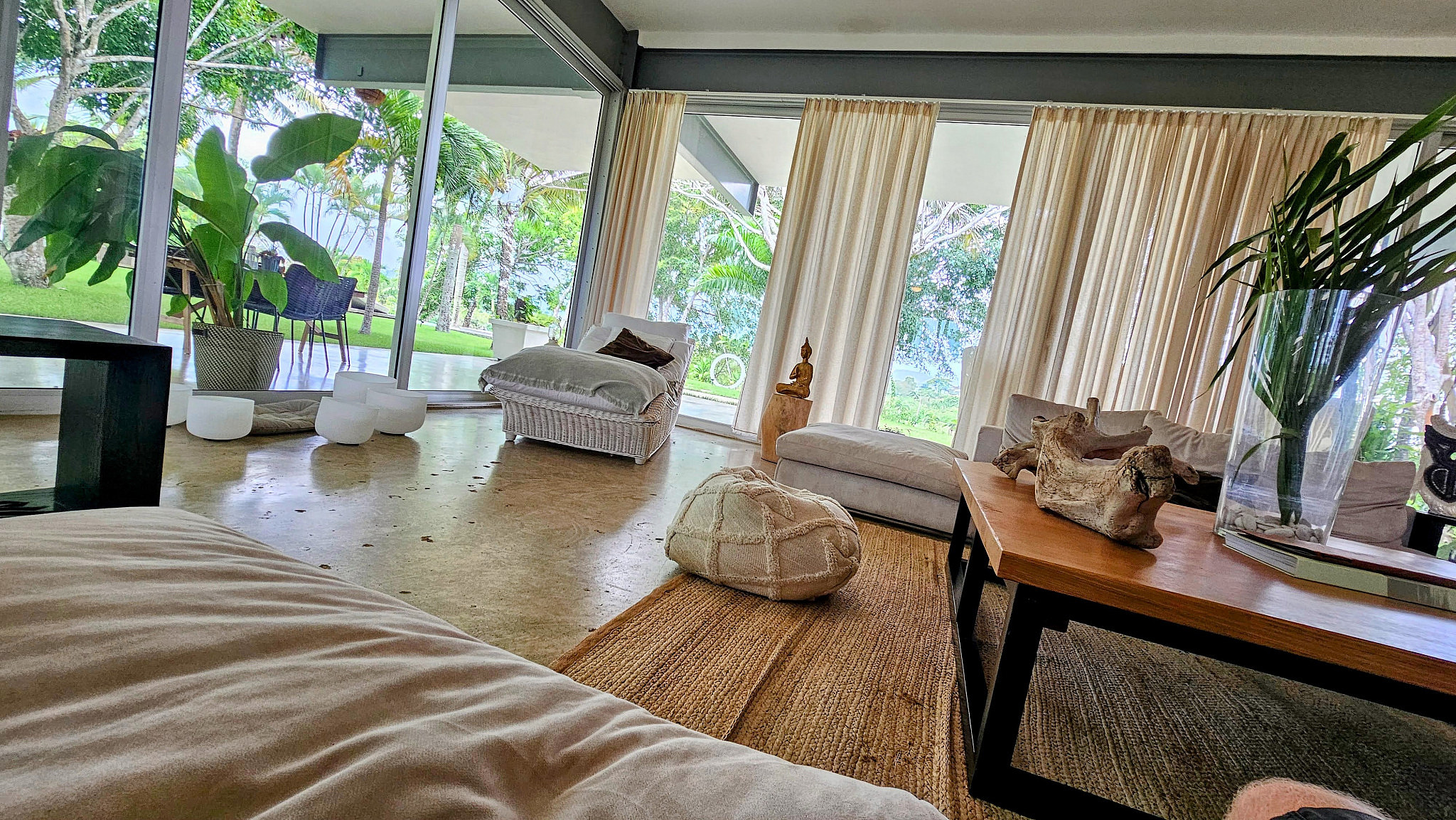
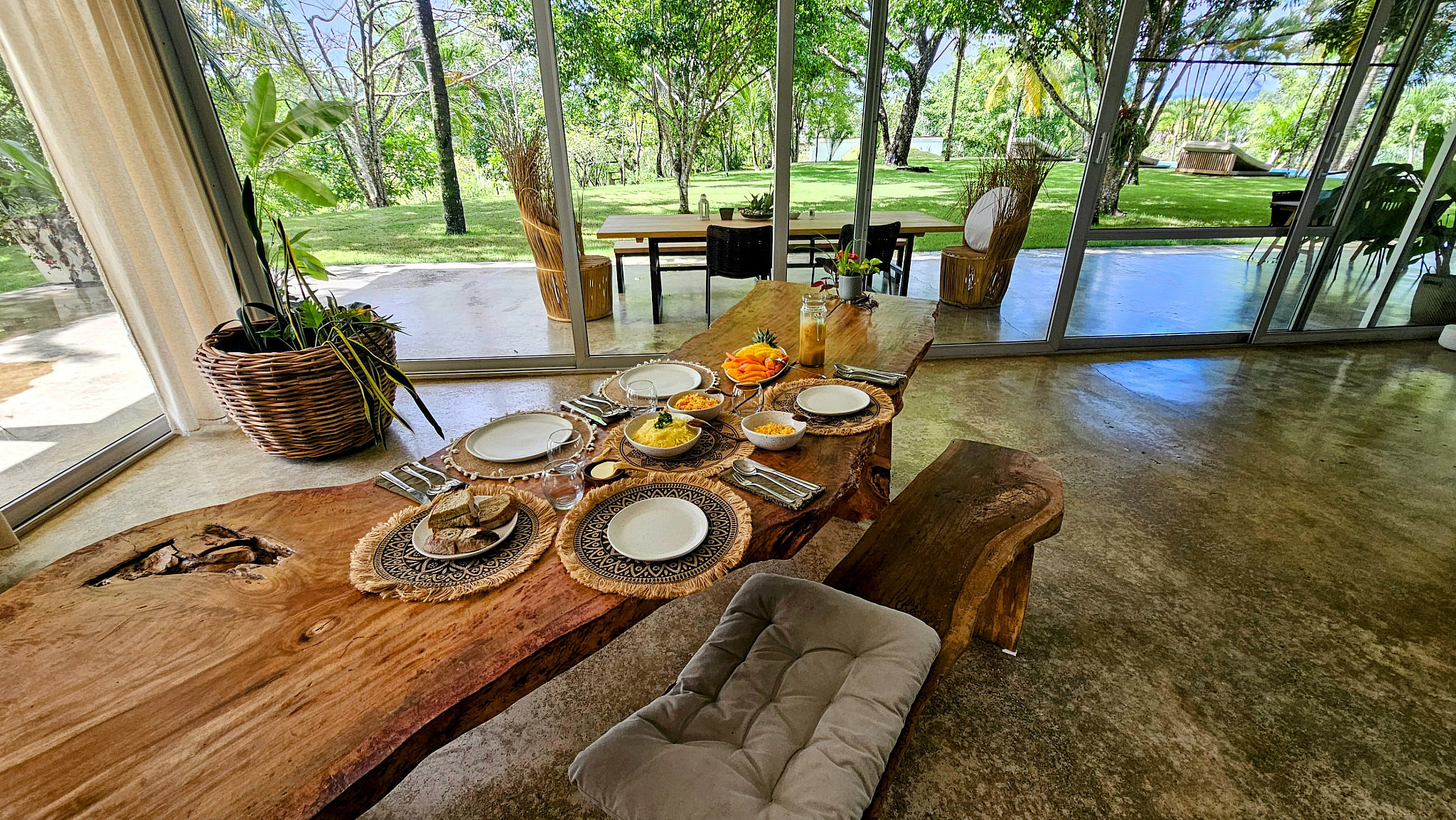
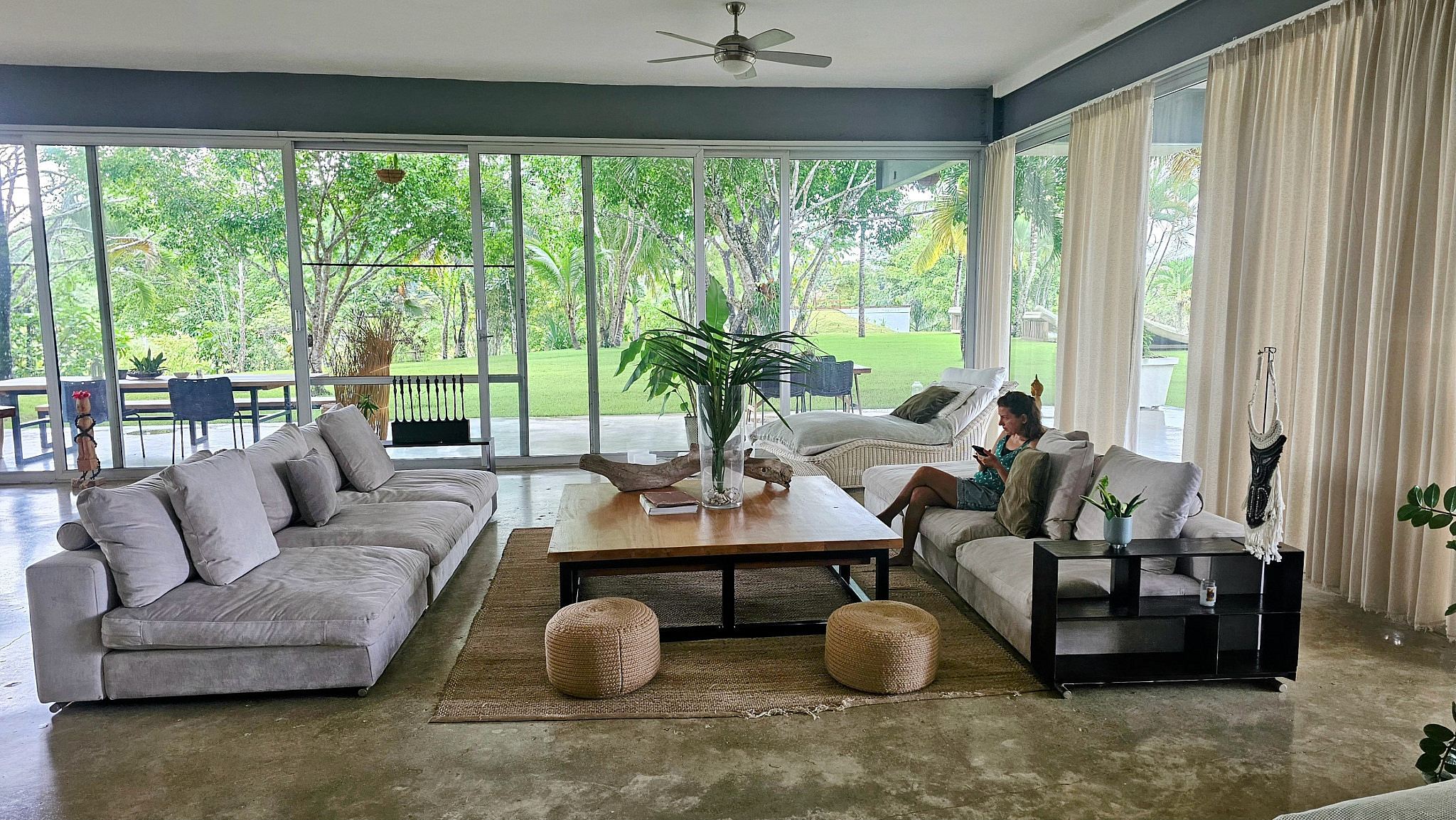
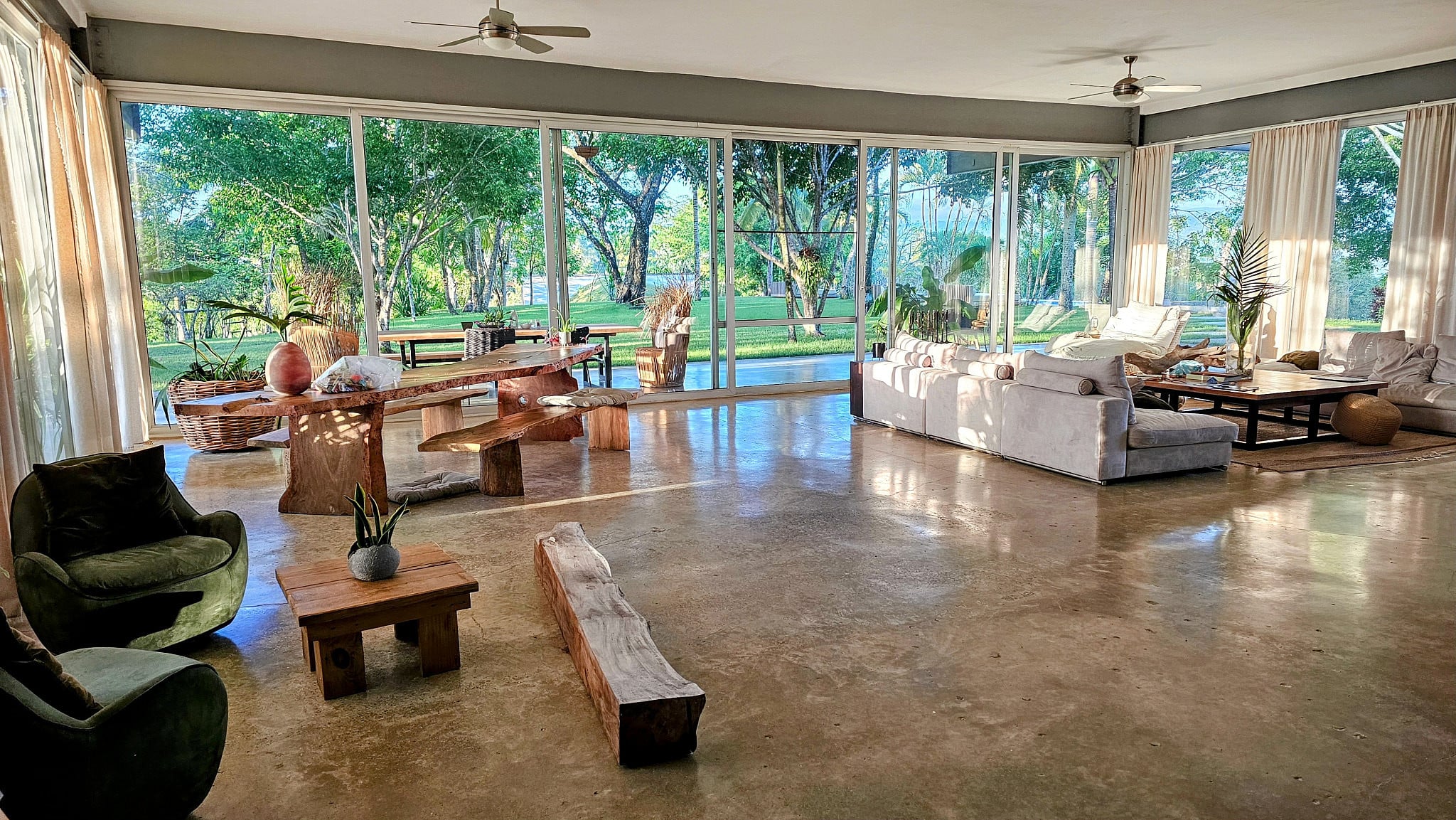
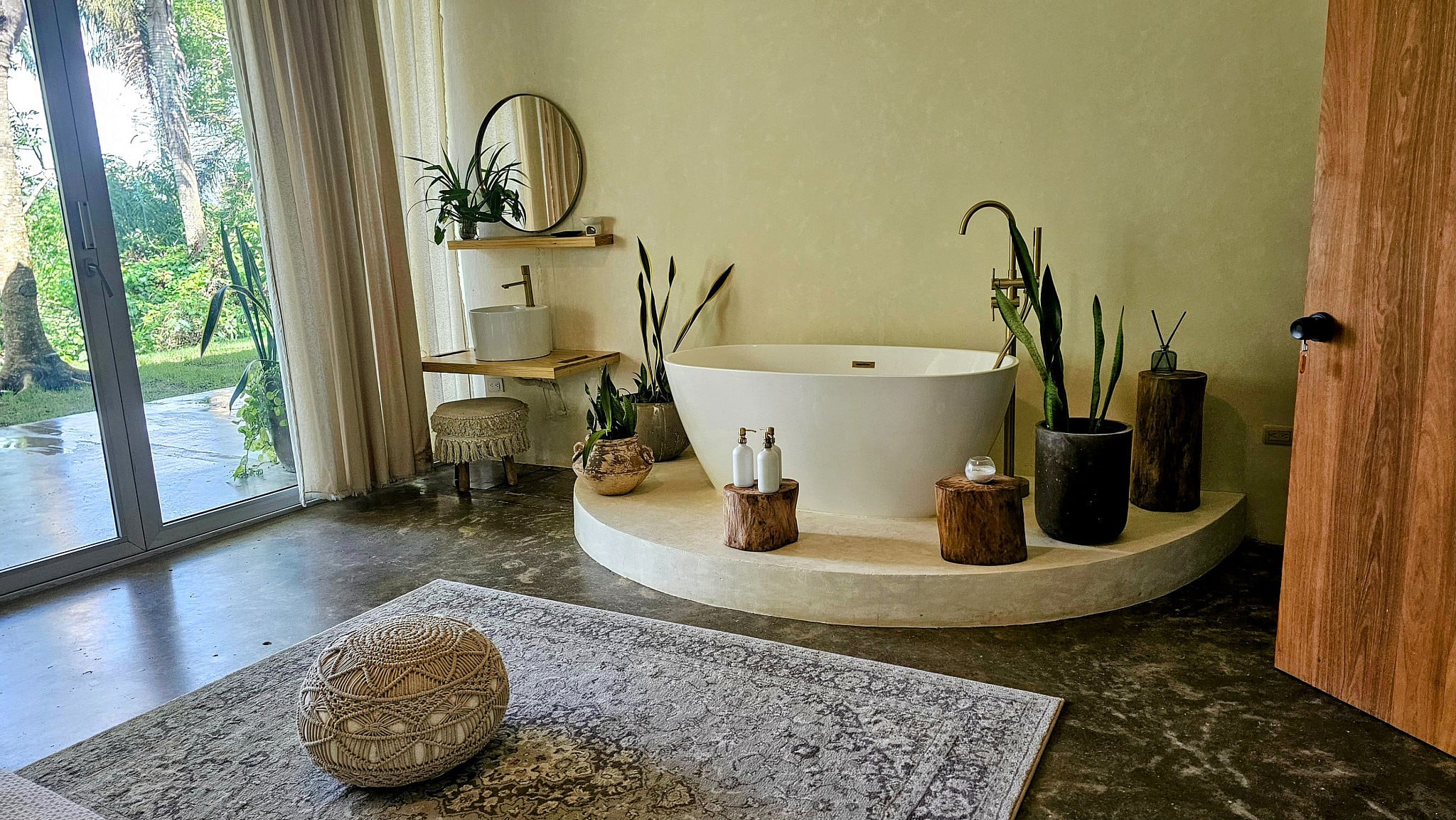
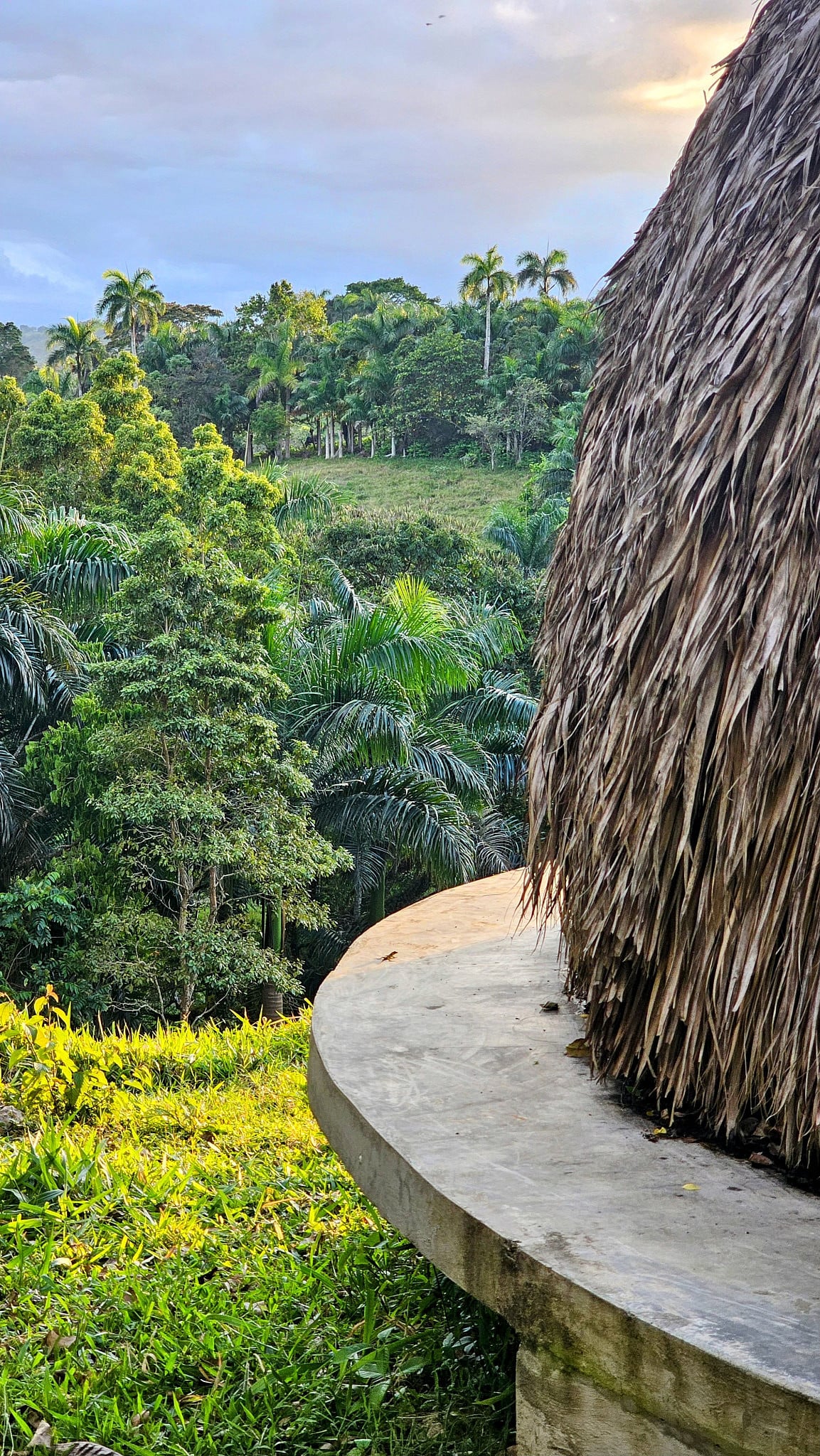 Spread across sixty-two acres of protected wilderness, the retreat sits quietly between jungle and cloud forest. Solar-powered cabañas overlook the canopy. Yoga decks hover above the treetops. Terraced gardens and orchards spill down the hillsides, producing fruits and herbs used in the retreat’s daily meals and healing rituals.
OYA was created as a living expression of what many in the wellness world now call the “New Earth” movement, an emerging philosophy that combines regenerative ecology, holistic health, and intentional community. Yet what struck me most during my time there was not the architecture or the programming.
It was the landscape surrounding it.
Over the past nine months, my work as a travel photojournalist and wellness tourism explorer has taken me across more than fifty retreat destinations across North and Central America. I documented off-grid lodges in Alaska, eco-villages in Guatemala, and jungle sanctuaries in Costa Rica. Each location offered its own vision of healing and hospitality.
 But the most successful retreat destinations share one important trait. They do not exist as isolated sanctuaries separated from their surroundings.
They grow roots.
My work with retreat destinations focuses on developing sustainable tourism experiences that connect guests with the landscapes and communities that sustain a place. When retreats open pathways into local culture, nature, and heritage, the experience deepens for travelers while creating meaningful partnerships with the people who live there.
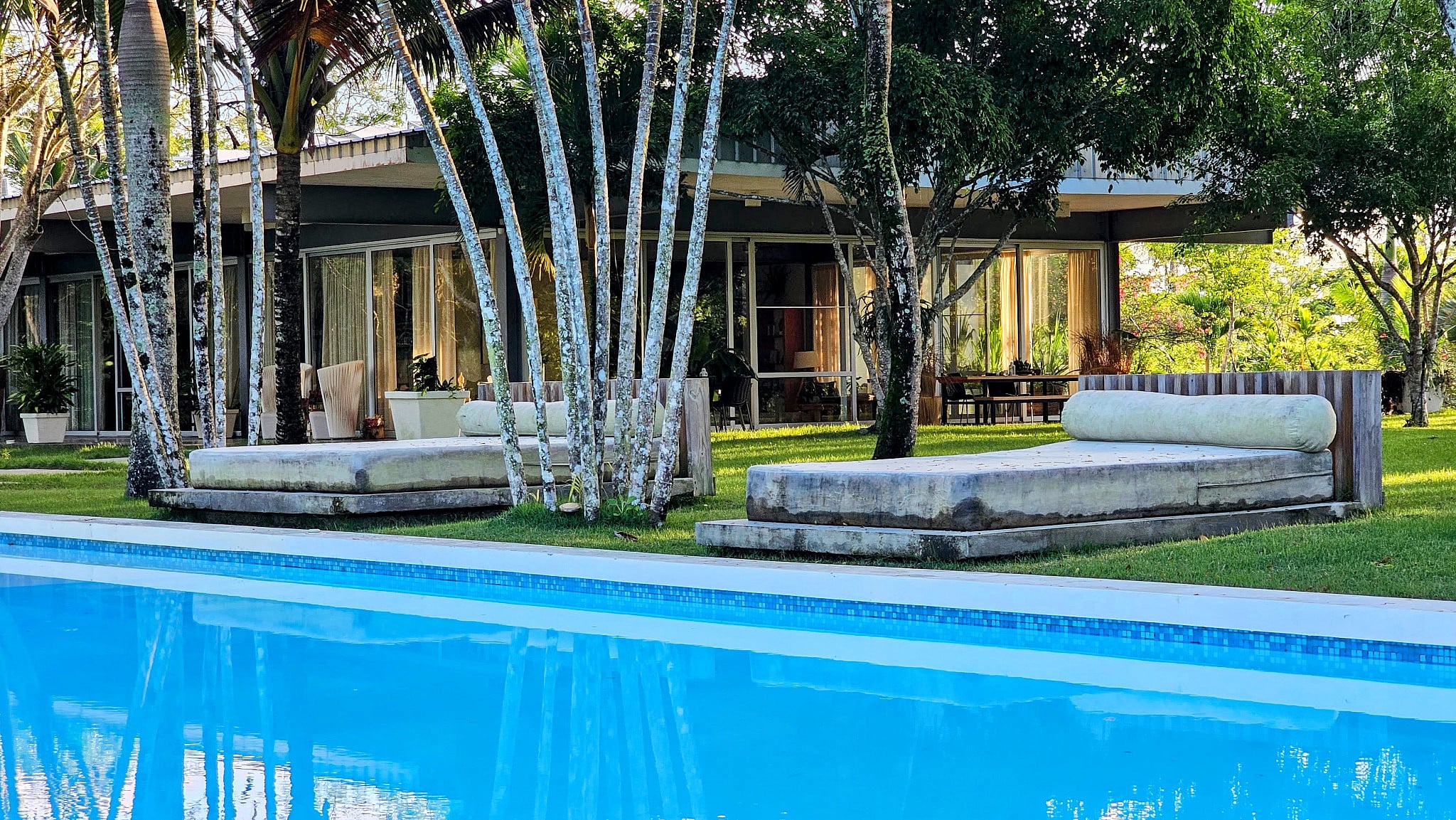 At OYA, this vision took shape through a collaboration with Flow Immersions, a local eco-experience company whose guides have spent years building trust with families, farmers, and cultural organizations across the Dominican Republic’s north coast.
Together we designed a series of journeys that extend the retreat beyond its forest sanctuary and into the living landscape of the island.
Over several days I followed these routes myself.
They led to waterfalls hidden in the mountains, cacao forests cultivated through generations of tradition, and a small music academy where bachata rhythms carry the hopes of a new generation.
Each destination revealed a different heartbeat of the Dominican Republic.
 Hidden Waterfalls Above Cabarete
The journey into the hills begins on a narrow mountain road that climbs steadily away from Cabarete’s beach cafés and surf shops. Coconut palms slowly give way to thicker forest, and eventually the pavement ends altogether.
A small wooden home sits on a ridge overlooking a patchwork of banana trees and winding river valleys. This is where the visit begins.
Before reaching the waterfalls, guests share a home-cooked meal with a local mountain family. Rice, beans, vegetables grown on nearby hillsides, and fresh tropical fruit are served beneath a shaded veranda where conversation flows easily between hosts and visitors.
It is a quiet introduction to the land.
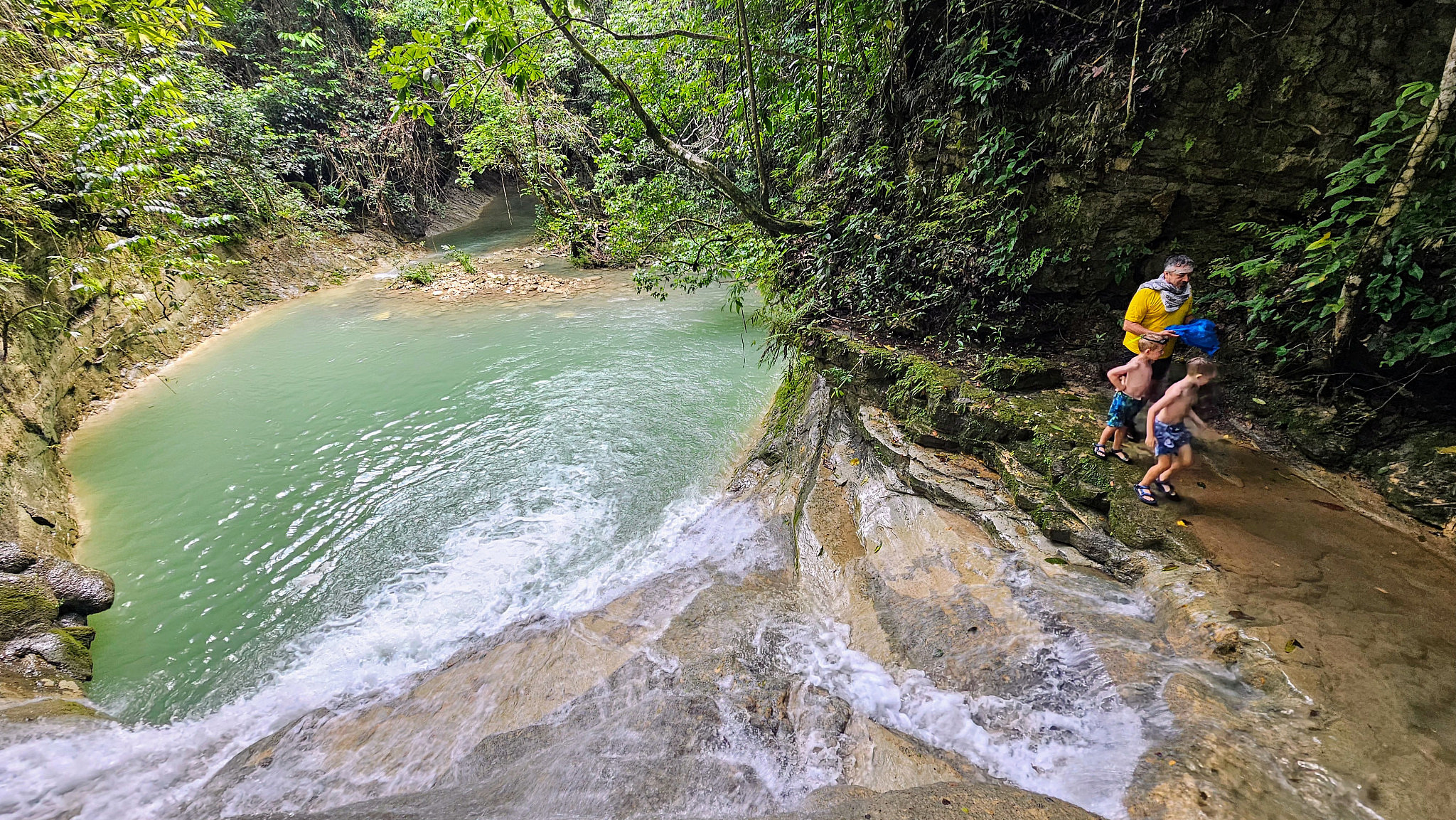
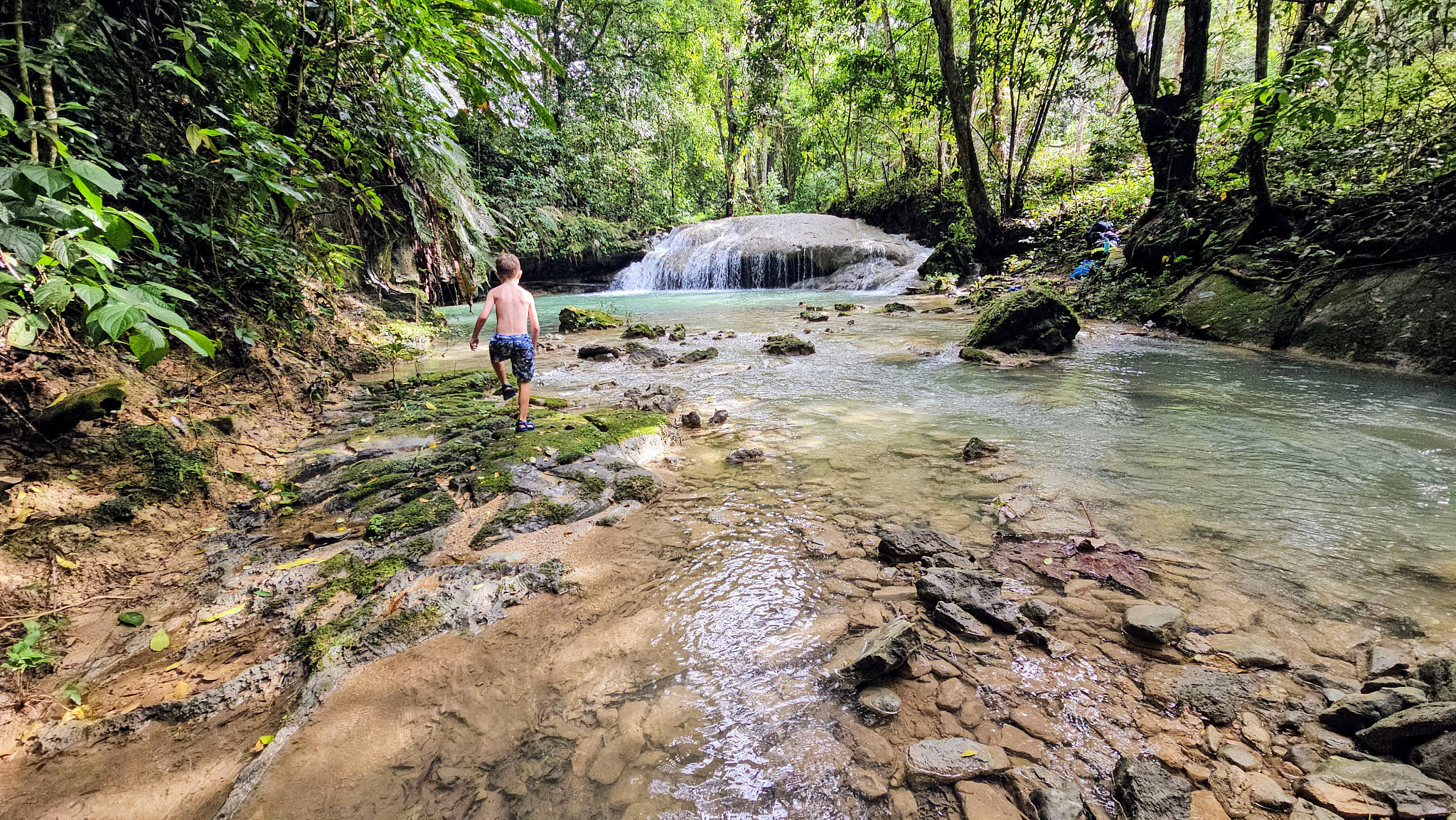
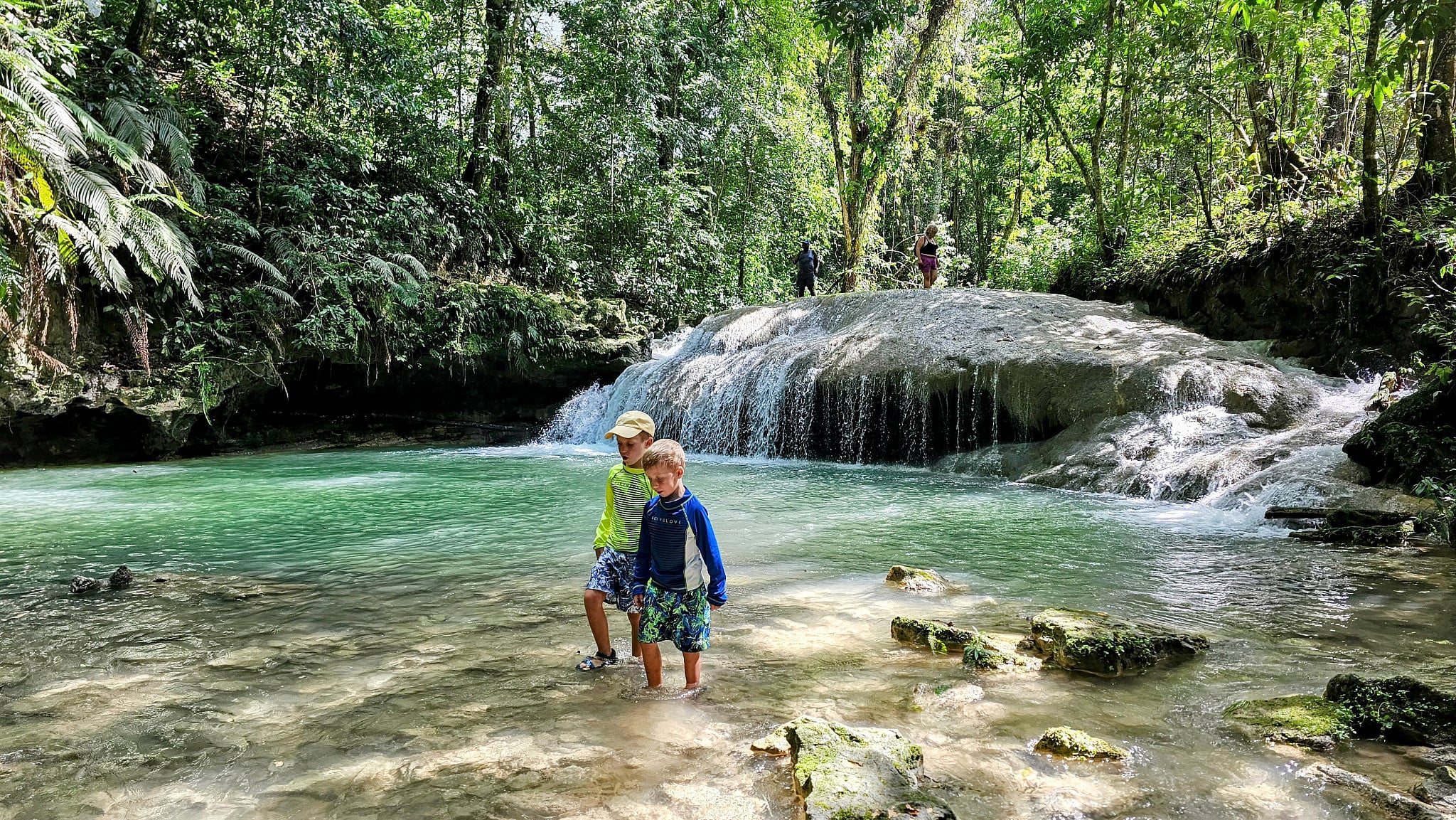
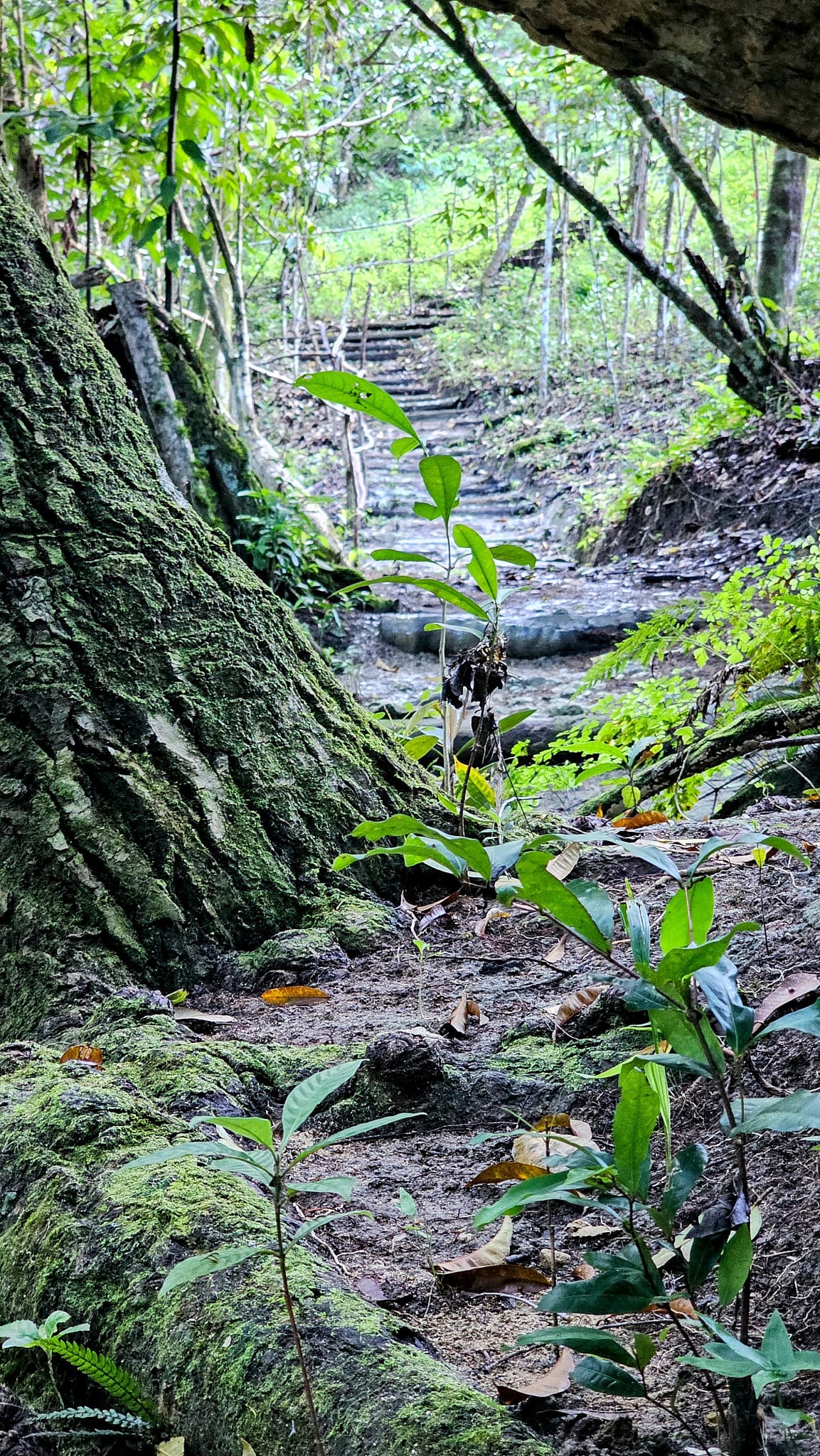
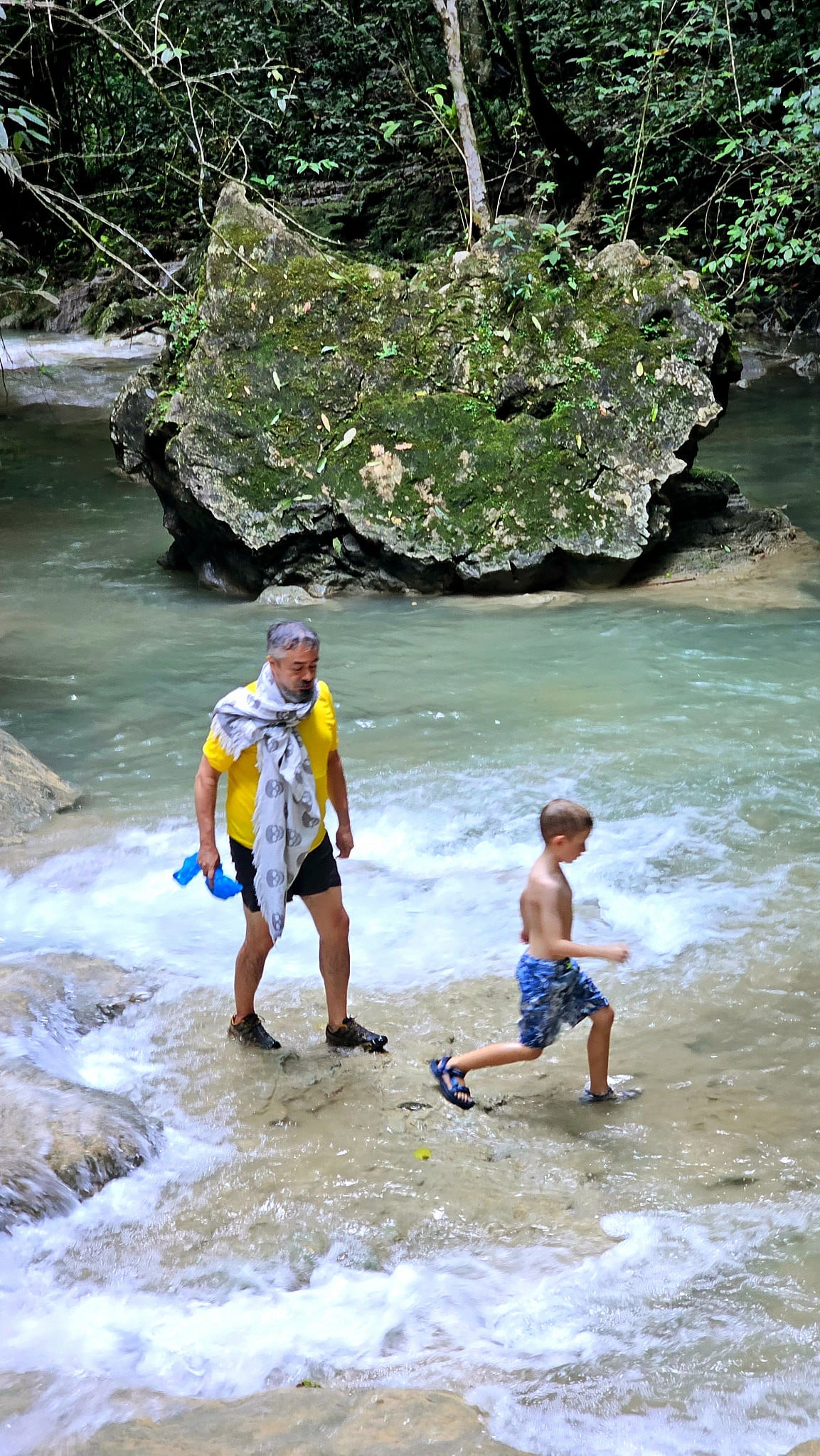 From the house, a forest trail descends into a narrow river valley. The sound of water grows louder with every step until the trees open to reveal a hidden cascade.
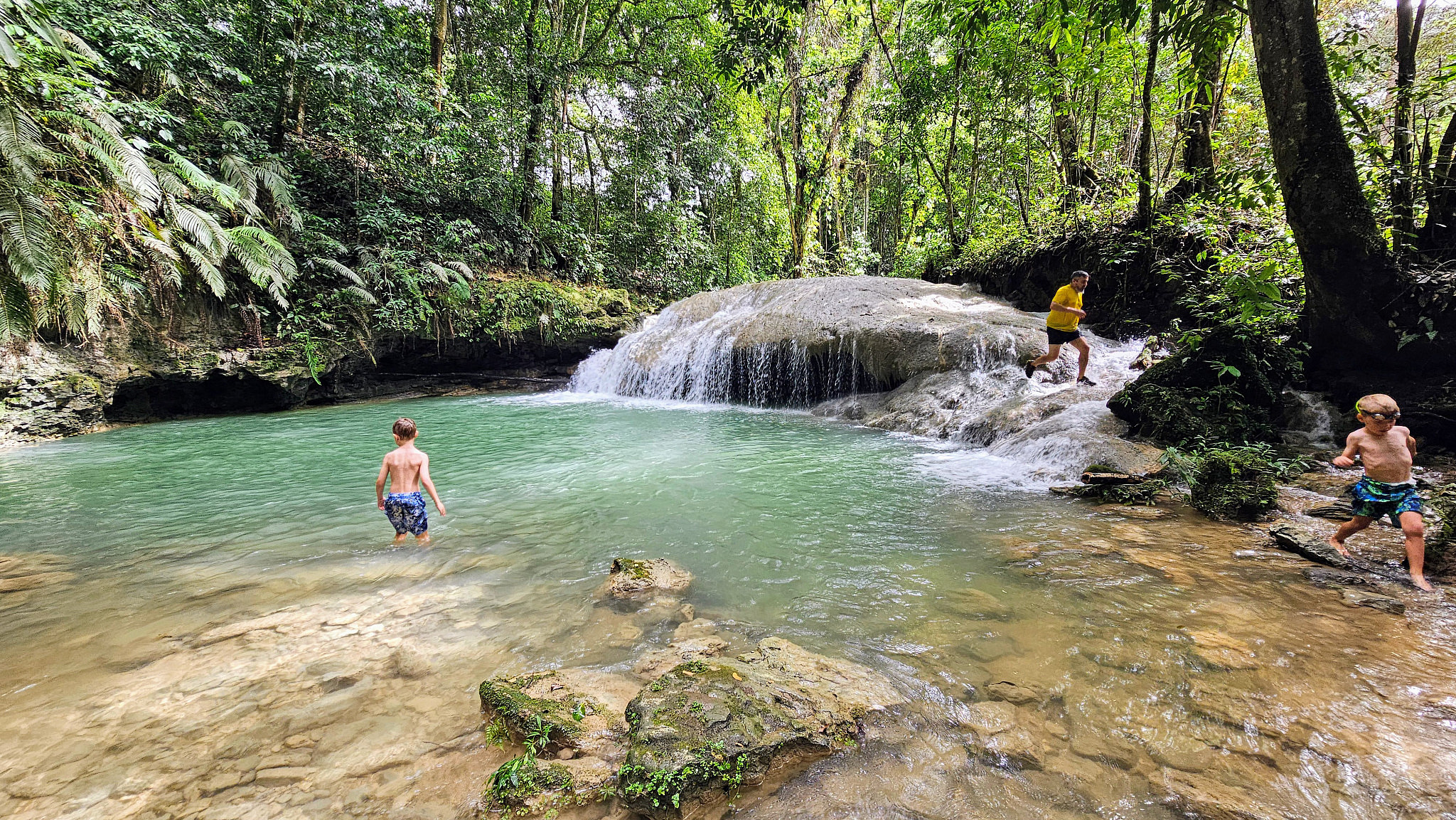
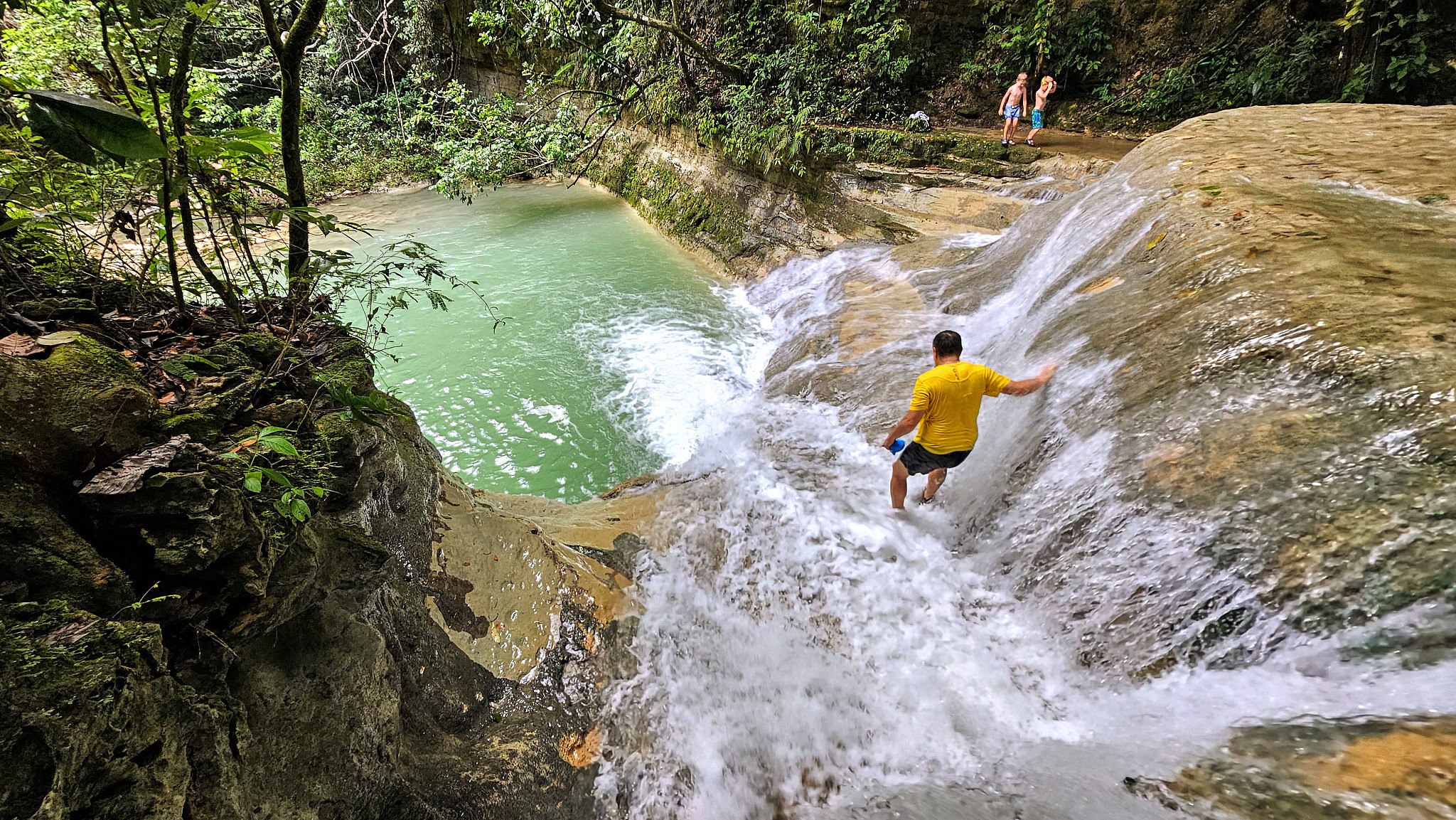
Turquoise pools stretch along a stepped riverbed carved by centuries of mountain runoff. Three waterfalls spill over smooth stone ledges into cool basins beneath the jungle canopy.
There are no crowds here.
Only the constant rush of water and the soft movement of leaves overhead.
Guests float in the clear pools, explore small caves beneath the falls, or simply sit on sun-warmed rocks listening to the forest. For retreat groups, the setting often becomes a natural place for meditation or simple water rituals.
What remains long after leaving is the feeling of having discovered something quietly protected by the mountains.
 Walking Through a Living Cacao Forest
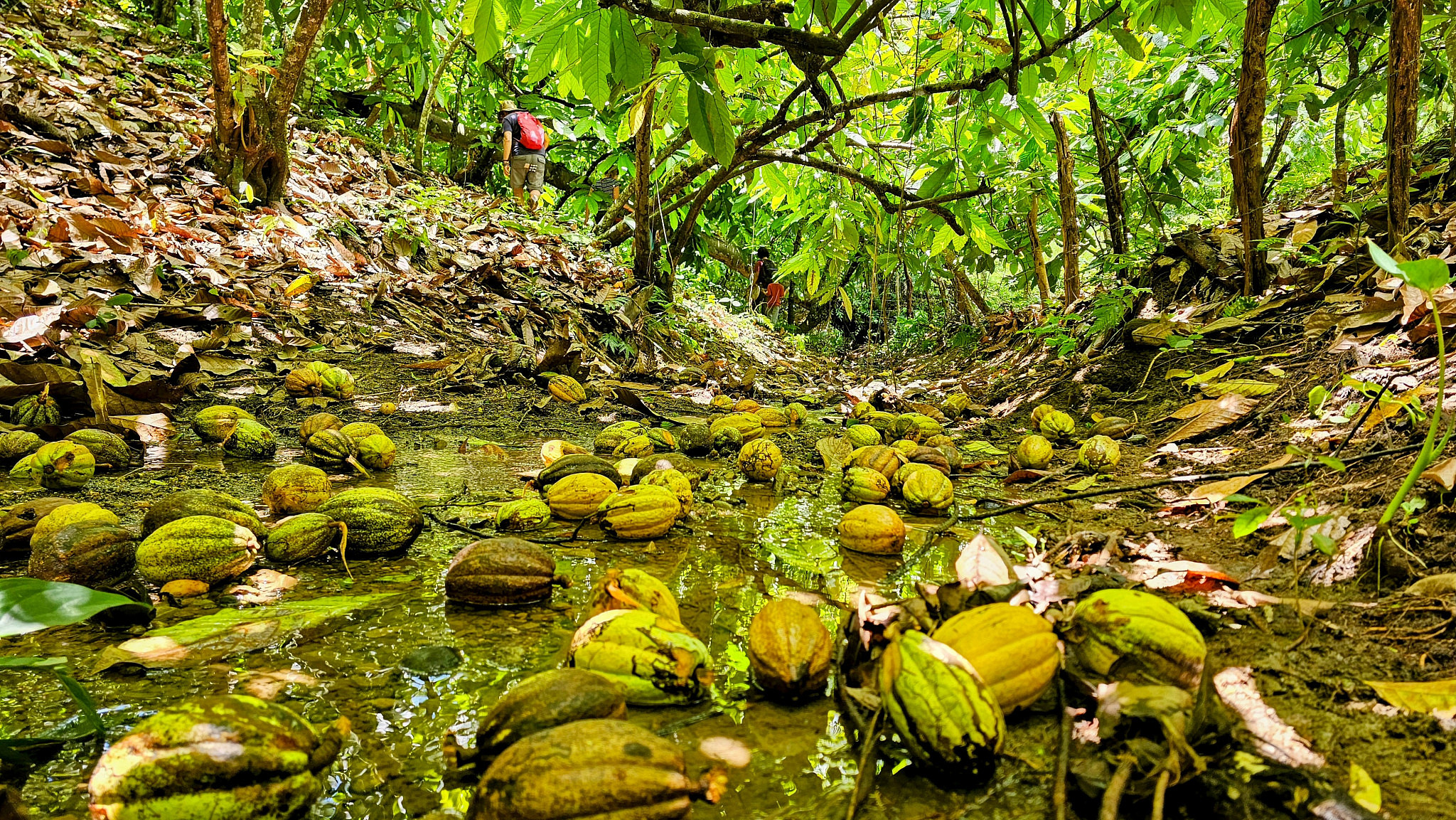
Later in the week another journey leads inland again, this time toward a shaded hillside where cacao trees grow beneath tall tropical canopy.
The Dominican Republic is one of the Caribbean’s oldest cacao producers, and in these forests the tradition remains deeply rooted in everyday life.
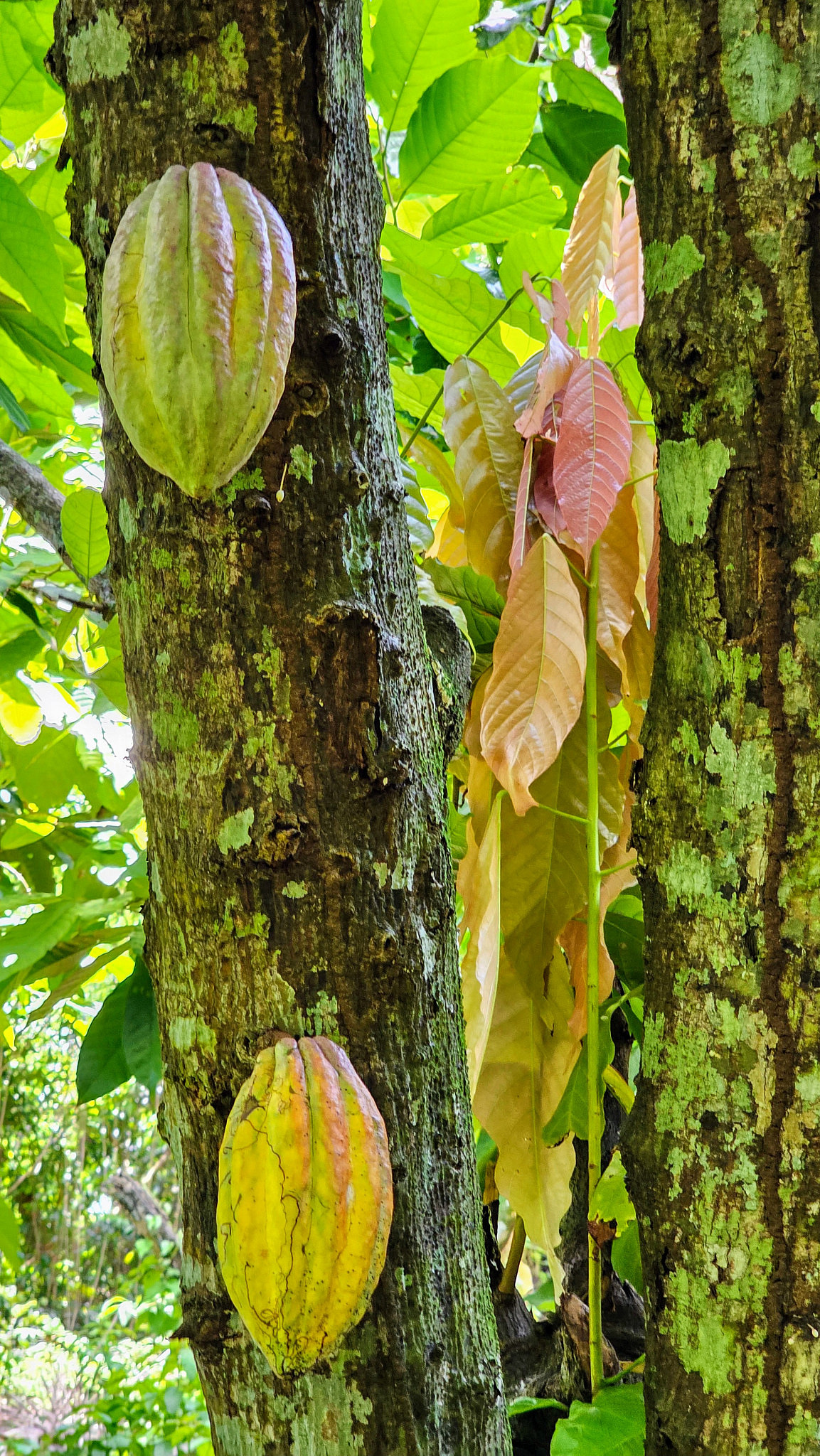
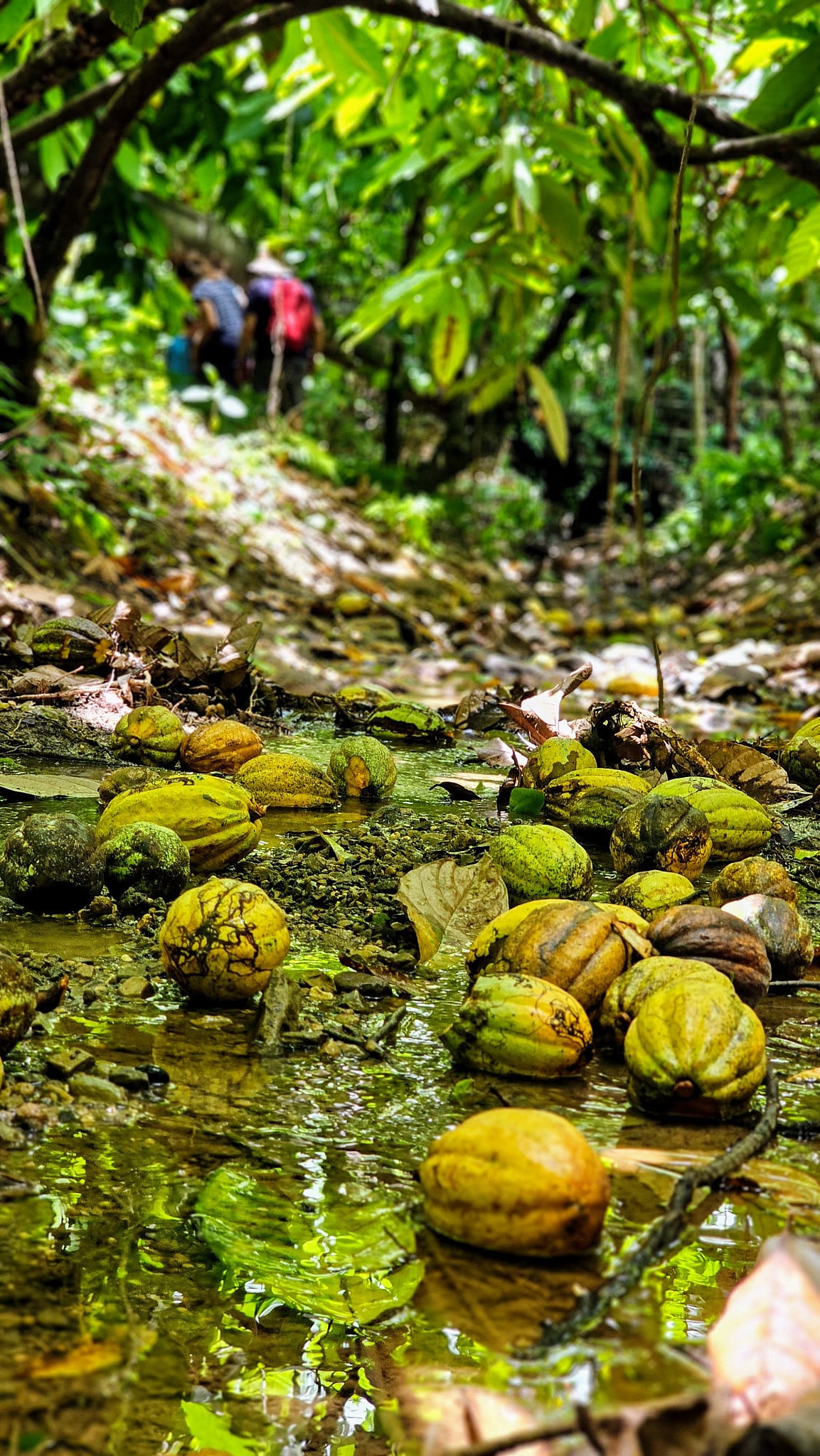
Pods hang directly from the trunks of the trees, glowing red and gold beneath thick leaves.
Flow Immersions partners with a small local collective working to restore heirloom cacao varieties once common across the region. Visitors walk narrow forest paths with guides who grew up among these trees and understand the rhythm of each harvest season.
Along the way, the story of chocolate unfolds step by step.
Pods are split open to reveal the sweet white fruit surrounding the beans. Fermentation boxes sit beneath wooden roofs where the beans develop their flavor. Nearby, cacao dries slowly in the sun beside a quiet river.
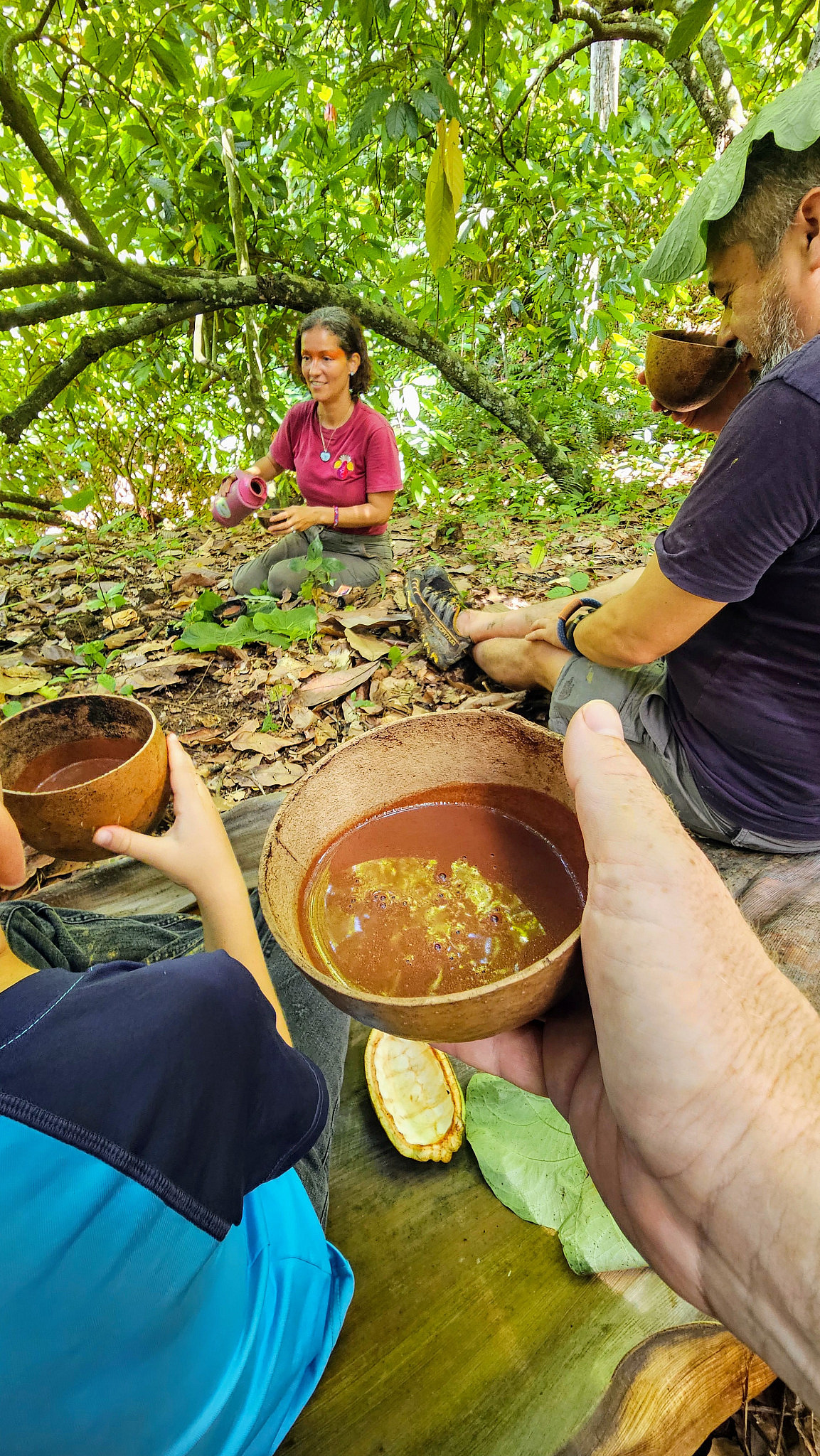
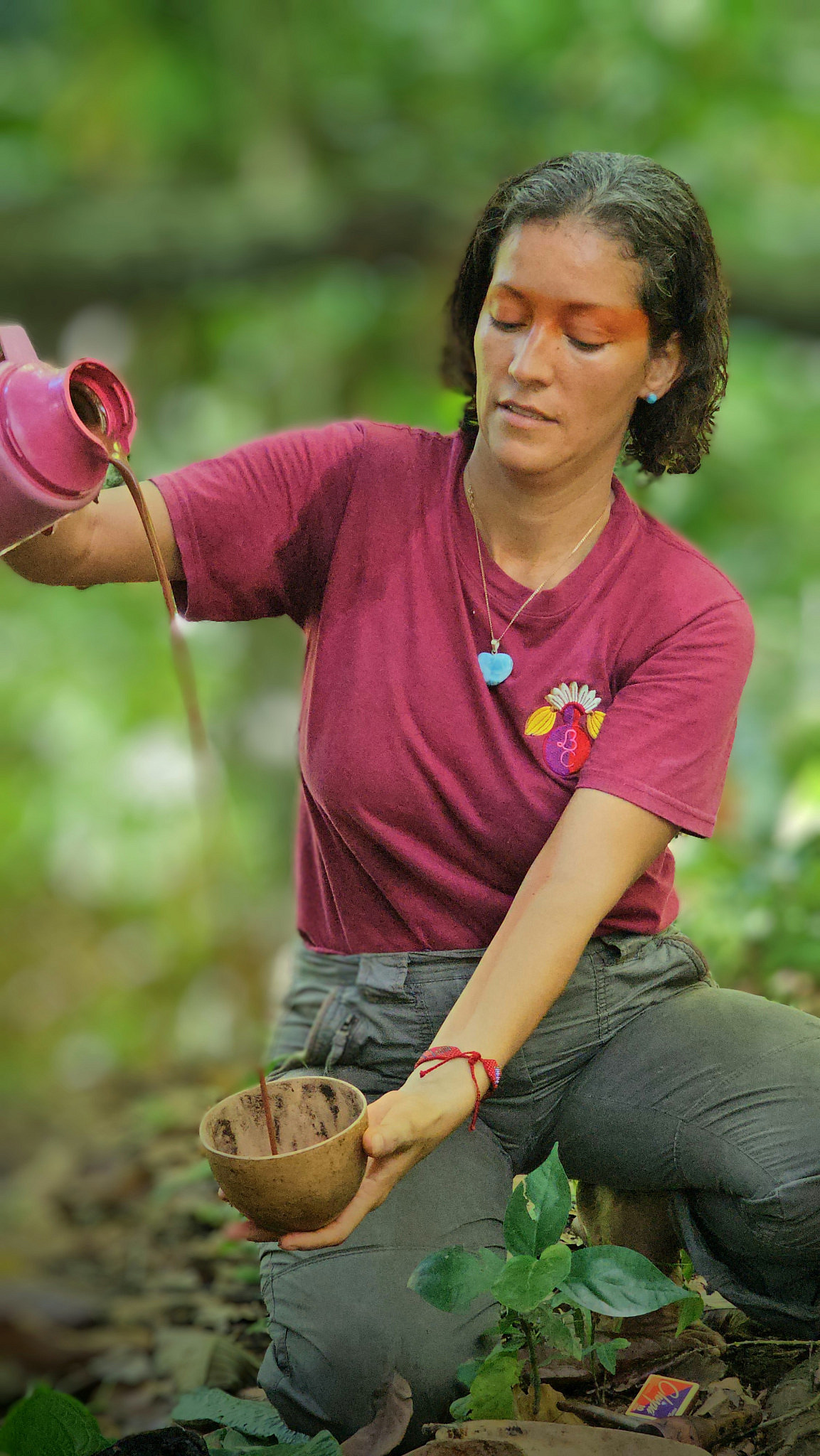
The visit pauses beneath the forest canopy for a simple cacao ceremony.
Cups of freshly prepared cacao are shared while guides speak about the crop’s cultural significance among the island’s early Taíno communities and the farmers who continue cultivating it today.
Some visitors wander toward the nearby river afterward, where a natural green clay exfoliation becomes an impromptu riverside ritual.
Standing there, it becomes clear that this forest is not simply farmland.
It is a living system supporting families, culture, and a tradition that has survived centuries.
 Where Bachata Lives
The final immersion takes place back in Cabarete, though in a place many visitors never see.
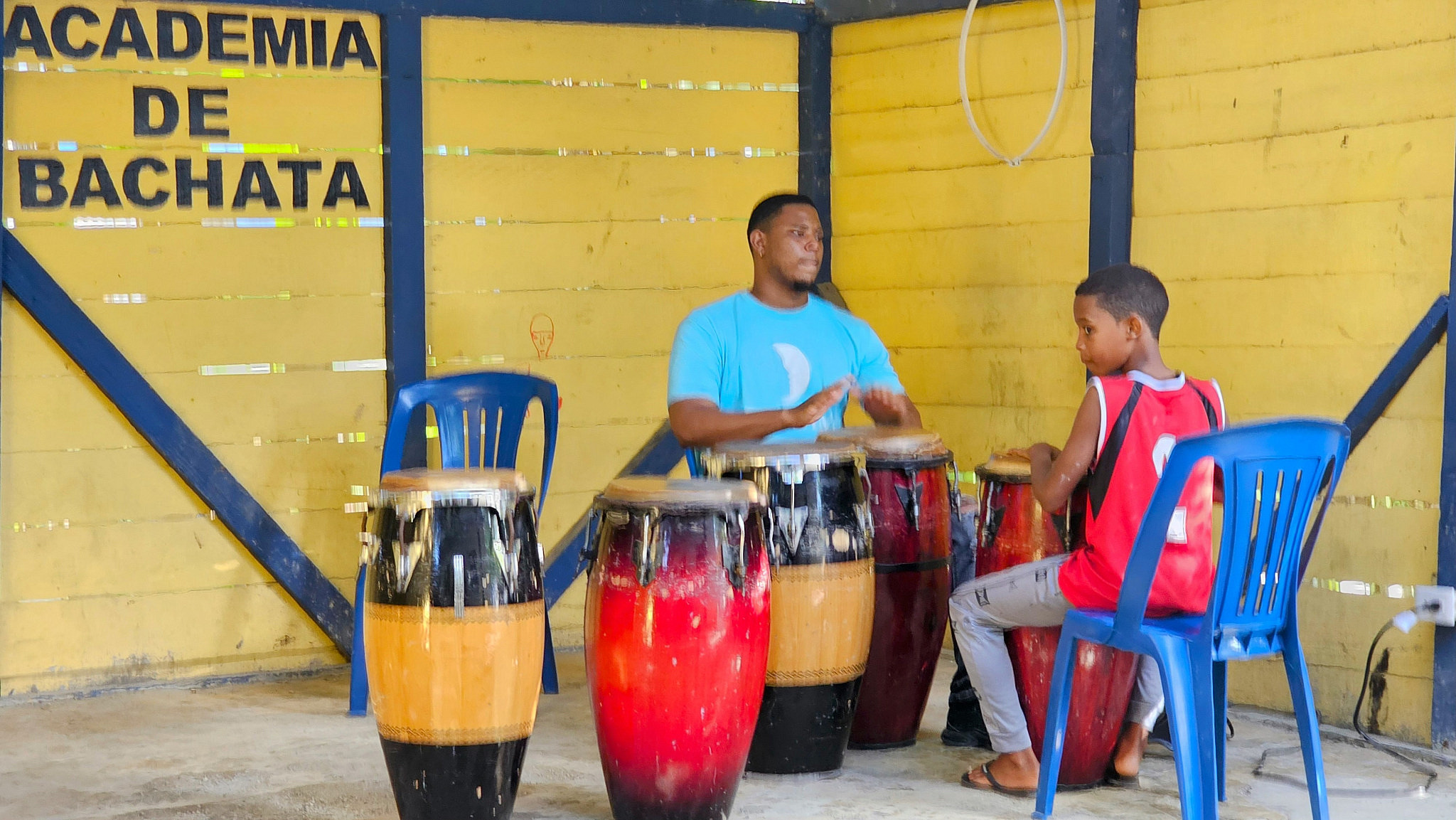
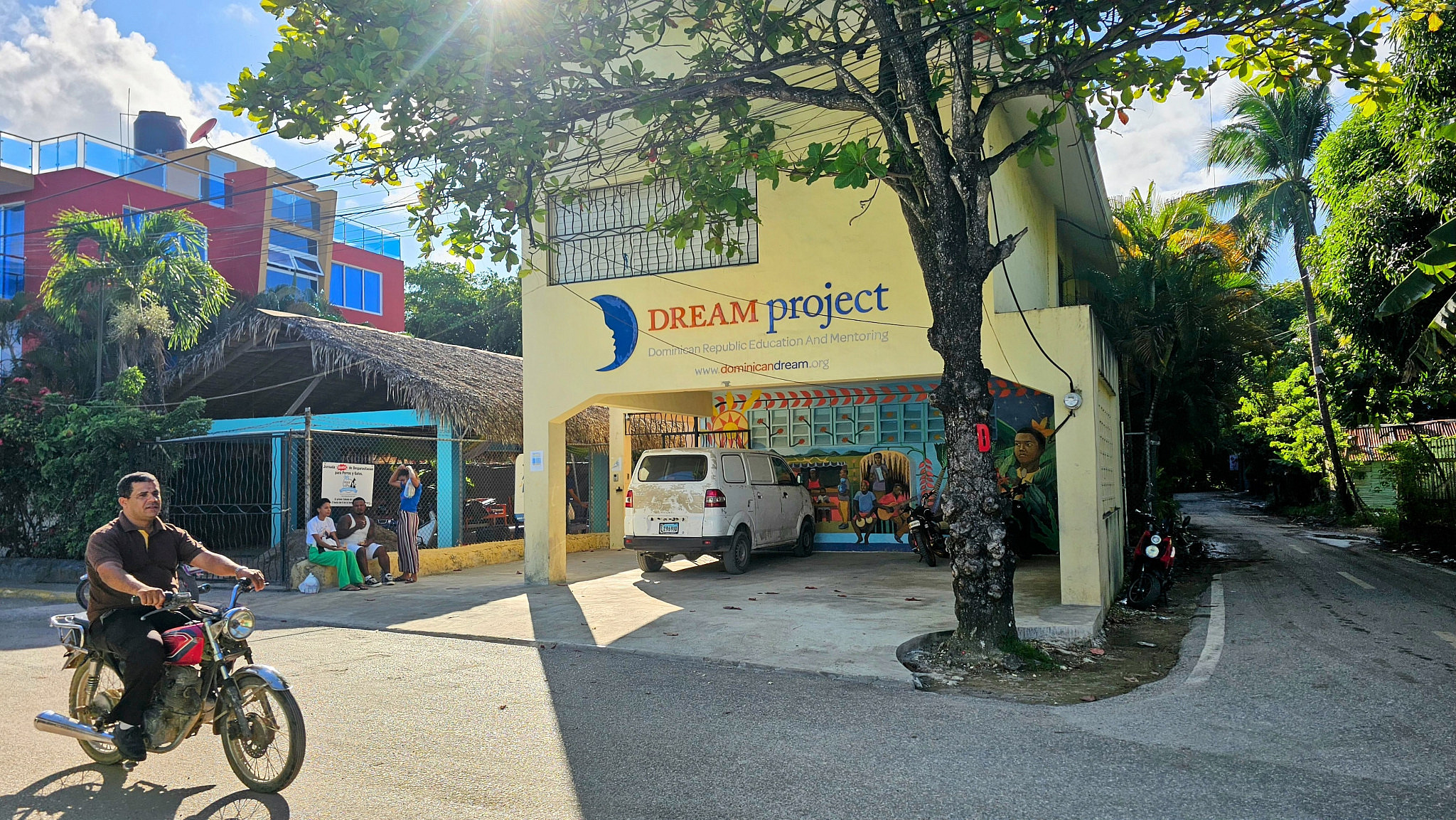
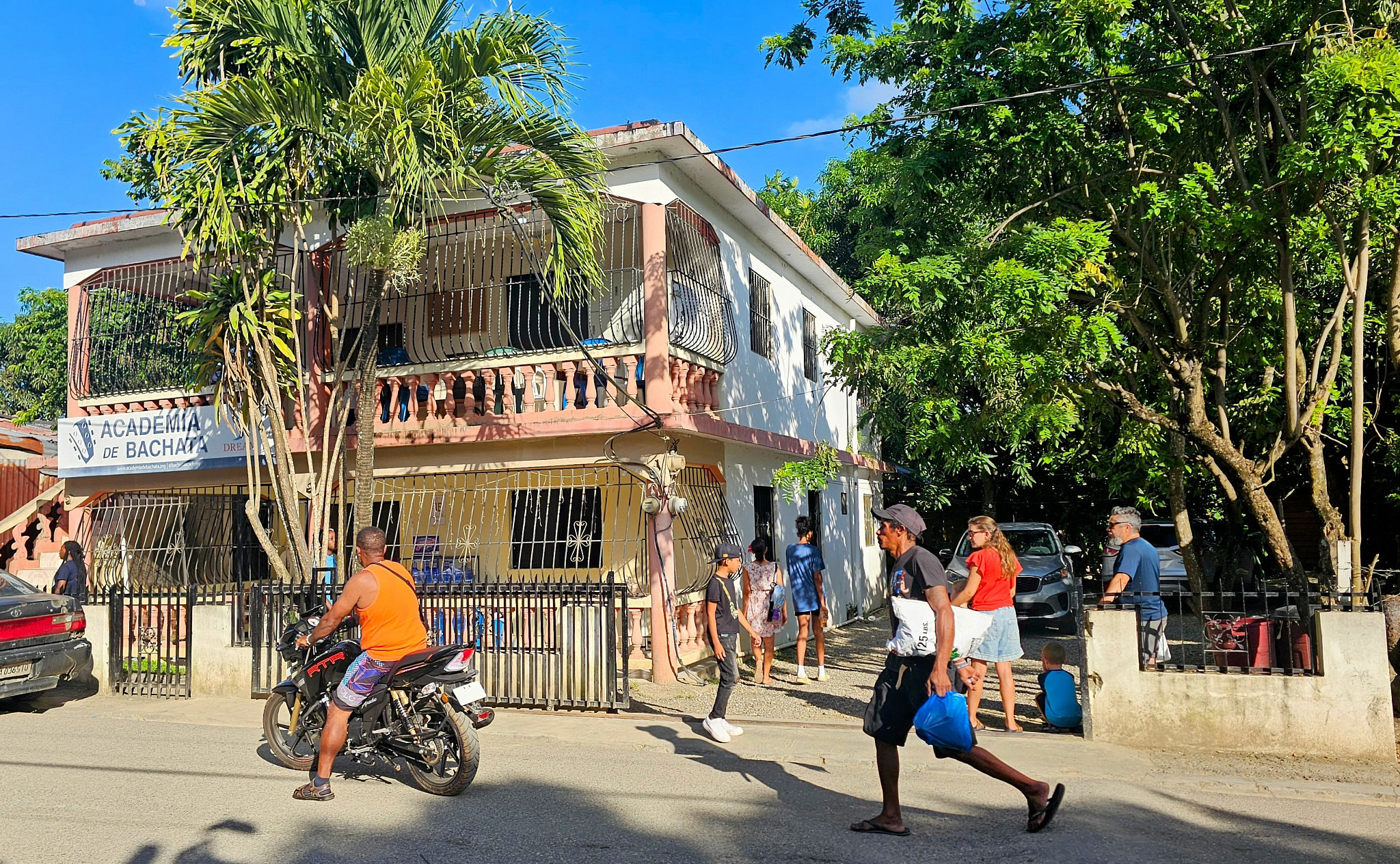
Behind the beachfront restaurants and surf schools stands the DREAM Project’s Academia de Bachata, a music academy created for local children and teenagers.
From the outside the building looks modest.
Inside it hums with rhythm.
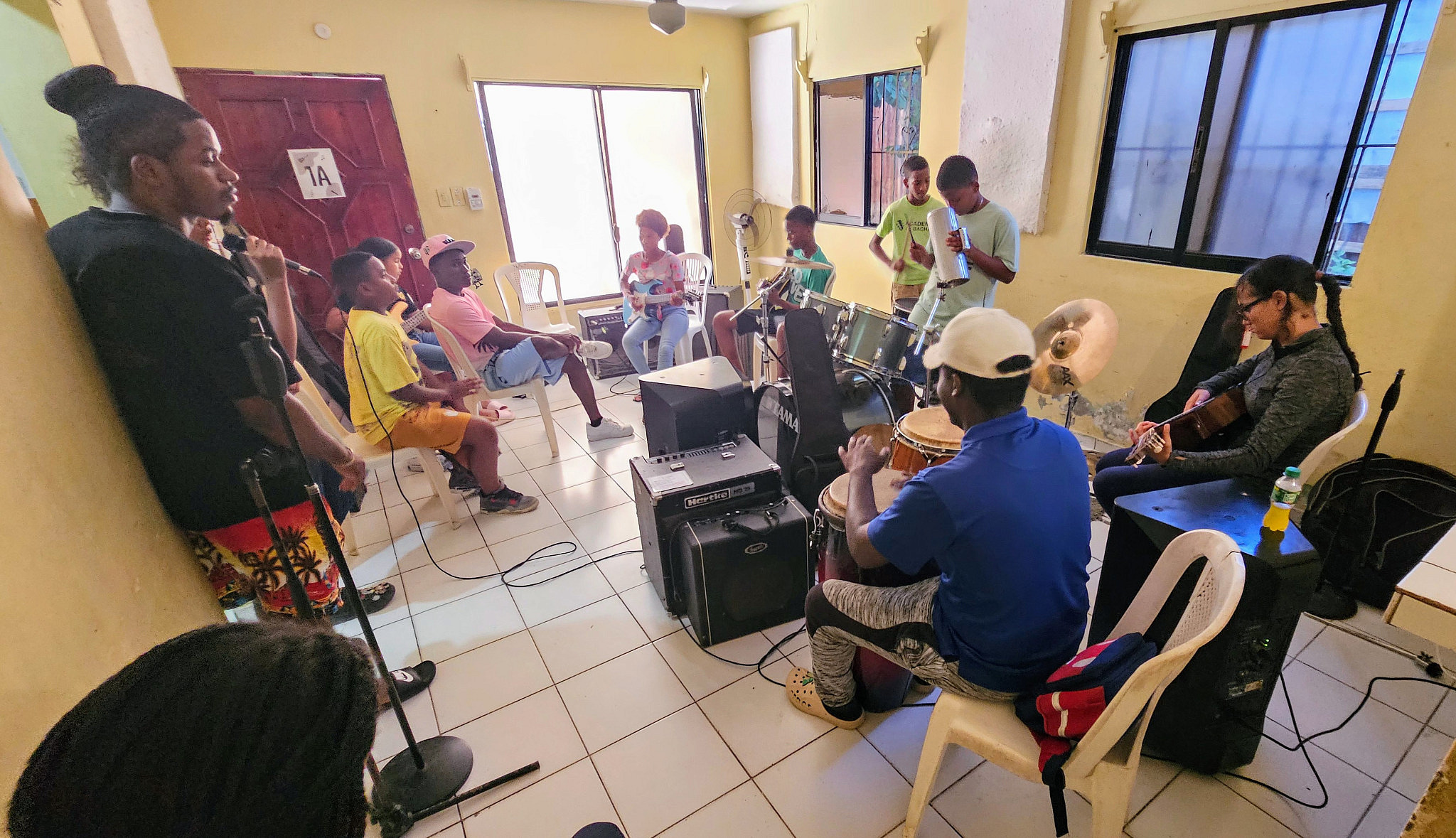
Guitars echo through open windows while students rehearse. Drums pulse in the courtyard. Young musicians practice chords alongside instructors who once studied in the same classrooms years earlier.
The academy was founded to preserve Dominican musical heritage while offering new opportunities for youth through music education.
Students learn bachata, merengue, and cha-cha-cha. Some eventually perform professionally across the country.
Visitors are welcomed quietly into rehearsals, where they observe the students practicing and sometimes join the rhythm themselves. A few tentative dance steps often turn into laughter before the session ends with a spontaneous jam.
For a moment, the room fills with music.
And culture reveals itself in its most authentic form, alive and evolving.
 A Retreat That Extends Beyond Its Walls
By the end of the week, a pattern emerges.
OYA offers stillness and space for personal transformation within its forest sanctuary. Yet the surrounding landscape completes the story.
Waterfalls offer moments of quiet reflection in nature. Cacao forests reconnect visitors with centuries of agricultural tradition. Music classrooms reveal the cultural pulse that keeps Dominican identity alive.
For retreat destinations seeking long-term sustainability, this kind of integration with local landscapes and communities is essential.
Travel becomes more than a visit.
It becomes a relationship with a place and the people who sustain it.
And in the hills above Cabarete, that relationship is only beginning to unfold.
#NatureHealResorts