

Somaliland’s Right to Choose: The Case for Diplomatic Relations with Israel
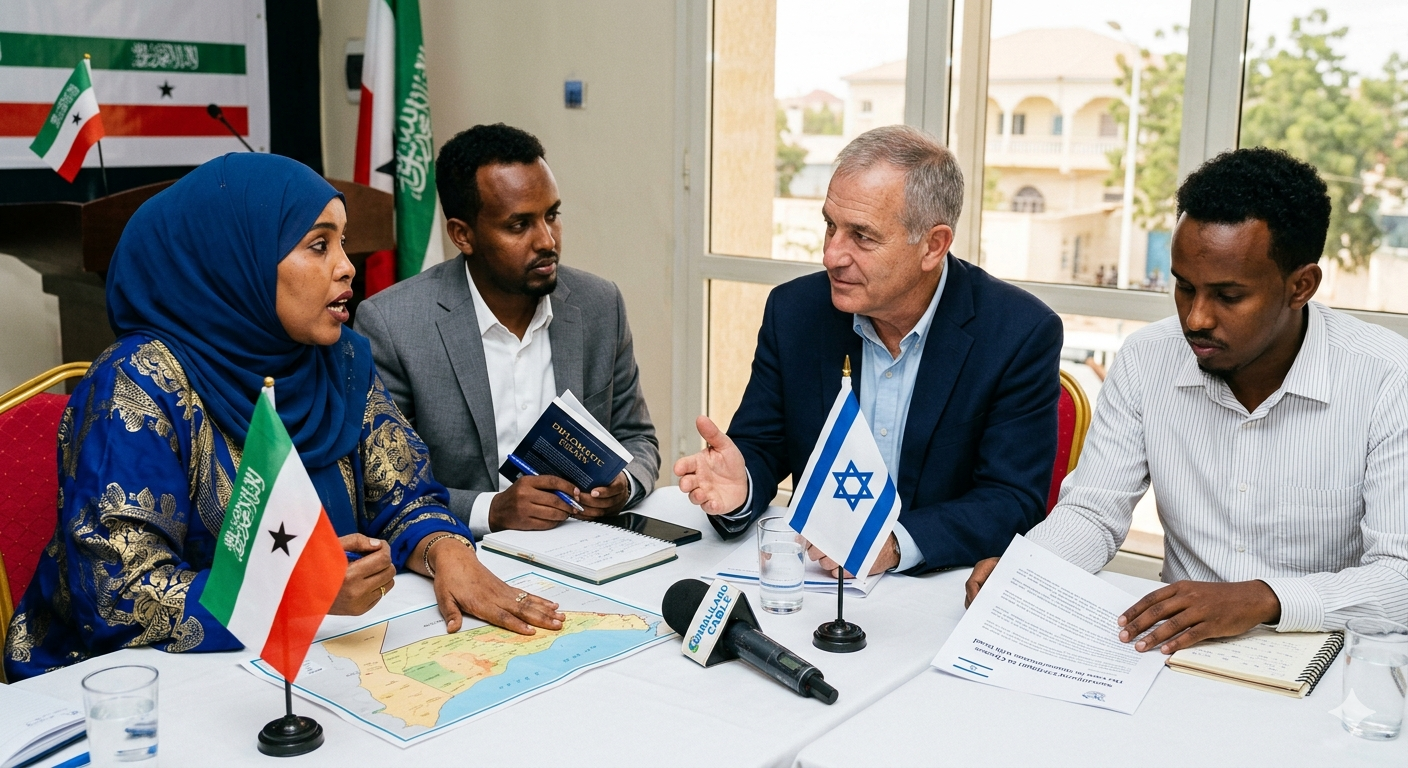
In today’s rapidly changing international system, states and self-governing political entities increasingly shape their foreign policies based on strategic interests, economic opportunities, security cooperation, and diplomatic diversification. Somaliland, which has maintained peace, democratic governance, and institutional stability for more than three decades, has every legitimate and moral right to pursue diplomatic relations with any country it considers beneficial to its national interests including Israel.
The countries including Indonesia, Pakistan, Turkey, Jordan, Qatar, Saudi Arabia, Egypt, Lebanon, Yemen, Sudan, Oman, Palestine, Somalia, and Djibouti all independently determine their foreign policies according to their own national calculations. Some maintain direct or indirect relations with Israel, while others cooperate with Western allies that maintain deep strategic partnerships with Israel. This demonstrates an important principle of international relations: sovereign political actors make decisions based on national interest, not external pressure or emotional rhetoric.
Somaliland’s case is even more compelling. Unlike many conflict-affected regions in the Horn of Africa, Somaliland has built a functioning democratic system, held multiple elections, secured maritime trade routes, and maintained internal peace without major international assistance. As a result, Somaliland must be free to seek partnerships that strengthen its economy, technology sector, security capabilities, agriculture, water management, and diplomatic outreach.
Establishing a formal diplomatic presence or embassy office in Israel is a calculated step toward advancing national interests, not a compromise of core values. Modern foreign policy requires balancing multiple global relationships simultaneously, and maintaining open channels of communication is a standard practice of sovereign nations.
Israel is globally recognized for advancements in agriculture, desert technology, cybersecurity, water conservation, innovation, and healthcare. Somaliland, facing climate change, drought, unemployment, and development challenges, could benefit from practical cooperation in these areas. Strategic diplomacy should focus on what improves the lives of citizens and strengthens national resilience.
Critics who oppose Somaliland’s independent diplomatic choices often ignore a fundamental reality: Somaliland governs itself, protects its territory, conducts elections, and maintains institutions independently. Therefore, it has the political responsibility to pursue relationships that advance its people’s future. No external actor should monopolize Somaliland’s foreign policy direction or deny its leadership the right to engage internationally.
In international politics, respect is often earned through strategic confidence and pragmatic diplomacy. Somaliland’s pursuit of broader international partnerships whether with African states, Gulf countries, Western nations, or Israel should be viewed as part of a wider effort to secure recognition, investment, security cooperation, and economic development.
Ultimately, the question is not whether others approve of Somaliland’s diplomatic choices. The real question is whether Somaliland has the sovereign right to determine its own future. The answer, from the perspective of political self-determination and modern diplomacy, is yes.