Sometimes the most powerful voice in history is a quiet refusal
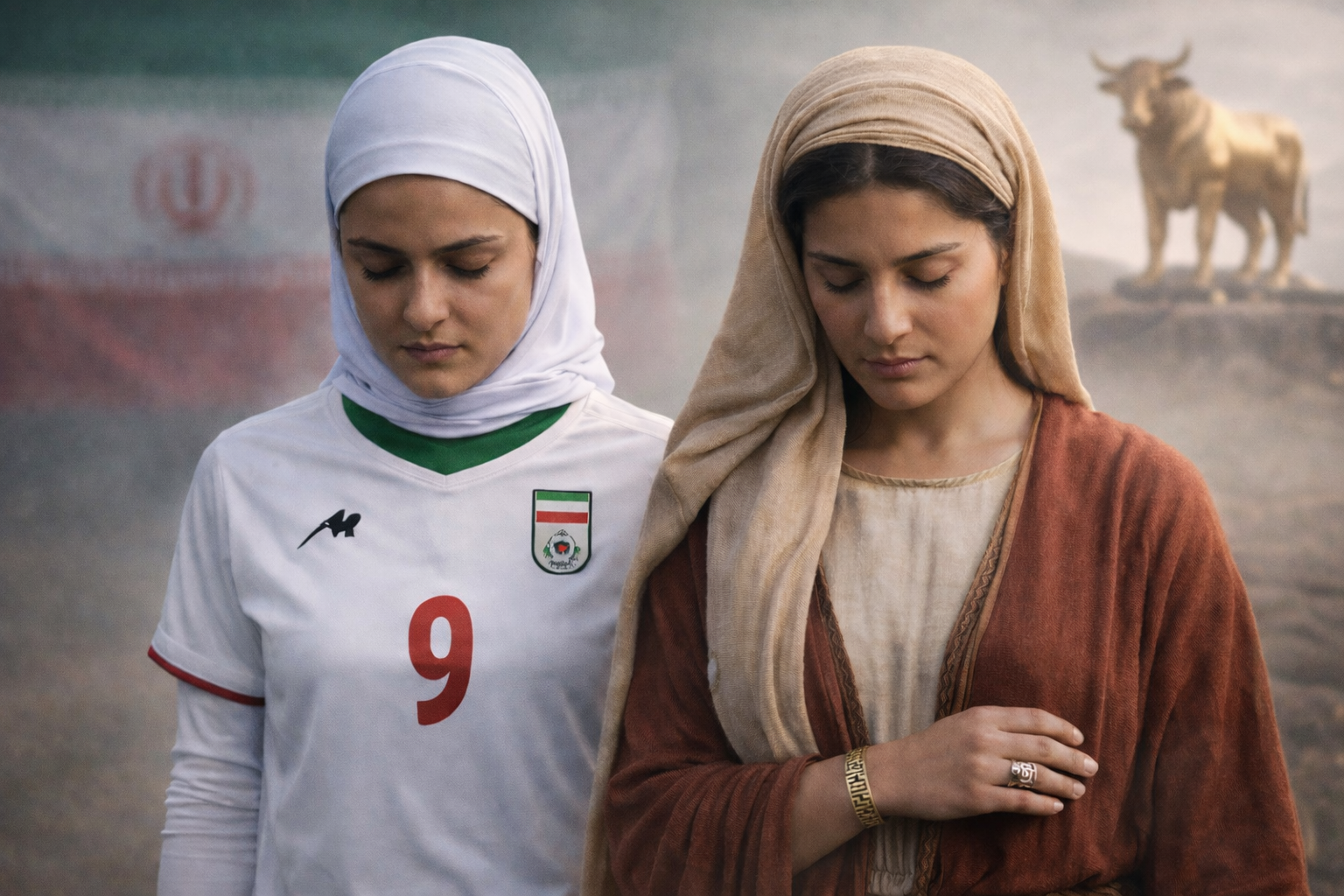
I pray in two places every week: the synagogue and the soccer stadium, Surprisingly, I have learned something about faith in both. In this week’s double Torah portion: Vayakhel–Pekudei, The Torah describes the construction of the Mishkan, the sanctuary in the desert. The people are invited to bring materials for its building, and the Torah goes out of its way to mention the women:
And every wise-hearted woman spun with her hands, and they brought the spun yarn- blue, purple, and crimson thread (Exodus 35:25)
Yet this moment raises an intriguing question. Where were these women just a few chapters earlier? In the story of the Golden Calf, Aaron asks the people to bring gold:
Remove the rings of gold that are in the ears of your wives, your sons, and your daughters, and bring them to me (Exodus 32:2)
Aaron is unusually specific. The gold is meant to come from everyone: men, women, and children. But when the Torah describes what actually happens, the language subtly shifts:
And all the people removed the rings of gold that were in their ears and brought them to Aaron (Exodus 32:3)
Suddenly the women disappear. Aaron asked for gold from everyone. Yet when the gold arrives, it comes only from “the people” — a term that often refers primarily to the men. The Torah does not describe a protest. There is no confrontation, no speech, no rebellion. Just silence.
Sometimes the most powerful voice in history is a quiet refusal.
Many commentators noticed this gap and suggested that the women simply refused to give their jewelry. Later Jewish tradition even praises them for it. The women of Israel are remembered for not participating in the sin of the Golden Calf, while later becoming the first to contribute their gold and skills for the building of the Mishkan. When the goal was idolatry, they withheld. When the goal was sacred construction, they gave. The same gold. A different purpose.
History often imagines courage as loud confrontation or dramatic victory. But the Bible offers a different model. Shifra and Puah, the Hebrew midwives in Egypt, quietly refused Pharaoh’s order to kill newborn boys. Queen Esther changed the course of history not through force, but through patience and courage. The daughters of Zelophehad respectfully approached Moses and persuaded even God to reconsider the laws of inheritance. Their courage did not shout. But it changed the future. And sometimes that same kind of courage appears in unexpected places, not only in ancient texts, but on modern stages where the whole world is watching. Sometimes it appears on a soccer field.
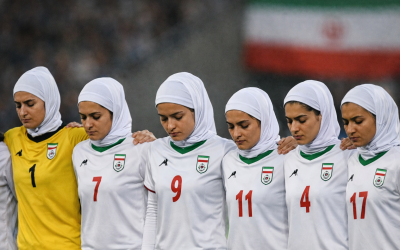
Recently, the women’s national soccer team of Iran arrived in Australia for an international match. When the Iranian national anthem began to play, the players stood in silence. They did not sing. They did not shout slogans. They did not remove their hijabs. They simply lowered their eyes and remained quiet. The gesture lasted only moments, but the message was unmistakable. In a country where women are often silenced, these athletes managed to communicate to the world exactly how they felt — without uttering a single word. The reaction from the Iranian regime was swift and harsh. Pressure and threats followed. At the next match, the players sang loudly and even saluted the flag. But the contrast between the two moments said more than any speech could have. A small, relatively unknown soccer team had suddenly captured the attention of the entire world. Sometimes, that is how women’s courage works. Not through grand declarations, but through quiet acts that reveal enormous strength.
In the story of the Golden Calf, the women disappear from the text. But perhaps they were never missing. Perhaps they were simply choosing not to participate. And sometimes, that choice is the most powerful voice of all. History does not move only through loud revolutions. Sometimes it moves through a quiet refusal- in the desert of Sinai, and sometimes on a soccer field thousands of years later.
This Shabbat I will pray not for the victory of the sword, but for the victory of the women’s voice — the one spoken in words, and the one that speaks through silence.
Shhhhh… Shabbat Shalom.