Speaking Beyond the Ruins
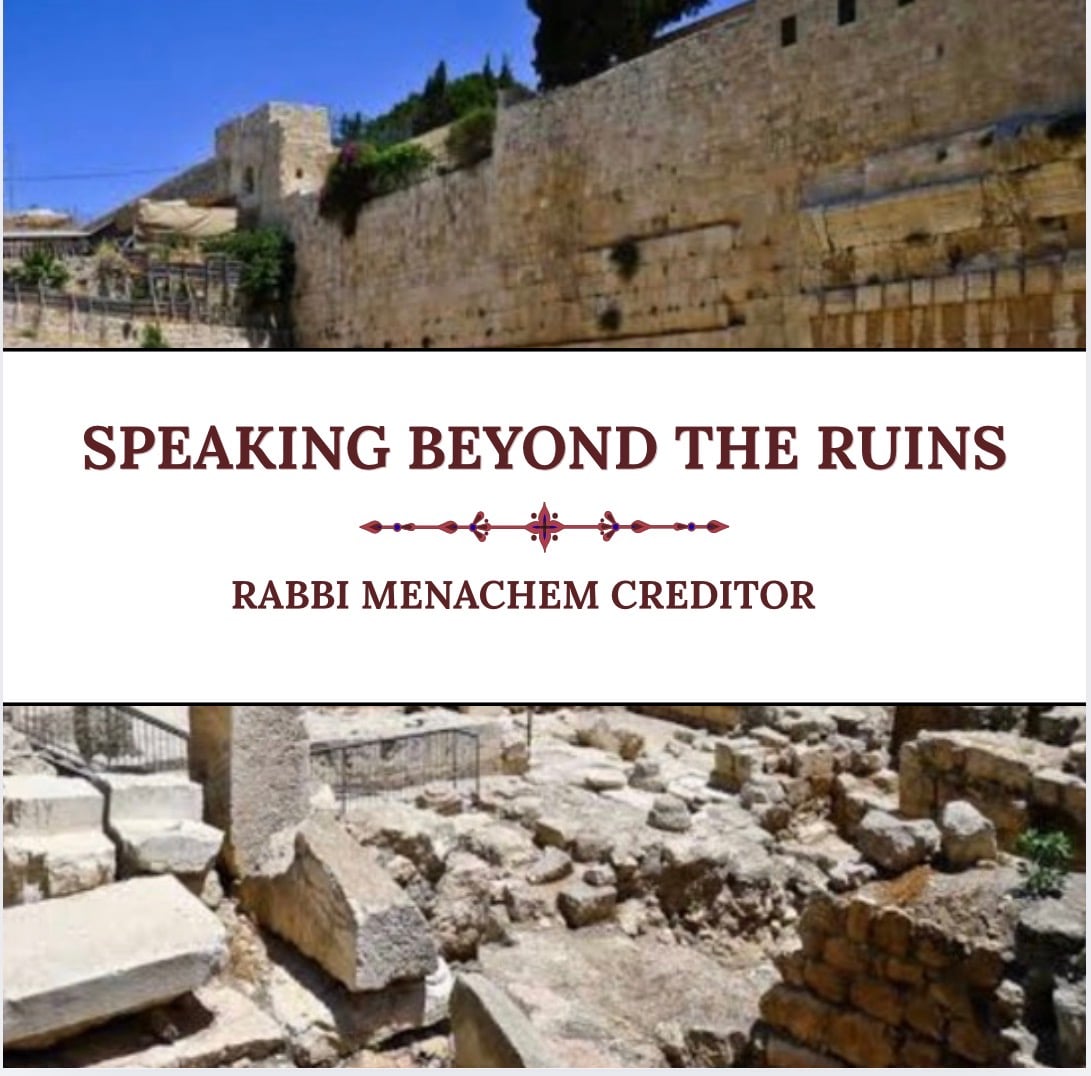
Rabbi Delphine Horvilleur’s piercing and profound new book, Sermons Among the Ruins, begins with a question every religious leader should ask in a time of catastrophe: What happens to language when the world collapses?
After October 7, Horvilleur says, it took her time to speak about the suffering of innocent Palestinians. She does not present that delay as a virtue. She describes it as part of the truth: shock can narrow our vision. Grief can leave us unable to see beyond the people we fear losing. Her willingness to name that process is a brave form of moral courage.
I deeply recognize that struggle. Jewish pain is not an abstraction. The brutal murders, kidnappings and sexual violence of October 7 shattered lives and deepened a Jewish awareness that our safety cannot rest on the hope that others will protect us. Jewish self-determination is not a fashionable position or a slogan. It is the hard-won conviction that the Jewish people must be able to defend Jewish life.
I am a Zionist. I will not surrender that word to those who use it to sanctify every action of an Israeli government. I will not surrender it to those who define Jewish self-determination itself as racism. A Jewish state must answer for what it does. Its obligation to protect its people is real; so is its obligation to conduct itself ethically, even and especially in response to an unfathomably horrific attack. These commitments belong in the same moral conversation.
Horvilleur refuses the demand that we choose between them. She remains a Zionist and insists that Palestinian suffering be spoken of. She does not pretend that the words are easy or that everyone will receive them in good faith. She warns that certain words become ‘shibboleths’: tests of allegiance. Say the required word and you belong; hesitate and you become the enemy. In such a climate, language stops opening a path to thought and becomes a password for the tribe.
That danger runs in every direction. “Genocide” can become a verdict people are expected to repeat before they have examined the evidence, and can be used to make Jewish attachment to Israel sound irredeemable. “Resistance” can be made to excuse the murder of civilians. “Security” can become an excuse to disregard the lives and dignity of others. A rabbi’s task is not to pretend these words carry equal histories or consequences. It is to ask what they reveal, what they conceal and whom they put at risk.
Horvilleur’s sermons, gathered across two years of upheaval, offer a record of a religious leader trying to speak truthfully while the ground shifts beneath her. That kind of record matters. We need leaders who can revisit their own words, acknowledge what they could not yet say and keep interpreting instead of hardening into a role. It is hard to hold grief and responsibility at the same time. Jewish tradition gives us that discipline: argument across generations, text beside text, the insistence that no single voice possesses the whole truth. Interpretation is how responsibility stays alive.
Younger Jews are watching. They need to know that loving Israel does not require silence about Palestinian suffering, and that concern for Palestinians must never require renouncing Jewish peoplehood. They need communities where grief is not immediately cross-examined, where moral questions are not treated as betrayal and where nobody has to disappear for another person to be heard.
I write now because the pressure to choose a slogan is making people less able to hear one another and because Jewish belonging is increasingly treated as conditional upon what Jews say about Israel. Horvilleur shows another possibility: speak from within your people, refuse its self-deception, and remain open to the humanity of others.
The ruins are real. So is the work of cultivating a language that can hold us both safe and self-aware.
Am Yisrael Chai!