

Rabbi of Tamid Palm Beach
Spiritual Fitness: Raising Jews Who Don’t Need Permission
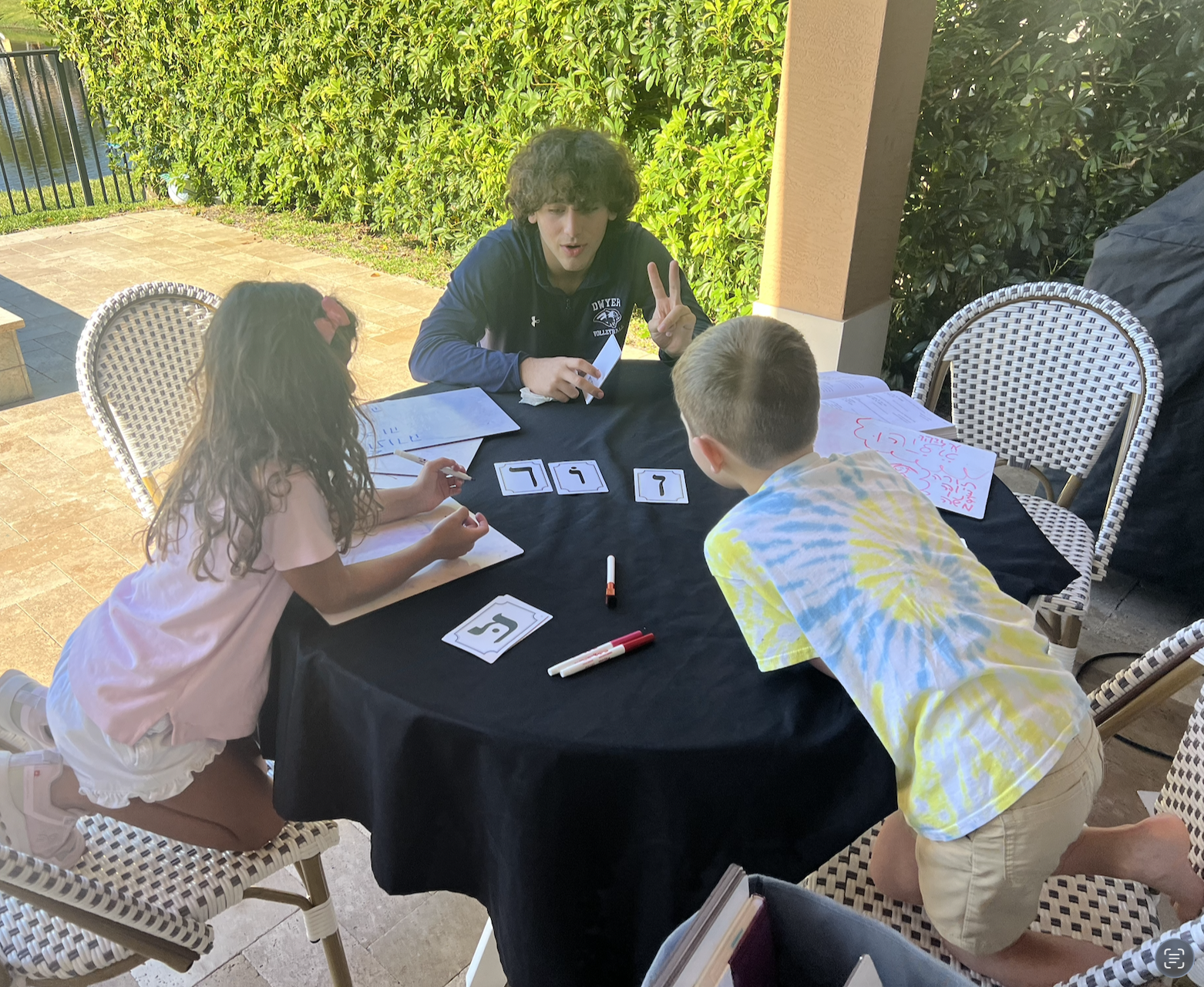
Young Jews teaching younger Jews creates something powerful: Judaism that feels lived, shared, and personal.
A confident Jewish future begins when students become teachers.
I once heard the Bostoner Rebbe speak to a group of college students. One student, just beginning to explore his Jewish roots, raised his hand and asked a simple question: “How do I become a rabbi?” Those of us in yeshiva, deep in Torah study, smirked. We were thinking about the years of study, ordination, credentials needed to become a rabbi. The Rebbe didn’t hesitate.“Anyone who teaches another person Torah is a rabbi.” We stopped smirking. The rebbe was not just speaking to that student, he cleverly speaking to all of us.
That answer wasn’t about lowering the bar. It was about redefining it. The goal isn’t to produce more professionals. It’s to empower people who feel capable of carrying and sharing Jewish life. Because the real issue isn’t how much someone knows. It’s whether they feel comfortable leading, whether they value what they’ve learned enough to step forward and use it.
You see this play out all the time. Someone is asked to lead a ritual, host a Shabbat dinner, say a blessing, and instead of stepping in, they call a rabbi. Not because the information is inaccessible. It’s all online. The barrier isn’t knowledge. It’s ownership. It’s about how any of us relate to Judaism once no one is assigning it.
We tend to measure Jewish education by milestones: attendance, bar and bat mitzvahs, completion. But those are short-term markers. They tell us who showed up. They don’t tell us who stayed.
In the world of health, real fitness is choosing to work out and eat healthy on your own. In Jewish life, it’s choosing to visit the sick, comfort a mourner, or make Kiddush, without being asked. Call it spiritual fitness.
Jewish life needs the same shift. Not more information. Not better marketing. A different goal: spiritual fitness, the ability to live a Jewish life outside a synagogue, without supervision, without pressure, and without guilt.
The Torah already sets this expectation:
“Teach them to your children… when you sit in your home and when you walk on the way.” (Deuteronomy 6)Not just in designated spaces. In your everyday life, where you may be.
Spiritual fitness gives us better insight into the word emunah, often translated as “faith.” Emunah is less about belief and more about development and practice. It shares a root with oman, a craftsperson, someone who develops skill over time. In that sense, emunah isn’t passive. It’s something that transform you.
Educational research consistently shows that people learn most deeply when they have to teach. When someone explains an idea, leads a moment, or guides others, the knowledge shifts from something external to something internal. Put simply: if you can’t teach it or don’t want to share it, you don’t really own it. Jewish tradition understood this long ago.
Our rabbis teach that anyone who teaches another person even one letter of Torah is worthy of respect. (Avot 6:3) Because the goal was never just to create students. It was to create people who can carry something forward who learn and teach what they love and value. Personal ownership doesn’t mean removing rabbis. It means raising Jews who don’t always need a rabbi in the room in order to live a Jewish life.
Too often, Judaism becomes performative, something done in front of a rabbi, for approval, instead of something a person would do on their own. Too often I hear quiet passing comments implying that ‘all is good because the rabbi said it is okay,’ as if the person is not personally invested in the decision, and is satisfied as long as the rabbi is satisfied.
If that’s true, then Jewish education has to look different to empower spiritually fit Jews. Because if Jewish life only happens inside a synagogue, under the guidance of a rabbi, then something has gone wrong. If you only do a mitzvah because a rabbi asks you to do it, what does this say about one’s ability to own their own Judaism?
We’ve built a system that teaches people to rely on rabbis instead of becoming responsible for their own Jewish lives. We need rabbis who are role models for living Jewish, not rabbis who perform it for others. We need rabbis who model a Judaism people can actually live, not an idealized piety few can sustain.
The Torah’s vision is ambitious: You shall be a nation of priests. (Exodus 19:6) A community where people don’t just consume tradition, they live it, shape it, and share it. Today we need to become a nation of rabbis, each of us proudly leading those aspects of Jewish life we are passionate about.
That’s spiritual fitness. And if Jewish education doesn’t build that, then we can keep improving programs, refining models, and increasing access
and still miss the point.