

A Mermaid in Jerusalem
Featured Post
Spoiler: It isn’t Tylenol and we did nothing wrong
Is your neurotypical child hitting all of the milestones? Here's what I need from you. (And no, it is emphatically not pity.)

I know I’m not the only mother going through this. (iStock)
After a year and a half of knowing something was wrong, my son no longer has to wait in line.
His little plastic disability card came in the mail last week.
On the surface, it’s every Israeli’s dream — skip the line. But for a parent, it’s the last thing you want.
At home, the evidence my son needs help is everywhere: floors covered in crumbs from food he likes to play with in his hands, walls marked and messy, and Twinkle, Twinkle, Little Star echoing like a horror soundtrack instead of a lullaby. Sometimes, I text one of the babysitters I keep on speed dial just so I can step out, and then spend the whole time wracked with guilt. Not just about leaving him, but about all of it — the destruction, the noise, the moments I lose my patience.
Why am I writing this? Three reasons.
1. Because I know I’m not the only mother going through this.
2. Because writing helps me sort through the static in my head.
3. Because I have a request for parents of neurotypical kids.
When I tell you my son pointed to the sky and said “star” — even with no stars visible — please don’t tilt your head in pity and then brag that your toddler is already reading Dostoevsky.
That’s great. But I’m not ready to hear about it.
And please, for the love of God, don’t tell me it’s because you played Mozart when you were pregnant. Or because you avoided Tylenol.
I played Mozart too. I also played Tupac, Ella Fitzgerald, Fairouz, Shlomo Artzi, and the Red Hot Chili Peppers. I did all the things — the tests, the vitamins, the restrictions. And still, here we are.
So when I hear Donald Trump ramble onstage about how Tylenol causes autism, I want to scream. Not just because it’s dangerous junk science and he can’t even pronounce acetaminophen correctly. Not just because millions of people listen to him. But because every word out of his mouth trickles down into conversations I have with other parents, into the sideways glances when I open up about my son, into the shame and blame that I refuse to carry anymore. And I emphatically don’t want pity either.
And because here, in Jerusalem, I can’t forget Iyad Halak. A man with special needs, walking to his school near the Old City, chased and shot by police who thought he was a threat. His caregiver shouted again and again that he was disabled, that he wasn’t dangerous, but it didn’t matter. He didn’t make it home.
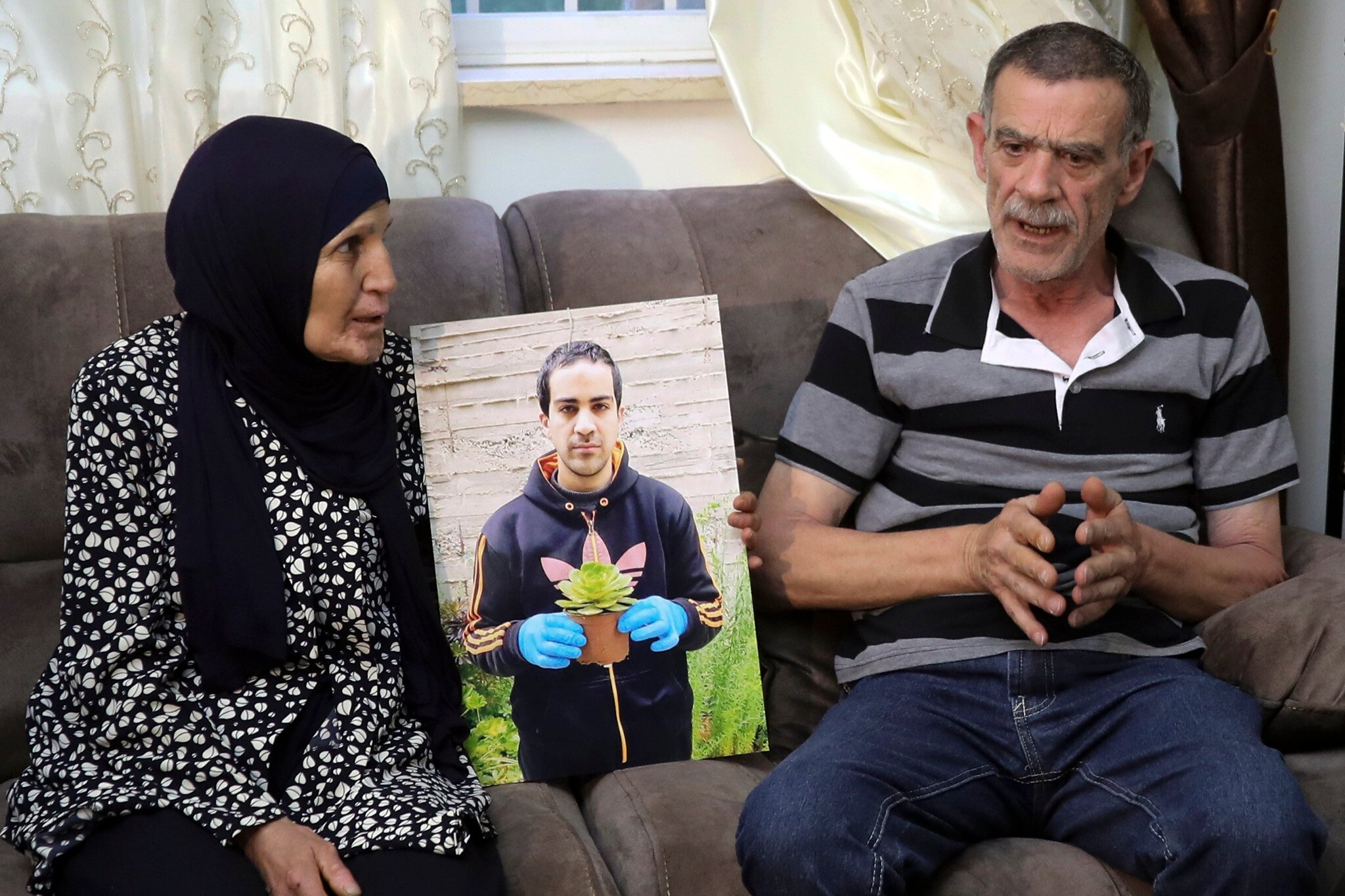
That story haunts me — not only because of what it says about this place, but because I see my son’s vulnerability in it. When someone can’t always respond on command, when their movements don’t line up with what the world expects, the consequences can be fatal. It’s not Mozart or Tylenol that shapes their lives — it’s whether the world chooses to see them as human.
And yet — I also have to say this: Israel is incredible when it comes to children with special needs — whether speech or developmental delays of any sort, or ADHD or ASD. The therapies, the early interventions, the schools, the government benefits — all of it makes me feel less alone and gives my son a real shot at thriving. I can be critical of this country and still grateful that it wraps a net under him, under us, when we stumble. Both can be true at once.
My older kids already taught me: childhood is fleeting. One minute, it’s Playmobil and bedtime stories, the next it’s camping trips with friends and leaving me on read on WhatsApp.
But with a child who doesn’t meet milestones the same way there’s no roadmap.
There are only twinkle, twinkle, little stars.
We learn to navigate by them.
And if you can help by not making it harder — by not parroting Trump’s nonsense, by not mentioning Mozart or Tylenol or me — maybe together we can make sure that boys like my son, and men like Iyad Halak, are safe enough to keep finding their stars.