
Morielle is the founder of Mile Advisory and the CEO of the ADIR Challenge Foundation, innovating the combat of antisemitism & hate.
Featured Post
Stanley Fischer and global Jewish leadership
Just as the late former bank governor brought us his expertise and vision, so too can a new wave of leaders emerge if only we invite them in
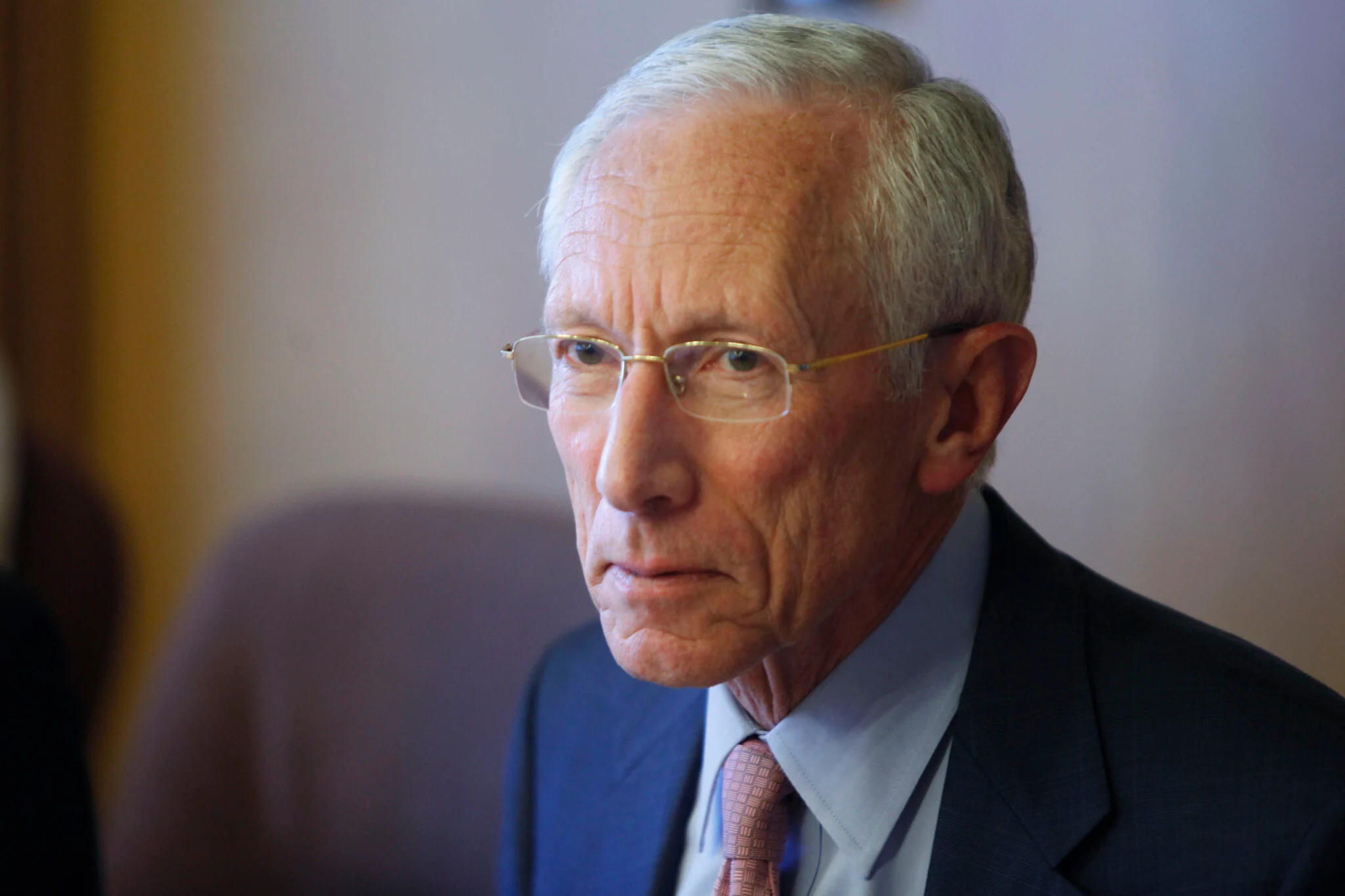
Then outgoing Bank of Israel governor Stanley Fischer at a press conference at the Bank of Israel in Jerusalem on June 25, 2013. (Flash90)
The passing of Stanley Fischer is a moment to reflect on leadership, responsibility, and where Israel’s next generation of leaders may come from, especially as we mark Shavuot, a time of receiving wisdom and renewing our commitments. A few years ago, I found myself on a flight sitting next to Stanley Fischer. I introduced myself and thanked him quietly but sincerely for his service to Israel. He smiled, humble as ever. It was a short exchange, but one that stayed with me.
There was always something that struck me about his decision to move to Israel. At the height of a remarkable global career – vice chairman of Citigroup, former IMF deputy director, an economist whose counsel shaped the financial policies of nations – he didn’t choose comfort or legacy. He chose responsibility. He left the United States to lead the Bank of Israel not out of necessity, but out of conviction.
His passing is a moment of mourning, but also of reflection. Because we are living in a time that demands more Stanley Fischers; more people willing to lead not because they have to, but because they believe they must.
Israel is in crisis, not only of security, but of spirit. And as we look to rebuild, we must expand our understanding of leadership. We can no longer afford to ask only who can lead, but where they must come from.
For too long, Israeli leadership has been defined narrowly – by geography, military service, political pedigree. But the challenges we face today are transnational, psychological, and existential. The forces threatening Israel are not only firing rockets, they’re waging ideological warfare, hijacking algorithms, and shaking global norms.
To meet this moment, leadership must be reframed.
It must include those outside of Israel – Jews of the diaspora – who bring not only skills, but also distance, perspective, and an unshakable yearning to contribute. Some may be drawn by pain; others by purpose. Some by history; others by hope. They are not immune to heartbreak. But they are not paralyzed by it. They carry with them decades of experience in diplomacy, finance, technology, education, and leadership. They’ve navigated challenges of a different kind, not on the frontlines, but in boardrooms, courtrooms, and global institutions.
And just as Fischer brought to Israel both expertise and vision, so too can a new wave of leaders emerge if we have the courage to invite them in, and if they have the drive to embrace leadership as a calling. Working side by side with Israelis, they offer not a substitute, but a vital balance between what is lived and what is observed, between the intensity of being too close and the clarity of standing just far enough away.
Whatever its origins, Israel cannot remain insular. It cannot rely solely on birthright. It must become a collective endeavor where people choose it, and in choosing, shape it. I don’t know what levers were pulled, what conversations took place behind the scenes, or whether it felt like a calling. What’s clear is that Stanley Fischer made a deliberate decision to bring his experience to Israel, and in doing so, became a lasting example of what diaspora leadership can be.
As we look ahead to what Israel must become over the next 100 years, this is the kind of leadership we should seek, support, and welcome – chosen, not assigned; committed, not assumed.
May Stanley Fischer rest in peace. And may his life and memory move more of us toward action.
Related Topics