


Staying Strong in New York: Awareness, Action, and Leadership for Jewish Safety
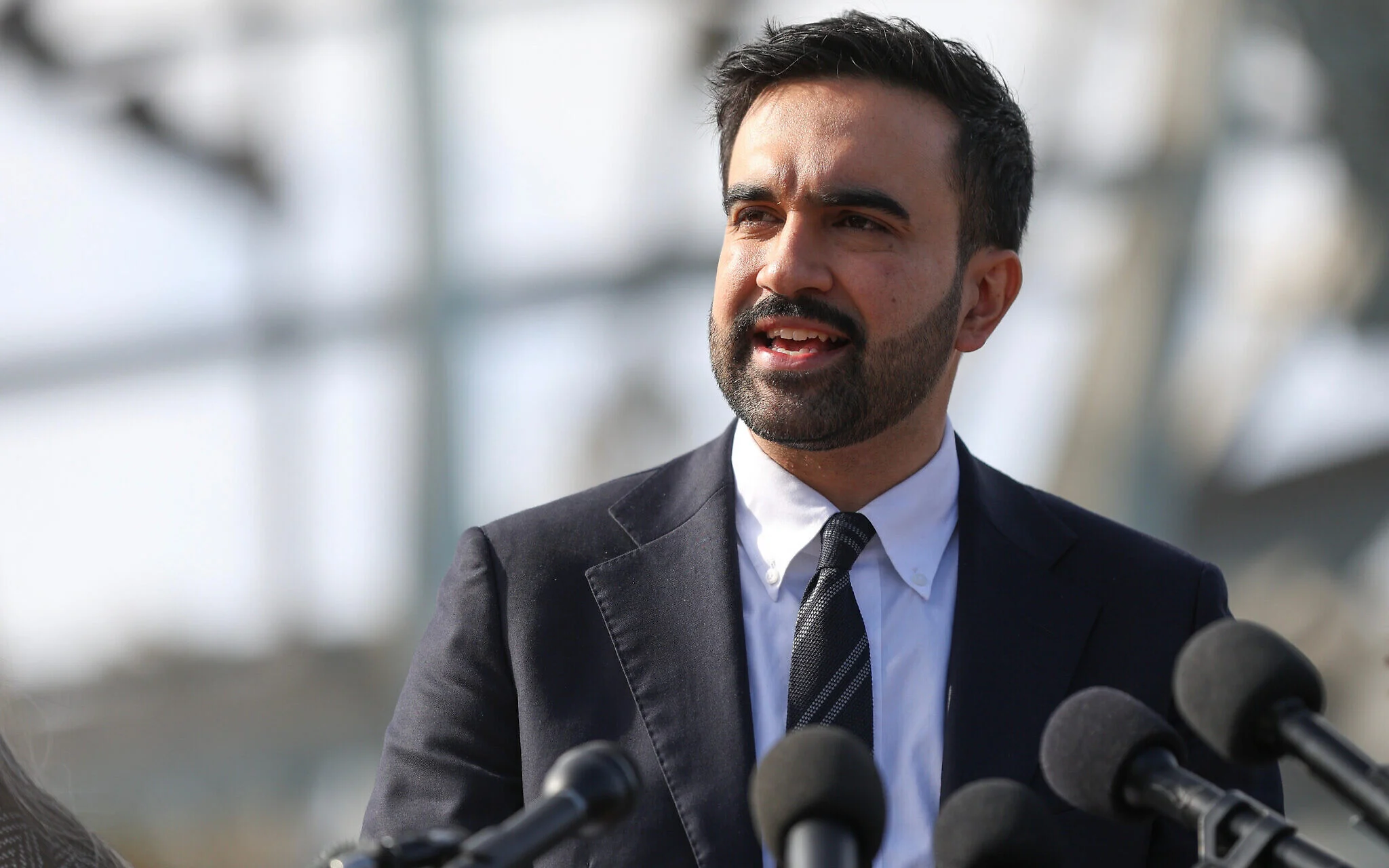
New York City is home to the largest Jewish population outside of Israel. Today, many Jewish New Yorkers who have the financial means to leave the city are quietly doing so—seeking safety, stability, and a sense of belonging elsewhere. At the same time, hundreds of thousands of Jewish residents cannot afford to leave, nor should they have to. New York is their home. Jewish New Yorkers are not obligated to abandon the city that generations helped build because of political shifts that place their security or civil rights in question.
What is unfolding is not panic or paranoia. Jewish New Yorkers are responding to lived experience, rising hostility, and the governing posture of City Hall. Vigilance in this moment is not alarmism; it is responsible citizenship grounded in history.
Mayor Zohran Mamdani holds direct executive authority over law enforcement priorities, agency leadership, budget allocations, and the civic tone of New York City. That authority matters. A mayor’s ideology does not remain theoretical—it is expressed through appointments, enforcement decisions, institutional norms, and public rhetoric. For Jewish New Yorkers, concerns stem from Mayor Mamdani’s own stated positions and public record.
One of the most consequential positions advanced by Mayor Mamdani is his rejection of the widely adopted IHRA definition of antisemitism. By favoring alternative frameworks that exclude many manifestations of Israel-related antisemitism, the mayor signals a narrowing of how antisemitism is recognized within city institutions. While IHRA has not been formally abolished, the mayor and his appointees have the discretion to determine which standards guide city agencies, schools, and contractors. That discretion directly affects whether antisemitic incidents are properly identified, documented, and addressed.
Public safety is another central concern. Mayor Mamdani has aligned himself with movements advocating for the reduction or dismantling of specialized NYPD protest policing and surveillance units. As mayor, he controls the NYPD through budgetary authority and commissioner appointments. These units have historically coordinated preventive security around synagogues, Jewish schools, and communal events during periods of unrest. Weakening them does not occur in a vacuum; it disproportionately affects visibly Jewish institutions that have already been targeted.
Mayor Mamdani has also openly supported BDS-aligned initiatives and economic pressure campaigns against Israel-linked institutions. Although state anti-BDS laws remain in force, a mayor can still influence pension fund advocacy, procurement practices, contracting standards, and the broader cultural climate in which Jewish and Israel-affiliated organizations operate. Executive signaling alone can create chilling economic and reputational effects.
Equally troubling has been the mayor’s selective disengagement from Jewish civic life. Mayor Mamdani has declined to participate in certain Jewish and Israel-linked civic events, framing such engagement as politically incompatible. These actions may be symbolic, but symbolism matters. The mayor is New York City’s chief civic representative. When Jewish participation in public life appears conditional on ideological alignment, it sends a message about belonging that reverberates far beyond any single event.
For many in the Jewish community, the deepest rupture has come from Mayor Mamdani’s use of Holocaust history in political rhetoric. His comparison of the slogan “Globalize the Intifada” to the Warsaw Ghetto Uprising was condemned by the U.S. Holocaust Memorial Museum as “outrageous and offensive.” This was not a policy decision, but it was an exercise of moral leadership—and a damaging one. Holocaust memory is foundational to Jewish identity and education, and invoking it to legitimize rhetoric associated with violence against Jews distorts history and erodes trust.
It is important to be precise. New York City has not formally dismantled Jewish legal protections. IHRA usage has not been abolished. NYPD coordination with Jewish institutions still exists. State-level anti-BDS laws remain in effect. The concern is not that safeguards disappeared overnight, but that leadership, rhetoric, and administrative discretion are moving in a direction that places Jewish security and civil rights at risk.
In this environment, Jewish New Yorkers must also be clear about allies. One of the most reliable indicators of whether elected officials are likely to defend Jewish civil rights and communal safety is whether they have been vetted and supported by pro-Israel, anti-antisemitism organizations such as AIPAC and affiliated political action committees. AIPAC’s vetting process evaluates voting records, public statements, and demonstrated willingness to confront antisemitism across political lines.
At the federal level, leaders such as Congressman Ritchie Torres have consistently defended Jewish civil rights with clarity and resolve. Figures like George Latimer have earned support based on records demonstrating seriousness about Jewish safety and the U.S.–Israel relationship. At the city and state levels, officials, including Eric Dinowitz, Lynn Schulman, Shaun Abreu, and Kalman Yeger, have built reputations for prioritizing Jewish education, Holocaust remembrance, and communal security. These distinctions matter in a polarized moment.
Preparedness also requires knowing how to seek resolution legally. Jewish New Yorkers should ensure that schools, synagogues, workplaces, and communal organizations use recognized antisemitism definitions, such as IHRA, for documentation and reporting. Incidents should be recorded consistently to preserve civil rights remedies under state and federal law.
Security coordination must remain non-negotiable. Jewish institutions should maintain formal relationships with local NYPD precincts and borough commanders and partner with established Jewish security organizations such as the Community Security Service and the Secure Community Network. Preventive security works when it is proactive and institutionalized.
Civic engagement is equally essential. Jewish New Yorkers should attend town halls, question elected officials directly, support leaders with proven records, and build coalitions with other communities who understand that civil rights rise and fall together. Silence creates space for erosion; engagement creates accountability.
Jewish New Yorkers are not reacting emotionally or impulsively. They are responding thoughtfully to a governing reality in which rhetoric, appointments, and executive discretion matter deeply. Those who can leave may do so—but those who remain should never be forced out of their home. Keeping New York safe for its Jewish population requires being prepared, informed, and engaged—now, not later. Jewish life in New York has endured because it refused to be passive. That vigilance remains necessary today.