
Still Wearing Hope
When the hostage deal was signed back in October, a thought crossed my mind: I guess I’m going to need a new necklace. I had been wearing the “Bring Them Home” dog tag for so long it had become part of me. What started as a temporary gesture turned into a daily ritual. I also wore a yellow bracelet and told myself I’d keep it on until the last hostage returned, even though I didn’t really believe that day would come.
I’m not naturally comfortable with symbols. Wearing protest items made me feel slightly awkward. It felt a bit performative, as if I was turning something sacred into an accessory. But I also understood their power. Symbols are how societies carry grief together. Wearing a dog tag and a yellow ribbon on my wrist was the smallest way of saying: I see you, and I haven’t moved on.
Today, the last Israeli hostage, Ran Gvili, came home.
When the final releases happened a few months ago, I was on vacation with my family. I watched the celebrations from afar, through a screen. It was quite ironic because for two years, I had gone to Hostage Square nearly every week, but I missed the celebrations. I didn’t care though – they were finally home! A week later, I went to the square on my own. The crowds were gone and the energy that had filled the place for so long had quieted. But the merch stand was still there.
Over the past two years, I kept buying things from that stand. It never felt like enough, but it was one of the only tangible ways I, as an ordinary citizen, could support the families and their fight.
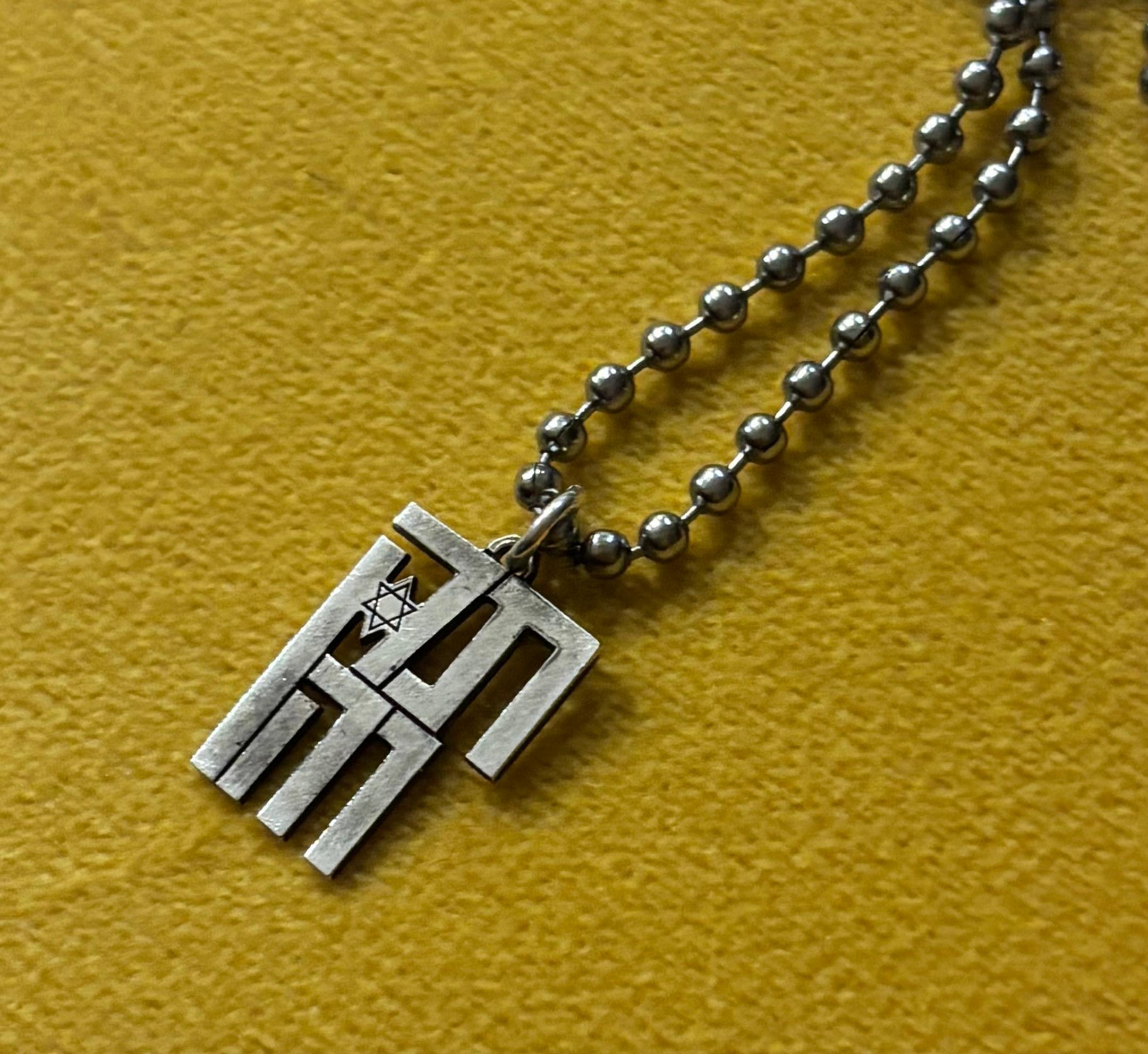
So I decided I’d buy one more thing. That’s when I saw the necklace. It was designed by Luis Har, a hostage who returned in a rescue mission in 2023, and on it was one word: תקווה. Hope.
It felt almost too perfect. For more than two years, hope has been a discipline. It transformed from a feeling to a choice – refusing to give in to the despair or numbness. Every hostage poster, rally, conversation, news item that connected back to their names was an act of clinging on to hope. As long as there was hope, there was still a reason to keep demanding.
Now they’re all home, and the question is uncomfortable: what do we do with hope when the waiting is over? The dog tag can come off and I finally cut off the yellow bracelet. The emergency state of solidarity that defined the past two years is shifting into something else. A huge sigh of relief and grief, anger and frustration at the cost, and both anticipation and fear for the future. It’s all real.
But I think that’s exactly why I wanted a new necklace.
Hope was never only about bringing them home. It was about who we are as a society while we were waiting. About refusing to accept a reality where our people are left behind. About insisting, time and again, that human lives matter more than fatigue or cynicism.
A few weeks ago, the ו in תקווה broke off my necklace. I still wear it.
When people notice, I joke that my hope might be a little broken, but it’s still there. It sounds cheesy when I say it out loud, but the truth is it doesn’t feel like a joke. Our hope isn’t shiny or whole anymore. It’s been stretched and tested by everything we’ve lived through. It carries the weight of funerals, protests, long nights in bomb shelters and endless arguments. It’s fractured and it knows the cost, but it’s still there.
Maybe that’s the kind of hope we need now. Not naïve – hope that’s been through a lot and refuses to disappear anyway. A hope that can sit next to grief and anger and still signal that we’re not done. That we still owe it to each other to rebuild, to argue, to fix what is broken, and to keep moving forward. As Rachel Goldberg-Polin so beautifully said: “Hope is still mandatory”.
For two years, I wore symbols to say: bring them home. Now they’re home and I wear one, to remind myself that hope, even when slightly broken, is worth it.