
Connecting Israel to the world through language, culture and technology
Stories Without Borders: Why Israel’s Literary Spirit Can Never Be Canceled
A few days ago, I found myself reading the news with a sense of profound shock and deep sadness as I learned about the Israeli Ministry of Education’s decision to cancel the Devorah Omer Prize for Children’s and Youth Literature. As someone who lives and breathes the teaching of Hebrew as a second language, I simply cannot remain silent, because this decision reflects a troubling lack of long-term vision and a fundamental misunderstanding of the deep bond between language and culture.
For those of us who serve as educators, both in Israel and across the globe, Israeli children’s literature is much more than just books on a shelf, as it represents our most precious and authentic resource. When I speak of authentic materials, I am referring to the entire heartbeat of our culture, which, of course, includes songs, films, television series, podcasts, press clippings, and more. These are the primary tools we use to bring a living, breathing, and emotional Hebrew to our students. When we share a story, we are not just teaching vocabulary, but rather we are inviting learners to step into the Israeli experience. Children’s literature is the foundation upon which education and creativity are built for life, and a society that abandons it harms the potential of its children and youth for years to come.
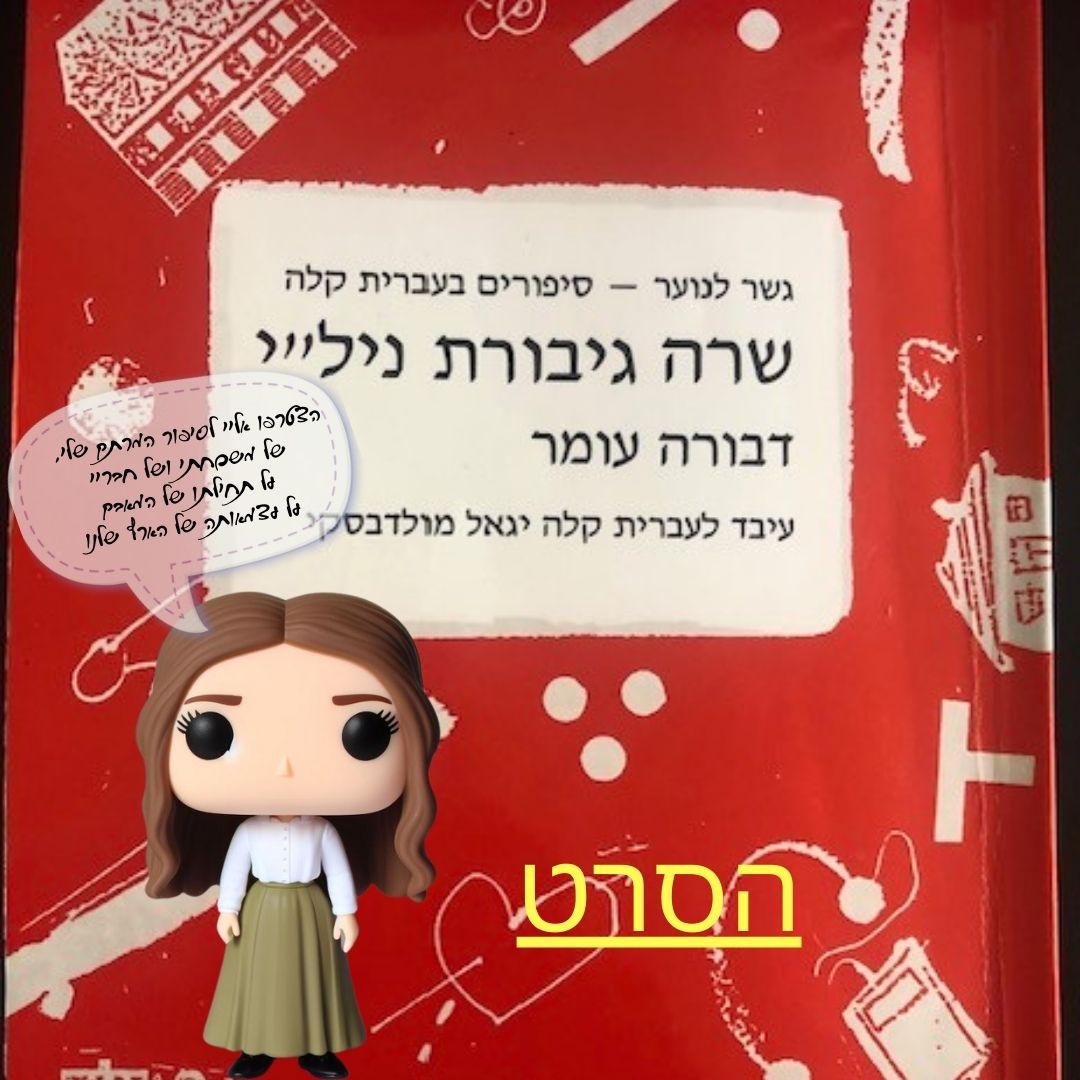
I see this magic happen in my classroom every time we dive into the pages of “The Firstborn of the House of AVI” by Devorah Omer. Through her masterful storytelling, the complex struggle to revive the Hebrew language becomes a personal journey that students can feel in their own hearts. These stories create a deep-rooted connection that often becomes the compass guiding my students when they finally visit Israel. It is incredibly moving to see them travel to Zichron Yaakov specifically to visit the Aaronsohn House Museum, or walk the Eli Cohen Trail and visit his memorial and museum in Herzliya, simply because characters like Sarah, Heroine of NILI, and the master spy Eli Cohen have become like family to them.
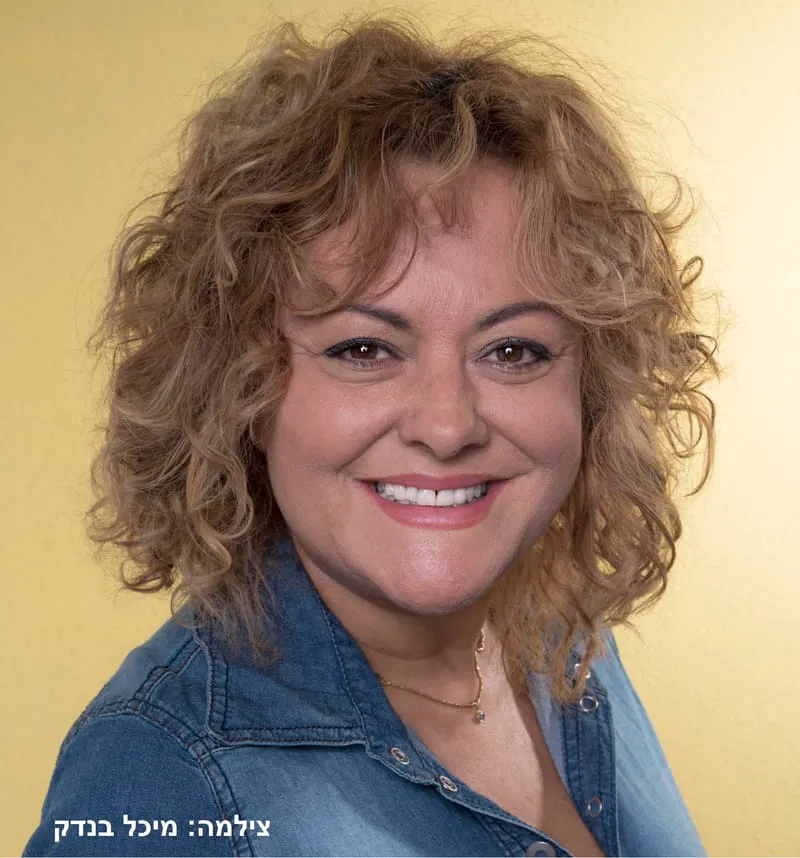
Photo: Michal Bendek
The power of these stories also helps us navigate our most difficult moments, much like how Galila Ron Feder’s classic “Jinji” (Ginger) has taken on a new, heartbreaking meaning as we hold the Bibas family and their red-haired children in our hearts. As my students progress, we expand our horizons to contemporary voices like Etgar Keret and Eshkol Nevo, or explore the graphic novel of Anne Frank’s Diary by David Polonsky and Ari Folman. Whether it is through the fascinating book series of the beloved Israeli author Zohar Aviv (Full disclosure: Zohar Aviv is my cousin, and I am very proud of her, and I’m not the only one who thinks she is entirely worthy of the Devorah Omer Prize) or our modern classics, we are giving our students the keys to understanding both our past and our present.
Just when I was feeling most discouraged by the Ministry’s decision, a beautiful reminder of our cultural resilience landed in my inbox. I was thrilled to connect with Yossi Vassa, the creator and star of the International Emmy Award-winning sitcom “Nevsu,” and the talented illustrator, Yarden Vassa. They are living proof that Israeli culture cannot be canceled, as they prepare to take their extraordinary Visual Graphic Novel Book Talk back on tour across the US from March 20 to April 27, 2026.

Photo by: Motti Milrod
Their performance explores Yossi’s autobiographical Exodus story from Ethiopia to Israel. By bringing this powerful narrative to schools and community centers on both the East and West Coasts, they are building the very bridges we need today. I am so excited to host them on Sunday, February 22nd for our next “Language on the Sofa” (Safa Al HaSapa) meeting to discuss their tour and the interactive educational resources that allow students to explore immigration and empathy through art.
This is why we must continue to support our creators, because even when official prizes are taken away, the stories themselves remain unstoppable. They are the seeds of belonging that we plant in the hearts of our youth, ensuring that the bridge between Israel and the world stays strong and vibrant.
I invite you to join us on February 22nd to meet Yarden and Yossi firsthand and explore how we can bring these vital stories to your community. How do you see the impact of such creative initiatives on the future of Hebrew education? Please share your thoughts in the comments below.
https://forms.gle/fcM3xkD9y3uQHMkg7
Related Topics