It’s Time To Tell Their Stories
Stronger Than Commandment: A Mother’s Day Letter
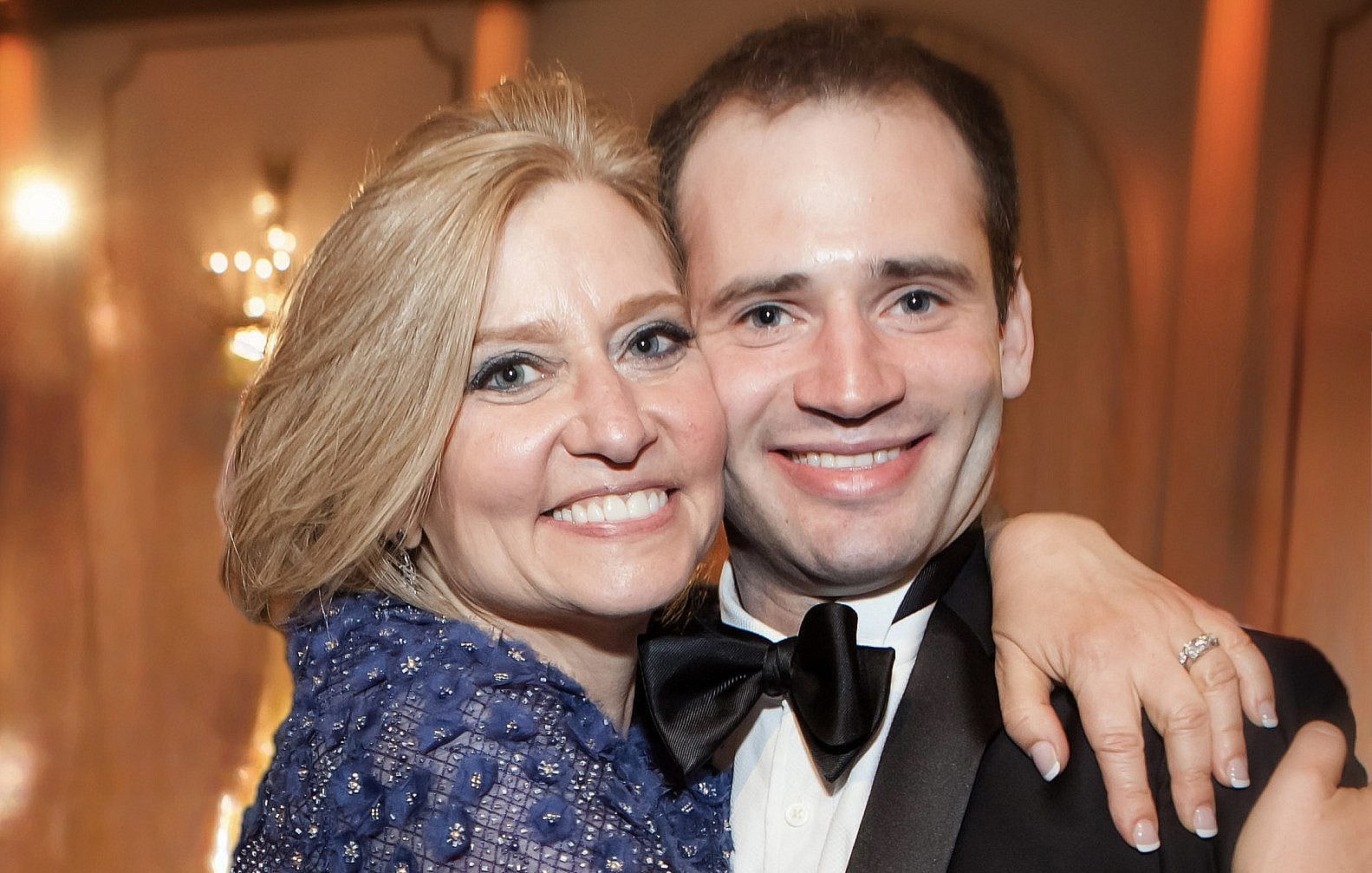
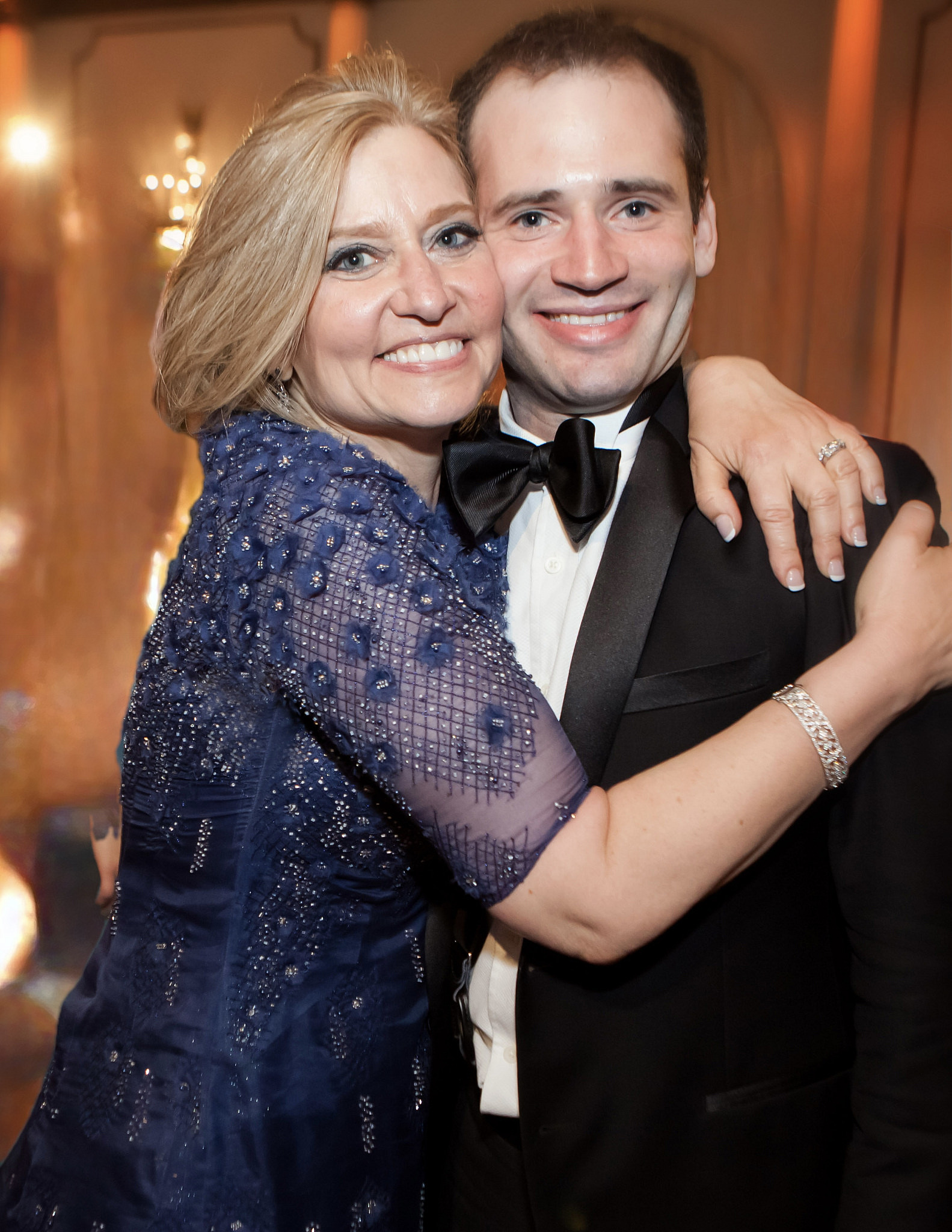
June 2015, with my son Judah Marans
Dear Rachel,
I know not to ask you how you are this Mother’s Day. Or any other day. Because every day, all year long, for eternity, you remain Hersh’s mother. That is how and who you are.
You were presciently named. Like the Rachel before you, you have emerged as a matriarch to the entire Jewish world — a beacon in a time of confusing darkness. You have given shape to the miasma that has plagued us since October 7th. You step forward and teach us how to breathe. Hersh is the vector through which you became our people’s hero — first you birthed him, and then he rebirthed you as his emissary in this world.
We met briefly at Hersh’s shiva. My husband Zvi and I arrived carrying a duffel bag overflowing with handwritten notes from our Teaneck community — hundreds of friends and neighbors whose anguish had no other outlet but words on paper, offered to you. As we sat in the shiva tent waiting our turn, Jon looked up and did a subtle double-take, mistaking Zvi for his lookalike brother Noam, whom you knew from Camp Ramah.
I told you we too had lost a child. I told you we have a home in Jerusalem. I told you I feel forever pregnant with my son, who lives within me still. And I shared my hope that you would find the strength to continue on your path — not knowing then how profoundly your path would one day double back into mine.
Over the ten years since we buried our son Judah, I taught myself to compartmentalize. To contextualize. To reintegrate into a forward-moving, even joyous existence. I believed I had perfected my survival skills — learned to hold my grief at a careful distance, to separate myself when I encountered other bereaved parents: that is your story, and this is mine. I thought I had learned how not to crack open.
Until last Wednesday afternoon, when you addressed the Jewish Federation of Northern New Jersey.
Seven hundred and forty women sat in that room—motionless, breath held, absorbing you. You conveyed distress and purpose, intertwined, and your words moved through the room like truth serum, forcing a private reckoning in each of us. But I, perhaps like other bereaved mothers present, heard you differently. You were not speaking to the room. You were speaking directly into the fracture I have spent ten years learning to seal.
Your words pried my heart open.
And into that open space came Hersh — his soul, embodied in your thoughts, tunneling into the confined place that can barely contain Judah. I felt our sons meeting — not in the heavens above, but within my rib cage, combining their forces of goodness in the dark. The room rose to its feet. The applause was thunderous. But I sank into myself, weeping, undone by an avalanche I had not seen coming and could not stop.
I am still struggling to breathe, several days later.
On this Mother’s Day, while I am blessed with other children and grandchildren who will wrap their arms around me today, it is Judah’s absence that presses on me most heavily. And yet he is not a void — he is a presence, insistent and ferocious, the way he always was with me.
Perhaps that is the gift hidden inside this pain — reminding me of my eternal pregnancy, the very definition of what motherhood represents. That my son shall never stop living within me. That as long as I breathe, I breathe for him too.
We are an ancient and resilient people. We know how to carry what is unbearable.
Your fight for Hersh’s survival shone a light unto all nations. And then his horrific death was witnessed by the entire world. You carry it all — with no privacy, no protection — and yet you stand in it with utter grace. You bore your writings forth to share your pain, but you are infusing me, really all of us, with the strength of our mothers. In your presence, my own grief finally had permission to rise again. And for that, I am eternally grateful to you.
I thought I had taught my heart how not to crack open. But your words, Rachel, were stronger than my commandment.