Sydney: The costly blindness
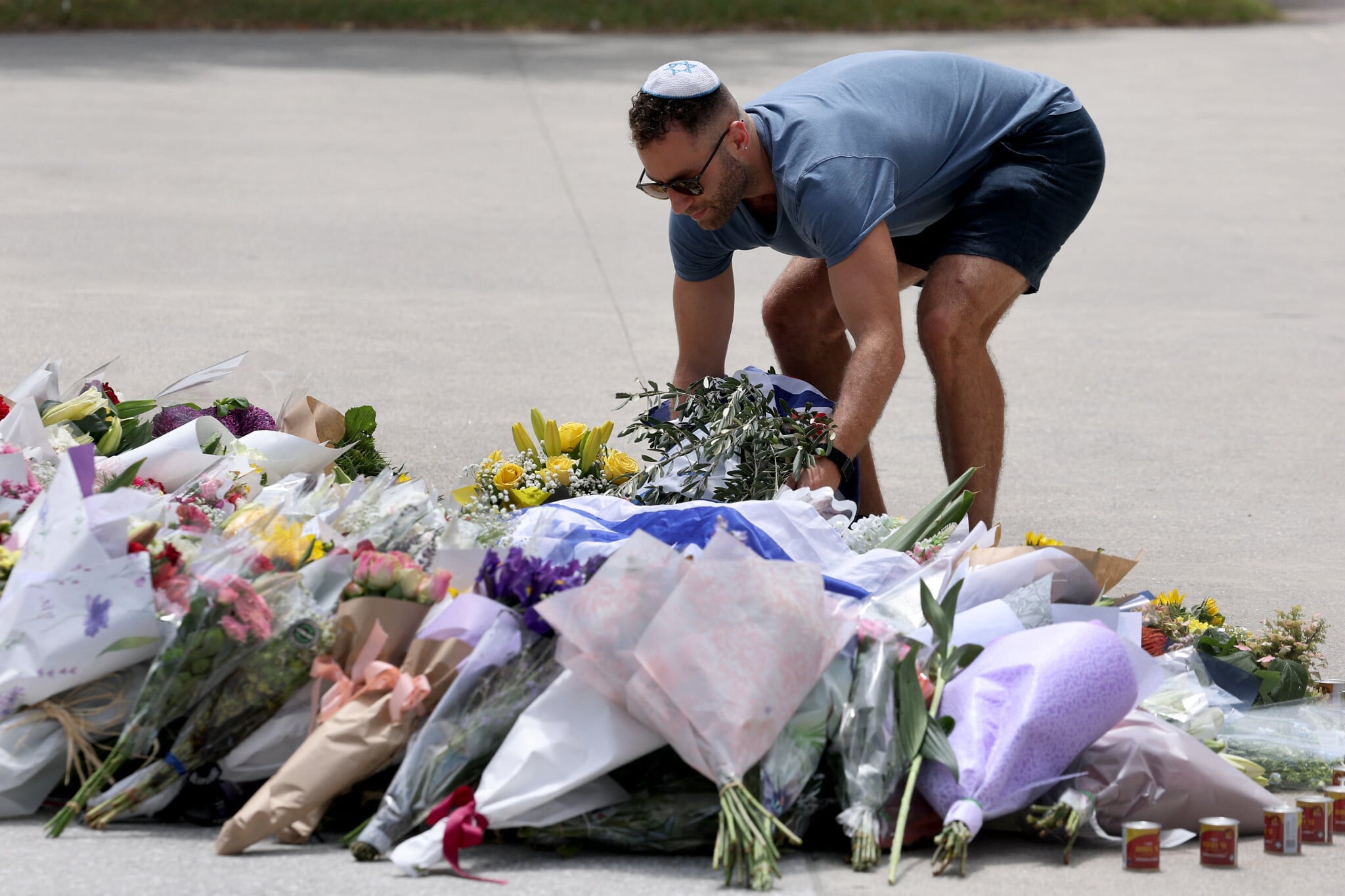
The attack perpetrated in Sydney on December 14, 2025, targeting Jews and perpetrated by Islamist terrorists, constitutes a shock for Australia. But it cannot be considered as an isolated event, arising in a vacuum. It is part of a broader context: that of a continuous rise in antisemitism in Western democracies since the massacre of October 7, 2023, and a persistent inability of some states to fully measure its severity.
The notion of “aggravated negligence” deserves to be raised.
For more than two years, the warning signals have multiplied. Pro-Hamas demonstrations, slogans explicitly calling for the death of Jews, and barely veiled glorification of an organization classified as terrorist: these abuses have been documented, visible, and sometimes public. However, the response of the Australian authorities appeared hesitant and fragmented, often justified in the name of an extensive conception of freedom of expression, including when it fell into hate speech.
This passivity is not trivial. After October 7, 2023, no government could ignore that antisemitism was entering a new phase: more uninhibited, more violent, more ideologized. In this context, the obligation of state vigilance was mechanically reinforced, particularly with regard to Jewish communities, which have become symbolic and real targets of radical Islamism.
Negligence becomes aggravated when a state, “warned,” does not draw the security, legal, and political consequences of a paradigm shift. Tolerating criminal slogans in the public space, hesitating to dissolve or prohibit gatherings glorifying terrorism, refusing to clearly name Islamist anti-Semitism for fear of community tensions: all these contribute to the same blindness.
Added to this is a confusion fraught with consequences: that between the legitimate criticism of the Israeli government—including that of Benjamin Netanyahu—and tolerance towards speeches aimed at Jews as such. By not drawing a clear line, the Australian authorities contributed to trivializing a hostility that was no longer political but identity-based.
It is not a question of establishing a direct causal link between these failures and the attack in Sydney. Criminal responsibility for the crimes lies exclusively with their perpetrators. But the ideological and security environment in which these acts become possible is the political responsibility of the state.
The fight against anti-Semitism cannot be selective or subordinated to electoral or diplomatic calculations. It requires clarity, courage, and a firm application of existing law. Failing this, inaction becomes a factor of vulnerability.
The attack in Sydney must be an electroshock. Not to designate institutional culprits, but to acknowledge a reality: in the face of hatred, blindness is never neutral. And when it lasts, it becomes a major political fault.