Technion Trailblazers: What does it mean to be a student at the Technion?
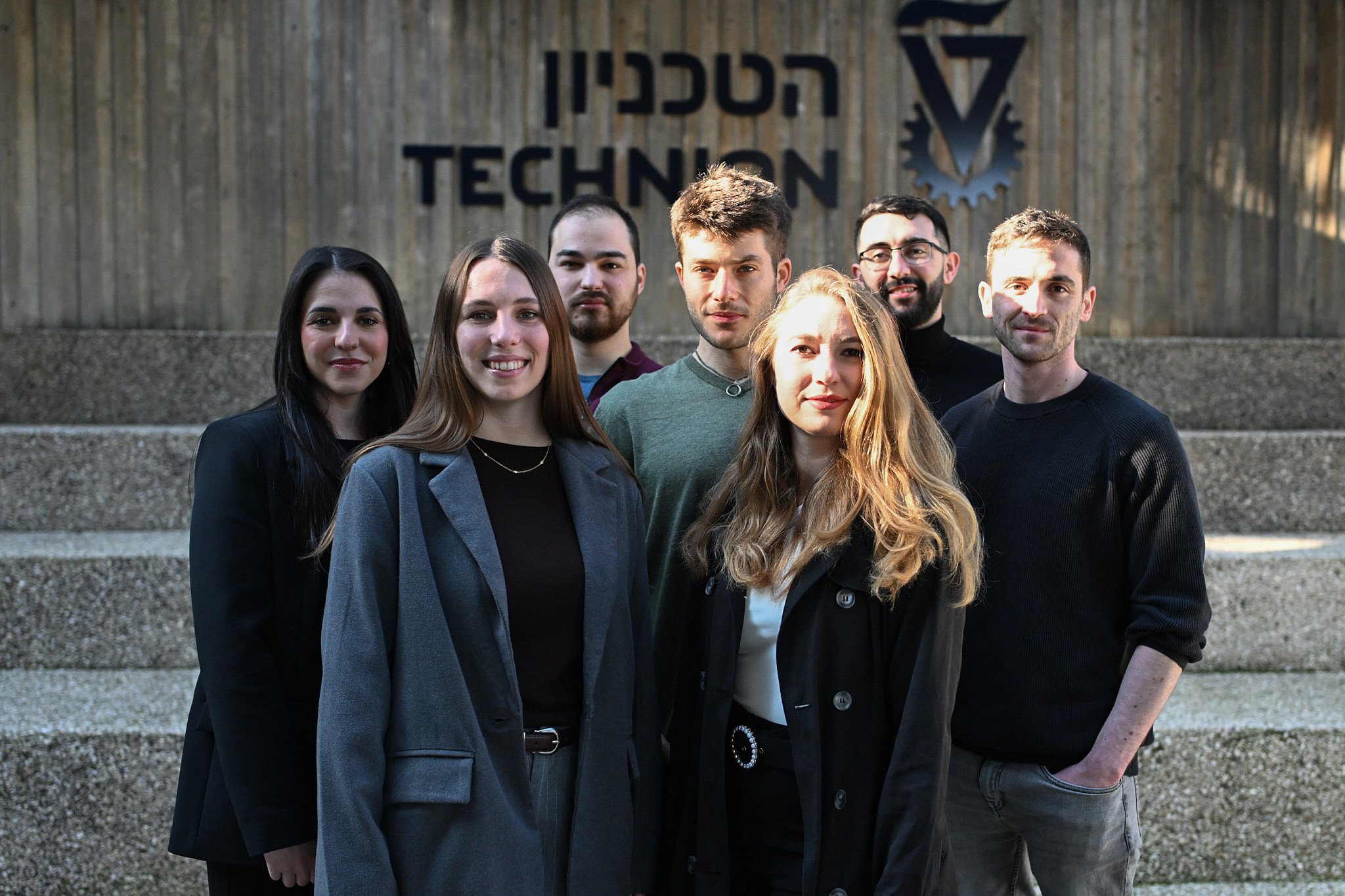
Universities bear the great responsibility of training and honing the skills of the world’s future leaders. Amid a pivotal moment for Israel and its path forward, the Ilene & Steve Berger Technion Visting Fellows are an uplifting reminder that our future is in great hands. A cohort of students across several departments at the Technion, the Berger Visiting Fellows represent some of the brightest minds at the Technion and in Israel. During an annual trip to the United States, the Fellows connect with American Technion Society (ATS) donors and bring a bit of Israel and the Technion with them to celebrate the relationship between donor support and student success.
I had the privilege of discussing what life is like as a Technion student with three of this year’s Visiting Berger Fellows: Iftach Chaplin, MD/PhD student in the Ruth and Bruce Rappaport Faculty of Medicine; Nikol Seleznev, undergraduate student in the Faculty of Biomedical Engineering; and Ofek Glick, master’s student in the Faculty of Data and Decision Sciences. Their commitment to their work and drive to shape the future is a testament to the instrumental role the Technion plays in training the leaders of tomorrow.
Michael: I know so many people in the American Technion Society greatly enjoyed learning more about each of your backgrounds and experiences at the Technion during your tour in the United States this spring. Could you give a brief introduction to your background and how you found yourself studying at the Technion for those who did not have a chance to speak with you this year?
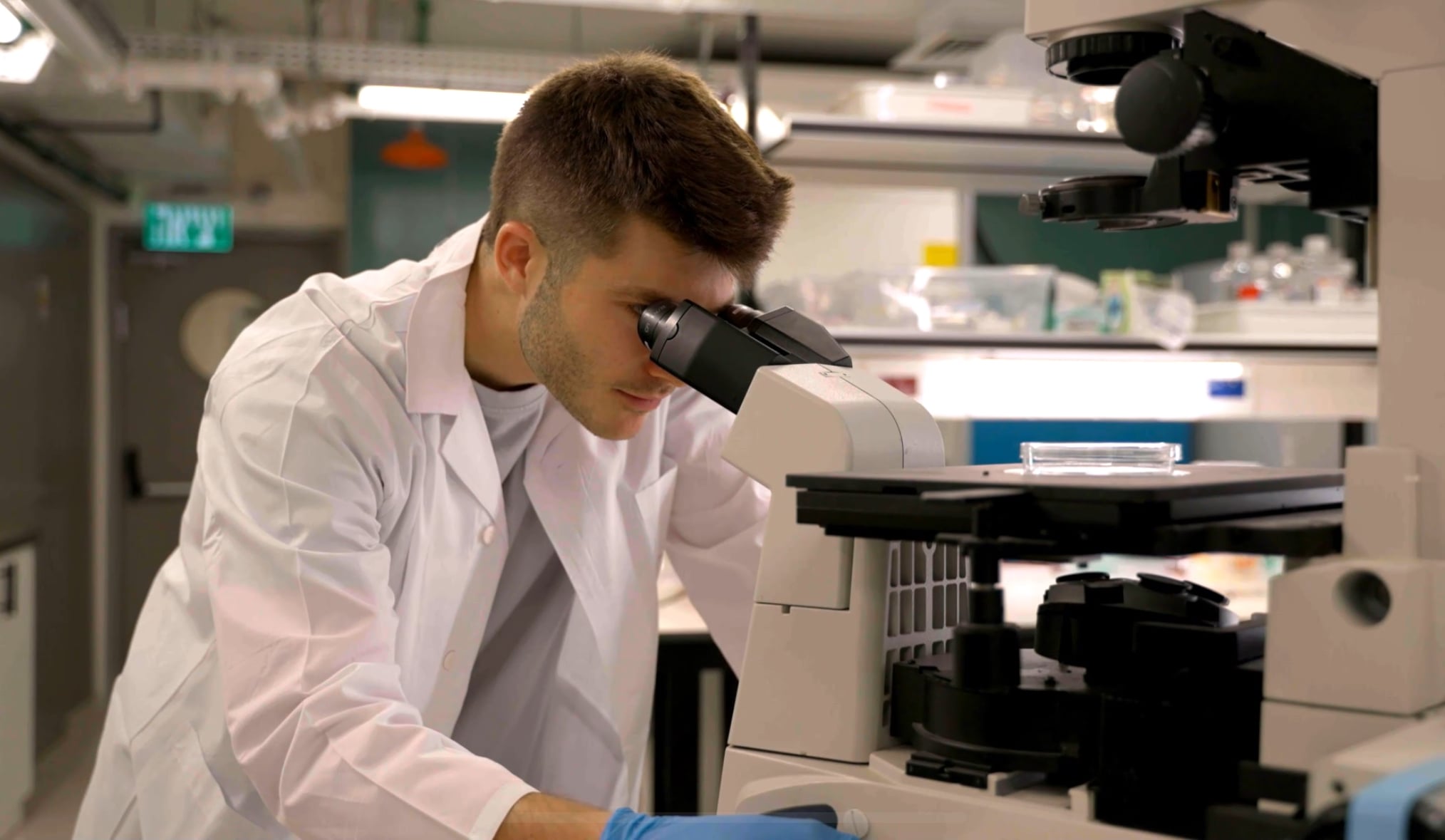
Iftach: I’ve had the incredible experience of growing up in two different countries – Israel and the United States – which has definitely made my experience at the Technion unique. After spending the first 12 years of my life in Israel, my family moved to Texas for my father’s job. In a way, I became partially American in the time I was there, but I always knew I wanted to return to Israel one day. After spending five years in American academia at the University of Texas pursuing my Biomedical Engineering degree, it was time for me to come back. The idea of studying in Hebrew, with an Israeli stamp of approval, made choosing the Technion for my graduate degree a no-brainer. My father and grandfather are both alumni also, so I knew that I had to continue the family tradition. That said, I often feel as if I don’t fit completely into one box given my dynamic background, but I have found that having a unique perspective only enriches my experience.
Nikol: My journey looks quite different from most Technion students as well. I am from Ashdod in the south of Israel, and it’s not very common for students in the south to be directed to universities in the north like the Technion. I explored several universities before settling on the Technion for my undergraduate experience after my time in the army. I knew I was interested in learning more about medicine and I was exploring the possibility of becoming a doctor, and the Technion allowed a dual degree in medicine and biomedical engineering. I loved the idea of having the flexibility to change my mind and still have a prestigious academic background even if I discovered that medicine wasn’t right for me. The Technion is the only university in Israel that offers this kind of program, which made it the obvious choice for my goals.
Ofek: While Technion students come from a wide range of backgrounds, like many of my peers, I am from the north of Israel. I grew up with the University practically in my backyard just 30 minutes away. As a child, I attended a school just as old and historic as the Technion itself, with the goal of instilling in children the skills and knowledge needed to study at the University later in life. In fact, my middle school was right across the street from the original Technion building in Haifa. As part of my advanced computer science and physics courses when I was a teenager, we would often visit campus to experience what it was like to do research in labs with Technion professors. Naturally, I joined the Technion for my undergraduate studies in 2020 and have continued here for my master’s degree, which I will complete this fall.
Michael: With so many Technion students growing up in the north, it’s always touching to hear how much the University serves as a pillar of the wider Haifa community and throughout the region. That said, I know that it attracts a diverse student body from around the world because of the premier science and technology education. Nikol, it sounds like the academic opportunities offered at the Technion helped guide you to your primary area of interest. Can you talk more about what that process of self-discovery looked like?
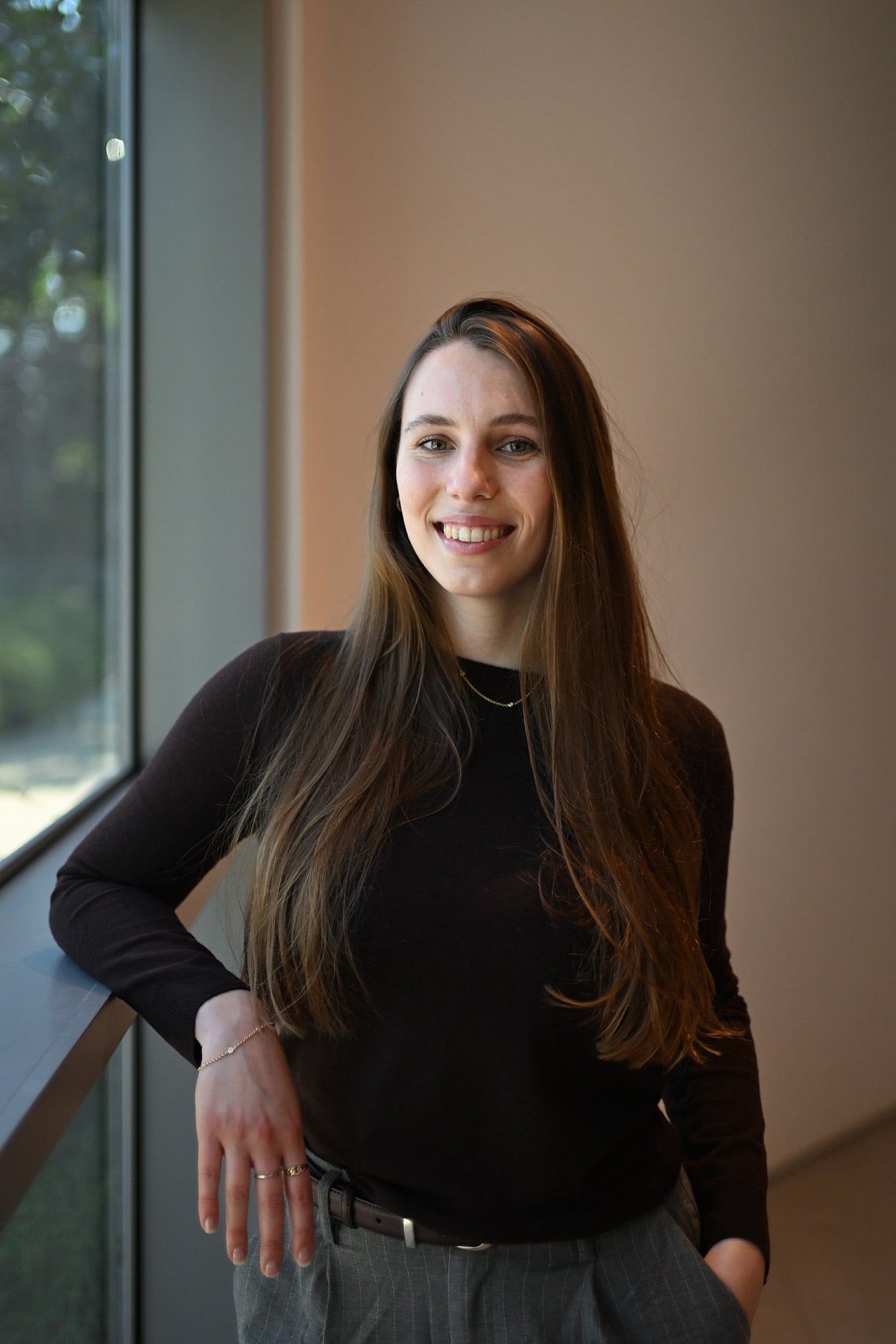
Nikol: I am incredibly happy with my decision to attend the Technion, because unlike other undergraduate programs in Israel, I am able to explore different research areas while still receiving a highly technical and specialized education. After three semesters in my dual program, I realized medical school was not the right fit for me. Fortunately, I still had the option to continue training in the biomedical engineering program rather than starting over, which has also given me the opportunity to pursue additional interests and activities outside of my day-to-day studies. I’ve continued to engage with my passion for swimming, founding and coaching the Technion Artistic Swimming Club entirely on my own. Part of my interest in biomedical engineering comes from my athletic background, and now, I’m committed to discovering ways in which artificial organs, implants, and prosthetics can improve the quality of life for people with mobility impairments or recovering from injury.
Michael: Iftach or Ofek – did you find that your interest in your specialties also grew over time, or were your fields something you always wanted to explore?
Ofek: While my primary education centered around the STEM fields, my focus on computer science – and ultimately artificial intelligence – was informed by my service in the army. Because of an injury, I was assigned to an intelligence unit as a data analyst, and in my second year of service, I saw how data science and emerging AI capabilities could not only streamline computations but also improve the intelligence they produced. At the time, I would stay up for hours late into the night teaching myself different programming languages in an effort to bring new skills to my position. I could not have asked for better timing to be interested in data science since AI was just starting to emerge as the next great frontier in technology, and when it was time for me to enter academia after my military service, the Technion was the only data science program in Israel at the time centered around AI.
Michael: I find AI fascinating, and it’s comforting to know that the Technion has always been ahead of the curve for the next great breakthrough to give its students the opportunity to shape the future. Given its infinite applications, is there an area that you are most interested in?
Ofek: ChatGPT was launched in my fourth year at the Technion. Combined with a flood of advancements in AI during that time, like Neural Networks and AlphaFold, I saw the potential AI had to transform humanity in addition to contexts like defense. That was the moment I knew that I had to be part of the future of this technology. While I had originally planned to return to the military after my studies to bring my newfound knowledge to the army, I’ve decided to remain in academia for now to engage more deeply with my research and hopefully create a general AI model that is more efficient, environmentally friendly, and can reason across all of the same domains that humans can.
Michael: I’ll be the first in line to test your new model—keep up the great work! And what about your area of study, Iftach? What drew you to medicine?
Iftach: My interest in medicine began when I was just 8 years old. At the time, my grandfather who I was incredibly close to was diagnosed with cancer. Even as a child, I was drawn to science and medicine. I’d read books about medicine and wonder how the body worked, always asking questions. When my grandfather got sick, I tried to comfort myself by learning everything I could about his illness and treatments. Naively, I believed that if I understood enough, maybe I could help save him. Of course, I know now that it wasn’t possible, but that experience lit a spark in me. The motivation to ease suffering, save lives, and understand the root causes of disease has stayed with me ever since. Although I lost my grandfather, the drive to help others like him and uncover scientific challenges continues to shape my path.
Today, my focus is on fibromyalgia, an often misunderstood and poorly studied syndrome that affects millions of people worldwide with chronic pain, fatigue, and other debilitating symptoms. My research centers on how the gut microbiome may influence the mechanisms of pain in fibromyalgia. Specifically, I study the efficacy of microbiota transplantation from healthy donors to patients, with the goal of uncovering how microbial changes might alter pain perception or inflammation. By understanding these complex interactions, I hope to help pave the way toward new diagnostic tools and clinical therapies—not only for fibromyalgia but also for other chronic pain syndromes. My lab and I are already seeing promising results, and I’m excited about the discoveries ahead.
Michael: What an inspiring way to keep your grandfather’s memory alive in your work, Iftach. It’s amazing to hear that students are able to shape an educational experience that is right for them because of the flexibility offered by the Technion. I imagine much of your time on campus is dedicated to your studies and research, but do you find that you have time to engage with other disciplines on campus? I know that the Technion makes a strong effort to open its labs and student spaces to anyone who is interested in learning more, regardless of department.
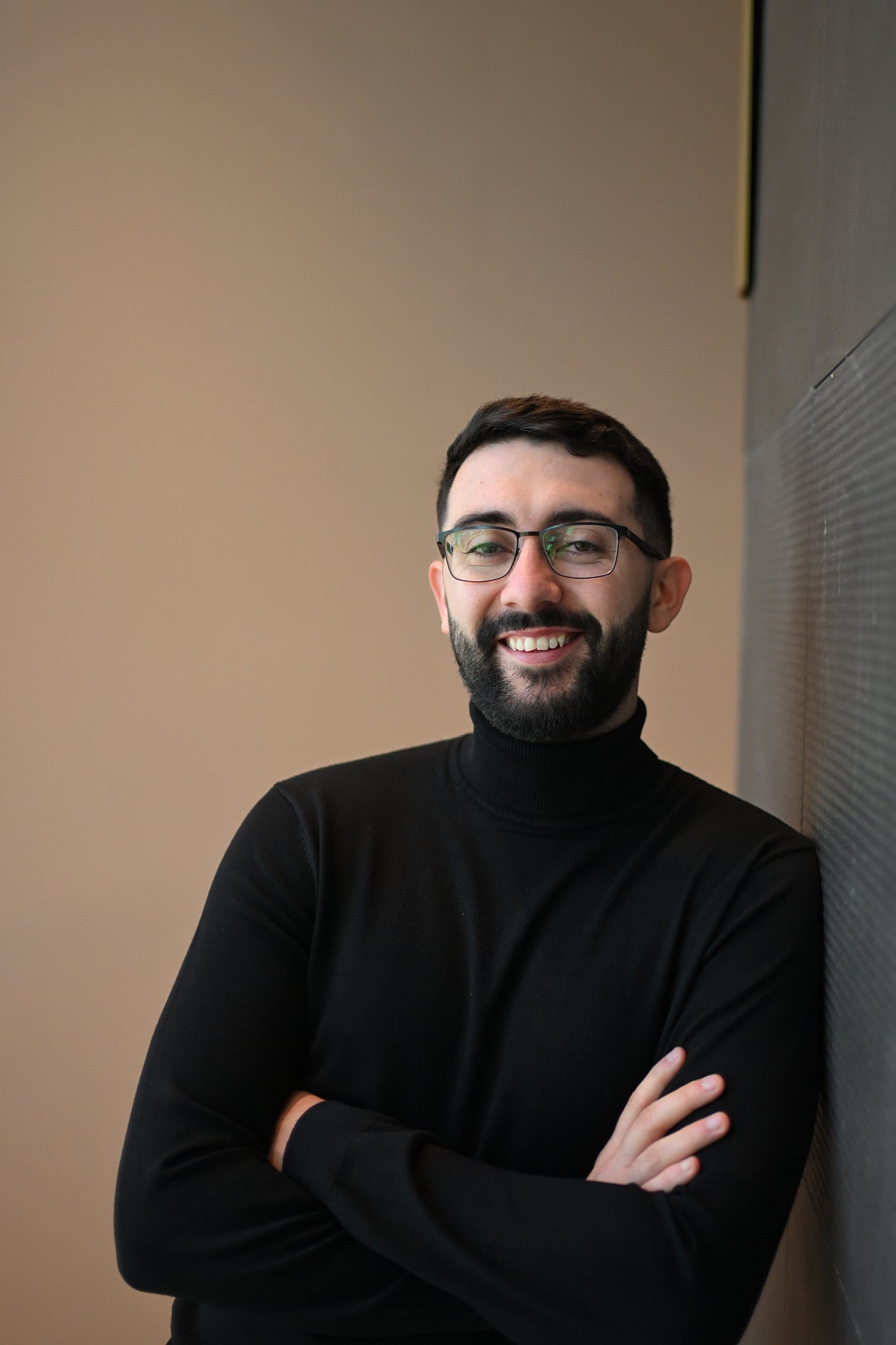
Ofek: Right now, I’m not on campus because I’m wrapping up an internship with Bosch where I’m applying my AI research in a real-world setting. However, when I am back on campus, I plan to spend most of my time either conducting my research or fulfilling my duties as a teaching assistant. The Technion provided an office for me because of my TA position, so I’m able to do my research there since it’s computer-based, or I’ll hold open hours for my students. Campus is incredibly social, however, and when it’s time to take a break, I can always count on running into my friends at the student center on campus. More often than not, everyone is talking about their own research, and it’s fascinating to hear what my peers in other departments are doing and brainstorming with them to see if they have another perspective that could inform my work, and vice versa. Even though these discussions aren’t necessarily formal collaborations, they are vital for our research and core to the culture of the Technion.
Nikol: Agreed. Even though as an undergraduate student, I may spend more time in lectures than graduate students, I find that the social dynamic of campus makes it incredibly easy to cross paths with peers in different fields. A third of students live on campus, which is quite unique in Israel, and there are so many resources here that people will stay on campus into the evening to do their work. The Technion really feels like its own small city which creates a very close-knit culture, even across research disciplines.
Michael: Do you see that spirit of collaboration embedded in your research as well?
Iftach: In my lab, and if I had to guess – at most labs at the Technion – interdisciplinary collaboration is key to success. A promising study I’m currently working on hopes to make microbiome transplantation possible as a potential treatment for fibromyalgia and other chronic pain conditions. Our work would not be possible without partnership and insight from researchers in other, related labs. While they may not necessarily be chronic pain experts, we require their perspective in the clinical trial. Every hypothesis requires a full team of diverse research backgrounds to run an experiment. I like to say that I work in a living, breathing lab where ideas are constantly evolving. As Nikol said, the cultural norm at the Technion hinges on collaboration, and I’ve even had some of my most valuable conversations with peers during a two-minute ride in the elevator.
Michael: The Technion is known for its particularly rigorous educational experience, and clearly you are all very dedicated to your work in the classroom and the lab. I hope you’re all able to find time to engage in your passions outside of academia—how do you take advantage of your free time, if you have any?
Nikol: Work hard, play hard could be an unofficial motto for the average Technion student. Our studies are our main priority, but we don’t let a single moment go to waste outside the classroom or the lab. My role at the swim club takes as much time as a full-time job during the week, and I also love educating others about the Technion through the Berger Visting Fellows program and at the Polak Visitor’s Center on campus. I’m also wrapping up several months with the start-up Paragate Medical for my final project. In my role, I’m working with a partner to develop a new product for Paragate’s customers who are grappling with a terminal cancer diagnosis. After my internship ends, Paragate will hopefully continue along this line of research, with the goal of developing and eventually commercializing the device, helping improve the quality of life for patients as they navigate a complicated and painful disease management plan.
Ofek: I definitely try to find other avenues outside of the lab to make an impact. After October 7th, I was very troubled by an influx in anti-Israel messaging and misinformation online, so I joined the StandWithUs Fellowship program to engage in public diplomacy for Israel. As part of that work, I helped lead a year-long project to bring Jewish and Druze teenagers together to learn more about each respective culture and support a message of peace and coexistence through social media. Between managing different teams, finding participants for the project, collecting funding, and creating educational content for the teenagers, it felt empowering to engage so deeply with a cause I am passionate about. Typically, these communities only meet while serving in the military, so it was inspiring to open up a new lane of engagement and conversation that would not have been possible otherwise. Rest assured, however, that we still find time for leisure activities. I love playing tennis, and I make sure to find time to hit around with my friends when I can.
Michael: It’s incredibly inspiring to hear how dedicated you all are to your work and passions inside and outside of school, especially over the last few years which have been marked by challenges and tragedy. You are quite resilient to find the strength to continue your work at full capacity. Do you have any words of advice for your peers who may be struggling? How do you find the courage to remain strong in the face of hardship?
Iftach: Having to constantly be on guard for the last two years and always brace for the next moment of chaos is definitely challenging. However, finding order and peace within our research has made it easier. Being part of a collective culture that is motivated to continue in spite of hardship is inspiring. We know that we are part of an institution that is vital for the safety of all Israelis and remembering that the impact of our work is a product much larger than us as individuals makes our resilience feel like second nature. My advice to anyone struggling right now is to remember that the Technion community is here for them and that our work will help usher in a better future.
Michael: That is very well said, and a powerful reminder of our collective resilience when we have a community we can rely on. I know the ATS community greatly enjoyed your tour in the U.S. this year, and learning more about the lives of the students who make the Technion great makes our outlook on the future all the more optimistic.