


Tel Aviv as a Diplomatic Signal
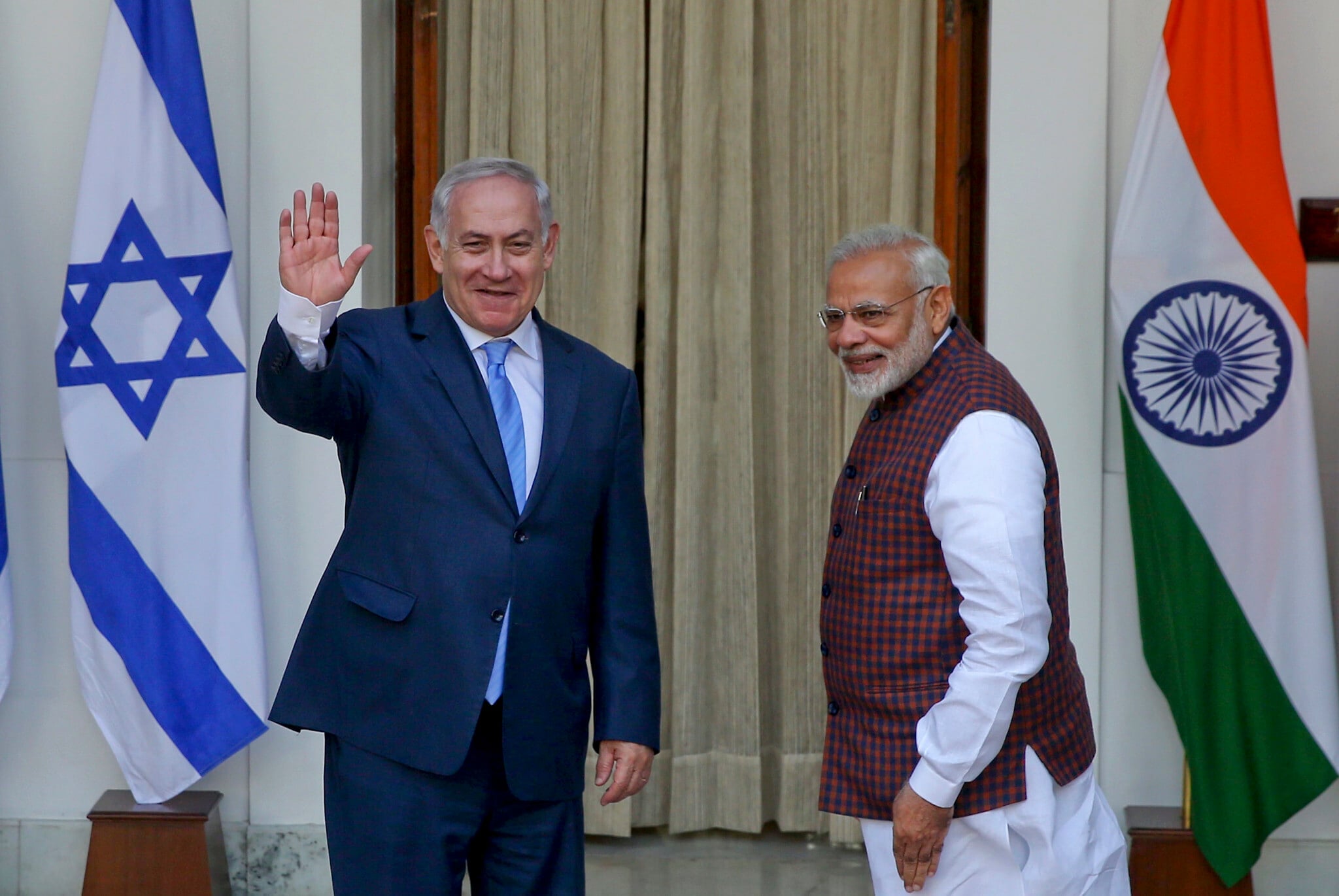
A state visit ‘with several drawers’ is not a simple protocol sequence. It is a powerful tool: a movement that is intended to be used as a message box, with each statement, image, and pause directed to a distinct audience. It goes beyond strengthening ties with Israel when a leader like Narendra Modi addresses the Knesset during an official visit. It involves planning a demonstration of multi-layered diplomacy that can impact Indian opinion, Washington, Moscow, and the Middle East all at once.
1) The regional drawer: to be ‘present’ without being a prisoner of a camp
First drawer: the region. A visit to Tel Aviv, highly visible, tells the capitals of the Middle East that India is no longer a distant actor, confined to energy or trade. It wants to be a ‘present’ actor, recognized and audible. The gesture is all the stronger because it assumes a strategic proximity to Israel—therefore an ability to also dialogue with a state that crystallizes regional passions. The implicit message is simple: India is building a place in regional architecture while keeping some leeway to continue talking to everyone.
2) The technological-security drawer: buying from the future, not just contracts
Second drawer: technology and security. Contemporary state visits are often “markets” in disguise, but at a higher level: they are not just contracts; they are trajectories. Cooperating on innovation, defense systems, intelligence, AI, or quantum (even in the form of general announcements) amounts to saying, “This is with whom I am building my power for tomorrow.” In this logic, Israel is less a destination than an accelerator: a partner that helps India save time in global technological competition.
3) The geopolitical drawer: talking to Moscow… without pronouncing its name
Third drawer: India’s partners, notably Russia. The signal is subtle but real: New Delhi’s strategic autonomy is not an abstract concept; it is a practice. By displaying a visible cooperation with Israel, India recalls that no partner—even historical—has a right to control its choices. It is not a break with Moscow; it is a clarification: India diversifies its dependencies, multiplies its options, and refuses to be locked into a bloc logic.
4) The domestic drawer: transforming diplomacy into a national narrative
Finally, one last drawer is inside. For Modi, these images nourish a narrative: that of an India that no longer waits for history but shapes it. A state visit ‘with several drawers’ thus becomes a tool for domestic policy, where the international posture reinforces national legitimacy.
In total, this type of trip summarizes the diplomacy of the 21st century: less a fixed alliance than an art of combining levers. A visit to Tel Aviv does not open a single chapter; it writes several chapters at once—and that is precisely the message.