Leadership With Heart
The 250th Hostage: A Divine Homecoming
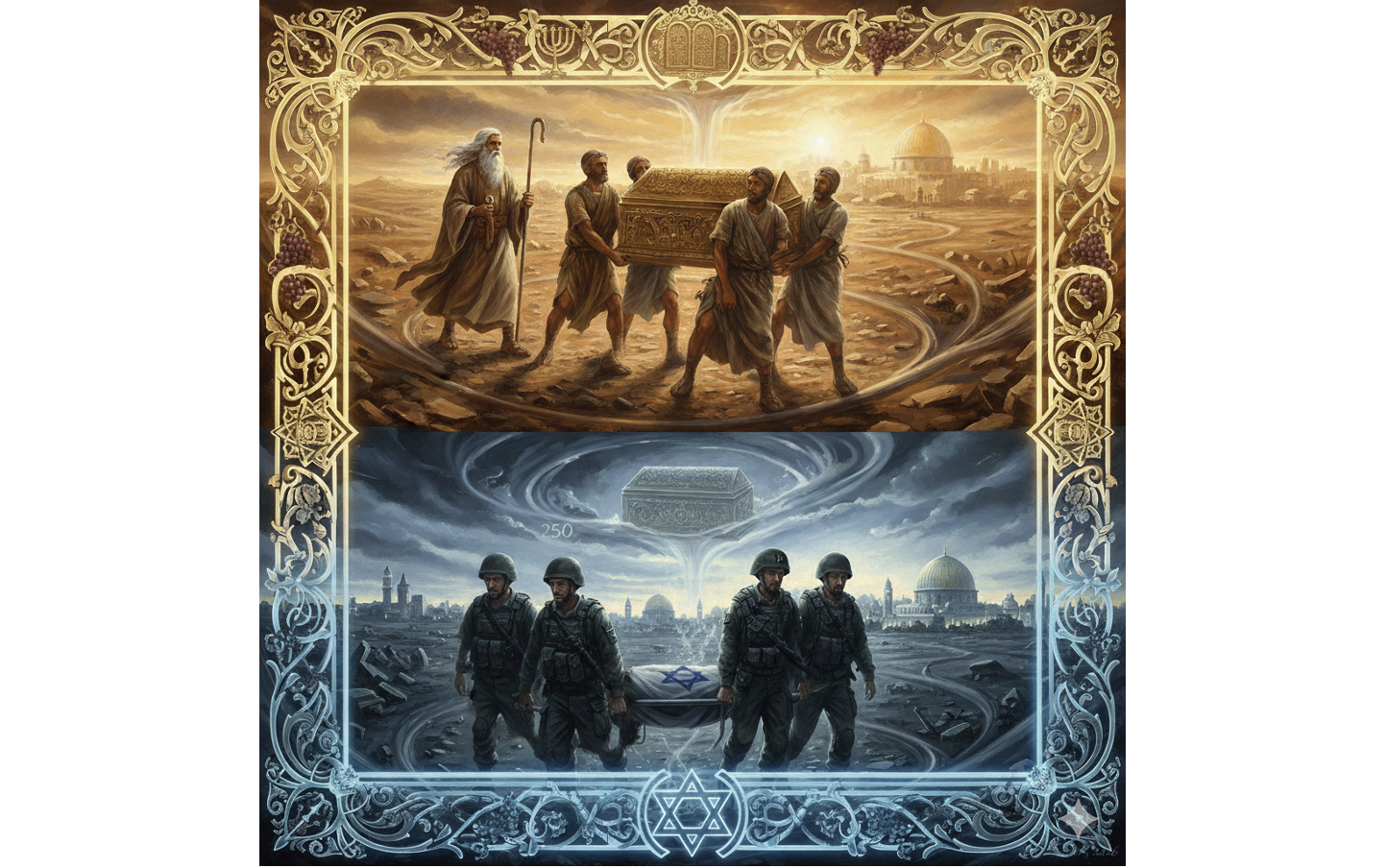
AI generated image via Gemini
This week, we witnessed a profound miracle that bridges the ancient past with our modern struggle. After 843 days in captivity in Gaza, Israeli authorities have recovered and brought home the body of Ran Gvili, the final hostage from the October 7 attacks.
Ran was only twenty-four years old, a dedicated officer in the Israel Police’s elite Yasam unit. On that dark day, despite being on medical leave with a broken shoulder, his sense of duty eclipsed his physical pain. He drove toward Kibbutz Alumim, where he rescued approximately one hundred civilians and neutralized fourteen terrorists before falling in battle and being taken hostage into Gaza. His valor and selflessness have forever enshrined him as a hero of the Jewish people.
The Divine Parallel
Strikingly, this homecoming coincides with the Torah portion of Beshalach, which recounts how Moses fulfilled a sacred, centuries-old oath: to carry the bones of Joseph out of Egypt and into the Land of Israel upon the people’s redemption (Exodus 13:19).
In a moving parallel, the Israel Defense Forces fulfilled a similar mission this week by returning the remains of Ran Gvili to sovereign soil. The signs of divine providence are impossible to ignore: Ran was the 250th hostage to be returned, and the gematria (numerical value) of his name, Ran (רן), is precisely 250. To those who approach life with an open heart, these are not mere coincidences but the fingerprints of the Almighty.
The Essence of the Bones
To the Jewish people, every life is invaluable, but the dead are precious as well. This reverence is rooted in the Hebrew word for “bones,” Ezem (עֶצֶם), which also means “essence” or the “innermost and foundational part” of a human being. The bones are not merely structural; they represent the core identity that remains even when the breath of life has departed.
Prophecy teaches that at the time of the ultimate redemption, the “dry bones” of the righteous will be brought back to life—a restoration of the essence to the body. By bringing Ran Gvili home, we are not merely performing a burial; we are reclaiming an essential part of the nation’s soul and preparing for that promised day of resurrection.
From Ashes to Restoration
My father (alav hashalom) often observed that for those who lack faith, no miracle—no matter how grand—is sufficient to awaken belief. Yet for those who believe in G‑d’s infinite mercy, His guidance is visible everywhere. We are privileged to live in an age of open miracles, especially having witnessed the modern State of Israel restored after two millennia of exile.
This redemption of the physical form has been a recurring theme in our homecoming. Just as Moses carried Joseph, our nascent state carried the survivors of the concentration camps—tortured, starved victims who arrived looking like literal bones. Though they were still among the living, their skeletal frames bore a haunting resemblance to the sacred remains of Joseph and Ran Gvili: they were the remnants of a dark exile, finally brought home to be clothed in the dignity and strength of a sovereign nation.
The Path to Ultimate Peace
Since 1948, we have witnessed the triumph of David over Goliath, as Israel has not only survived but also prevailed over every adversary. Further, after October 7, the nation has again demonstrated an extraordinary, divine resilience against those who seek its destruction, including the longstanding threat posed by the radical regime in Iran.
Yet the story of redemption continues to unfold. The United States and Israel now stand together at a critical juncture, confronting the brutal dictatorship that has subjugated its people and threatened the world for nearly half a century. History is moving inexorably toward the fulfillment of prophetic vision—the victory of light over darkness, the final ingathering of the exiles, and the restoration of the holy temple in our time.
The return of Ran Gvili is more than a closure of a chapter; it is a herald of the coming dawn. Soon, as our prophets foretold, the Third Temple will rise again in Jerusalem, and the world will witness the ultimate truth: “The L‑rd will be King over all the earth; on that day the L‑rd will be One and His Name One.”
Related Topics