Quitting the WZC is a big mistake
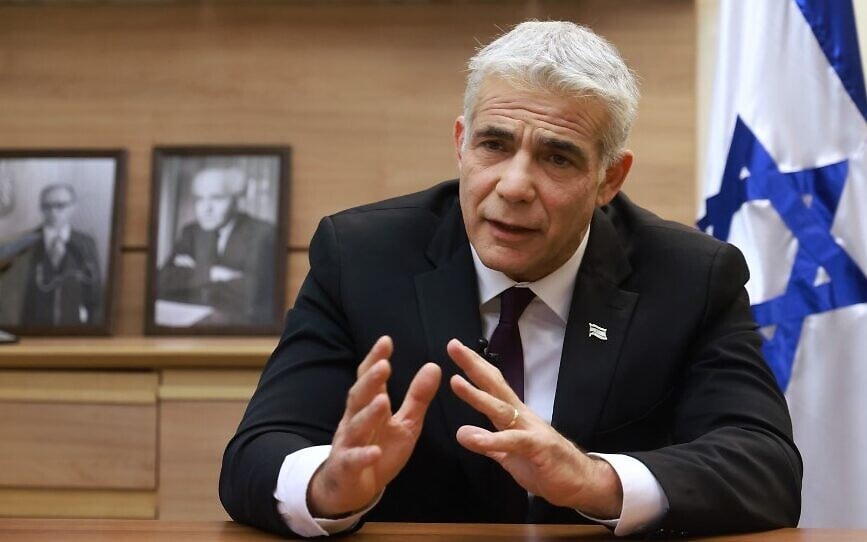
Yair Lapid is right in his claims about the World Zionist Organization. It is corrupt and bloated and at times serves the government’s agenda of discriminating against Arabs both in terms of resources and land use. The organization’s budget recently increased from $60 million to $100 million. The vast majority was allocated to fund more cushy jobs and political appointments; additionally, it expanded from 14 often redundant departments to 21 even more redundant departments, which is symptomatic of the corruption that has spread through the institutions that founded the state.
But even though Lapid is right, Yesh Atid’s withdrawal from national institutions — upending a hard-won compromise between liberal and conservative factions on control of Zionist institutions that control billions of dollars in funding for Jewish causes — is primarily a mistake. By leaving the institutions, Lapid cedes their considerable power and resources to the very individuals he purports to be opposing.
Related: Lapid rips up ‘corrupt’ WZO leadership deal, opens door for Yair Netanyahu appointment
The vast majority of the World Zionist Organization’s budget comes from the Jewish National Fund/Keren Kayemet L’Yisrael (JNF/KKL), which earns billions of shekels annually from exercising its rights over the many lands it holds – approximately 2.5 million dunams, about 12% of the country’s area within the Green Line. This gives the leadership of KKL significant power to shape policy on both sides of the Green Line.
In 2021, when the KKL came under the control of the religious Zionist sector, the leadership decided to adopt a policy of investing in the expansion of settlements. Last July, KKL’s leadership also approved a budget of 1.2 billion shekels in extraordinary budgets to promote projects serving the political interests of the political right, with a significant portion of the massive budget allocated to fund activities beyond the Green Line.
Under right-wing rule, KKL worked to deepen the discrimination against Arab citizens and promoted measures that prevented Arab authorities from benefiting from its budgets. It increased its efforts to thwart attempts by entrepreneurs from among Israel’s Arab citizens to purchase land. It offered exorbitant prices to prevent an “Arab takeover,” and until the intervention of the High Court of Justice, KKL prevented Arab citizens from competing in tenders for the purchase of land it owned for years.
Yesh Atid MK Meir Cohen was slated to lead KKL for two and a half years in the agreement that Yair Lapid just walked away from. It could have been a period of genuine correction, where the budgets of these organizations could have been allocated differently – to rehabilitation efforts for the communities of the Gaza envelope and the northern border; to promotion of activities of liberal organizations fighting for the character of the state; to progressive streams of Judaism; to educational organizations, service years, and liberal preparatory programs; to change the KKL’s attitude toward Arab citizens of Israel and to partially correct the growing government discrimination against them – and much less of it for expanding the settlement enterprise and religious institutions of all kinds, which already receive generous funding from the government.
Just this week, the Finance Committee approved an increase of 114 million shekels to the budget of Orit Struk’s Ministry of Settlement and National Missions, bringing the total to 684 million shekels. This ministry serves as a conduit for channeling funds to promote the political interests of the Religious Zionism party. Yesh Atid’s leadership of KKL could have served as a counterweight to government funding, but now even this important stronghold has been abandoned. Corruption does indeed exist in institutions – but the liberal democratic camp in Israel has already learned that abandoning positions of power leads to failure and that influence must be exerted from within.
Precisely because the liberal side is disconnected from the centers of power in the government, it is more vital to maximize the budgets and capabilities of the national institutions, to use them as a tool for making change, and not to leave them as just another destructive budget in the service of a bad government.
The WZO agreement was a chance for a coalition of the center and left in the national institutions to have a decisive influence. Increasing liberal power in these institutions is a paramount interest for anyone who desires a democratic, liberal, secure, and equal Israel. Yair Lapid, instead of grasping the opportunity, relinquished that power to the right.
And a word to those who claim that national institutions should be dismantled: These institutions belong to the Jewish people all over the world. Israel holds only slightly more than a third of the seats in the World Zionist Congress. These are Jews from the US, Europe, South America, and Australia who are seeking to preserve an institution that serves the entire Jewish people, serving as a platform for organization and action – throughout the world and in Israel. There is no prospect of closing the national institutions in the foreseeable future, so the justification for withdrawing is nothing more than a justification for a policy that has already failed: to exclude ourselves from decision-making centers and thereby grant more power to our greatest political enemies.
This global Jewry dynamic isn’t just a nice idea without practical ramifications. For all that Israelis sometimes look down a bit on our brothers and sisters from the diaspora, at the last World Zionist Congress, it was precisely the liberal representatives from around the world who successfully led the passage of resolutions aimed at curbing the right’s power to use these enormous budgets for its political needs.
Among other things, an important decision was made that World Zionist Organization funds will not be invested in the future in settlement projects in the Gaza Strip, setting an important red line against the far right’s messianic intentions. Another decision was made to promote equality in the distribution of resources in the budgeting for the various streams in Judaism, women, the LGBTQ+ community, and other sectors. Our diaspora brothers and sisters stepped up and made a significant impact at this World Zionist Congress, and we should acknowledge the true value of their contributions.
Yair Lapid does not. His actions this past week show that he’s more interested in playing politics than in getting serious work done. His resignation earned him applause, and it may even help him at the polls. However, it deprived the camp he claims to lead of a significant and powerful tool, giving more and more power to the right. And that is not the Israel that his supporters in the center and center-left camps want to see.