
The Algorithmic Childhood: Why We Cannot Leave Our Kids to Social Media Alone
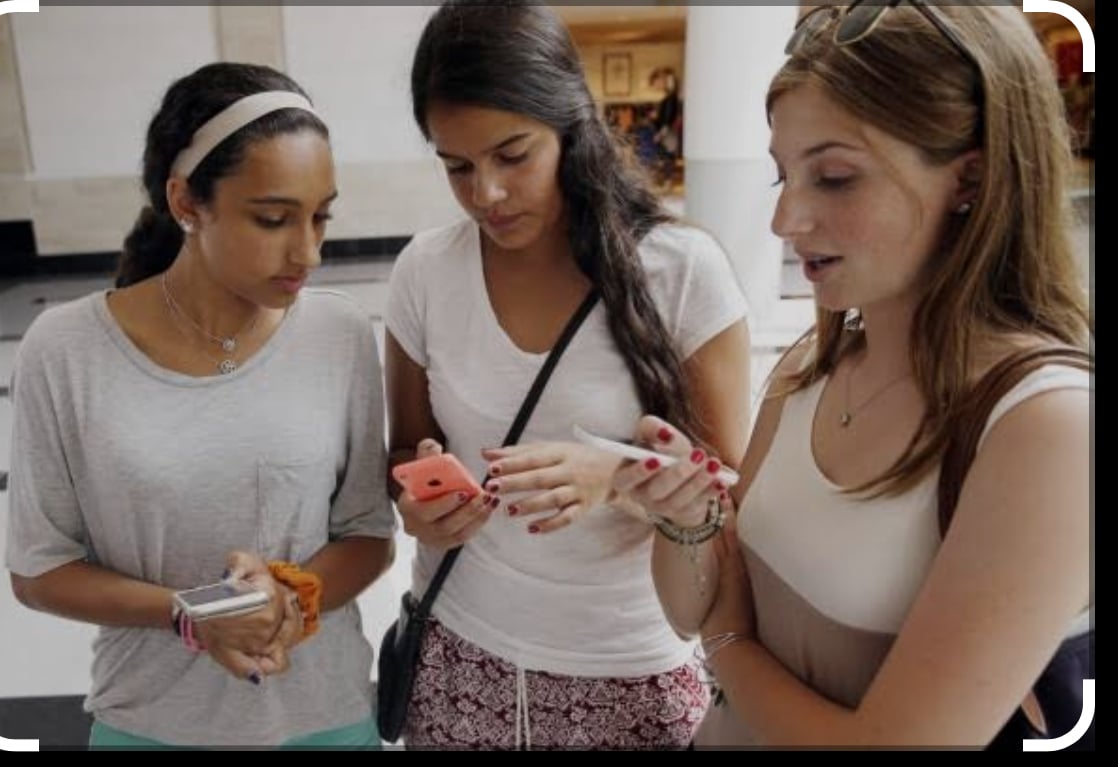
Childhood is disappearing in plain sight. Not because of war or poverty, but because we are allowing algorithm-driven platforms to shape our children’s emotional, social, and psychological development with almost no guardrails. Parents would never let a stranger whisper in their child’s ear for hours each day. Yet this is exactly what we permit when we hand a phone to a vulnerable mind and assume they’ll be fine.
The hard truth is this: social media is not a communication tool. It is an ecosystem engineered for immersion, optimized to trigger emotion, reward impulsivity, and hook users into endless scrolling. And when the users are children—whose brains are still wiring for identity, self-esteem, and emotional regulation—the consequences can be devastating.
Research now confirms what parents have sensed for years. A major longitudinal study tracking nearly 12,000 adolescents found that increases in social-media use predicted rises in depressive symptoms over time. Another review of a decade’s worth of studies showed strong links between frequent social-media exposure and anxiety, low self-esteem, and body-image distress. The most troubling findings come from experiments creating teen “dummy” accounts that merely scroll: within minutes, algorithms surface harmful content—self-harm, extreme dieting, violence—without the child searching for anything at all.
This is not about “bad parenting” or irresponsible teens. It is about systems designed to overpower the developing brain. No household rule can compete with billion-dollar engagement machines built to exploit core human vulnerabilities: insecurity, comparison, curiosity, and loneliness. And no individual family can solve what is fundamentally a structural and societal problem.
If we care about childhood—its innocence, its safety, its essential role in forming healthy adults—then we must build a framework that protects it.
First, we need real age-verification and minimum standards for minors. A child who cannot legally buy aspirin should not be navigating algorithmic feeds that amplify self-harm or sexualized content.
Second, platforms must be required to offer “well-being defaults” for young users: no autoplay, no infinite scroll, no engagement-optimized recommendations. Chronological feeds and time-limit prompts should be standard, not optional.
Third, media-literacy and digital-wellness education belong in every school. Children must understand how algorithms shape what they see—and how to recognize manipulation when it appears on their screens.
Finally, communities must revive what social media has quietly replaced: real friendships, outdoor life, creativity, sports, shared rituals, and in-person connection. The more children live offline, the less they are consumed online.
This is not a call to fear technology or to ban the digital world. It is a call to reclaim childhood from systems that were never designed with children in mind.
We cannot leave our kids alone with social media. They are being shaped by forces they cannot see and cannot resist. And unless we act—collectively, urgently, and with moral clarity—the algorithm will raise a generation not grounded in reality, but in a curated, addictive, and often dangerous illusion.