


Jewish, Autistic, Writer, Activist - Thought Provoking Influence
The Art of Civil Discourse Shouldn’t Be Controversial. It Is A Strength.

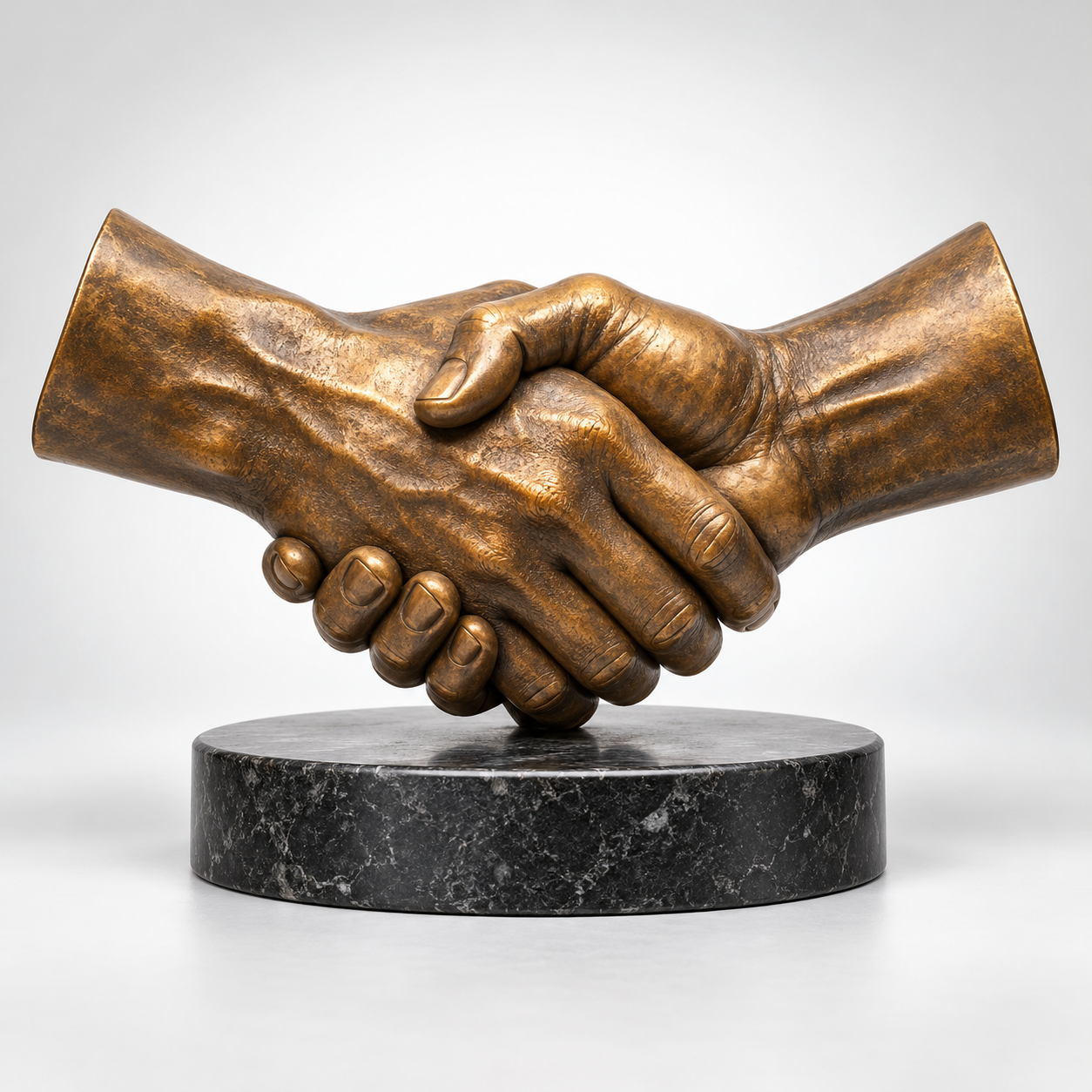
Image Made with AI
Agreeing to disagree has become a lost strength. The problem isn’t disagreement, but the refusal and unwillingness to listen. You don’t have to agree to understand, but you still have to listen.
In 2017, I went on a summer road trip across the United States from Atlanta to San Francisco. I was 14 at the time and getting ready to start high school. However, this was not your typical all-American road trip. The trip was mainly focused on civil rights, social justice, politics, learning how to engage in dialogue, and having meaningful, constructive conversations, a necessary and important component of leadership.
Summer 2017 was also the first summer of President Trump’s first term, and tensions were high, and remain high. I was a moderate progressive at the time, and while I may have done a 180 with my views, as many of us have, I still was willing to listen to others who didn’t always agree with me.
That trip truly changed my life, and in those nine years, and now at age 23, I have had countless conversations with people I disagree with, just to hear and listen. While I knew we weren’t going to change each other’s minds, we still understood where we were coming from and that we agreed to disagree.
October 7 changed everything for all of us. That included ending friendships with many non-Jewish friends who we thought cared. The world turned their backs on the Jewish people, and political movements that claim to be “inclusive” were not Jew friendly in the end. You cannot preach inclusion while practicing exclusion, and you cannot demand respect without refusing to give it. Politically, we had nowhere to turn. I avoid using the term “politically homeless” because of how much I know about politics and government and understand it.
October 7 turned me into an independent centrist. While I may no longer identify within left-wing circles, I still carry a lot of the democratic values that many of us believe in, including human rights, diverse representation, accessibility and inclusion, affordable healthcare and housing, and democracy, while also supporting capitalism, deporting illegal immigrants, immigration reform, and banning DEI. The social ostracization and exclusion of Jews from the American way of life is anti-American itself. Jews have been a part of the American way of life since the very founding of this country, and to see the “Land of the Free” go down the wrong path has become increasingly hard to wrap my head around. American values and Jewish values are deeply intertwined.
I have also seen the levels of political division we are currently facing within Israeli politics as well. While I will always support the facts, along with Israel’s right to exist and defend itself, I also acknowledge that the lived experiences of both Israelis and Palestinians matter. I took a gap year in Israel during the 2021-2022 academic year. While I was there, I had the opportunity to take classes that took me to see the Israel-Palestine conflict on the ground. I had meaningful discussions with both Palestinians and Israelis, which opened my mind up.
Then, in February 2025, I became friends with a young Palestinian Arab Christian woman who is my age. She sat down at the same park table I was sitting at, and at first, we introduced ourselves, but then the conversation took a deeper turn, in a great way. After telling her I am a writer with multiple Jewish and Israeli publications, she asked to see my work, which I agreed to. She then told me “I have family in the West Bank, I’m Palestinian, but I love Jewish people, and seeing your resilience amidst the struggles that you have faced is deeply incredible.” I told her how much I appreciated her saying that, and we realized that we have a lot more in common than what is shown. I remain in touch with her.
We must also acknowledge the fact that we have allies who are Arab, and the willingness to even build bridges on a high level takes serious moral courage. That is what it means to have a good moral standing, that is what showing up for humanity looks like.
When it comes down to Netanyahu, I recognize that our expectations of him that need to change are unrealistic in reality, and that he is doing everything necessary and possible to stop the threat of erasing Israel from the map. I know not everyone agrees with me. While I do acknowledge that he has done things that may have harmed Israel’s image, no leader is perfect, and we really don’t have another leader like him, and instead of arguing, I listen to those about their distaste of Bibi and why they dislike him. I don’t always agree, but that doesn’t mean I’m going to change their mind, and I understand that. I believe in a democratic Israel while also defending its security.
As the left moves further left, it is abandoning its own values, and as a result, civil discourse is dying. It is a scary thing to think about and it breaks my heart. Having an informed opinion means knowing the facts based on verified information and proof and being open to listening to other views and being challenged. To see younger generations end friendships over politics goes against everything that I stand for and everything they claim to stand for. We have lost our sense of self control. We don’t need more agreement. We need more understanding.
Nine years after my trip and five years after my gap year, I still advocate for civil discourse. I also am now on the board of the Atlanta JCRC (Jewish Community Relations Council). I serve with people who I don’t always agree with, but a commitment I was able to easily agree to is the willingness to engage in civil discourse and recognizing Israel’s right to exist as a free and democratic state. For my generation, that is not easy to come by.
I continue to end every conversation with “I respect your opinion.” I wish more people would too, and not just in my generation. As a part of the younger generation, I will continue to advocate for civil discourse, because listening to others’ conversations requires open minds, open eyes, and open hearts, with our ears on and brains powered.
All of these experiences have shaped me into the person I am today. I have also grown as better advocate, a better leader, and overall, a better human being.
I may have changed my politics, but I will never abandon my principles and values, and neither will I abandon the facts. We may not always agree, but in the end, we still end up as friends. That’s what it means to agree to disagree.