"I'm the spokesman for the OK Boomer generation"
The Art of Keeping People Divided
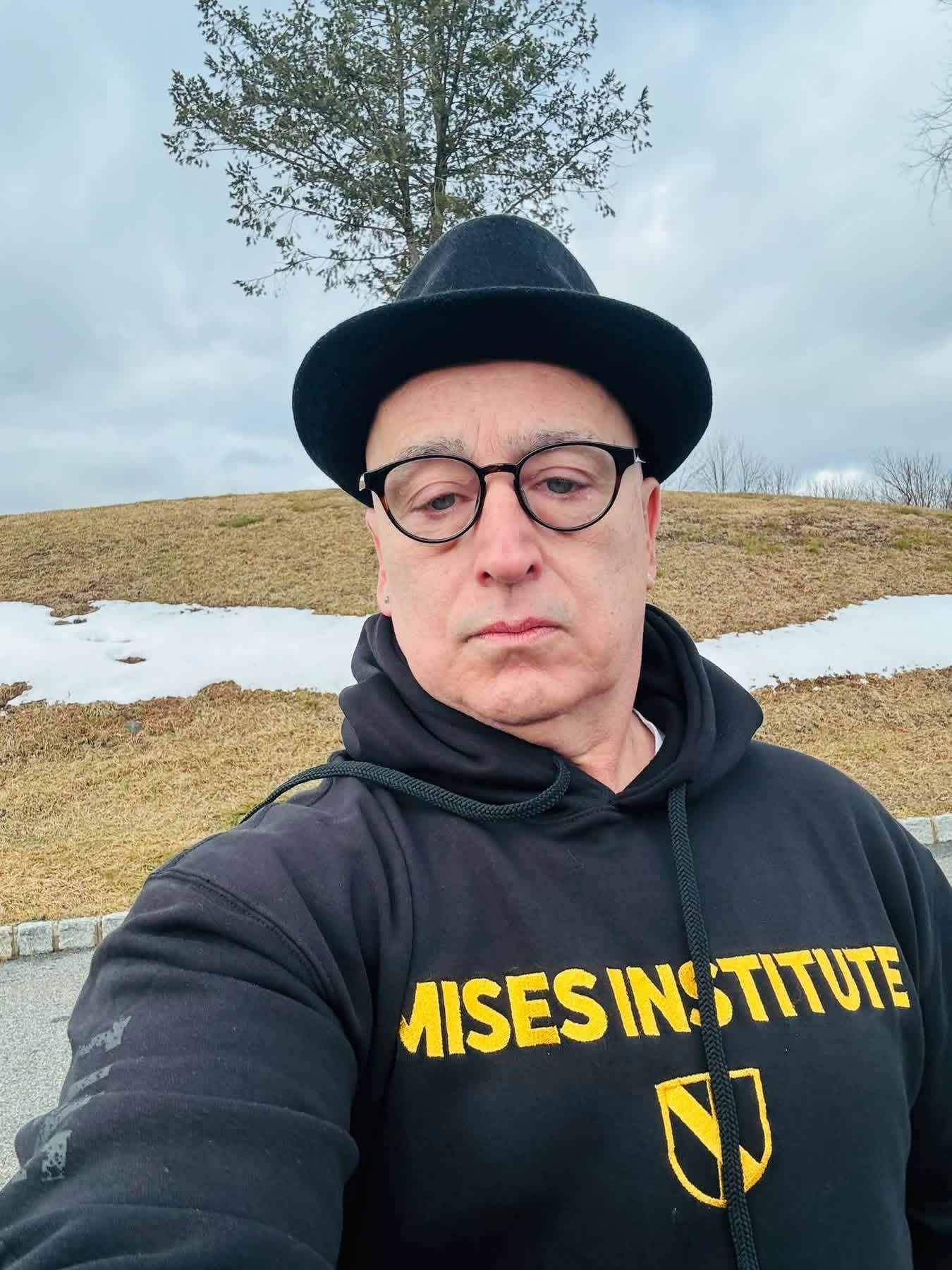
Photo: Tony Senatore: all rights reserved
I had an interesting conversation with my mother recently that I’ve been thinking about ever since.
My mom is 90 years old. She never went to college, but she’s one of the smartest people I know. She’s curious, observant, and never afraid to speak her mind. Of course, she’s not always right. Neither am I. But sometimes the most interesting conversations come from the times we disagree.
She pointed out how YouTube is filled with divisive, inflammatory, and sometimes potentially libelous videos about presidents from both political parties, many making allegations that aren’t supported by facts. Her conclusion was that somebody should intervene and make sure these videos are removed.
I offered a different perspective.
Authoritarian governments and democratic governments can both use the information environment to maintain existing power structures, but they often do so in very different ways.
In countries like Russia and China, governments restrict access to information that might undermine the authority of those in power. In America, we have a constitutional tradition of protecting freedom of expression, even when that expression is offensive, misleading, or divisive.
But there’s another side to consider.
What if the proliferation of divisive content serves a purpose, even without anyone deliberately orchestrating it?
Think about it. A working class divided by political tribalism, racial tensions, cultural grievances, and endless partisan arguments is a working class less likely to recognize its common economic interests.
People who might otherwise find common ground on wages, healthcare, housing costs, corporate influence, and the concentration of wealth instead find themselves fighting one another over ideological differences.
Meanwhile, the political and economic arrangements that contribute to many of their grievances remain largely undisturbed.
I don’t subscribe to the idea that powerful people meet in clandestine locations, drawing up written plans to establish a one-world globalist government. I think the explanation is considerably simpler, and perhaps more interesting.
Mass media, social media platforms like Facebook and X, and academia can operate symbiotically, reinforcing narratives and priorities that ultimately serve the interests of the existing establishment. This doesn’t require a central authority, a secret meeting, or even a common agenda. Their respective institutional, commercial, and ideological incentives can produce a similar outcome.
There’s an old Marxian idea called false consciousness that I think is particularly relevant here. Put simply, it’s the idea that people can be led to misunderstand where their real interests lie.
Imagine working people who have more in common economically than they realize, but who are constantly encouraged to see one another as enemies because of their political or cultural differences. They end up spending their energy fighting each other instead of questioning the economic arrangements that affect them all.
In other words, they can become participants in their own disadvantage without even realizing it. That’s what makes this idea so relevant today.
I’m not suggesting that every journalist, academic, social media executive, or political commentator is consciously participating in some coordinated effort. The point is that institutions don’t have to conspire to reinforce one another. Sometimes their incentives and outcomes are enough.
Perhaps that’s the more interesting distinction between authoritarian censorship and the American information environment.
One system can maintain control by restricting what people can see. Another can benefit from allowing so much noise, outrage, and division that people lose sight of what actually matters.
A population that spends all its time fighting among itself has very little time left to question the people and institutions that hold power.
Maybe the most important question isn’t simply what we’re being prevented from seeing, but what we’re being distracted from seeing.
Funny how a conversation with my 90-year-old mother can leave me thinking about something this big.
Related Topics
Related Posts