


The battle to heal Israel’s hospitals is just beginning
Operation Rising Lion, the war with Iran in June 2025, is over. The fighting in Gaza against Hamas seems to be finally winding down. Israelis everywhere are breathing cautious sighs of relief. However, inside the walls of Israel’s hospitals, the battle to protect and heal our nation is far from over.
The physical war may be quieting, but for the medical system, the challenges it unleashed are only beginning.
At Shamir Medical Center, like every hospital in Israel, we have seen firsthand the cost of this conflict. We have treated the wounded from rocket strikes, the burns, the trauma injuries. We have watched families wait in agony for word of loved ones, and we have seen, over and over, the toll that these weeks, months and even years of fear and violence have taken on the mental health of our people.
The lesson for us all is stark: Israel cannot afford to be unprepared again. This is the moment to think clearly about our duty to safeguard the vulnerable.
Hospitals must be at the very center of Israel’s national resilience. We need to ensure that every patient, from a premature infant in a neonatal ward to an elderly cancer patient mid-treatment, will remain safe and cared for even if rockets once again rain down on our cities.
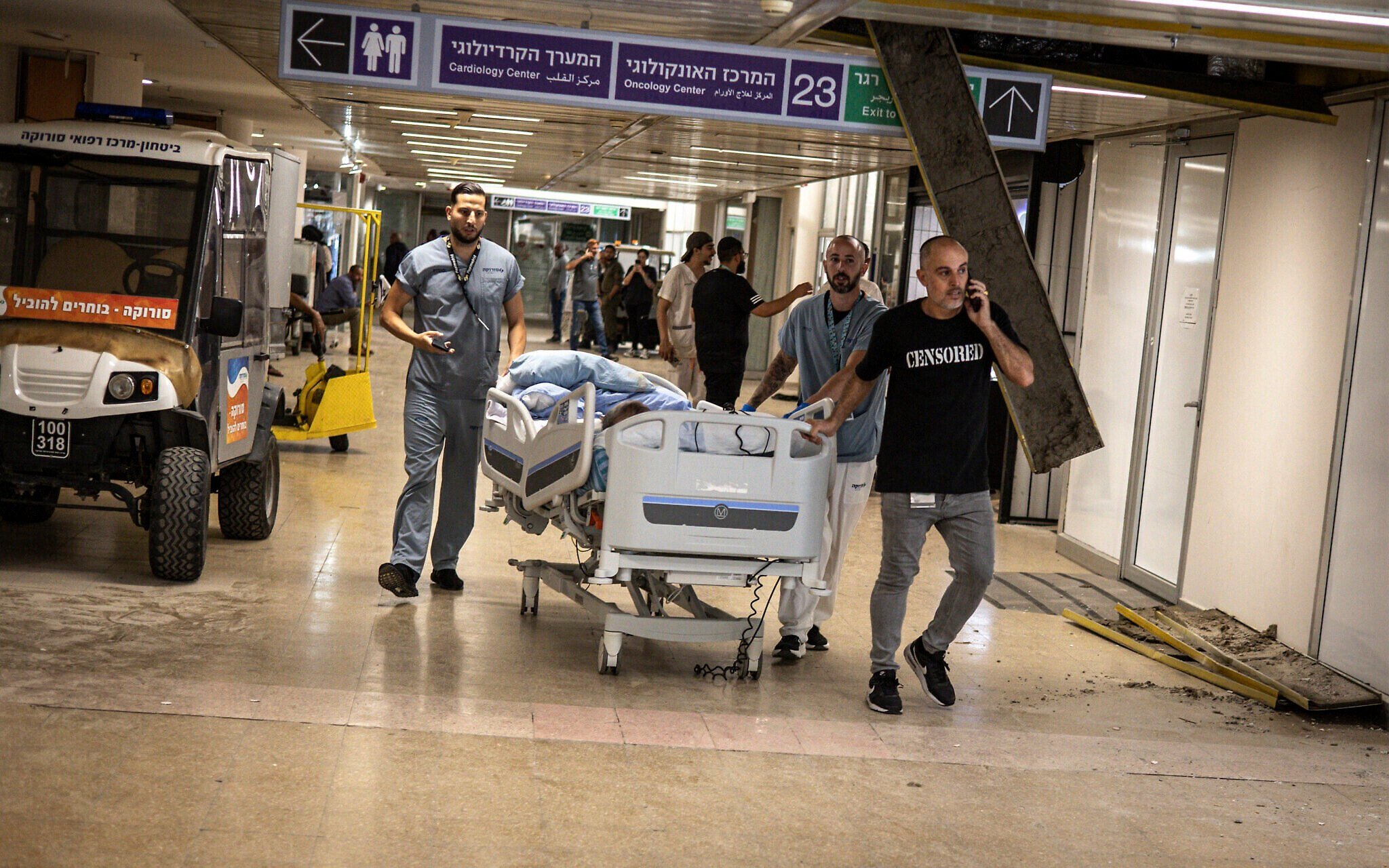
During the recent war, Israel’s health system demonstrated remarkable bravery and ingenuity. Staff ran to protected rooms carrying critically ill patients. Surgeries were interrupted by sirens. Underground parking lots became emergency rooms adapted overnight to mass-casualty events.
Nevertheless, improvisation cannot be our permanent plan. We must now build the infrastructure to guarantee that, in the next conflict, hospitals will not merely cope but continue to deliver world-class care without interruption.
That means fortifying hospital buildings to withstand missile attacks. It means expanding the number of protected operating rooms and intensive care units. It means ensuring that essential services, electricity, oxygen, communications, remain fully operational even under bombardment. It means protecting our staff so they can continue to serve without risking their lives.
This is not abstract.
During Operation Rising Lion, Iranian missiles directly targeted our hospitals with Soroka Medical Center taking a direct hit.
We learned that even facilities once considered safe are now in the line of fire.
At Shamir Medical Center, just like at other major hospitals, we have already begun the process of planning and securing funding to reinforce our infrastructure.
However, the scale of the need is immense, and it is vital to understand that a society’s strength is measured not only on the battlefield but in its ability to care for its sick and vulnerable in times of crisis.
At the same time, we must remember that the war’s victims do not stop being patients when the ceasefires take hold.
Hundreds have been left with life-changing physical injuries. Thousands more are living with psychological scars, children traumatized by sirens and explosions, soldiers and civilians grappling with post-traumatic stress. For them, the war did not end, it will remain with them for months and years to come.
We have a moral obligation to them. Rehabilitation is not an add-on to emergency medicine, it is part of saving lives. Mental health support is not optional or secondary, it is vital to our national recovery.
Finally, we must remember that healthcare resilience is part of national security. Investing in hospitals is as vital as investing in missile defense systems. One protects our borders. The other protects our people’s lives, dignity, and hope.
Israel is emerging from one of the most difficult periods in its history. As we rebuild, we have the chance to decide what kind of society we want to be.
Let it be one that refuses to leave the ill and the injured behind. Let it be one that recognizes its hospitals as part of its shield. Let it be one that prepares now, not later, to ensure that in the next war, God forbid, no patient is left unprotected, untreated, or forgotten.
We call on our friends and partners in Israel and around the world to stand with us as we work to make sure that the battle to care for Israel’s patients is one we will always win.