

The BBC’s Israel problem has been apparent for years
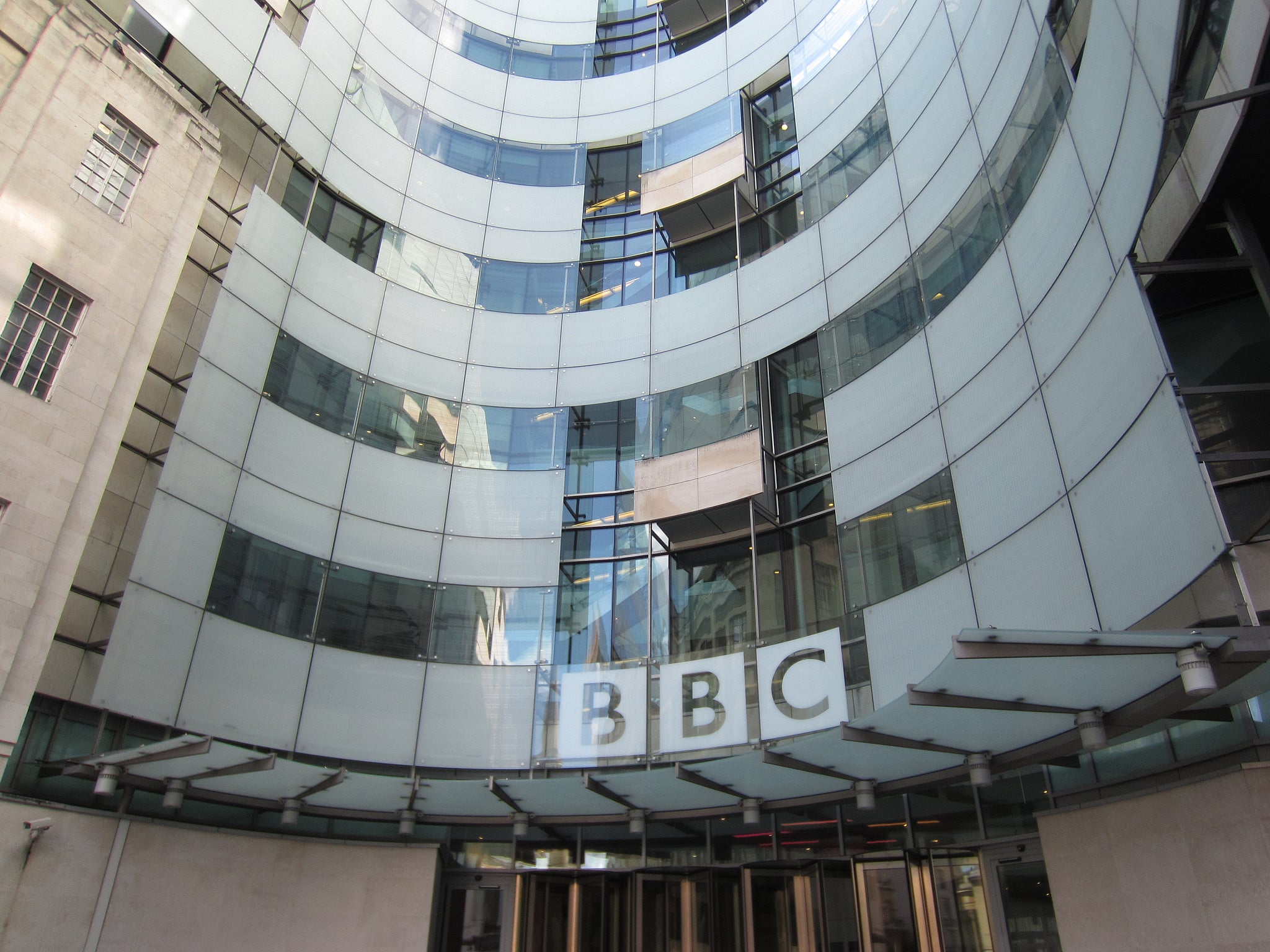
The leaked internal BBC memo, published by the Telegraph earlier this month, confirms what many already knew: that the BBC’s Israel coverage is riddled with bias. Hardly shocking, I know.
Written by Michael Prescott, a former journalist and recent advisor to the BBC on editorial standards, the memo details disproportionate criticism of Israel and serious questions over journalistic standards in the BBC Arabic service.
From the very beginning of the war in Gaza, the BBC appeared more interested in editorialising than reporting the facts. Left wing elites rushing to defend the BBC should realise nothing threatens the longevity of the institution more than continuing the status quo. The problems have been clear for years, it is time the BBC is forced to grapple with them.
Often during the war in Gaza, the BBC’s editorial standards evaporated. Take the now infamous Al-Ahli hospital incident just a few weeks after October 7th. Shortly after the explosion at Al-Ahli, the BBC breaking news X account posted, “Hundreds feared dead or injured in Israeli air strike on hospital in Gaza, Palestinian officials say.”
The BBC then broadcast a report from Jon Donnison, reporting from Jerusalem, where he drifted into blatant speculation. Was the explosion caused by an Israeli airstrike? “It’s hard to see what else this could be,” Donnison said on air. Meanwhile, the IDF had not yet made any official comment and were themselves investigating.
It turns out, of course, that the explosion was almost certainly caused by a rocket fired at Israel’s civilians which fell short into Gaza. Even the BBC was forced to accept that Donnison’s broadcast was “not consistent with the BBC’s standards of due accuracy.”
If you are tempted to give the BBC the benefit of the doubt, Prescott’s memo exposes bias in Israel coverage as systemic, not limited to high-profile or rapidly changing incidents like Al-Ahli. On the issue of the genocide libel against Israel, Prescott detailed how the BBC had routinely misrepresented the ICJ’s provisional ruling and how it relates to plausibility of genocide. He wrote that there were “too many instances” of this “to be listed in full” in his memo. Prescott also accused the BBC of ignoring concerns over accuracy in casualty numbers. This included the repeated repetition of the debunked stat that 70% of those killed in Gaza were women and children. Are we really supposed to believe that this litany of errors is accidental?
Then there is the utter scandal of the BBC Arabic service. Throughout the war in Gaza, stories critical of Hamas routinely — and we are supposed to believe innocuously — failed to appear in BBC Arabic. Prescott details how, of 19 stories written in English on the Israeli hostages taken by Hamas on October 7th, not a single one appeared on the BBC Arabic site. Similarly, Prescott identified that no articles criticising Hamas appeared in BBC Arabic, compared to a handful in English. Perhaps worse than the coverage itself, there have been multiple exposes of journalists used by BBC Arabic holding “antisemitic and pro-Hamas views”; one such ‘journalist’, who said that Jews should be burned “as Hitler did”, appeared on BBC Arabic over 200 times in 18 months.
Many of these revelations were reported on at the time by journalists and researchers who have steadfastly tried to hold the BBC to account. It is a shame that real action has only come following this leaked internal memo. The BBC’s Director General, Tim Davie, resigned over details in the memo — though much more to do with the BBC’s reporting on President Trump, rather than Israel Tory leader Kemi Badenoch said that “heads should roll” following the revelations.
Almost reflexively, supporters of the BBC’s particularly partial brand of ‘impartiality’ have leapt to the institution’s defence. Sir Ed Davey MP, leader of the Liberal Democrats, seems to think that the BBC’s editorial woes stem from having a conservative on the BBC board; the Guardian dubbed the coverage of the bias uncovered by the Prescott memo “an exhausting rightwing campaign.” The irony of the BBC’s defenders coming from exclusively left wing institutions and parties, is seemingly lost.
For those of us even paying slight attention, the BBC’s editorial standards have been lacking for years. Throughout the war in Gaza, the BBC amplified views critical of Israel and turned speculation against it into gospel. If supporters of the institution really care about its longevity, they should understand how deeply damaged the BBC brand is. Once the pinnacle of reporting integrity, the institution has become a tool to espouse a particular worldview. The Prescott memo has the BBC bang to rights on bias; real change will only come from a thorough reorganisation of personnel and priorities. More of the same will only act as a further nail in the beleaguered institution’s coffin.