I believe in independent, clear, and courageous journalism – especially where injustice is being silenced
The Boy from Poti’s Jewish Quarter

Photo edited by Imeda Darsalia
From 19th-century European modernization to the dark, starving days of the 1990s, the legacy of a Georgian-Jewish businessman continues to define 26 centuries of coexistence on the Black Sea coast.
Phasis, the Argonauts, and the Golden Fleece – the ancient Greek myth is familiar to many, yet the Georgian port city of Poti holds a far more vivid, modern memory of heroism. The destiny of one of the oldest cities on the Black Sea coast was shaped by two remarkable figures: Niko Nikoladze, the 19th-century visionary who gave Poti its European future, and Shota Megrelishvili, a Georgian Jew who preserved the city’s survival during its darkest hour.
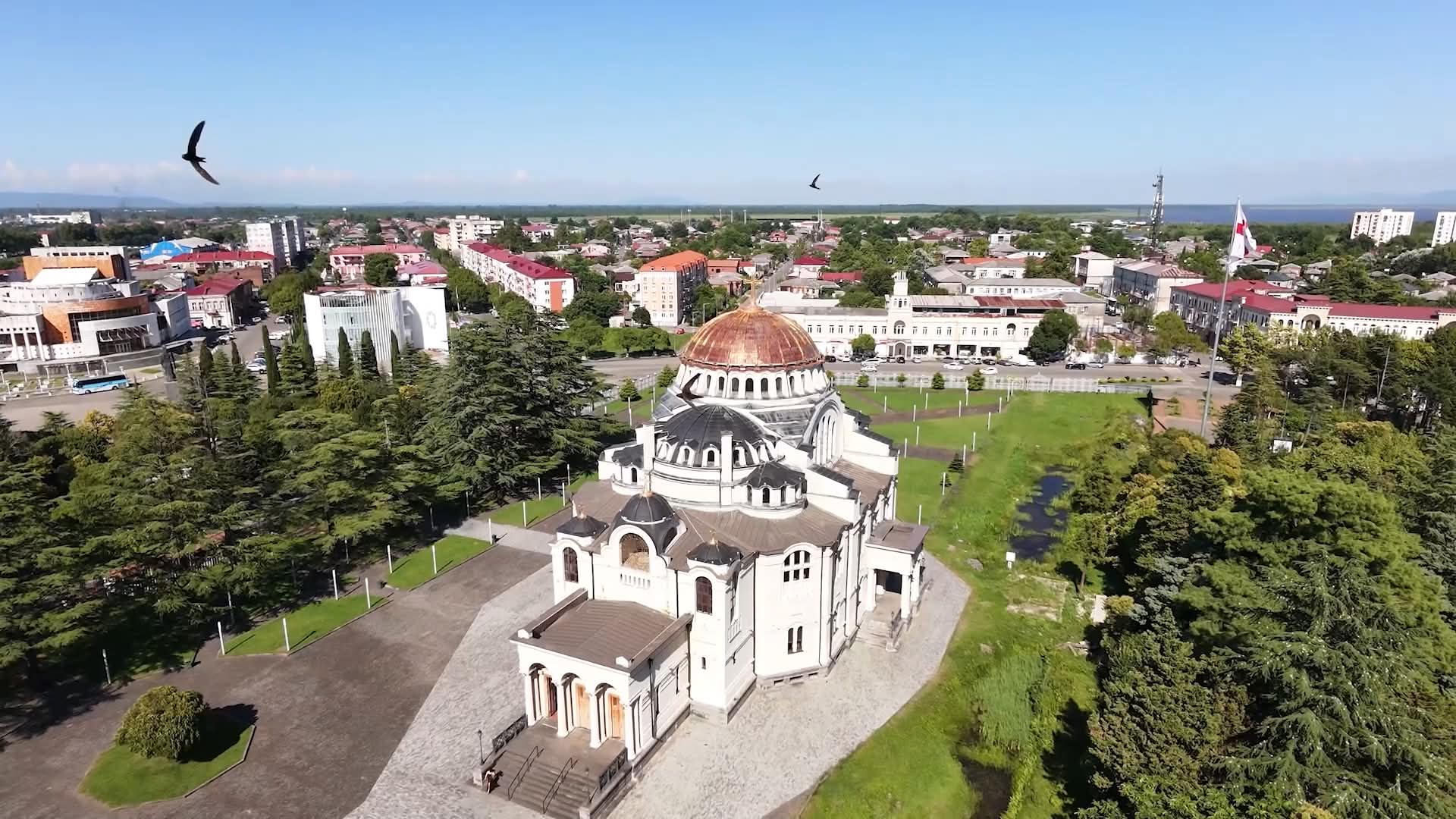
A European Port and a Thriving Jewish Heart
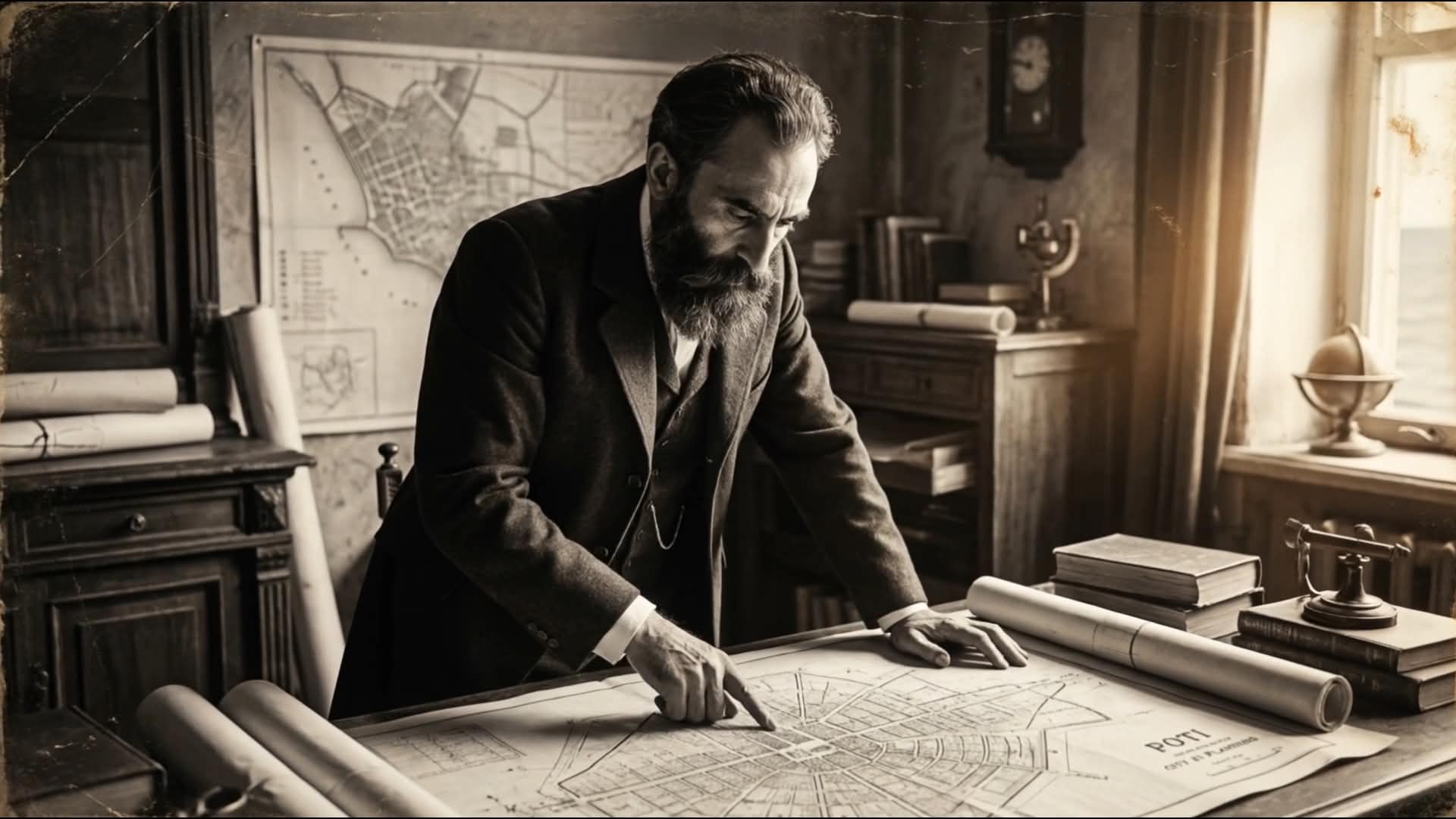
Modern Poti owes its existence to Niko Nikoladze. Even before becoming mayor, he spearheaded the Poti–Tbilisi railway project in 1872, igniting an economic revival across the South Caucasus. Unanimously elected mayor in 1894, Nikoladze modeled Poti after Europe’s finest maritime hubs – modernizing the harbor, introducing electricity, and transforming the skyline with European architecture.
This economic boom drew families from across Georgia, including a vibrant community of Georgian Jews. Here, the 26-century-old tradition of Georgian-Jewish coexistence flourished through shared bread, hardships, and celebrations.
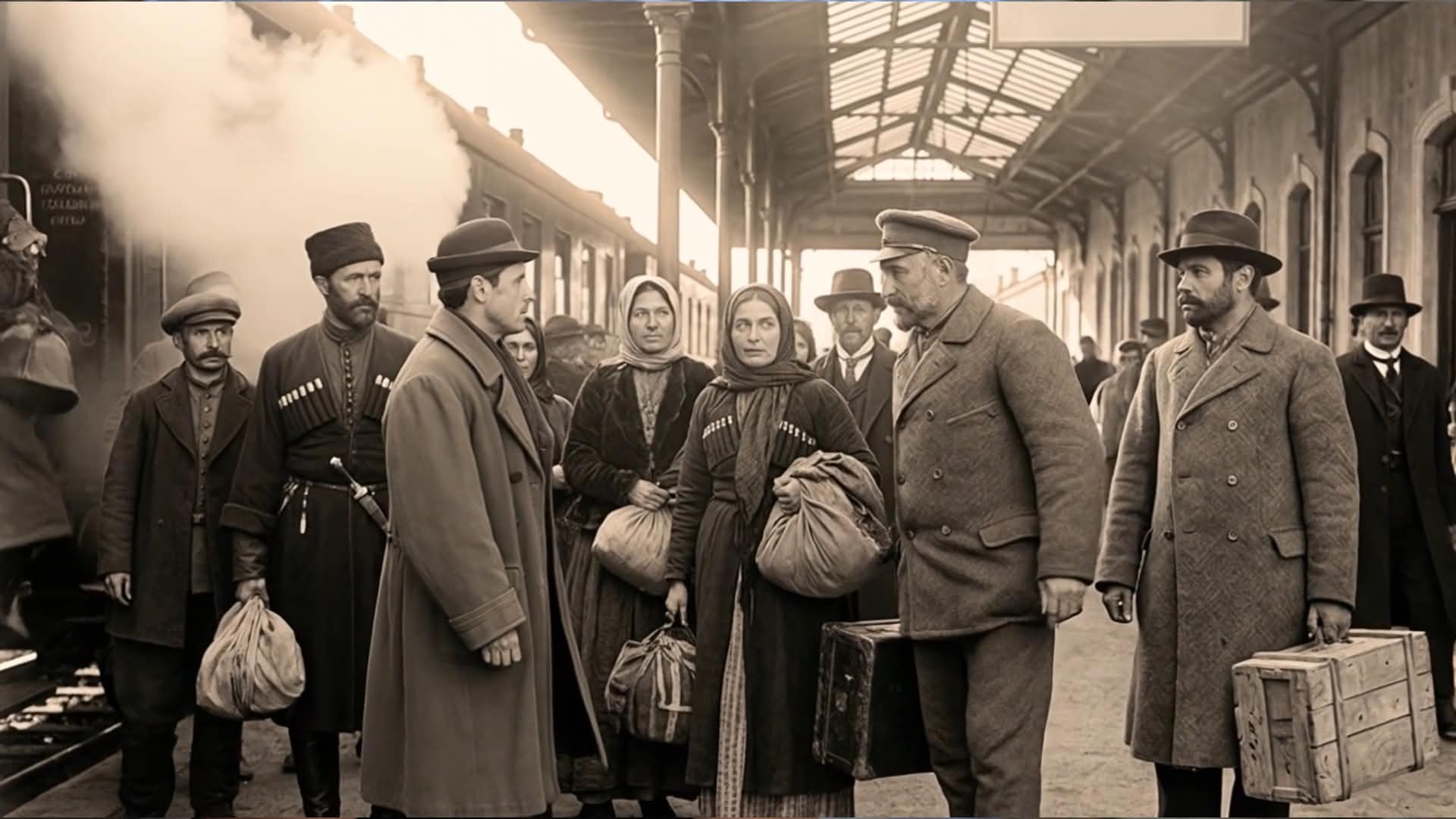
Poti’s Jewish quarter became the beating heart of the city. Even decades after making aliyah to Israel, former Jewish residents returning to Poti make their first stop at the childhood homes and neighbors they left behind – a testament to bonds that borders cannot erase.
Ships of Hope in the 1990s
It was in this close-knit quarter that Shota Megrelishvili grew up. His family story was forged in resilience:
Following in those determined footsteps, Shota Megrelishvili built a major international business career. Yet no matter how far he traveled or how high he rose, he never lost the warmth, humor, and fierce loyalty to his hometown that define a true Poteli.

Poti’s greatest test arrived in the 1990s. Following the collapse of the Soviet Union, Georgia was plunged into civil strife, economic collapse, darkness, and severe food shortages. With Poti paralyzed and without bread, sugar, water, or electricity, local officials sent a desperate letter to Israel pleading for help.
Megrelishvili answered without hesitation. Soon, ships appeared on the Black Sea horizon. They were more than cargo vessels; they were living proof that a son who had gone far away had not forgotten his home. Rallying fellow Jewish business leaders, Megrelishvili delivered at least $3 million worth of flour, staple foods, and essential supplies – a lifeline that rescued starving Poti and was distributed across the rest of Georgia.
Quiet Philanthropy and Enduring Legacy
To the people of Poti, Megrelishvili was defined not by his wealth, but by his quiet, dignified generosity. Locals remember that he set aside one day every week—Thursday—strictly to receive anyone facing hardship.
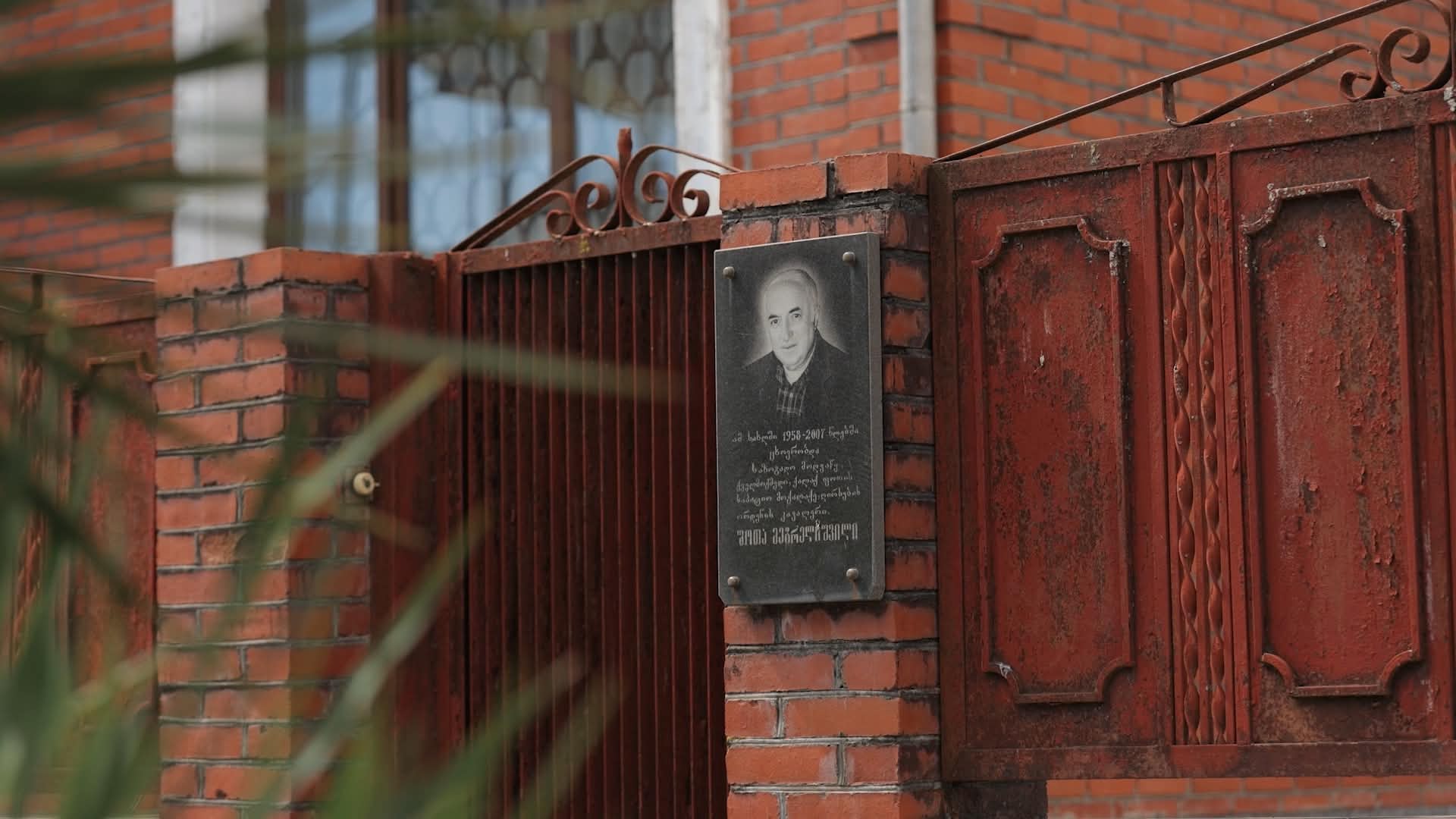
Lines would stretch down the hallway outside his door. Insisting on complete privacy, Megrelishvili met each person alone so that no neighbor would ever know who had asked for help or what they received. No resident ever approached him in vain.
An Honorary Citizen of Poti and a recipient of Georgia’s Order of Honor, Shota Megrelishvili is buried in the soil of Israel—the ancestral land his forebears dreamed of for centuries. Yet his roots remain permanently anchored in Poti.

In the end, 26 centuries of Georgian-Jewish friendship look much like two rivers flowing side by side, finally meeting in a single sea along the shores of Poti.
This story is also explored in a short documentary film, ‘The Boy from Poti’s Jewish Quarter’ (Sanapiro), which traces the personal memories and historical footprint of Poti’s Jewish community.
Related Topics
Related Posts