
I write what I see
The Catchphrase of the Century: Israel is an Ethno State!
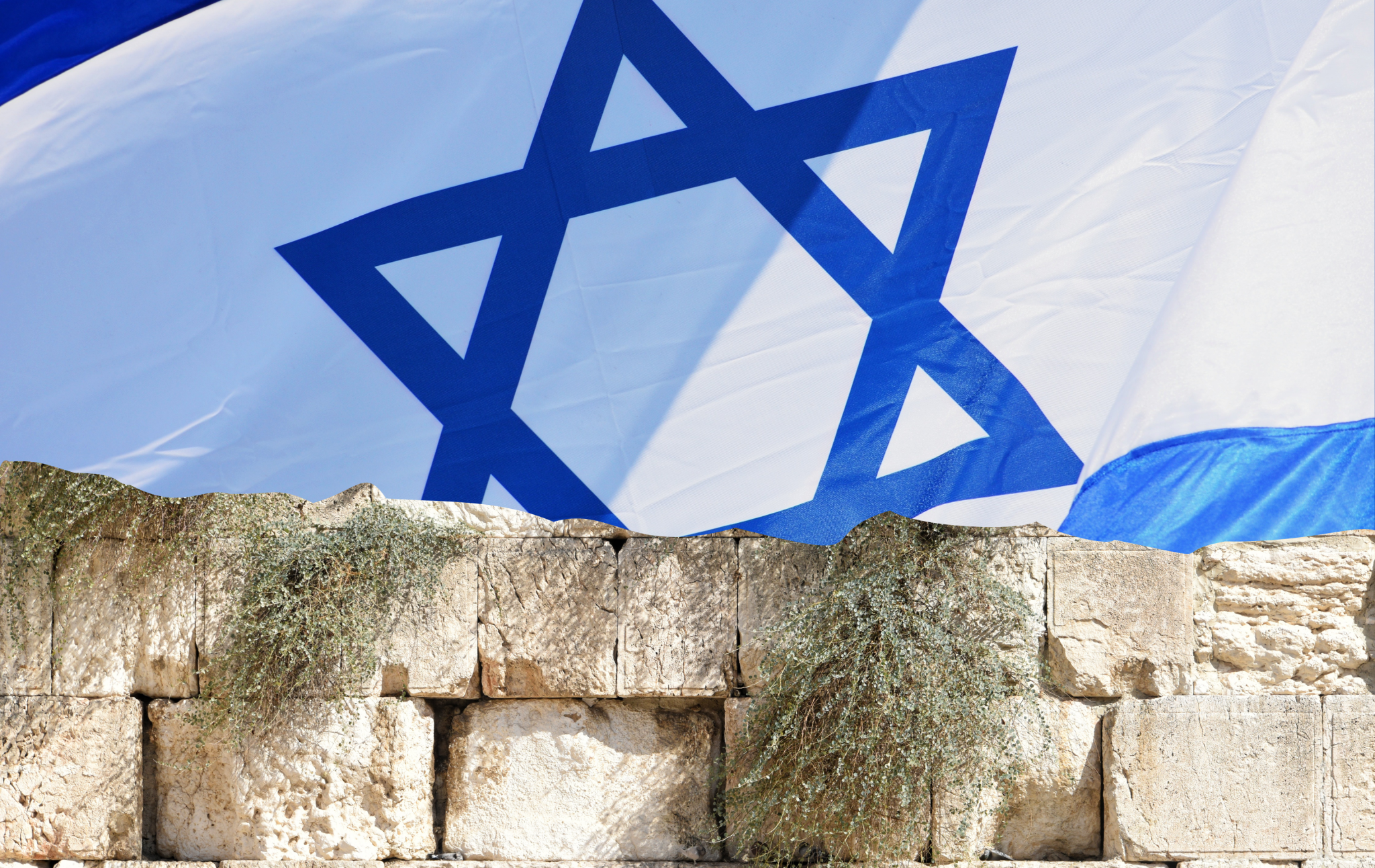
The hypocrisy of singling out Israel as an ethno state, when ethno states are the norm across the globe.
Oh, how the phrase “Israel is an ethno state” has become the mantra of those eager to cast Israel as something uniquely sinister. Repeated like a prayer by critics who seem to believe they’ve unearthed some profound revelation, it’s wielded as though it’s an indictment rather than the simplest, most self-evident fact.
An ethno state is simply a country formed around a shared identity of language, culture, religion, or ethnicity. In other words, it’s a form of nation state—where the nation (a cultural or ethnic community) and the state (the political entity) are joined. This isn’t some aberration. It’s the rule, not the exception. Most nations are built this way.
Look around:
Greece: Orthodox Christian and Greek in identity
Poland: rooted in Polish Catholic tradition
Ireland: defined by its Catholic heritage
Thailand: Buddhist and Thai
Japan: Japanese language and Shinto-Buddhist culture
Egypt: an Arab and Muslim republic
Jordan: an Arab kingdom ruled by a Hashemite monarch
Saudi Arabia: the “heart of the Islamic world”
Even the United States, often seen as a civic nation, is deeply shaped by Christian cultural foundations—holidays, biblical references in politics, and a national ethos rooted in Protestant and Catholic traditions.
Sure, there are civic states—countries that formally define themselves around citizenship and shared civic values rather than a single ethnic group, like the USA, Canada, or India. But even these so-called “civic nations” are steeped in cultural and religious markers that reflect the dominant identities of their populations. Human communities have always been shaped by cultural and linguistic bonds, and no state is free of this reality.
The list goes on. In nearly every corner of the globe, nations form around a core identity—religious, ethnic, or cultural. Israel is no different. It’s not an outlier; it’s the norm.
Yet somehow, only when Israel is discussed the term “ethno state” transforms from a factual descriptor into a loaded slur. When it’s Greece, Poland, or Japan, no one questions their legitimacy or demands that they erase their identity. But for Israel—uniquely Jewish, small, and surrounded by states with explicit Arab and Islamic character—the same logic doesn’t apply. Here, what’s normal elsewhere is weaponized as a moral scandal. The existence of a Jewish homeland is no different in principle from any other ethno state, though it continues to be treated as if it’s an outrage.
“Israel is an ethno state”—a phrase repeated as a condemnation, not a fact.
Let’s remember that Jewish nationhood predates modern Israel by millennia. It’s woven into ancient texts and buried in the stones of Jerusalem. Jews built kingdoms in this land before Greek was spoken in Athens or Latin in Rome. For centuries, Jews prayed facing Jerusalem, remembered Zion in their songs, and dreamed of return. In 1947, the United Nations acknowledged this ancient connection with a vote to create a Jewish state, and Israel became the homeland for a people cast out of every other land.
In Israel, you see Arabic signs adorn streets, mosques fill the cities, and you even hear the call for prayer echoing from every corner. Arab citizens sit in the Knesset, serve in hospitals, and play on soccer fields. Israel’s Jewish identity is real and central, but it doesn’t erase the mosaic of cultures and communities within it—like every other democracy on earth.
So let’s drop the pretense. “Israel is an ethno state” is not a scandal—it’s a statement of historical and political reality. The real scandal is why, out of the dozens of ethno states, Israel’s existence alone seems to require endless justification.
At the end of the day, this issue is not about nationalism. It’s about Jews, and it always has been.
*Extra reading:
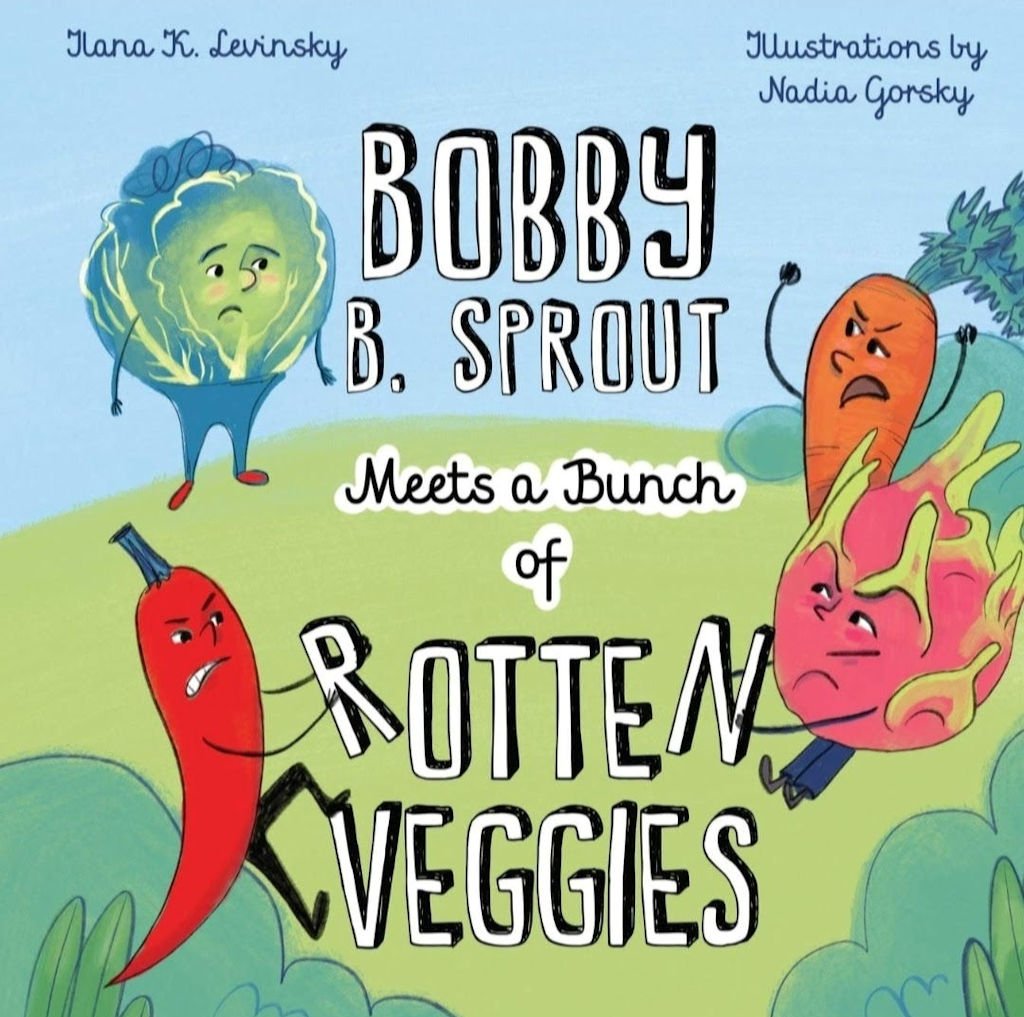 Bobby B. Sprout Meets a Bunch of Rotten Veggies is a story for anyone who’s ever felt like the odd one out. In his adventures, Bobby encounters veggies who foster intolerance and exclusivity, revealing how these attitudes can take root early. While children will see a tale about courage and staying true to oneself, readers attuned to the subtle motifs may see deeper echoes of antisemitism and prejudice. In a world that needs more kindness and acceptance, this book plants seeds of empathy and understanding. Available on Amazon.
Related Topics
Related Posts