

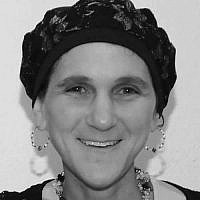
Yoetzet Halacha, Midreshet Nishmat
The Challenges of Posthumous Parenthood: Insights from a Yoetzet Halacha PART 1
PART 1: MAKING THE DECISION
Shortly after the war began, the wife of a reserve soldier sits down with her sister for dinner. Her husband was called to the front line when the war broke out on October 7th, and he has been fighting with his battalion ever since. Her sister has come to give her support and, despite her husband’s absence for several months now, the atmosphere is relaxed and upbeat. Suddenly, a knock on the door instantly changes everything. Her life will never be the same.
Not long after delivering the tragic news, army representatives ask the woman if she wishes to extract and preserve sperm from her husband in order to enable her to have children from him in the future. They cannot delay asking her wishes, since as time passes the viability of the sperm decreases. His parents, who have already arrived, turn to their daughter-in-law and tell her that they do not want to interfere and the choice is hers. They suggest consulting with a Yoetzet Halacha Fertility Counselor who lives nearby, since there are halakhic considerations involved. The yoetzet comes quickly and recognizes the magnitude of this decision, with little time to waste. Furthermore, she knows that this decision is complicated, with several psychological and halakhic considerations.
A feeling of playing with fate is in the air. The stress of making a decision in this complex situation compounds the heart-breaking emotions flooding the family. The yoetzet knows that she wants to support the young wife and let her process what is occurring, and, at the same time, she needs to encourage her to make a quick decision so as not to miss the window of opportunity. However, this is a decision that cannot be made half-hearted. The yoetzet speaks briefly with the young woman and then leaves the house to call the rabbi of Nishmat who advises the Fertility Counselors.
The rabbi listens patiently and sensitively to the tragic story and the complex question that the yoetzet presents. He then discusses the issue of nivul hamet, desecration of the deceased by infringing the body’s sanctity, and recommends trying to help the woman find out what her husband would have wanted in such a situation. In addition, the yoetzet consults with a fellow Yoetzet Halacha Fertility Counselor who is also a lawyer specializing in the field of law and fertility. After a round of consultations, the yoetzet returns to the family’s home. She sits with the newly widowed woman and tells her that the Rabbi and legal counselor’s opinion are that the law depends on her husband’s wishes and her personal wishes for the future. The woman is torn. She knows that he would want her to be happy. But right now she can’t possibly know what would make her happy – to extract the sperm and retain the possibility of bearing a child with him in the future or to let it be and come to terms with the tragic situation. The Yoetzet sits with the woman a little longer, reminding her that she is always here for her, especially if she needs her in the coming days and weeks, and leaves the house. As she leaves, she prays that whatever decision the young woman makes she should be at peace with her choice.
Nishmat’s Yoatzot Halacha Fertility Counselors in conjunction with Gefen Fertility, have studied the medical and halakhic aspects of many challenging fertility questions such as early ovulation, fertility preservation for single women, fertility treatments on Shabbat, and the halachically thorny topic of gestational surrogacy. During the training of the first cohort of Yoatzot Halacha as fertility counselors in 2017, none of the program’s founders envisioned having to deal with posthumous sperm retrieval on a practical level. The Iron Swords War brought to the fore new situations that needed to be dealt with quickly and carefully.
A week after the war began, the fertility counselors gathered to study the different issues involving posthumous sperm retrieval, first hearing about the Ministry of Health’s medical guidelines from the head of the Ministry’s fertility department, Professor Talia Eldar-Geva. Temporary guidelines were quickly set up by the ministry to make it easier for families to preserve sperm if they so desired. After meeting with Professor Eldar-Geva, the group discussed the psychological aspects of the process, under the guidance of psychologists Dr. Karen Friedman, founder of Gefen Fertility, and Dr. Rhonda Addesky, both of whom work with the Fertility Counselors on an ongoing basis. Dr Yardena Hyman from the Shaarei Zedek IVF Unit and the medical consultant for the fertility counselors described the process from the practical, medical perspectve. Afterwards, the group explored the halakhic aspects with Rabbi Yaakov Warhaftig, the rabbinic head of Nishmat’s Yoatzot Halacha. Rabbi Warhaftig made clear that it is critical, both halachically and ethically, to first clarify the fallen soldier’s wishes, through his widow or otherwise. If the soldier’s wishes were clear then posthumous sperm retrieval is not considered dehumanizing or desecrating the dead.
This war is long and, unfortunately, fallen soldiers of all ages – young recruits and veterans – join the war memorial wall. But the complex question of preserving sperm after death is not becoming simpler or easier.
Next time, we will outline the diverse considerations that arise in deciding whether to retrieve sperm from a deceased man.
This piece was prepared with the assistance of Yoetzet Halacha Fertility Counselor Shira Kfir.
For a free consultation with a yoetzet halacha fertility counselor please contact Whatsapp +972-2-640-4330 or through the form on the website.