
The China India Israel Trilogy
You are wherever your thoughts are, make sure your thoughts are where you want to be.
Rabbi Nachman of Breslow

Take a stroll through the streets of Beijing, Mumbai or Tel Aviv and one would see a striking feature in common ‘change’. This change might not be consistent or even follow the same pace in all three cities, but it is right there. Now this is not just about trade and politics but also about reforms that are much needed to facilitate both. China is all set to become one of the most reckoning forces the world has ever seen backed by the previous leadership of Hu Jintao and now one of the greatest leaders they ever had, Xi Jinping. Xi is great orator, a man who has a vision to balance technology, power and nature. Let us not forget Xi Jinping is a man of his words. No one opposes a pro-reform or a pro-development agenda in China. China has little tolerance for time-consuming and non-productive topics like, faith-related debates, gossip and other controversies that arise out of it. China knows that they cannot afford a situation where all the attention is being sucked into such narrow political issues.
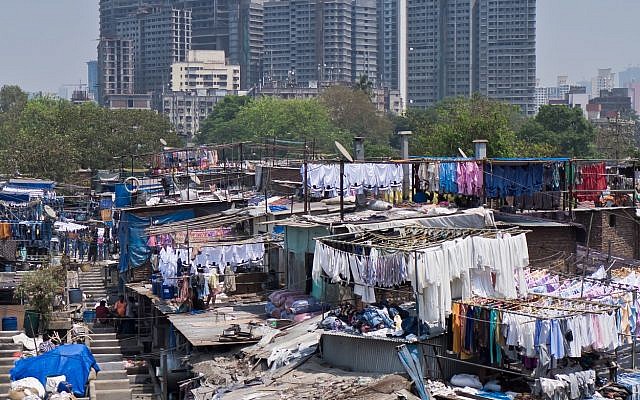
India is looking at Israel for technology, power and long-term relationship in many other areas. Unfortunately, India is at least a hundred years behind China in terms of technological developments and reforms, if not more. India still needs reforms on several fronts right from men’s rights, women’s rights, gender equality to real estate and trade. It is appalling that this country is not able to upgrade its laws that were determined by the Persian Empire and the British Empire. India struggles with governance even after 70 years of freedom. The biggest mistake that India is doing in not upgrading these laws, is the fact that these outdated laws are turning out to be a sheer wastage of productive time. Not just wastage but also one cannot ignore the fact, that these laws lead to injustice in a world where other countries upgrade their laws every two to five years. The current government did a great job by scrapping article 377, removing section 497 (an outdated and cruel adultery law) and allowing Lesbians, Gays and Transvestites to integrate with the society. However, things don’t end there. There’s a huge list of reforms that are still pending, right from marriage acts to other important judicial reforms.
Artificial Intelligence is coming! The world cannot afford to be primitive, stubborn or irrational the way it was in the past. This is not a time to debate or have unproductive discussions in the Indian Parliament or the Knesset. This is not a time to decide if we need more orthodox believers or reformers in the world. Religion has its own place, but it becomes a menace once it enters governance. Israel has seen development in trade and partnership under the able leadership of Benjamin Netanyahu. ‘Bibi’ as they call him is known for economic reforms. He knows the importance of reforms more than anything else. If something can help Israel grow into a prosperous nation, it is reforms, partnerships and collaboration. Bibi is doing exactly that. He has tactfully controlled issues that need not be sorted at his level. At the same time, he is doing his best to build Israel which might one day shine for its righteousness and justness. This is only possible if Israel continues to support reforms and creates a better living conditions for its people and others who visit Israel. A detailed examination of Israel’s financial situation shows that Netanyahu has succeeded where many others failed. His tax cuts did pay off. And he has transformed Israel into more of a market economy than an old small-trade lobby.
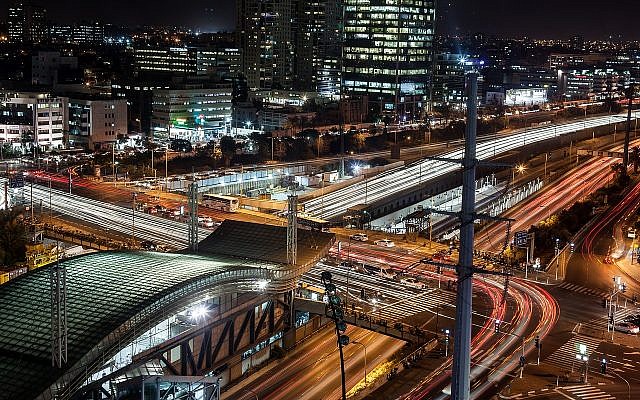
Indian Prime Minister Narendra Modi is instrumental in building a long-term strategic relationship with Israel. So far India has collaborations with Israel in Agriculture, Water Conservation, Industrial Research among other important partnerships. Both countries are also working on science and space collaboration. If India can make anything out of this golden opportunity, it must address its problems back home. It is now imminent that the Indian Prime Minister Micro-Manages reforms and development if not Nano-Manage them. Enough jobs can be created in India to do exactly this, but India needs this insight which seems to be missing since seven decades. India is also looking at China for collaboration in trade, now that most of the goods available in Indian market are made in China. In the future this trilogy will be a critical one, especially for the future of all three respective countries.
—
Thanks to pixabay.com for these lovely images!