


The cities powering Israel’s future deserve more in return
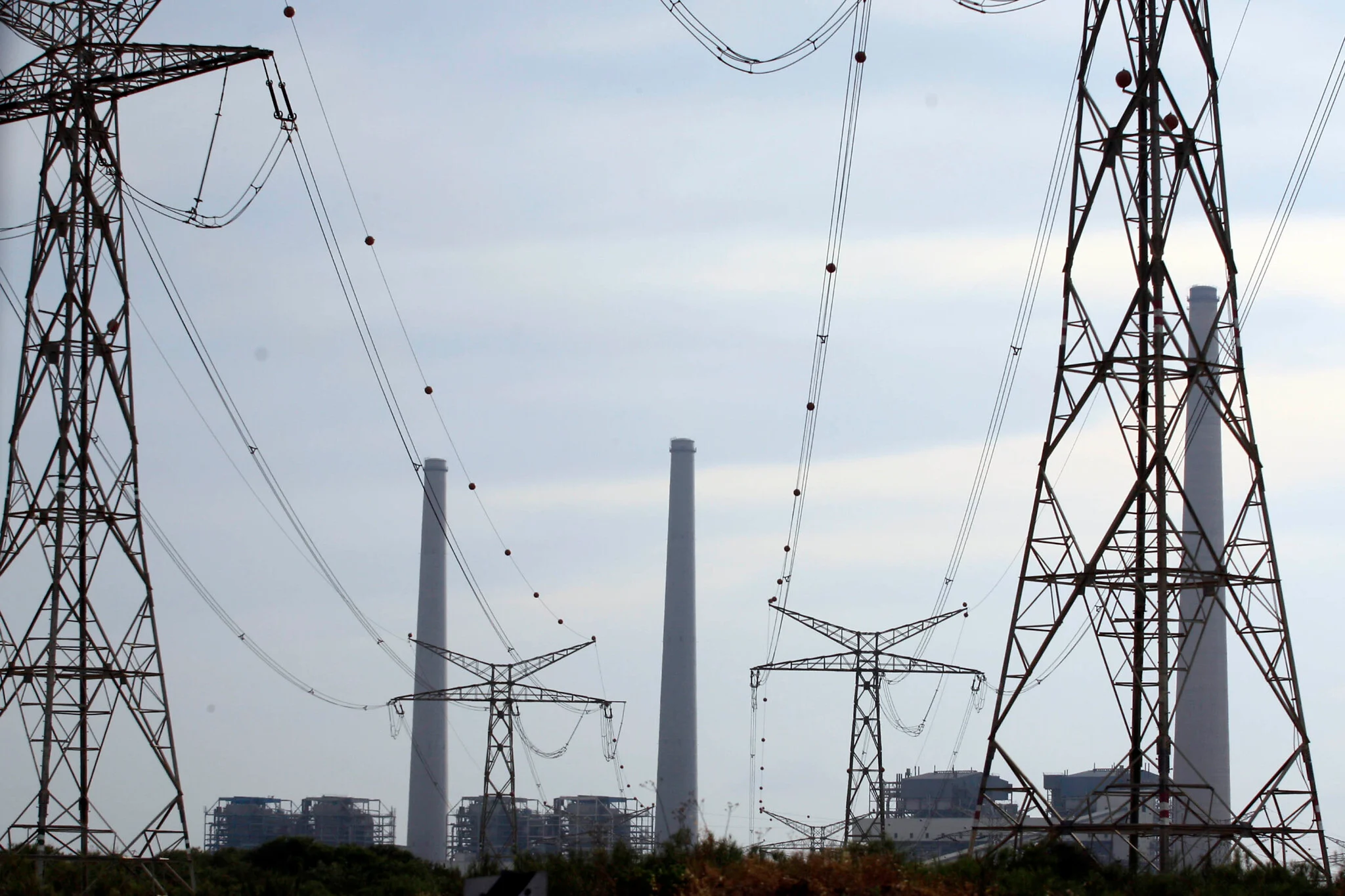
In the years ahead, Israel will need significantly more electricity, larger infrastructure footprints, and far more advanced energy solutions. This is no longer a distant forecast, it is a reality already taking shape before our eyes.
Artificial intelligence, cloud computing, data centers, advanced industries, electric transportation, and smart urban systems all depend on one fundamental resource: energy. Every technological leap depends on power plants, energy storage facilities, transmission lines, land, roads, high-voltage networks, drainage systems, and municipal services.
Yet one fundamental question remains unanswered: Who should benefit from the economic value created on public land?
Today, the model is clear. The state promotes national infrastructure projects. Private developers build them. Economic gains flow to a limited group of stakeholders. Meanwhile, the municipality that hosts the project is often left to absorb the consequences without receiving a fair share of the benefits.
More traffic. Greater maintenance demands. Increased security needs. Expanded municipal services. Environmental mitigation. Additional public expenditure. All of these fall on the local authority and, ultimately, on the residents.
At the Haifa and Northern District Planning and Construction Conference, I introduced a concept that borrows from the familiar idea of nationalization, but shifts the discussion to the municipal level: municipalization.
This is not about the state taking ownership of private assets. It is not about stopping development. And it is certainly not about opposing national infrastructure. It is about recognizing a basic principle: when national infrastructure creates significant economic value inside a city, the city and its residents must receive a fair, permanent, and regulated share of that value. In other words, not the nationalization of assets, but the municipalization of value.
The idea is simple, national infrastructure projects developed within municipal boundaries must operate in genuine partnership with the local authority. Not only in planning and permitting, but also in revenue generation, long-term value creation, and profit sharing. Israel’s cities are not merely the execution arm of the state. They are where national policy becomes everyday reality. They absorb population growth, manage the rising demand for public services, maintain the urban environment, and carry the daily responsibility for residents’ quality of life. Yet the revenue model for local government remains rooted in a framework that is decades out of date.
Mayors are repeatedly forced to explain to residents why municipal taxes continue to rise while, on the very same public land, facilities are built that generate hundreds of millions of shekels for developers and the state. Local communities see their land transformed, their infrastructure strained, and their urban landscape altered, but too often, they receive little direct benefit from the value being created around them. This imbalance must be corrected.
The principle is clear: when an energy facility, data center, transmission corridor, or any other national infrastructure project is built within a municipality and relies on its land, roads, services, urban systems, and community resources, part of the value it creates must return to the city and its residents.
Not as a favor. Not as a one-time grant. Not as a ribbon-cutting gesture. But as a permanent, regulated, and fair partnership. This is not only an economic discussion. It is a discussion about distributive justice, national responsibility, and the future relationship between the state and local government.
For too long, municipalities have been treated mainly as implementation agencies. In reality, they are the institutions that sustain everyday life in Israel. They operate schools, maintain public cleanliness, provide municipal security, deliver welfare and community services, support culture and sports, and make national decisions work on the ground. The state cannot continue to build national infrastructure at the expense of the cities that host it without making them genuine stakeholders in its success.
As energy demand, artificial intelligence, and advanced infrastructure reshape Israel’s economy, the relationship between the state and local authorities must evolve as well. National infrastructure projects built within municipal boundaries must generate far more meaningful revenues for the communities that carry their impact.
These resources can fund new classrooms, youth centers, neighborhood renewal initiatives, stronger welfare services, public parks, urban regeneration projects, improved public spaces, and the essential services that residents rely on every day.
This reform is important for all of Israel, but it is especially critical for the North and for the country’s peripheral regions. Many municipalities are dealing with significant budgetary constraints, urgent urban renewal needs, employment and transportation challenges, educational gaps, and the ongoing need to strengthen civic resilience. If the state is serious about reducing disparities, it must allow municipalities to capture a fairer share of the value created within their jurisdictions.
Israel needs strong, independent, and financially resilient cities. To achieve that goal, local authorities must no longer be seen merely as dependent recipients of government budgets. They must be recognized as full partners in the creation of national value.
That is the essence of municipalization: When national infrastructure creates national value inside a city, the city and its residents deserve a fair share of that value.