
The Connection Between Yom HaZikaron / Yom Ha’atzmaut, and Pesach
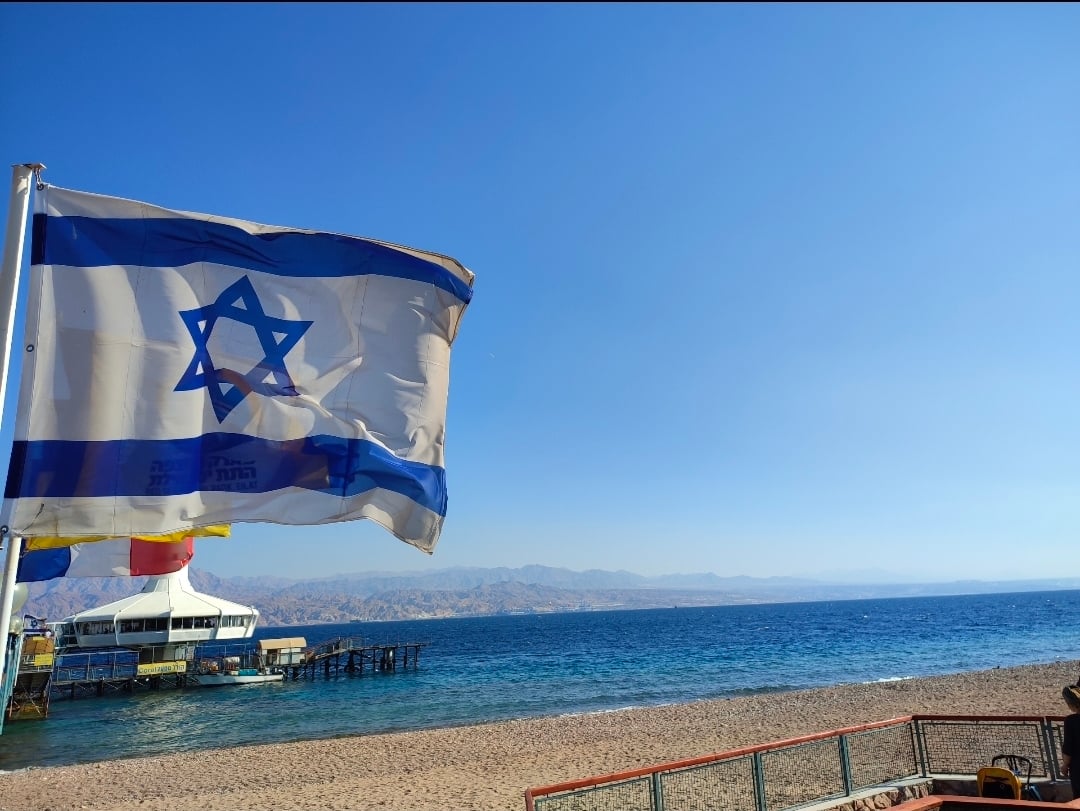
The juxtaposition of Israel’s Memorial Day and Independence Day is often seen as somewhat striking. Memorial Day is deeply somber, centered on visiting the graves of fallen soldiers and hearing their stories. Yet within hours, the mood shifts dramatically as Independence Day begins—a time filled with joy, celebration, and song.
While the decision to place these two days back-to-back was made by the government, the underlying concept can be found in the way Pesach itself is observed.
On Pesach, the duality of suffering and freedom is one of its central themes. The matzah we eat represents both the bread of affliction consumed during slavery and the bread of freedom eaten as Bnei Yisrael fled Egypt. The wine we drink symbolizes both the blood spilled during oppression and the drink of royalty and celebration. At the Seder, we recount our negative state of idol worshiping, and how we were ultimately brought close to Torah.
The central idea is that true celebration requires memory. When we rejoice, we must also remember the hardships that made that joy possible. Celebration without that awareness is superficial; celebration that acknowledges the struggle along the way carries far deeper meaning.
This perspective is a core element of Jewish thought and is not as prominent in many other cultures.
Following the horrific school shooting at Sandy Hook, I vividly remember the decision to demolish the school. Rather than preserving the site as a place of reflection and regrowth, the choice was made to remove any visible trace of that tragedy.
In contrast, in Israel, storefronts damaged by suicide bombings in the early 2000s, buildings struck by rockets, and even lockers riddled with bullet holes from the October 7 attacks often remain in use. As the pasuk in Tehillim teaches, “הזורעים בדמעה ברינה יקצורו” — those who sow in tears will reap in joy.
We use tragedy as a foundation for growth—becoming stronger and more resilient. This mindset sustained the Jewish people throughout two thousand years of diaspora, and it continues to guide us today.
On Memorial Day, we mourn and remember, but we do not fall into despair, because we know there is a future and will use the tragedy as a step stool to grow. And on Independence Day, we celebrate that future, while never forgetting the sacrifices that made it possible.
Judaism is at its core is of being grounded and level headed, despite what occurs around us. The connection of Yom HaZikaron and Yom Ha’atzmaut offers us that opportunity once again.