

Mathematics Teaching Professor, Author
The Danish Jewish Museum: 400 Years of Jewish History and Heritage in Denmark
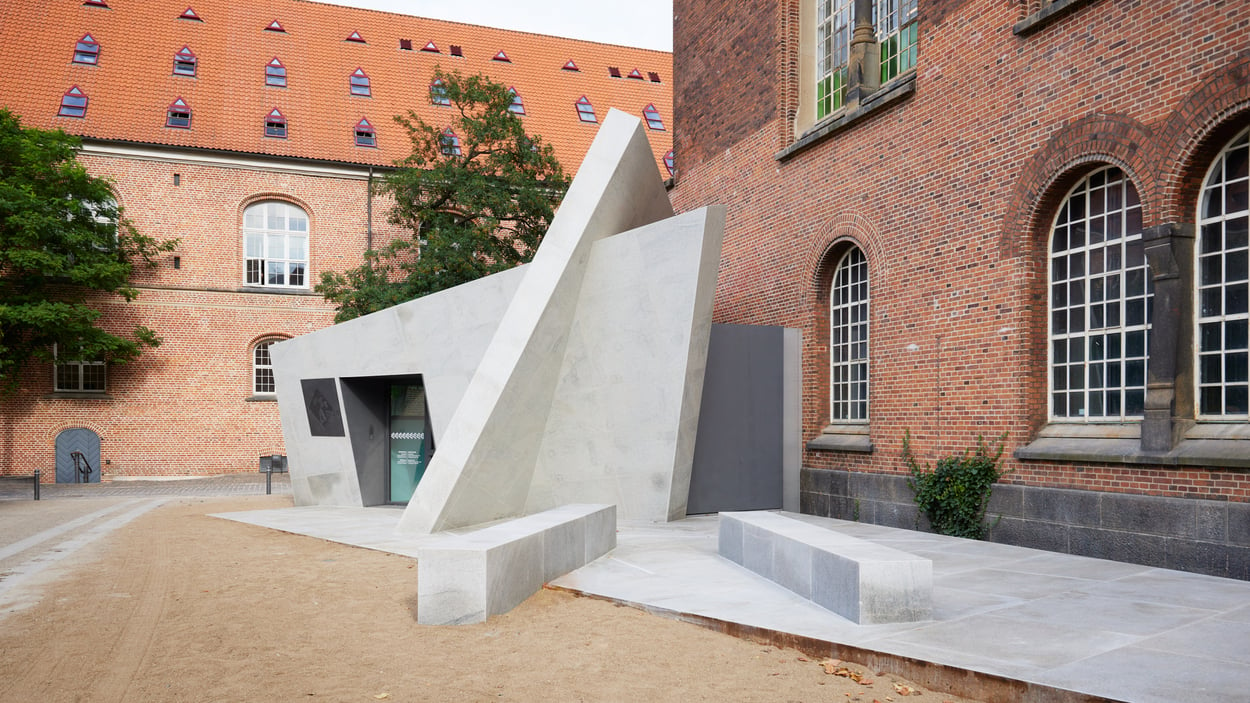
The Danish Jewish Museum (Source: Bjarke MacCarthy, The Danish Jewish Museum)
The Danish Jewish Museum in Copenhagen showcases more than 400 years of Jewish history and heritage in Denmark. As one of Denmark’s newest state-recognized museums, it combines history, architecture, and personal stories to explore Jewish life, culture, identity, persecution, rescue, and belonging. Designed by renowned architect Daniel Libeskind, the museum offers a unique space for understanding the experiences and contributions of Denmark’s Jewish community.
I would like to thank the Danish Jewish Museum for their support and guidance.
Museum
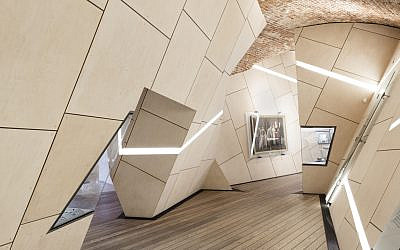
The Danish Jewish Museum, designed by Daniel Libeskind, takes the Hebrew word Mitzvah meaning obligation, commitment, or good deed, as its central concept. The design reflects the extraordinary story of Danish Jews who were rescued from Nazi persecution by their fellow citizens during World War II. Light, structure, and the museum’s distinctive shape symbolize this act of human solidarity.
The museum is located in the historic Galley House, built in the early 17th century by Christian IV and later incorporated into the Royal Library. Its many transformations over nearly five centuries create layers of history that parallel the many layers of Danish Jewish experience.
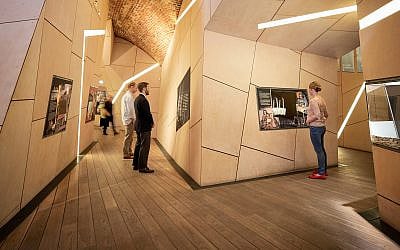
Libeskind designed the museum’s corridor as a kind of text within a larger frame, drawing a connection to Jewish texts such as the Talmud, which are traditionally surrounded by layers of commentary. The corridor itself is formed from the four Hebrew letters of Mitzvah, creating an architectural text that visitors physically walk through.
Permanent Exhibitions
The Danish Jewish Museum presents several exhibitions that explore the 400 year history of Jewish life in Denmark, from the establishment of Jewish communities and religious life to persecution, escape, cultural heritage, and contemporary questions about tolerance and antisemitism. Together, the exhibitions show how Jewish history is closely connected to Denmark’s broader social and cultural development.
The Gateway
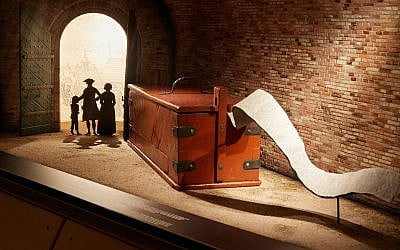
The Gateway to Denmark is a permanent exhibition about the establishment of Jewish life and culture in Denmark during the 18th century. It explores the development of Jewish communities, including the creation of synagogues and burial grounds, as well as the rights and restrictions placed on Jews. The exhibition also examines the debates surrounding Jewish civil rights and integration, which eventually contributed to the granting of civil rights to Danish Jews in 1814. These historical discussions remain relevant to questions of identity, cultural heritage, and integration today.
Flight and Persecution
Flight and Persecution in the 20th Century examines the experiences of Jews fleeing persecution to and from Denmark from the late 19th century to the present. Through unique historical objects and powerful illustrations by Kristian Bay Kirk, the exhibition explores themes of fear, hope, courage, and survival. It encourages visitors to reflect not only on the persecution of Jews in the past but also on contemporary issues of tolerance, humanity, and the treatment of people forced to flee their homes.
Projects
The Danish Jewish Museum develops several educational and cultural projects that extend beyond its exhibitions. These projects connect Jewish history with teaching, cultural heritage, and contemporary discussions, while creating opportunities for students and the wider public to engage with Danish Jewish history in new ways.
The House of Eternity
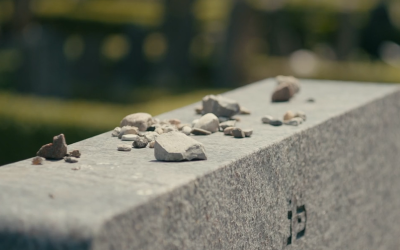
The House of Eternity focuses on the ten Jewish burial grounds located outside Copenhagen and their importance as Jewish and Danish cultural heritage. The project explores the stories of the people buried in these cemeteries and the history of Jewish communities throughout Denmark. By placing the burial grounds in both local and national contexts, the exhibition shows how these sites preserve evidence of Jewish life and personal histories that have become part of Denmark’s shared heritage.
The Power of the Word
The Power of the Word is a traveling exhibition that explores 400 years of Jewish history in Denmark through the themes of tolerance, discrimination, and antisemitism. Beginning with Christian IV’s invitation to Jews in 1622 and continuing through the introduction of civil rights in 1814 to the present day, it examines how Jewish life has developed within Danish society. A literary trail gives a voice to people from different periods, emphasizing how language can shape attitudes toward others and encouraging visitors to consider the continuing importance of tolerance and the fight against prejudice.
Lilmod
Lilmod, meaning “learning” in Hebrew, is a pedagogical project that explores how the museum’s architecture, exhibitions, and stories can be used in elementary school education. Developed with the School Service, the project helps students understand 400 years of Jewish life in Denmark and place the Holocaust within both Danish and international history. Its goal is to create engaging and reflective learning experiences that strengthen students’ historical understanding.
The House of Eternity
The House of Eternity is a dissemination project focusing on the ten Jewish burial grounds outside Copenhagen. Developed with local museums, archives, and libraries, the project places these cemeteries within their local and national historical contexts. It highlights the burial grounds as important Jewish and Danish cultural heritage sites that preserve the personal stories and evidence of Jewish communities throughout Denmark.
DAL-GYM: The Second History of Literature in High School
DAL-GYM is an educational collaboration between the Danish Jewish Museum, the University of Southern Denmark, and the Center for Upper Secondary Education Research. The project develops interdisciplinary teaching materials for Danish, history, and social studies at upper-secondary level. By using the museum’s subject area as a starting point, it encourages students to connect historical knowledge with contemporary debates, cultural encounters, and questions of identity and society.
Collaborate
The Danish Jewish Museum collaborates with a range of cultural, educational, and community organizations to expand its work beyond the museum itself. These collaborations support education about Jewish history, strengthen cultural connections, and encourage greater public engagement with Denmark’s Jewish heritage.
Jewish Information Center
The Danish Jewish Museum collaborates with the Jewish Information Center to provide educational programs that address Jewish life and help prevent antisemitism through knowledge and dialogue. The collaboration includes free school visits with Jewish mediators, teaching at schools and the Copenhagen synagogue, and city tours in Aarhus. Together with Den Gamle By, the museum has also developed a walking map that highlights Jewish life and history in Aarhus.
Copenhagen’s Cultural Quarter
The Danish Jewish Museum is one of 17 cultural institutions participating in Copenhagen’s Cultural Quarter, located within a short walking distance of one another in the city center. The collaboration connects museums, historical sites, cultural organizations, and other institutions to encourage visitors to explore Copenhagen’s history, architecture, art, and contemporary culture. The participating institutions also organize joint activities and events throughout the year.
The Society for Danish Jewish History
The Danish Jewish Museum collaborates with the Society for Danish Jewish History, an organization that supports the preservation and communication of Danish Jewish history. Members receive benefits such as free museum entry, special events, news, and discounts, while the society also organizes its own activities. It publishes the academic journal RAMBAM, which features research, personal stories, debates, and genealogical material related to Danish Jewish history, culture, and society.
Genealogical Research
The Danish Jewish Museum supports genealogical research by providing access to photographs, objects, and personal archives that can help people explore their family histories. These materials offer valuable information about the lives and experiences of Jewish families in Denmark. Researchers and visitors can consult the museum’s collection to discover relevant historical records and personal stories connected to their ancestry.
Safe Haven
Safe Haven is a research and documentation project developed by the Danish Jewish Museum in collaboration with the Danish Institute for International Studies. It focuses on the flight of Danish Jews to Sweden in October 1943 and preserves records documenting their experiences as refugees.
The project provides access to copies of Swedish refugee protocols recording the arrival of more than 6,000 reports concerning Danish Jewish refugees. The records contain information about escape routes, arrival times, payment conditions, and other details of the journey to safety. Published in 2018 to mark the 75th anniversary of the rescue of Danish Jews, the database is an important resource for researchers, relatives, and others seeking to understand the experiences of those who fled Denmark.
Historical Backgrounds
Jews first arrived in Denmark in 1622, when King Christian IV invited Sephardic Jewish merchants from Amsterdam and Hamburg to settle in the newly established trading town of Glückstadt. This marked an important beginning for Jewish settlement in Denmark and made Denmark one of the first Scandinavian countries to permit Jews to settle within its territory. Jews began arriving in Copenhagen in the 1660s, when prosperous traders migrated from Altona to the Danish capital, establishing the foundations of a permanent Jewish community.
During the 1700s, Jewish life in Copenhagen developed from a small and restricted group of wealthy merchants into a growing and established urban community. Although Jews faced economic restrictions and requirements concerning personal wealth, the population increased from around 65 families in 1726 to more than 1,500 people by 1787.
During the 1800s, Jewish life continued to change as civil emancipation encouraged greater integration into Danish society. Jews became increasingly active in business, science, and cultural life, while the late 19th century also brought a significant influx of Jewish refugees from Eastern Europe, further transforming the community.
At the beginning of the 20th century, Copenhagen’s Jewish community was declining because of assimilation and low birth rates. At the same time, antisemitism and pogroms in Eastern Europe brought new Jewish immigrants. Between 1900 and 1920, thousands settled in Copenhagen, establishing Yiddish theaters, newspapers, and community organizations.
During World War II, Danish Jews faced deportation under Nazi occupation. In October 1943, Danish citizens and resistance groups helped more than 7,000 Jews escape to neutral Sweden, while around 472 were deported to Theresienstadt. After the war, the community was rebuilt.
Copenhagen remained the center of Jewish life in Denmark. In 1968, around 2,500 Polish Jews arrived after antisemitic persecution in communist Poland. By the end of the 20th century, Copenhagen was home to most of Denmark’s Jewish population and its main religious and cultural institutions.
Which brings us to 2004.
In 2004, Denmark attracted international attention through the royal wedding of Crown Prince Frederik and Mary Donaldson, held on May 14 in Copenhagen. The celebration brought large crowds and global media attention to the Danish capital.
Copenhagen was also experiencing major cultural and architectural development, with new buildings, cultural institutions, and urban projects contributing to the transformation of the city into the modern capital it is today.
It was in that year, 2004, that Danish Jewish Museum, designed by renowned architect Daniel Libeskind, opened its doors. The museum’s opening was the result of many years of planning that began with exhibitions on Danish Jewish history held in Copenhagen in 1984. These exhibitions inspired the idea of creating a permanent museum dedicated to Jewish culture and history in Denmark.
The museum was established as an independent institution in 1985 and was later developed within the historic Royal Library complex. The Danish Jewish Museum was officially inaugurated on June 8, 2004, by Queen Margrethe II, alongside government and cultural representatives, Daniel and Ninna Libeskind, and supporters of the museum.
The Danish Jewish Museum is more than a museum of history; it is a place where architecture, memory, and Jewish heritage come together. Through its exhibitions, educational projects, collections, and collaborations, the museum tells the story of Jewish life in Denmark while reflecting on persecution, rescue, identity, and belonging. Its unique design by Daniel Libeskind makes the building itself part of this story, creating a meaningful connection between Denmark’s past and its present.
Contact Information:
Jewish Museum of Denmark, Proviantpassagen 6, DK-1218 Copenhagen K, Denmark
Phone: +45 9123 0727, Email: info@jewmus.dk, Website: https://www.jewmus.dk/en/