
The daughter-in-law
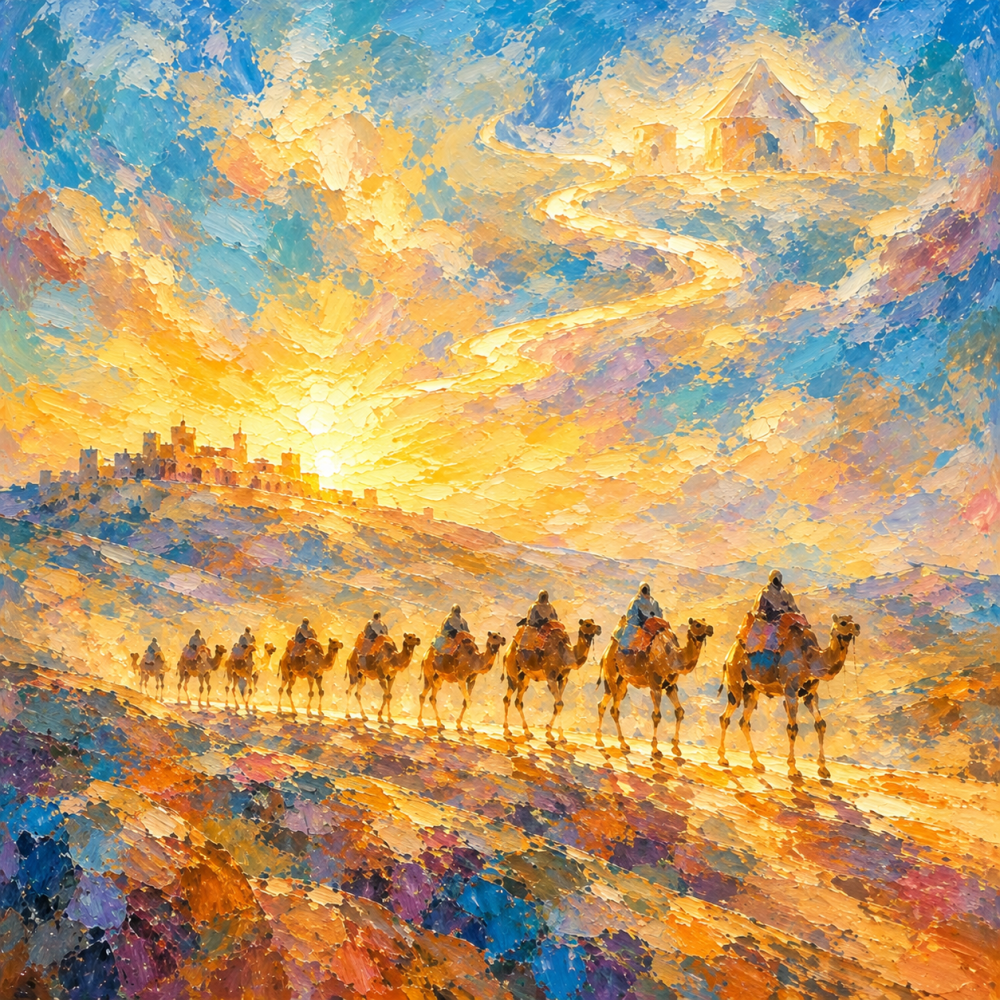
Avraham was old. Sarah had died. He too would not live forever, but his mission must. Avraham had a son, Yitzhak, who would follow his path and continue his legacy. However, he was single. Avraham acted, summoning his trusted servant, Eliezer. He charged him:
… לֹֽא־תִקַּ֤ח אִשָּׁה֙ לִבְנִ֔י מִבְּנוֹת֙ הַֽכְּנַעֲנִ֔י אֲשֶׁ֥ר אָנֹכִ֖י יוֹשֵׁ֥ב בְּקִרְבּֽוֹ: כִּ֧י אֶל־אַרְצִ֛י וְאֶל־מוֹלַדְתִּ֖י תֵּלֵ֑ךְ וְלָקַחְתָּ֥ אִשָּׁ֖ה לִבְנִ֥י לְיִצְחָֽק:.. ה’ אֱלֹהֵ֣י הַשָּׁמַ֗יִם אֲשֶׁ֨ר לְקָחַ֜נִי מִבֵּ֣ית אָבִי֘ וּמֵאֶ֣רֶץ מֽוֹלַדְתִּי֒…ה֗וּא יִשְׁלַ֤ח מַלְאָכוֹ֙ לְפָנֶ֔יךָ וְלָקַחְתָּ֥ אִשָּׁ֛ה לִבְנִ֖י מִשָּֽׁם: (בראשית כד:ג-ז)
“…you will not take a wife for my son from the daughters of the Canaanites among whom I dwell. Rather, you will go to my land and my birthplace and take a wife for my son, Yitzhak.”……The Lord, the God of heaven, who took me from my father’s house and from my native land…will send a messenger before you, and you will take a wife for my son from there. (Bereishit 24:3-7)
The criteria are very specific and very striking. Place takes priority over person. This is not to say that the personal traits of the prospective wife were not important. Eliezer[1] set up a personality test that would ensure that only a person of the finest qualities would pass. Yet, Avraham mentions only two requirements: she cannot be of the nearby Canaanites, rather she must be from his distant homeland, and that she would come to Yitzhak, rather than Yitzhak going to her.
Why? After all his family were idolators just like his locals. Avraham was the iconoclast both where he was born and where he now lived; he had bucked the trend and rejected paganism. By now he had loyal friends and dedicated students living near him, those who had followed his path and embraced monotheism. One of them presumably had a daughter fit for Avraham’s son. Avraham had been told to leave his homeland and was adamant that his son would never return there. Yet, he was insistent that his daughter-in-law would come from there.
Many answers have been offered to this question. Radak[2] says that this was based on genealogy. The Canaanites were descendants of Noah’s son Ham, who had been cursed, whereas Avraham, as a descendant of Shem, was blessed. Rabbeinu Nissim of Girona offers a different, psychologically insightful explanation [3]: It was true that both the locals and Avraham’s family were idolaters, but that was beside the point. The family of Avraham were kind people, the Canaanites were not. Kindness and cruelty were, to a degree, hereditary according to Rabbeinu Nissim. He asserts that each individual has free will and is ultimately responsible for their actions, but he argues that it is harder to break a negative personality trait than to change one’s faith. Rivka could be taught Judaism, she could not be taught kindness.
Chizkuni[4] has a profound explanation. Avraham wanted it to always be clear that the Land of Canaan was given to him by God alone. Had his descendants married locals, people would assume that they, at some stage, inherited the land. Avraham sought to ensure that it would always be viewed as a gift of God and not as a birthright of man.
Perhaps a different answer is hinted at by the text itself. The words used in this story (see above) reflect another – the first command that God gave Avraham:
וַיֹּ֤אמֶר ה’ אֶל־אַבְרָ֔ם לֶךְ־לְךָ֛ מֵאַרְצְךָ֥ וּמִמּֽוֹלַדְתְּךָ֖ וּמִבֵּ֣ית אָבִ֑יךָ אֶל־הָאָ֖רֶץ אֲשֶׁ֥ר אַרְאֶֽךָּ: (בראשית יב:א)
God said to Avram, “You must go from your land and from your father’s house to the land that I will show you.” (Bereishit 12:1)
Avraham uses the same words when describing the daughter-in-law that he wants. Geographically, at the very least, if she agrees to marry Yitzhak, she will make the journey he made.
The comparisons continue. Eliezer sets up a test of kindness. He waits by the local well. He will ask a girl to give him water, observing if she not only gives him, but also offers water for the camels. When Rivka arrives, he asks her: “Please, let me sip a little water from your jug”[5]. This rings a bell. When inviting guests, Avraham said: “may a little bit of water be brought”[6]. Rivka gave a lot more than a sip of water to Eliezer, as did Avraham to his guests. Both “say a little and do much”[7]. The expressions employed by the text, the generosity of Rivka, and the nature of this test are characteristic of Avraham.
Eliezer is invited to Rivka’s house and makes the proposal to her family. The match is swiftly agreed upon, but her departure date is not. Rivka’s family want her to remain for a while, whereas Eliezer wants to leave immediately. The decision is put to Rivka. She responds with just one word: “אֵלֵֽךְ-I will go”[8], echoing the words of God: “לך לך-you must go,”[9] when he commanded Avraham on the very same journey all those years ago. Finally, she is given a blessing by her family before she departs. They include within it a peculiarly reminiscent line: “may your descendants seize the gates of those who hate them”[10]. At the end of Akeidat Yitzhak, among God’s blessings to Avraham is: “your descendants shall seize the gates of their foes”[11].
The text clearly parallels Rivka and Avraham. Why? Rivka is not going to marry Avraham, but Yitzhak. This story reads more as a story about Avraham’s daughter-in-law than Yitzhak’s wife.
Yitzhak was set to continue Avraham’s legacy. He was almost the perfect candidate to do so: he was God-fearing, pleasant, dignified and honest[12]. Yet he lacked one crucial component for that task. He was continuing a legacy, not pioneering one. Judaism was not new to him; he was born into it. He had not found God, God had found him. This is the inbuilt challenge of continuing any legacy: it cannot be both continued and new, simultaneously. That is why he needed to be partnered with someone from the outside; from her distance, she would bring a perspective that he had not. Rivka could see the beauty of Judaism from the outside, making her the perfect partner for Yitzhak, who could see its beauty from within. This is why Avraham was so keen that his son would marry someone who would make the same journey he made. The covenant he had made with God was given to Yitzhak, but if he was with Rivka, it would also be treated as a gift and never as a given.
This explanation brings this story in line with many of the great stories and laws of the Torah, the theme of which is that lacking something teaches us appreciation for the good we are blessed with. Most of the patriarchs and matriarchs of the Jewish people were barren before being blessed with children. The Jews were enslaved in Egypt before they were given freedom. We stop our creative activity on Shabbat, remembering that all creation comes from God. We surrender ownership of our land in Shmitta and Yovel to inculcate that God is the landlord and we are mere tenants. These are just some of the many examples of this crucial rule: Never treat anything like it is a given. That way it will always be a gift.
–
[1] Bereishit 24:12-21
[2] Bereishit 24:3
[3] Derashot haRan 5
[4] Bereishit 24:3
[5] Bereishit 24:27
[6] Ibid 18:4
[7] Avot 1:15
[8] Bereishit 24:58
[9] Ibid 12:1
[10] Ibid 24:60
[11] Ibid 22:17
[12] See Radak, Bereishit 25:19