
The Day After Yesterday
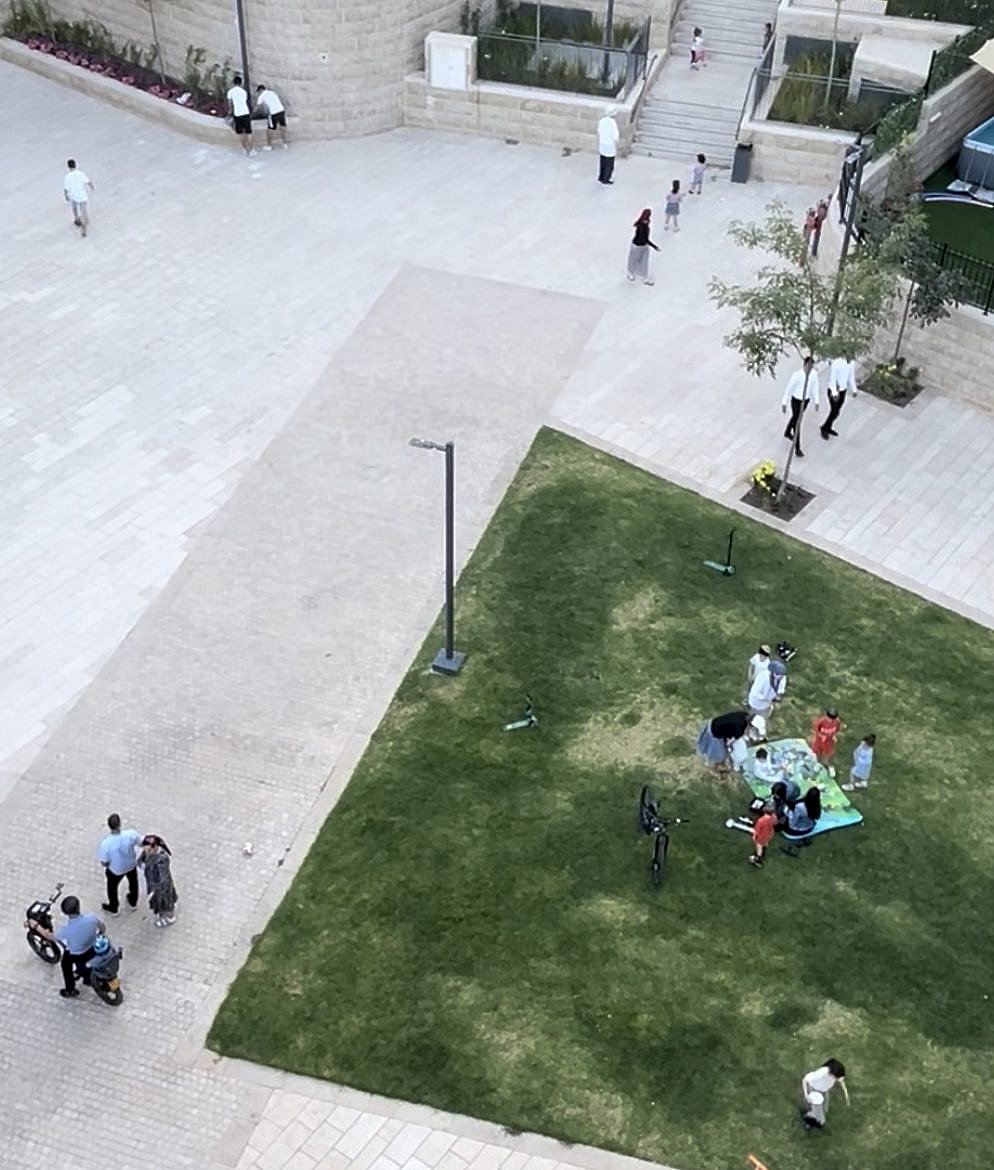
What comes after war when nothing really feels over?
The missiles have stopped, for now.
It’s been over 24 hours since the last alert. Bomb shelters are still technically open, just in case, but the streets are back to life. Cafes, schools, and offices are open. Kids are coming and going with their backpacks again. The sun’s out, and everything looks fine. A fragile peace has settled, and yet, I don’t feel at peace.
The war with Iran is “over”, but it doesn’t feel like the end. It feels like something else. Not relief, not victory, just suspense. We’re living in the day after yesterday.
That phrase came to me while sitting at a cafe, drinking coffee, watching people walk by like the past almost two weeks of war never happened. Like twelve days of panic, sirens, and war just… didn’t happen. It reminded me of that movie The Day After Tomorrow. My wife and I watched it on the couch during the war, our strange form of self-care, a bit of borrowed chaos to make sense of the real thing. That night also happened to be our four-year Aliyah-versary, four years since we moved to Israel. No cake, no dinner out. Just the two of us, watching a fictional apocalypse while a real one unfolded off-screen. It was surreal, and strangely perfect for the moment.
The Day After Tomorrow is a Hollywood fantasy of a world transformed overnight by disaster, but the day after yesterday, that’s where we are. No transformation, just a continuation. Uncertainty in a country that seems to be allergic to certainty.
My friends and I keep texting each other the same things:
“Do you think it’s really over?”
“Did we actually take out Iran’s nuclear sites?”
“Should we stay near a shelter, just in case?”
No one has clear answers, and that’s what’s hardest, the refusal of life here to conform to a clean beginning-middle-end narrative.
This is what outsiders will never understand about Israel. Israel isn’t built for peace of mind. It’s not a place for complacency. It will eat you up and spit you out if you’re not careful, but that’s also what makes it so formidable. What makes us formidable.
Israelis have developed a kind of muscle memory for instability, and a psychological callus that lets people make dinner reservations an hour after a missile barrage. That’s not denial, it’s discipline. It’s resilience that’s been earned over decades of survival.
I saw it in my neighbors after Home Front Command lifted all restrictions. They didn’t cheer. They didn’t cry. They swept the dust off their balconies, opened their shops, and got on with life. Israelis aren’t naive, they’re just Israeli. They’ve learned how to live in the day after yesterday.
What is the day after yesterday, really? I think it’s a place of waiting, of cautious optimism. It’s when you check the news every hour but still show up for work. It’s when you laugh at memes about bomb shelters even when you’re sitting in a bomb shelter. It’s when you talk about the war as if it’s already in the past tense, even though a single drone strike could start it all over again tomorrow.
Family and friends back home always ask me how we do it. They ask “How do Israelis keep going?” The truth is, for a lot of people here, this is routine. Not normal, not acceptable, but routine. The safe rooms, the alerts, the debates about war and peace, they’re just part of the rhythm of this place. In my eyes, a rhythm that’s equally heartbreaking and heroic.
We all hope this fragile quiet will last. We hope the damage to Iran’s nuclear program was enough to buy us some time. Maybe this time is different, but even if it’s not, even if we’re back in our shelters next month, Israelis will carry on.
That’s the story the international media doesn’t tell. The headlines don’t show you the people who quietly keep going, who carry on with courage when no one’s watching. People who plant gardens next to concrete bunkers. People who plan weddings without knowing if the guests will have to shelter mid-ceremony. Who smile and move on, not because they’re numb, but because they’ve chosen to build a life that includes the day after yesterday.
That’s Israel’s secret. The secret isn’t to know peace, but to master the art of living without it.
We hope for happier days. Until then, we’ll keep waking up in the day after yesterday. Israel will keep doing what it’s always done: survive, rebuild, and carry on.