

The Eleventh Hour
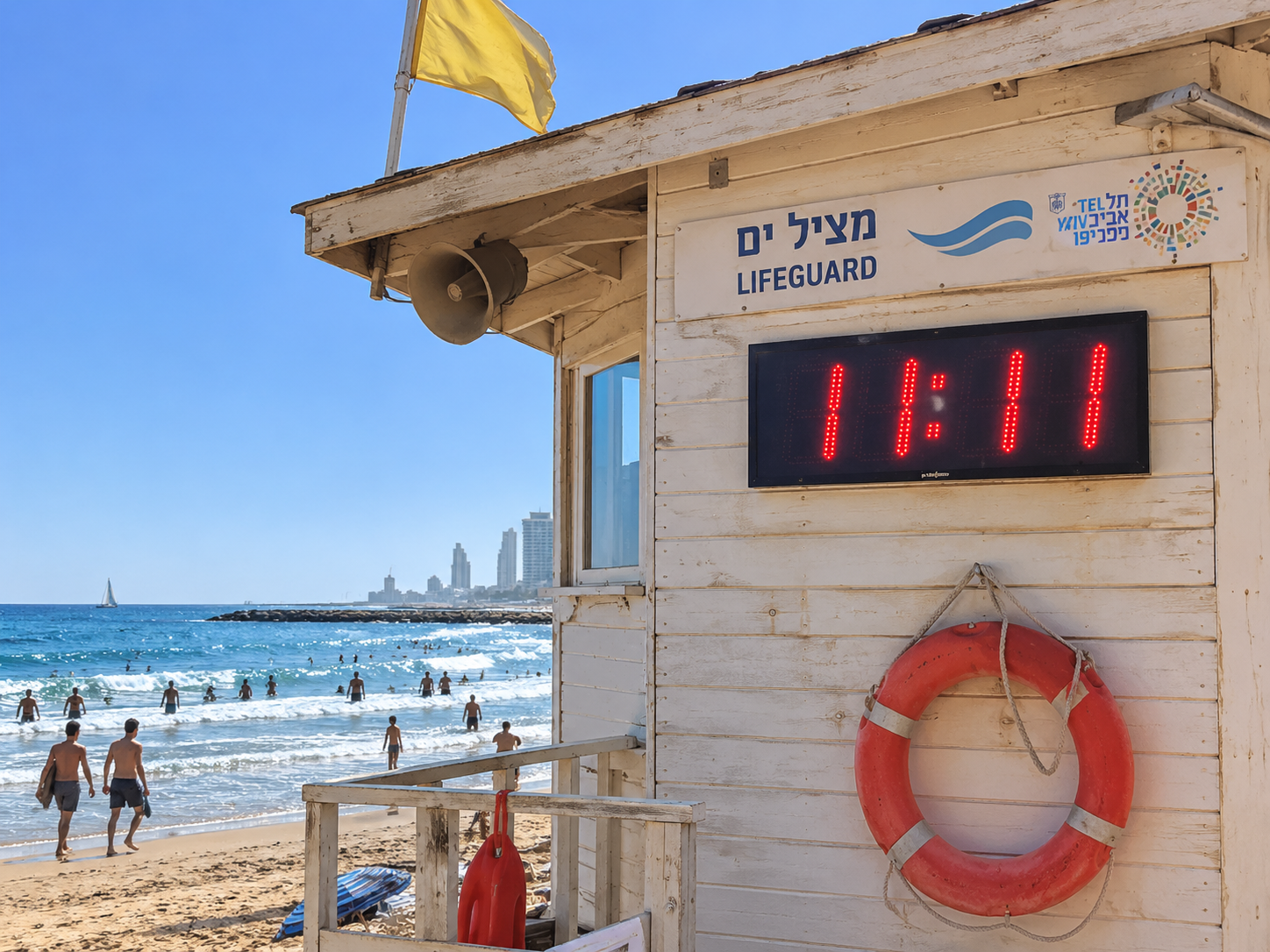
As the clock struck the eleventh hour of the eleventh day of the eleventh month, 1918, the guns of the Great War fell silent.
There’s no mention of that in Tel Aviv. The beach is swimming in sun, boys frolic in the autumn surf. I got sweaty cycling across town, the weather is warm and I need sunglasses to soften the sun’s glare.
Back in Britain, today is a sombre day. Usually it rains. They wear plastic blood-red poppies in shirt lapels, recalling the poppies of Flanders fields, the symbol of that bloodiest of wars.
Exactly one hundred and eight years ago, at eleven o’clock, my grandfather was born.
Legend has it, as victory bells rang out across London, the midwives jumped for joy and added the middle name Victor: et voilà, Henry Norman Victor Kazove.
The first son born on English soil, a cohen, the youngest of three, whose elder sisters brought him up after their mother died, young and sudden. His only memory of her was tender hands filling a standing tub with hot suds on the kitchen floor, to bathe him.
One hundred and eight summers. One hundred and eight winters. The world has turned and turned, the neon march of progress, the screeching of black-and-white warplanes in old news reels, now in technicolour, cities bombed to rubble then rebuilt, mechanised armies roaming the earth, the Holocaust that was hushed in his home, unspeakable, television invented and uninvented, flared jeans and 80s music that Henry couldn’t stand, motor vehicles and tarmac sprawled across the globe like a plague of locusts, billions born and billions died, yes, and the awful haircuts, mullets and mohawks and lamb-chop beards, after all, Henry was a hairdresser.
Every November 11th, Henry – or Papa, as I knew him – marched in his black bowler hat through central London with the Old Boys, Second World War veterans under the banner of AJEX, the Association of Jewish Ex Servicemen and Women.
Proud white-haired men, former officers in clipped moustaches, cracking jokes and winking at their spoiled fat grandchildren by the side of the parade. Henry, ever a working-class lad, was clean shaven, a corporal sporting three simple medals, two silver, one gold. He’d do the salute quick as you like, ‘longest way up, shortest way down, sir!’
He won that effing war. Changed his name from Kazove to Kay (less weird, less Jewish). Recruited into the commandos, he peeled industrial quantities of potatoes, became a crack shot, led midnight raids on the enemy coast, drove Bren Gun Carriers – a sort of drunken tank – into Nazi Normandy for several weeks after D-Day until a mortar stopped them quite literally in their tracks.
From a crew of four, in a convoy of twelve, he was the only one pulled alive from the flames, shrapnel forever lodged in his back. Home in Blighty on convalescent leave, he developed a crush on a Red Cross girl. But, good Jewish boy that he was, he kept his date with Nana under the clock at Waterloo and married her in a wedding dress fashioned from cut-down shop curtains, a neat kippa on his not-quite-bald head. Papa once showed me how to break a man’s neck with my knee. Just in case.
He’s not with us any more, and I’m here in Israel, a country that didn’t exist when he was born, with offices and restaurants full of Jews with funny surnames. What would Old Cohen Henry make of this, fighter planes popping sonic booms in the sky above, the Jewish State on the eve of god knows how many more wars with how many goddam enemies for how many goddam generations to come? Didn’t Henry do enough?
His gut lives on. And I don’t mean his courage – thankfully, I’ve never needed the knee trick. Rather, it’s these rotten tummy pains. I’ve cut out gluten, dairy, you name it. Still, this week I was at the sort of doctor you can imagine, round and grey and humourful with specs halfway down a bubble nose, who held a stethoscope to my belly and said ‘Eat Ashkenazi food.’
‘So that’s it?’ I laughed. ‘That’s the reason they ate cold meatballs, lokshen noodles in salty chicken soup, matzo-meal coating on schnitzel? Now I see – it was all they could handle!’
Seems I’ve had it upside. The food wasn’t bad because we were Ashkenazi. It’s on account of being Ashkenazi and so frail in the kishkes, we can only eat this tasteless gruel.
Now I’m running again, from lounge to bathroom, fleeing the pale of settlement, jostling through an East London crowded with cohens fresh off the boat, under fire in two world wars and one badly-thought-out aliyah to shit out the magical signs and wonders of Our People into the flesh pots of Tel Aviv.