


Jewish Leader and Activist from Guatemala
The Geopolitical ‘Subscriber Base’ Strategy
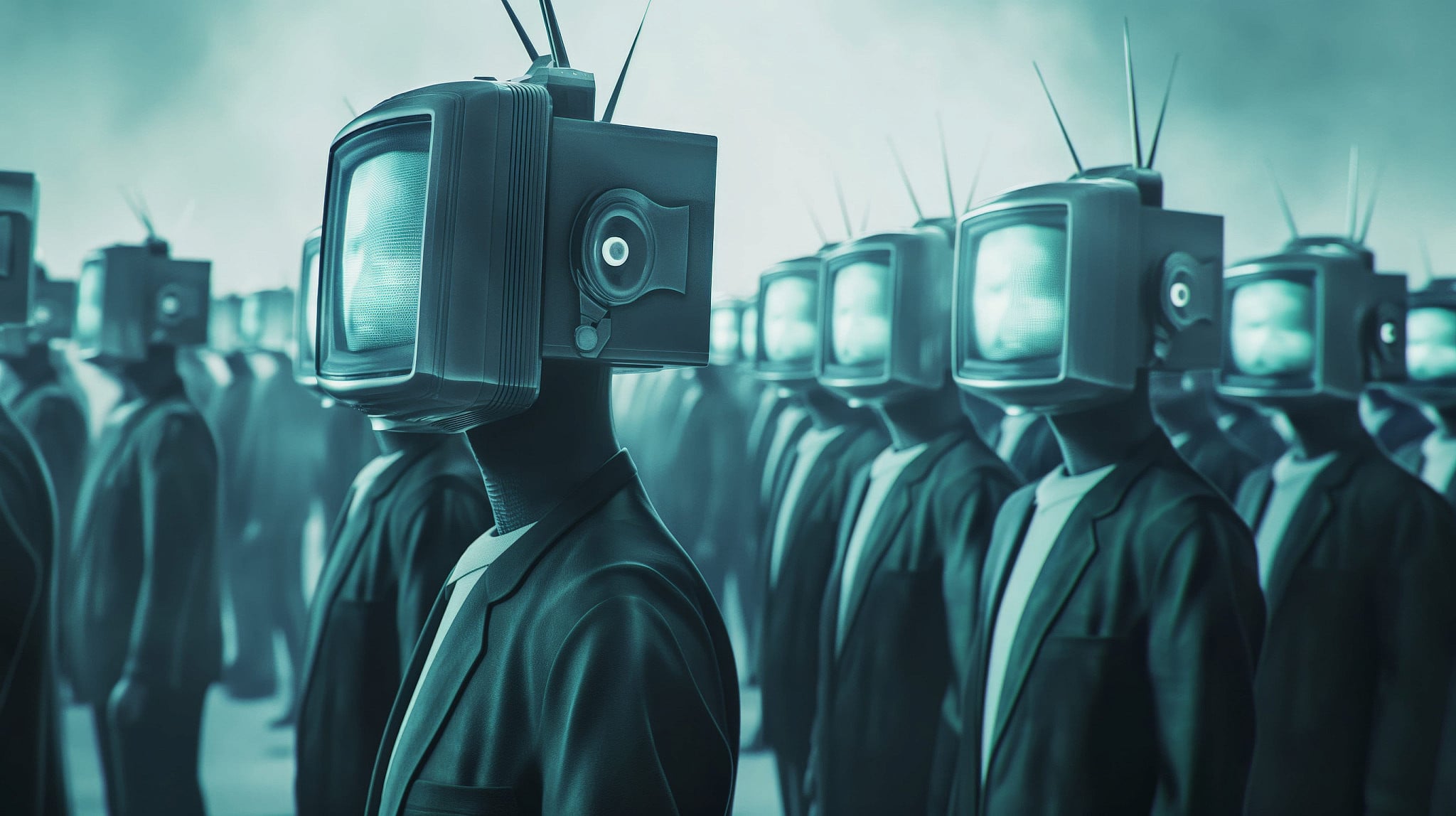
I once managed a cable television company in Guatemala. Our business strategy was simple: acquire as many subscribers as possible, then continually expand the range of products and services we could offer them. We started with cable television but soon diversified into pay-per-view programming, advertising, landline telephony, internet and other telecommunications services. As our subscriber base grew, new technologies and business opportunities continually emerged, enabling us to broaden our offerings even further. The synergy between a growing customer base and an expanding portfolio of products and services fueled our success. We ultimately built the largest cable company in Guatemala before it was acquired by a major international telecommunications corporation.
As I have watched today’s geopolitical landscape evolve, I have often found myself drawing an analogy between those two experiences. For decades, two parallel developments have been unfolding across the West. First, ideological movements critical of the traditional foundations of Western civilization have steadily gained influence within educational institutions, shaping the worldview of successive generations. Second, many left-leaning political leaders have embraced permissive immigration policies that have significantly altered the demographic composition of many Western societies, partly in the belief that these changes would yield long-term political advantages at both the national and local levels. Together, these developments have gradually reshaped the political landscape, contributing to the election of leaders whose policies and priorities often depart from the principles upon which modern Western societies were built.
Like a successful subscription business, these movements have dramatically expanded their “subscriber base”. Today, causes such as the “Free Palestine – From the River to the Sea” movement can mobilize hundreds of thousands of demonstrators across multiple countries with little more than 24 hours’ notice. Yet the expansion has extended far beyond a single cause. The same activist networks frequently champion a broad array of issues, from radical gender ideology and anti-capitalist activism to the resurgence of socialist ideas, climate activism, prison abolition, and campaigns challenging traditional institutions, national identity, and longstanding cultural norms. Whether these causes are inherently related is beside the point. The same audience increasingly embraces them because they are promoted through the same ideological ecosystem.
In business, once customers trust your brand, introducing a new product becomes far easier than acquiring an entirely new customer. Political and ideological movements operate in much the same way. Once individuals become emotionally invested in a particular worldview, they are often more receptive to additional causes presented by the same organizations, influencers, academic institutions, media outlets, or activist networks. Support for one campaign frequently becomes the gateway to many others.
Many critics argue that this dynamic helps explain why positions that once occupied the political fringe have entered mainstream public discourse with remarkable speed. The normalization of recreational drug use, expansive interpretations of gender identity, calls to abolish or defund traditional institutions, increasingly open hostility toward capitalism, and growing skepticism toward national borders are often advanced by many of the same political, academic, and activist coalitions. Each new cause benefits from the credibility, organization, and mobilization capacity established by the previous ones.
The synergy is unmistakable. As this ideological ecosystem continues to expand its subscriber base, it simultaneously increases its capacity to introduce new agendas with unprecedented speed and reach. Meanwhile, geopolitical adversaries of the West, including authoritarian regimes and organizations that openly seek to weaken liberal democracies, have found opportunities to amplify these existing divisions through propaganda, disinformation, cyber campaigns, and coordinated influence operations. Rather than creating social fractures from scratch, they often exploit those that already exist, accelerating polarization and further eroding the shared civic values that, for centuries, have served as the moral and institutional foundation of Western civilization.