


The Happiness Paradox
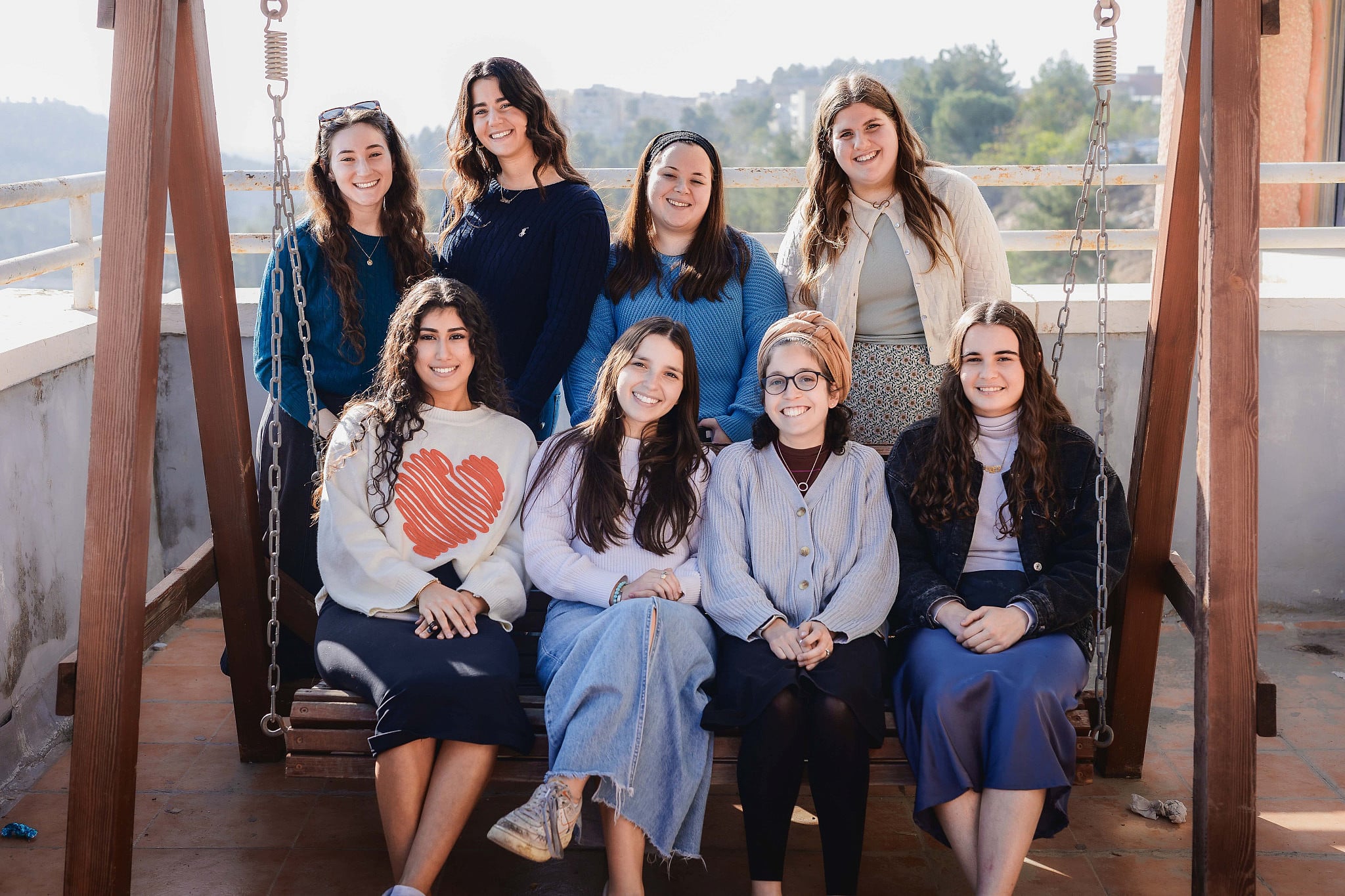
If you only knew Israel from headlines and social media, you would probably expect it to rank among the least happy countries in the world. The data tells a very different story. In the 2026 World Happiness Report, Israel ranked as the 8th happiest country in the world. Even more remarkable, Israelis under the age of 25 ranked as the third happiest young people anywhere (American young people are ranked 60th!)
At first glance, that seems almost impossible.
How can a country that has experienced war, regional instability, and months of reserve duty consistently produce some of the happiest young adults in the world?
Perhaps the better questions are: What is Israel’s secret to happiness? What can Israel teach us about helping young people build meaningful lives?
For parents and guidance counselors helping high school students make decisions about their future, these are particularly relevant. We all want students to receive an excellent education and prepare for successful careers. But we also hope they will become resilient, optimistic adults who know how to build meaningful lives, form lasting relationships, and contribute to something beyond themselves.
The Happiness Report doesn’t measure momentary emotions or whether life is free from hardship. Instead, it looks at factors such as social support, generosity, trust, freedom, and the confidence that people have someone to rely on when life becomes difficult. Israel’s consistently high ranking and its extraordinary ranking among young adults suggest that these qualities are deeply woven into everyday life.
A stranger helps you navigate the bus system. A family you have just met invites you for Shabbat. Friends become extended family. During difficult times, neighbors check in on one another before being asked. Volunteers show up. Communities organize. Life continues, not because challenges disappear, but because people face them together.
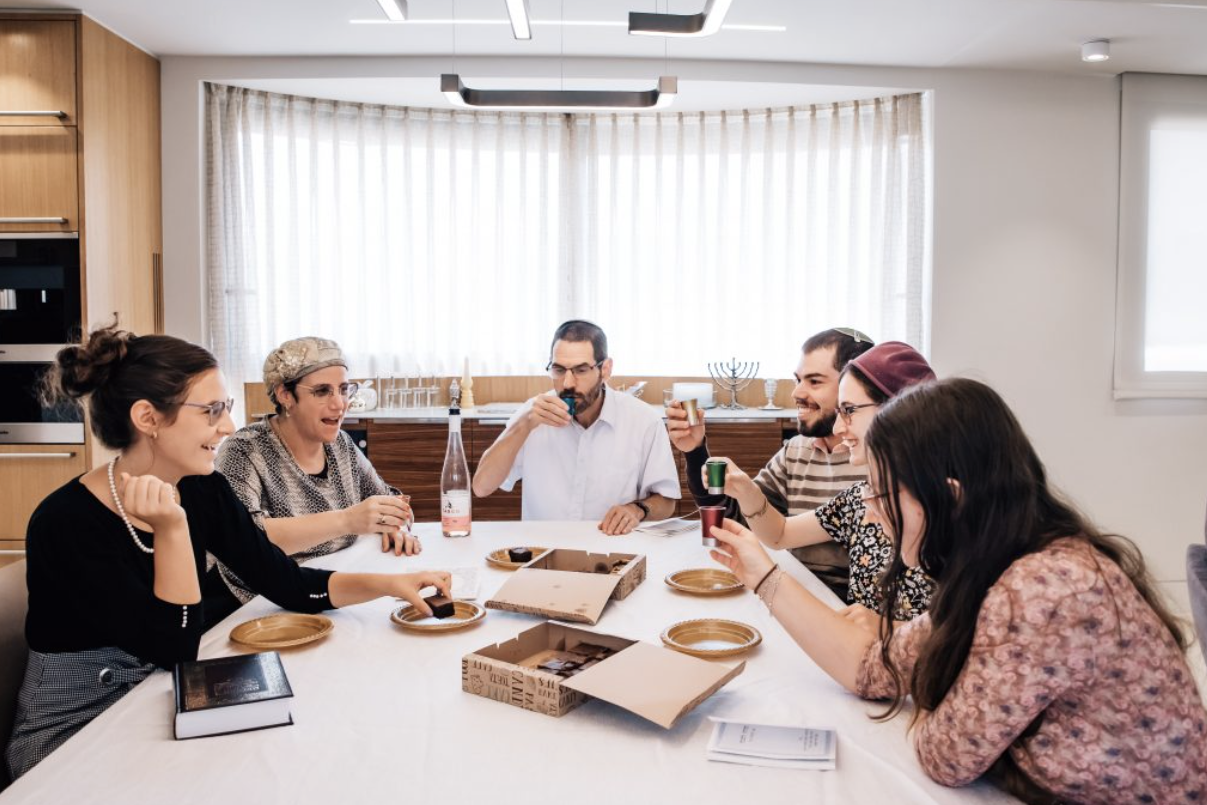
Perhaps that is one of Israel’s greatest lessons. Happiness is not simply the result of comfort or convenience. More often, it grows from belonging, from purpose, and from knowing that you are part of a community that depends on one another. Those are powerful lessons for young adults.
The years immediately after high school are about much more than choosing a major. They are years of discovering independence, building friendships, taking responsibility, and beginning to answer bigger questions about identity and direction. The environment in which those experiences take place can shape a young person’s outlook for years to come.
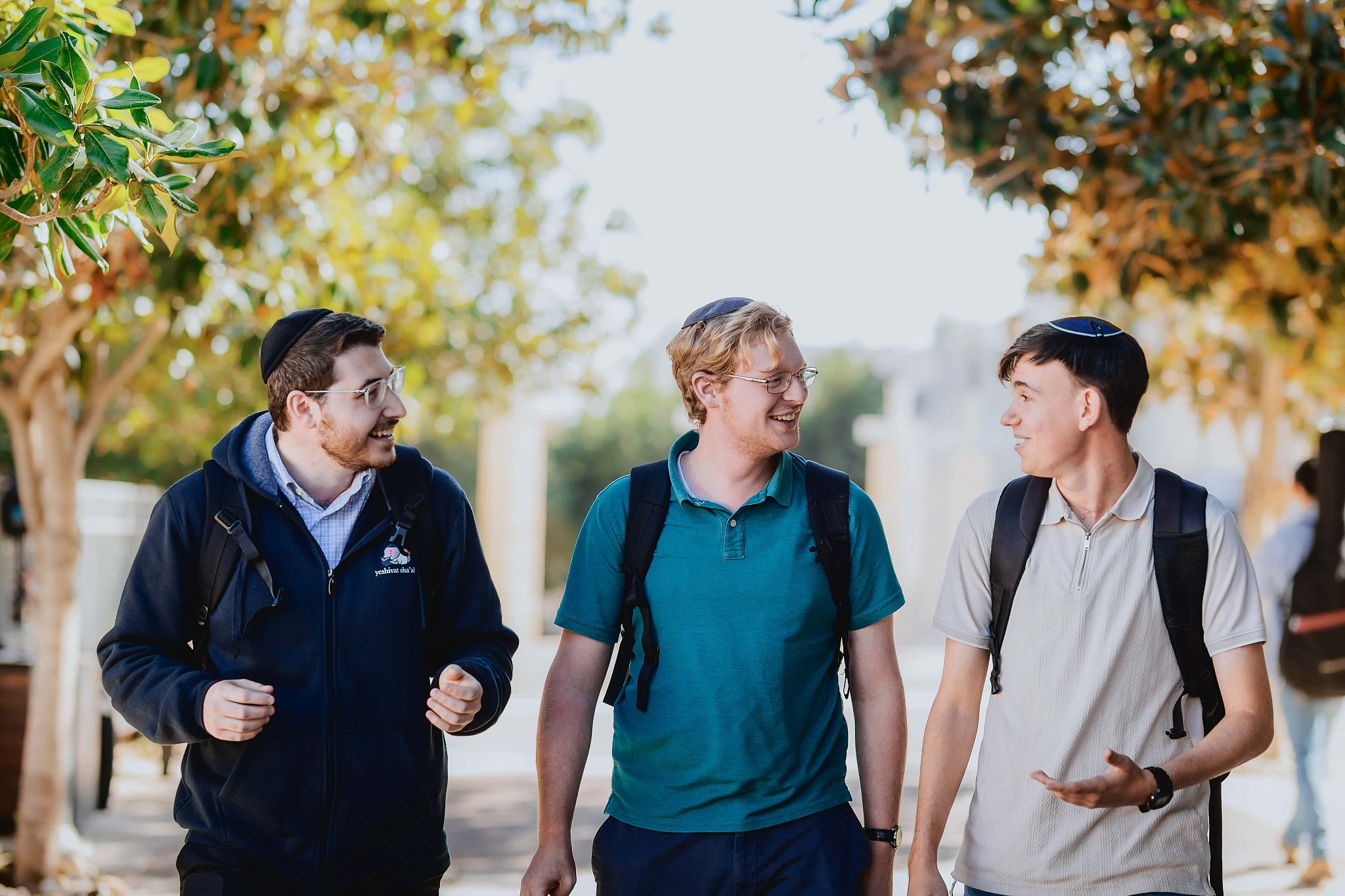
One of the striking insights from Israel is that responsibility itself becomes a source of happiness. Many societies assume that happiness comes from having fewer obligations and more freedom to focus on oneself. Israel often demonstrates the opposite. Young people are expected to contribute to their families, their communities, and often to the country itself. Whether through military service, sherut leumi (national service), volunteering, or simply showing up for neighbors, responsibility is woven into daily life. And taking responsibility for the greater good only strengthens individual happiness.
When people know they are needed, they discover a deeper sense of purpose. When they contribute to something larger than themselves, they build confidence. When they face challenges alongside others, friendships deepen and communities grow stronger. Meaning and belonging become part of everyday life, and happiness follows. This is one of the unique opportunities that Israel offers students.
Studying in Israel is not simply about attending lectures or earning a degree. It means becoming part of a society where communities rally around one another, and where young adults are invited to take ownership of their own growth.

Students learn to navigate a new culture, build friendships across diverse backgrounds, speak a new language, and participate in the rhythms of Israeli life. Along the way, they develop resilience, independence, and a stronger sense of who they are.
Israel’s unique culture encourages young people to move from being observers to becoming participants of history in the making. Long after students forget some of the details of a particular course, they often remember something else: the feeling of being needed by a community, trusted with responsibility, and capable of more than they imagined. They return with greater confidence, lifelong friendships, and a clearer sense of what they value. They have experienced what it feels like to belong to a community, to contribute to it, and to be changed by it.
Alongside world-class Israeli universities and remarkable career opportunities is something less tangible but equally important: an environment that helps young people build lives filled with purpose, responsibility, connection, and joy.
The happiest young people are not necessarily those whose lives are easiest. Often, they are those who know they matter to others, and who have discovered the profound satisfaction that comes from being part of something greater than themselves.
That may be Israel’s greatest lesson of all: happiness is not found despite responsibility and deep human connection, but because of them.