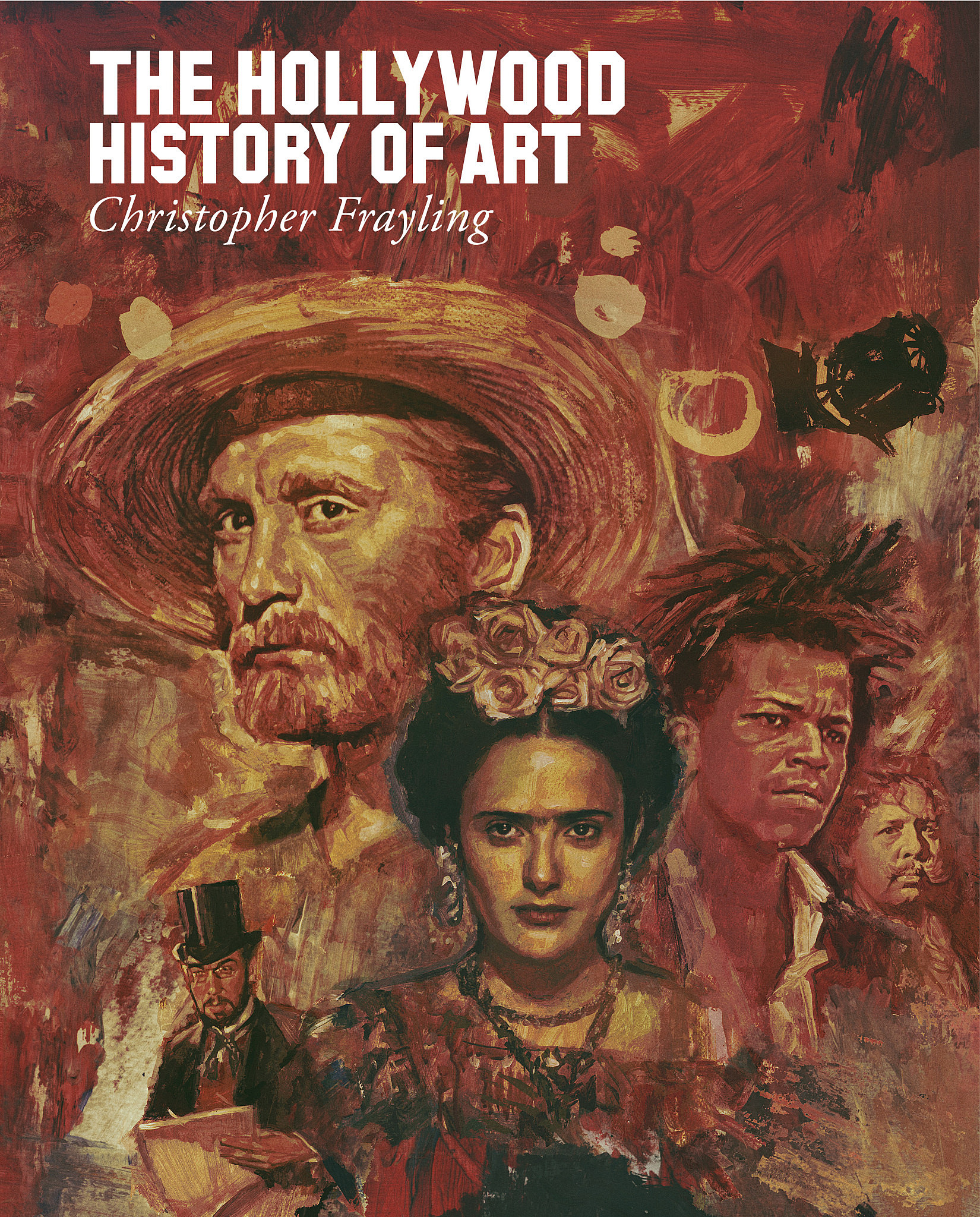
The Hollywood History of Art by Christopher Frayling
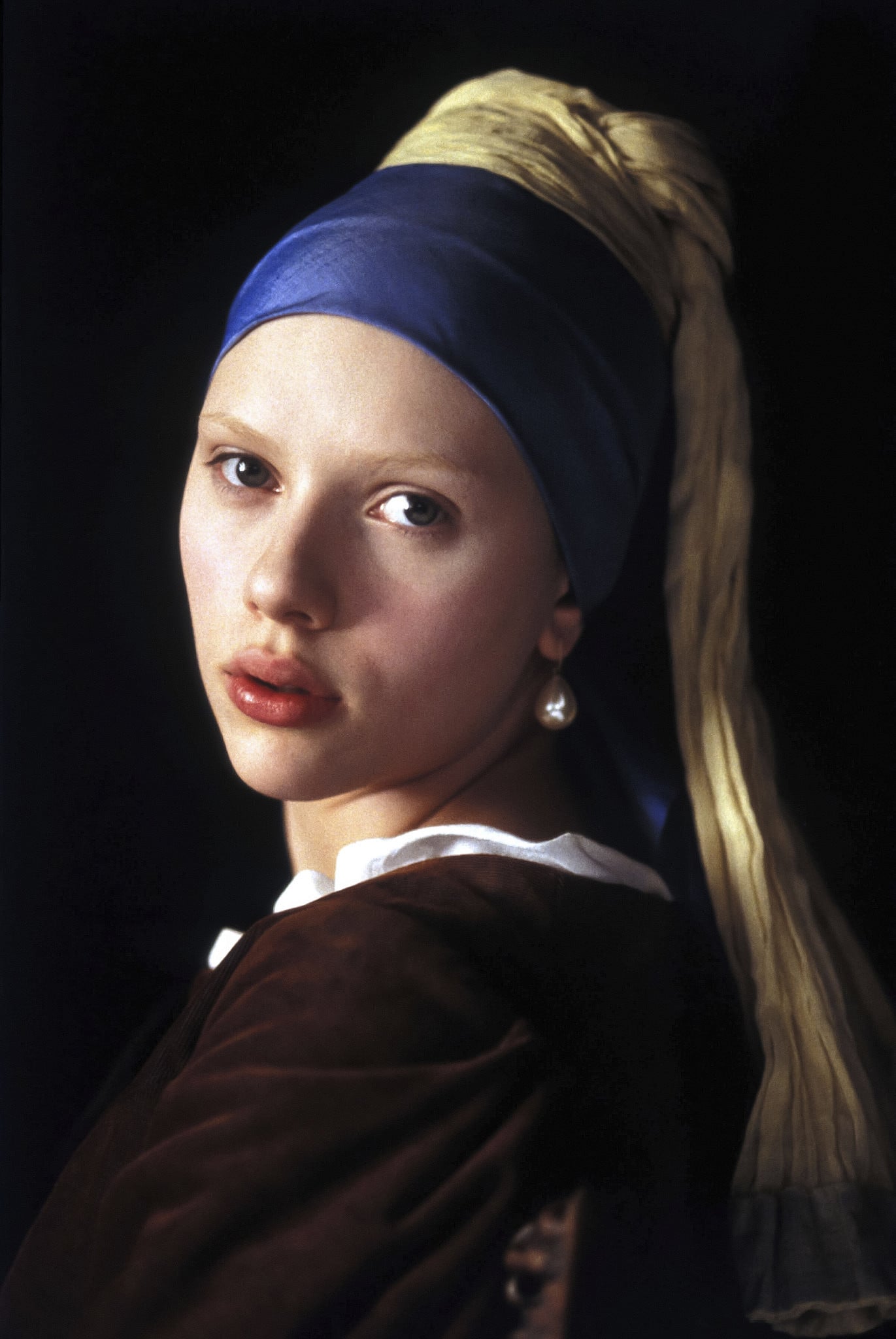
“Most people’s knowledge of artists comes from popular media, primarily Hollywood,” argues Sir Christopher Frayling.
From Kirk Douglas’s fiery Van Gogh and Charlton Heston’s Michelangelo, to Jeffrey Wright’s Basquiat, Derek Jacobi’s Francis Bacon, Salma Hayek as Frida Kahlo and Ed Harris as the stormy Jackson Pollock – “Hollywood’s portrayal of the troubled, loner artist has shaped our very understanding of these legendary masters.” Here, Frayling reflects on Tinseltown’s beyond-dispute impact on Western culture, how it has moulded our perception of the eternally-tormented artist, and why British filmmakers do this differently.
HG Your book is an aesthetically stunning, throughly engaging journey – a fascinating insight into how the likes of Hitchcock drew inspiration from art.
CF I wanted to make it a visual experience as much as an intellectual one.
Hitchcock is particularly interesting, he started out as a title designer for silent films and later attended evening classes at art school. I was thrilled to feature the Susanna and the Elders picture from Psycho, covering the peephole of Norman Bates as he does his peeping tom act from his office, it’s a wonderful art history joke which nobody would have got because it was too sudden and in those days you couldn’t freeze the frame so nobody really noticed. In the trailer Hitchcock points to it and says ‘this picture has great significance’ but he doesn’t really tell you anymore. I was thrilled to be able to ‘freeze frame’ and show this picture.
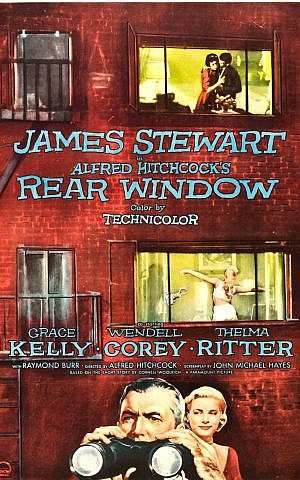
HG The magnificent set built for Rear Window was inspired by Edward Hopper I believe
CF Most incredible, these days it would all be done digitally of course but at the time the block of flats was constructed in three dimensions on the Paramount Lot on Melrose Avenue. It’s quite extraordinary, you can see what goes on inside the flats opposite as seen from Jimmy Stewart’s point of view. The set relates very closely to the Edward Hopper painting of looking through the window of an apartment with the curtain – Hopper was quite a key influence on Alfred Hitchcock in the 1950s.
HG What made you delve deeper into Hollywood’s own relationship with art, and how its artist portrayals went on to shape our culture’s understanding of these artists?
CF I was Rector of the Royal College of Art and chaired the Arts Council, throughout my involvement with the art world I got the feeling that we talk to ourselves a lot, much of the art world literature and catalogues are written in a style that isn’t really for the general reader but for people who are highly educated in the history of art. I wondered what it was like outside that art-world-circle, what if the only thing you knew about art was Hollywood movies? It is safe to say that most people’s knowledge comes through the mass media of various kinds and that Hollywood has been absolutely key.
It took on the lives of household name artists from the Renaissance day to the present, and told their story to millions of viewers worldwide. Well known figures because Hollywood can’t risk making a film about someone that no one’s heard of so they base the films on pre-sold properties – a best selling biography, or a painting selling for a record auction price perhaps.
And then there is the story – how do you tell an appealing story to people who don’t have a specialist interest but want a satisfying two hours in the cinema? I was pleased to discover all these different drafts of the scripts where they tried to find ways of telling these stories but it was very difficult. Take Van Gogh, for example – there’s that famous quote from Darryl Zanuk where he says ‘a story about a guy who cuts his ear off and commits suicide and is a bit mad doesn’t have much interest for family entertainment, does it?’ How do you tell that story in a way that entertains and amuses, particularly if it has an unhappy ending. Well, they worked on Van Gogh for years to find a way, in one of the versions they turned it into a gangster movie where Van Gogh is in Paris, caught in a sort of war between rival factions of gangsters.
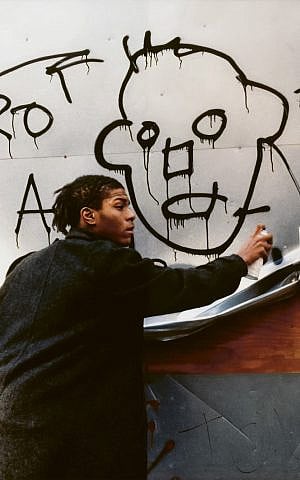
HG Please expand on your words “from gutter to gallery to grave and back again”
CF The back again comes after the artist’s passing – the conclusion of their story which is ’what a famous person this was – they may have died and it may be tragic but today all these paintings are in famous, public museums, we can go and enjoy them’. They were kind of martyrs to their art who died so we can now enjoy the fruits of their artistic labour.
HG Did the Hollywood ‘story conventions’ survive the digital age?
CF The form of these films has changed quite radically in the digital age, you get all these meta-istorical tropes where you have flashbacks, flash forwards, deliberate anacronisms, you have the sense that the film is aware of itself as a fiction. The form is different to the classic Hollywood way of telling these stories but the content remains – you never see the artist go to art school, or learn anything, they are god-given geniuses, always expressive artists, pouring out their life on the canvas. Above all, they’re about the life rather than the art so the art is simply seen as evidence of the life, as I say in the book, it isn’t a painter with a problem, it’s a problem who paints – that remains absolutely constant. These conventions of traditional art history go way back to ancient Greece – these legends about how geniuses are not made, they’re born, how they work alone, they don’t need help from other people, they don’t need a patron, a network or partners to help them – he who travels alone travels furthest, all these things have definitely survived in modern biopics.
HG Speaking of biopics would you agree that Netflix has oversaturated the market with this genre?
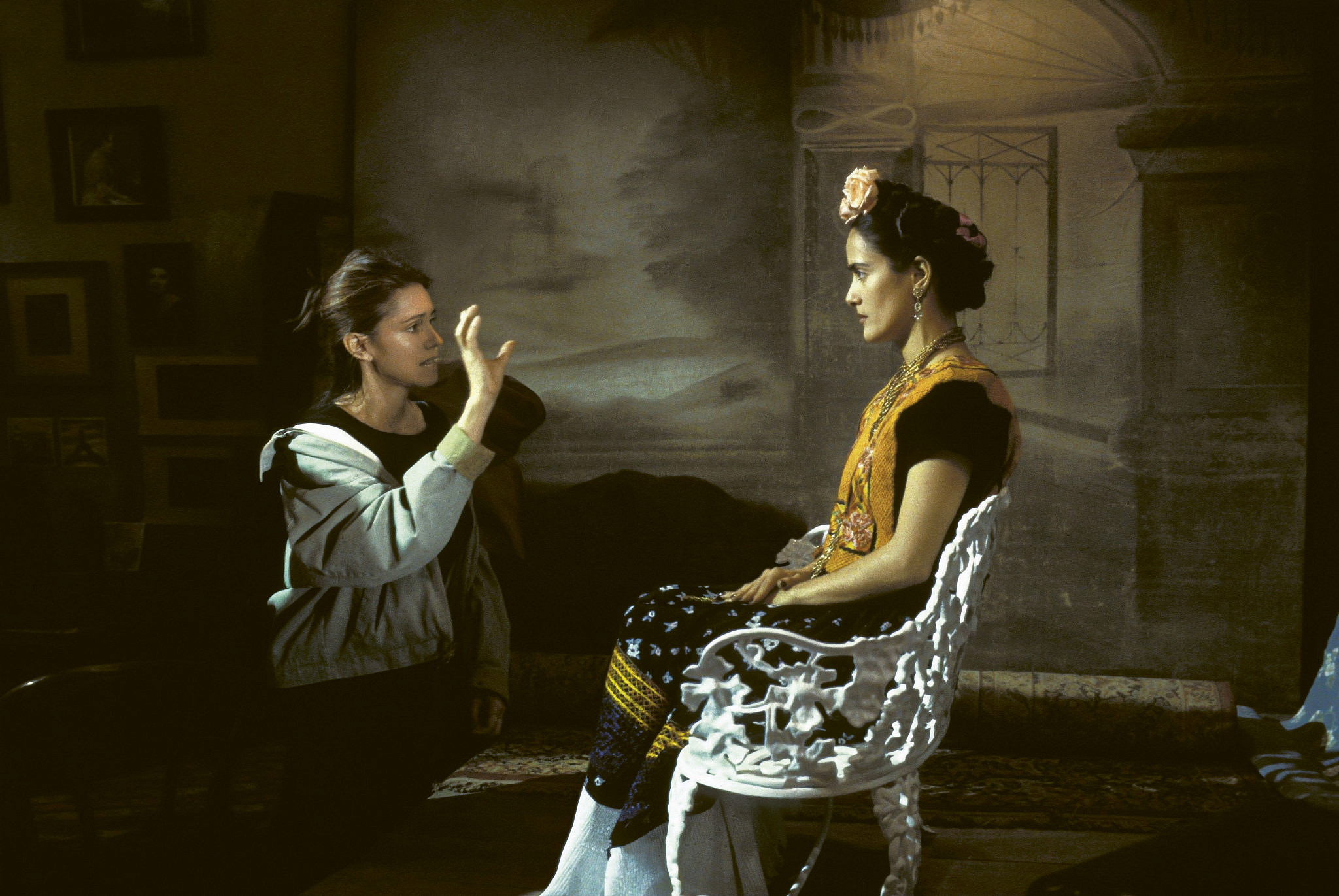
CF There are more biopics in general. Netflix is telling real lives in quasi fictional formats with all these fascinating variations in the credits at the beginning – this is a true story, this is based on a true story, this is true but bits of it have been dramatised, all these phrases to cover yourself legally, one or two of these things have ended up in the court recently when the subject is still alive. I grew up in the 1950s when every night on television there was a TV western series and sometimes two in every night and you got all the cliches repeated over and over again, eventually it imploded and they stopped making westerns and I think that’s probably what Netflix is going to do to the biopic, that by sheer repetition, by submerging us in so many of these biopics eventually we’ll get fed up with them, they’ll go away like the western and become an endangered species.
HG The sheer volume eliminates the possibility of any cultural consensus, as in the days of say Upstairs Downstairs for example made in the 70’s, my understanding is that at the time this is what everyone watched.
CF I remember we had three channels then on television BBC 1, BBC 2 and ITV if you had a hit show on one of these channels, everyone watched it, these were national events – Ken Loach’s Kathy Come Home play on the BBC became a national issue prompting questions in the House of Commons, the foundation of Shelter..In 1930s 40s 50s Hollywood, the films had this kind of impact because there was only one way of seeing them and that was to go to the cinema.
This is why I find posters so interesting and why I always feature them in books I grew up at a time where you found out about films by seeing posters in the tube, the story was distilled into this visual image on the wall and that was all you knew about this forthcoming attraction there were no online debates about it, you learned about it from the poster – everything was focused on a single point of communication and that of course has completely dispersed now.
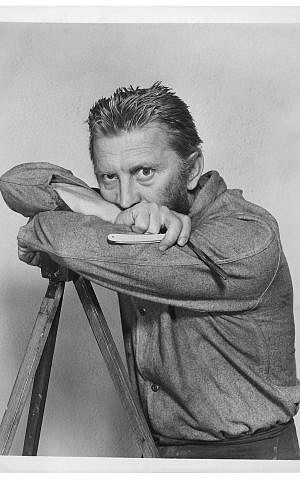
HG This has enabled these artists in Hollywood films to become massive stars, because it was such an event, when you went to see Kirk Douglas as Van Gogh for example
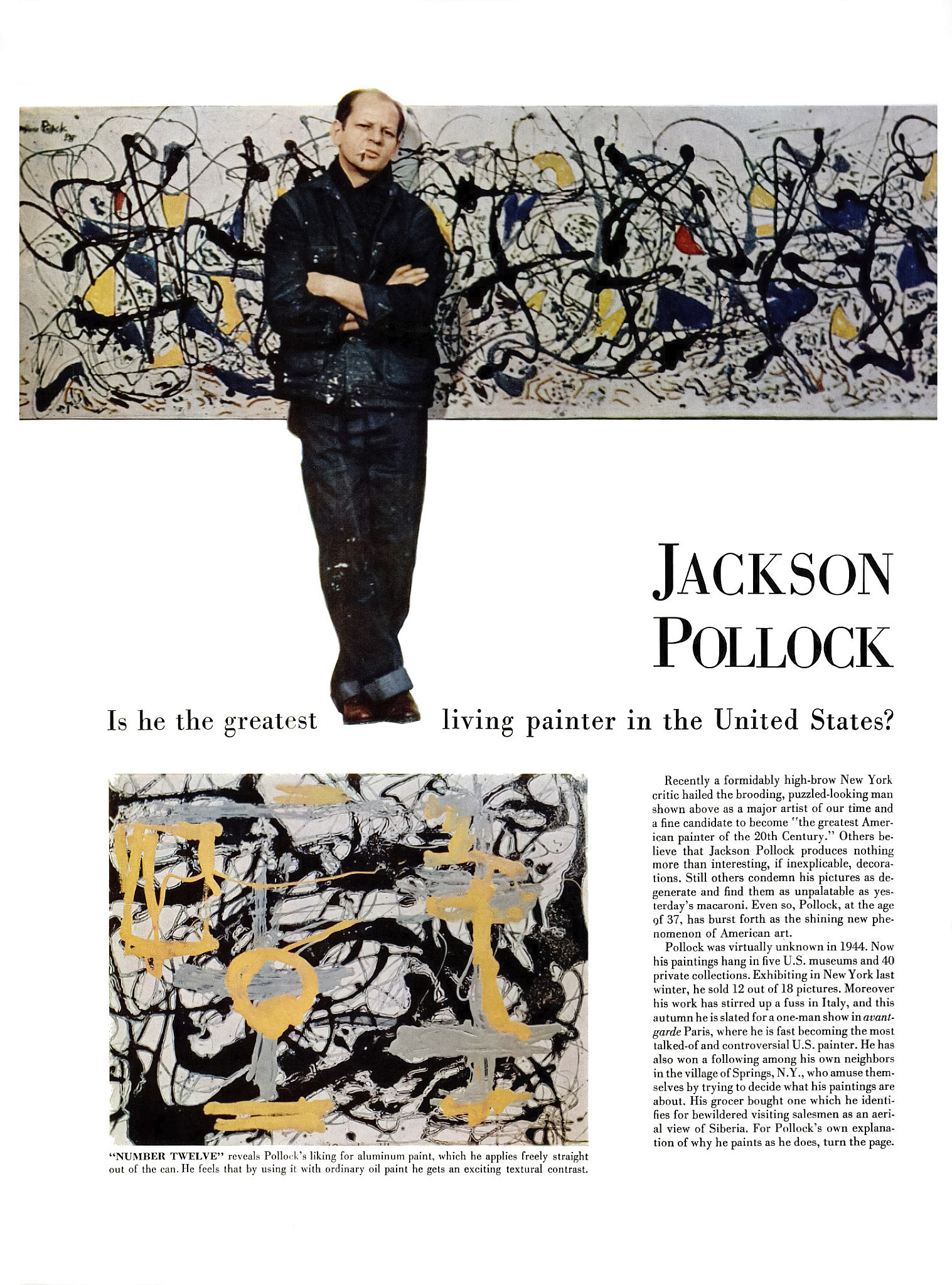
CF Absolutely, this is Oscar fodder, awards bait, actors queue up to play these parts. In the Academy Awards certainly since the 1980s the best performance is in a biopic. The reason for that is that in the public’s mind, you have a sense of what this person is like, and what they stood for, Martin Luther King, for example, or Timothée Chalamet as Bob Dylan so you can always judge the actor’s performance next to something that’s in your mind already – the performance isn’t coming in a vacuum, you’re comparing it in your head with what you already know about this person. In the book I show original casting ideas that didn’t happen – Marlon Brando as Michelangelo, Madonna as Frida Kahlo, Jack Nicholson as Pollock. The big actors are lit in a certain way to make them resemble the character – the reason Kirk Douglas was cast was because he looked like Van Gogh, somebody got this photo of Kirk Douglas, scribbled a beard on it and red hair and held it next to one of the famous Van Gogh self-portraits and thought, ‘my god, Kirk Douglas may be extremely wealthy, from a completely different ethnic background but he looks like Van Gogh – it really is an uncanny resemblance.
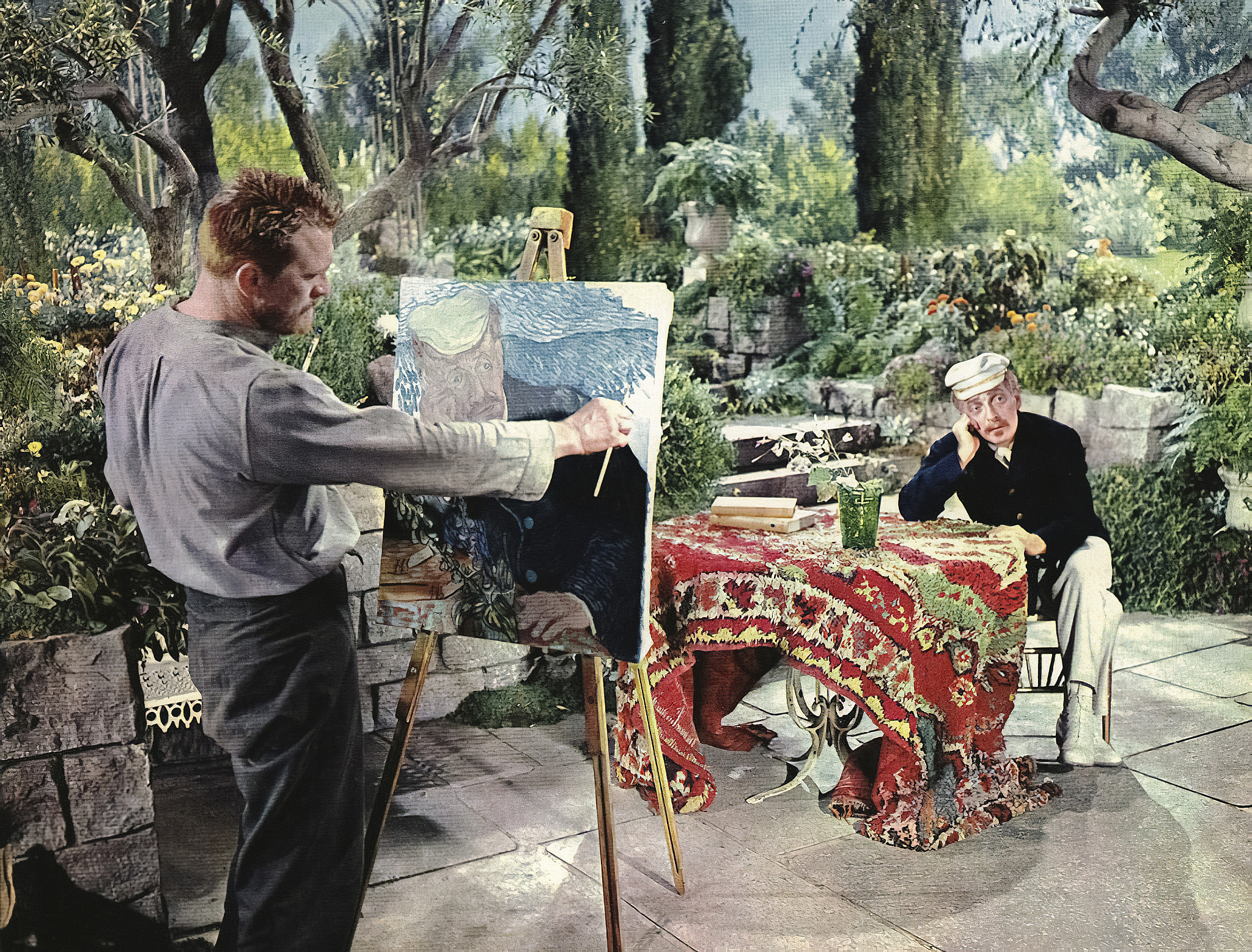
HG Van Gogh is bigger than life, there is so much information about his life and work
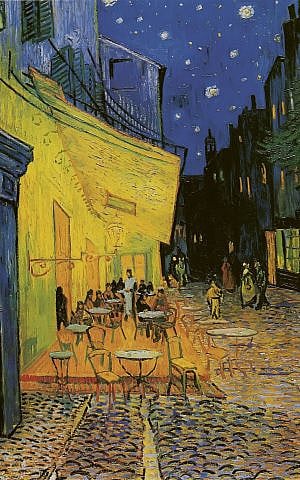
CF He is everybody’s idea of a modern artist – a bit mad, very expressive and pours it all out on the canvas. Everyone thinks he was self-taught but he went to art school in Paris, also to the academy in Holland and even had a mentor. He’s the archetypal sort of modern artist who had this difficult domestic life, he couldn’t quite get it together so he devoted his life to his art. In Lust for Life they try and make him inarticulate but in real life, Van Gogh spoke four languages and wrote wonderfully articulate letters to his brother Theo, the extraordinary letters are slightly incoherent sometimes but amazingly articulate, in the movie however, they have quotes from the correspondence in voice-over read by his brother so that Kirk Douglas can grit his teeth and be inarticulate. If you had Douglas reading sections from the letters, he’d seem articulate and thoughtful about what he was doing, which modern artists aren’t allowed to be. So he grits his teeth, looks needy and has this this look of I’m desperate to communicate, but I can’t.
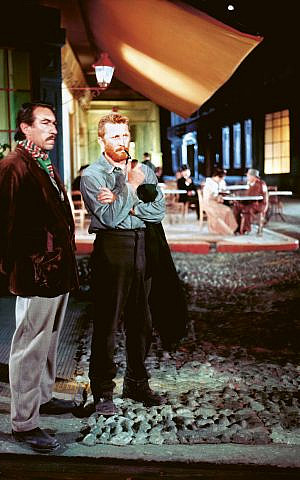
75 movies about Van Gogh were made between 1948 and 1990. He’s top of the bill by a mile, if you add documentaries, it’s hundreds more. Schnabel’s At Eternity’s Gate with William Defoe is quite interesting, one practitioner making a movie about another, also Loving Vincent where they animated his paintings.
HG Hollywood treatment is very different from British, take Benedict Cumberbatch’s true to life Louis Wain for example
CF British as distinct from Hollywood is interesting – there’s various moments where lowish budget British movies try to ring the changes on these conventions, you get Jarman’s Caravaggio where he tries to a relate him to gay culture and place him within low life in Rome in the Renaissance with gangsters, clubbing and lots of deliberate anachronisms like a pocket calculator, a motor scooter. Carrington was about a female artist well before Hollywood, Frida Kahlo in 2002 is really the first really major Hollywood movie to center on a female artist. Carrington dares to deal with an artist who wasn’t interested in the conventional art world, but who saw her domestic life as her own art practice, that was brave actually.
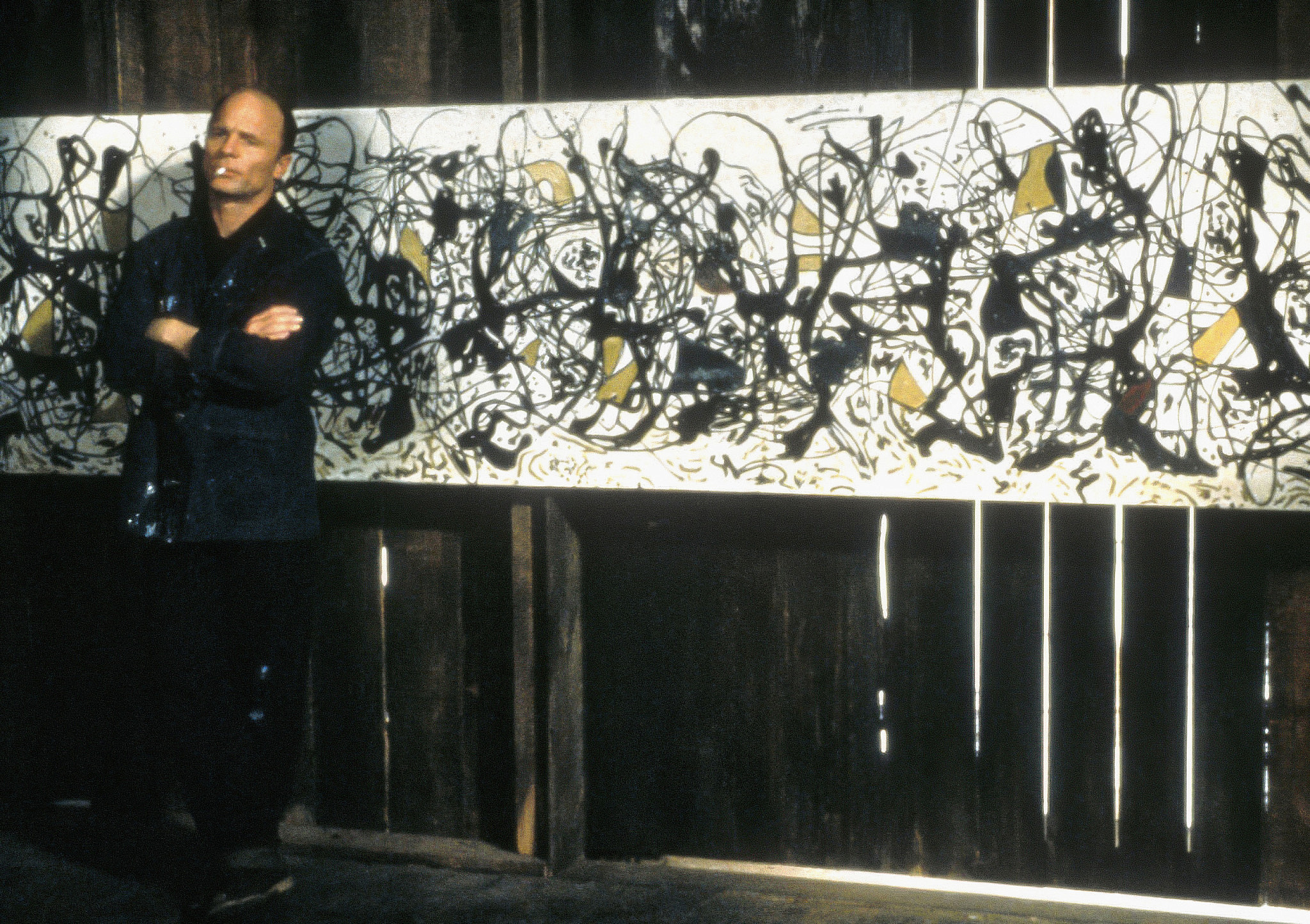
You are right about Louis Wayne – it is set it in a real cultural world, people behave like ordinary people and as an illustrator he’s actually doing a job,
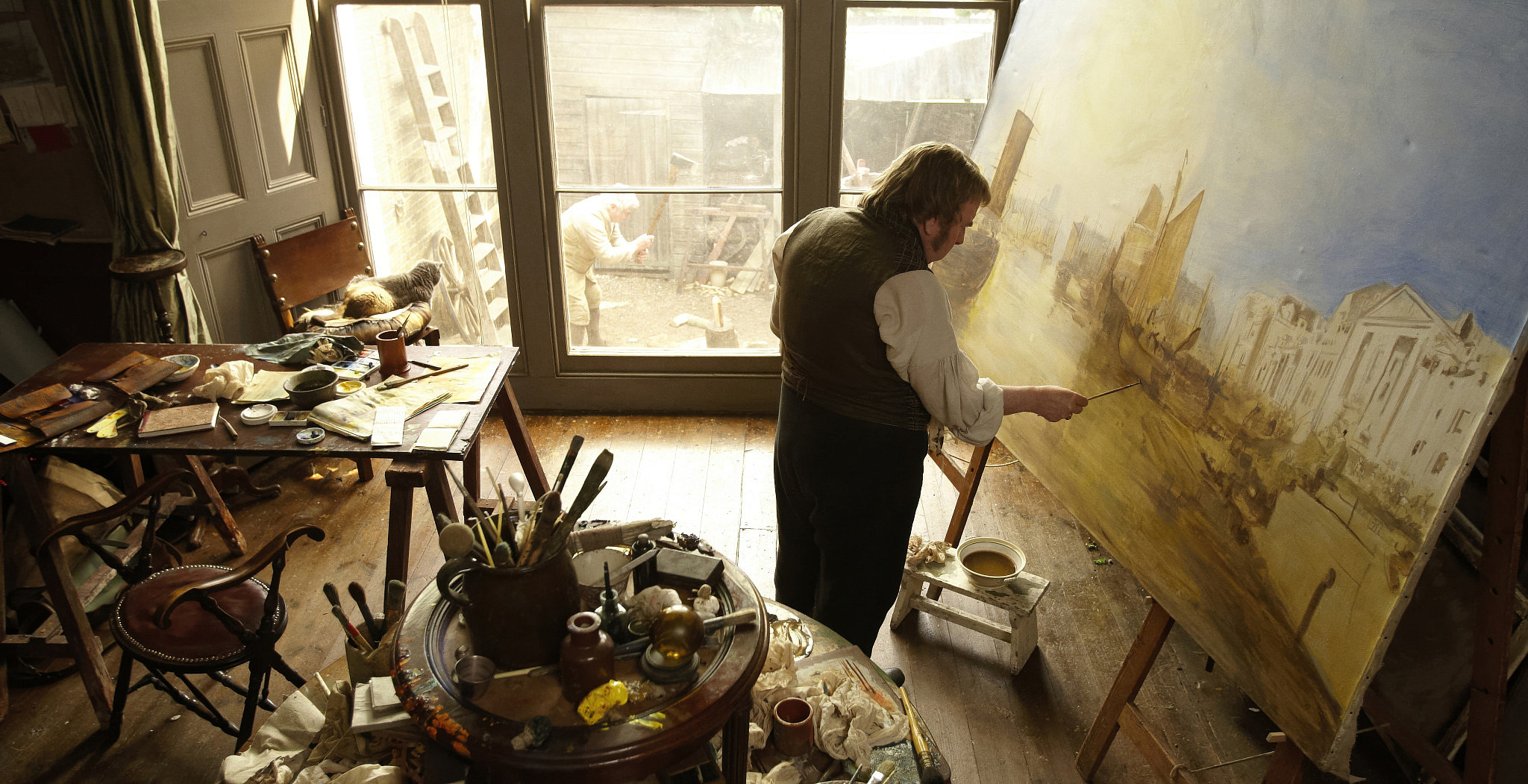
that’s what I love about recent films about artists like Mr. Turner where you see him preparing his paints, marketing his paintings and doing hard manual work, so it’s not some sort of god-given genius who does things with facility and moves on – this is art as a form of work and you get that with Louis Wayne, this British tradition hasn’t really made a dent on Hollywood I don’t think, it might have made a dent on Netflix on on smaller scale.
HG Unlike Hollywood’s hay day, information about artists is everywhere now in a multitude of forms
CF We now have these immersive experiences, you walk into a room and get an immersive display of the artists’ work, I went to the Van Go one you’ve got him cutting off his ear, shooting himself, being needy and difficult, not going to art school – all the cliches are there.