Middle East Analyst
The Human–AI Hybrid Analysis Prototype
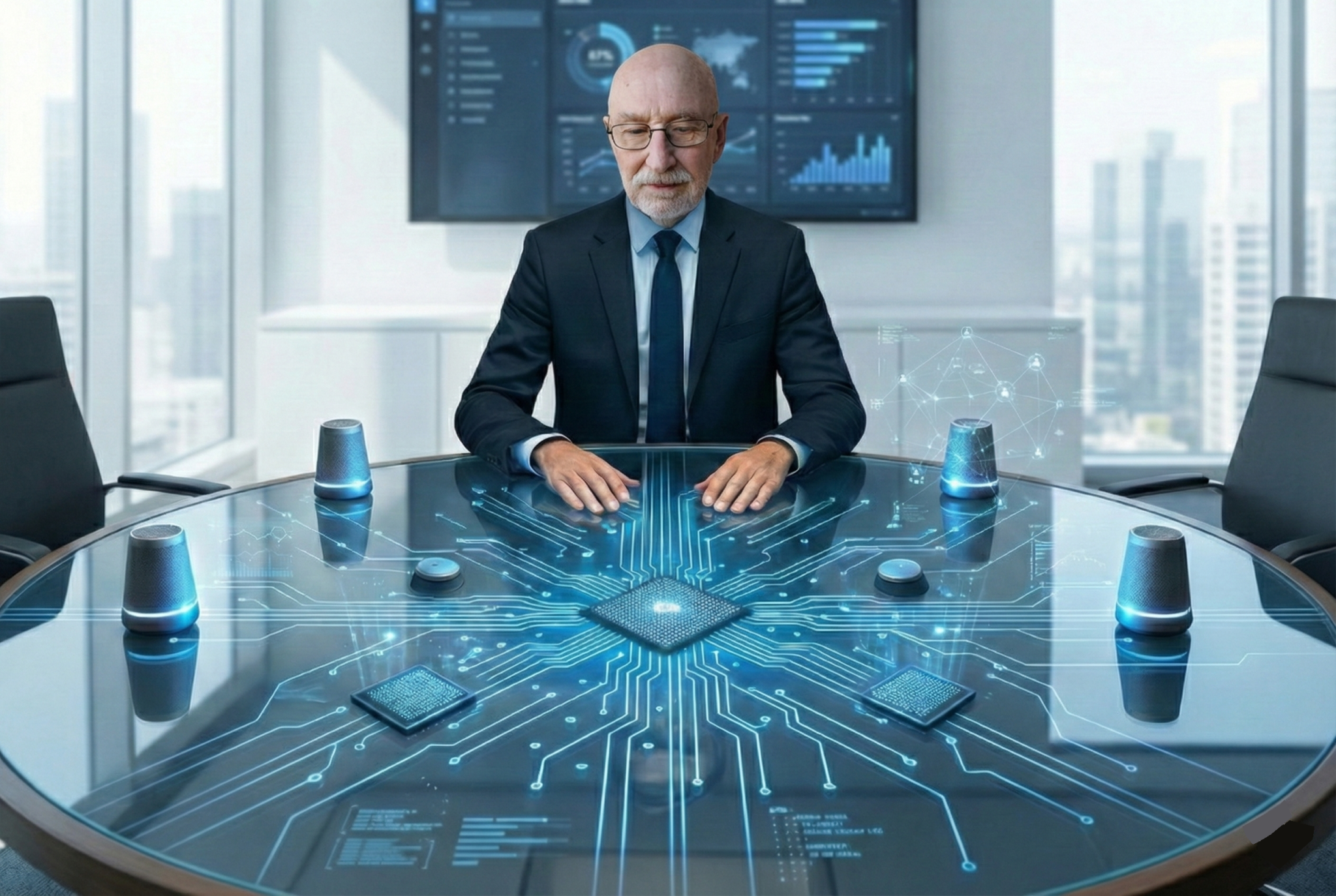
graphic by author/Copilot
A next‑generation approach to Open Source Intelligence (OSINT)
The hybrid analysis prototype is an emerging analytic model that combines the strengths of a senior human analyst with the complementary capabilities of multiple advanced AI systems. It is not automation and not a replacement for human judgment. Instead, it is a force‑multiplier architecture that uses AI to expand analytic depth, accelerate iteration, and improve rigor while keeping humans firmly in control of meaning, chronology, and final assessments.
What the Prototype Is
At its core, the prototype functions as a distributed analytic team composed of several AI models, each with different strengths, perspectives, and error profiles. These models do not interact directly. Instead, the human analyst acts as the coordinator of a virtual roundtable, routing drafts, hypotheses, and critiques between models and synthesizing their contributions into a coherent, disciplined assessment.
This approach mirrors the dynamics of a high‑performing analytic cell:
- One model excels at structure and logic
- Another at alternative hypotheses
- Another at linguistic nuance
- Another at pattern recognition
- All are cross‑checked against each other
The human analyst integrates these inputs, enforces analytic standards, and ensures the final product is grounded, accurate, and aligned with established doctrine.
Why It Works
The prototype succeeds because it leverages the complementarity of human and machine cognition.
AI contributes:
- Rapid pattern recognition across large volumes of text and media
- Structured analytic scaffolding (timelines, comparisons, indicator maps)
- Consistency checks and contradiction detection
- Red‑teaming and alternative scenario generation
- Speed and breadth of recall
Humans contribute:
- Chronology and factual grounding
- Cultural, political, and historical context
- Judgment about which indicators matter
- Interpretation of ambiguity
- Ethical and methodological discipline
- Final synthesis and conclusions
This division of labor ensures that AI’s speed and structure enhance — rather than distort — the analytic process.
Why Human Control Is Essential
Current AI systems have well‑known limitations:
- They lack persistent memory
- They cannot maintain stable timelines
- They revert to outdated priors
- They cannot debate each other directly
- They cannot reliably distinguish fact from inference
For these reasons, the human analyst retains full authority over chronology, credibility, and final judgments. The prototype treats each AI output as stateless and subject to verification. This prevents the kinds of temporal or factual errors that even junior human analysts would never make.
What This Enables
Despite operating with no budget and using only publicly available tools, the prototype has demonstrated capabilities that many institutions have not yet achieved:
- Multi‑model analytic collaboration
- Cross‑platform validated assessments
- Rapid iteration with doctrinal discipline
- Transparent reasoning and auditability
- Reduced analytic blind spots through model diversity
- High‑quality OSINT assessments at speed
In effect, the prototype simulates a small analytic task force — but with the agility and adaptability of a single human orchestrator.
Why This Matters
The hybrid model points toward the future of intelligence work. As AI architectures evolve, we can expect:
- Direct model‑to‑model debate
- Shared analytic workspaces
- Persistent memory and unified timelines
- Modular AI agents specializing in indicators, timelines, or doctrine
- Human‑moderated but AI‑integrated analytic teams
When these capabilities mature, hybrid analysis will shift from a manual prototype to a fully supported analytic architecture.
The Bottom Line
This prototype demonstrates that a single experienced analyst, empowered by multiple AI systems, can achieve analytic breadth and rigor traditionally requiring a staffed cell. It is a glimpse of what future intelligence organizations — government or corporate — will look like once architectures catch up to the workflow.
It is not a replacement for human expertise. It is a multiplier of it.
Related Topics
Related Posts