
The Israeli Shabbat
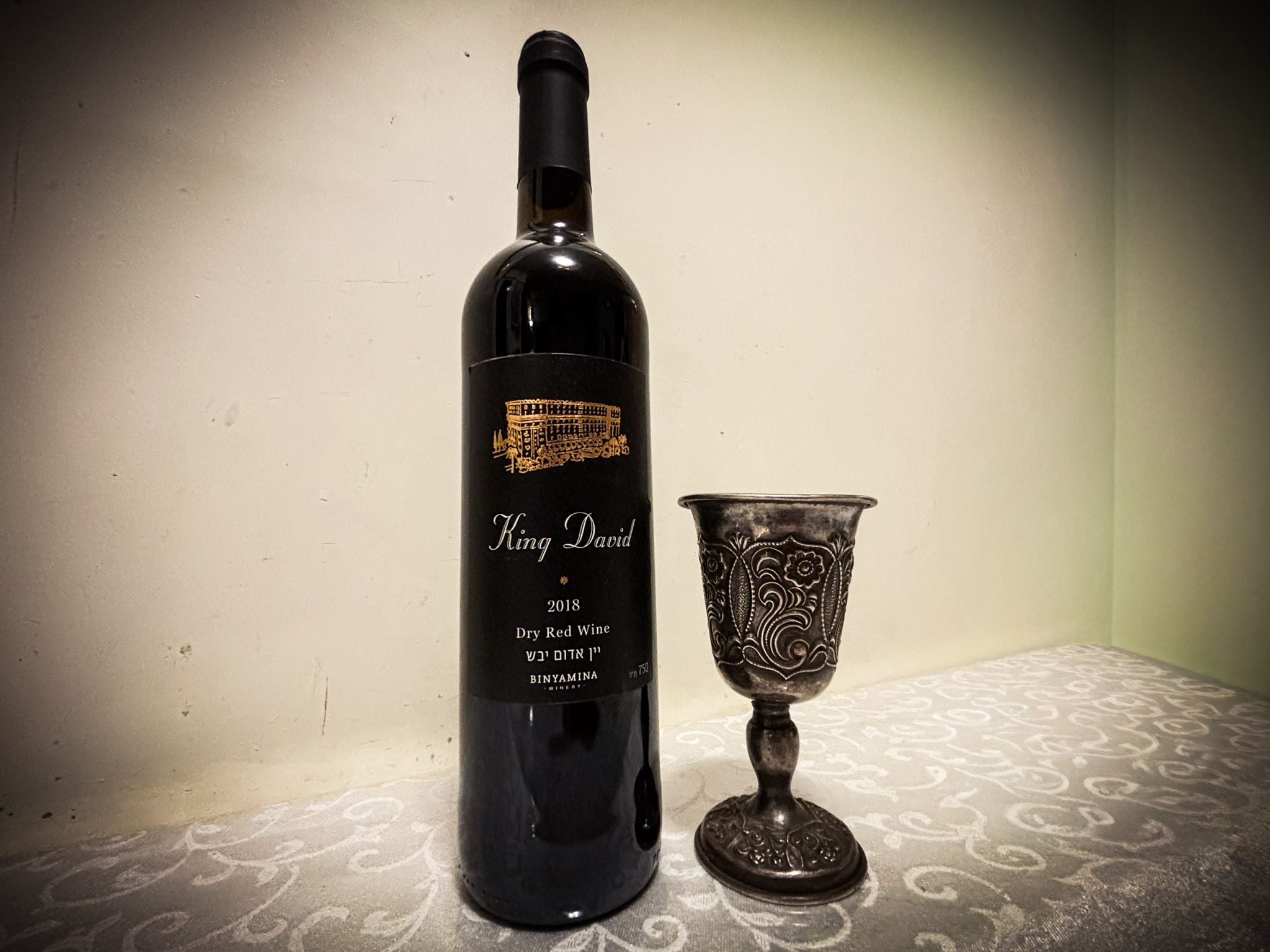
In Parshat Breisheet we find words that we are familiar with from Kiddush that we recite every Friday evening over wine as we begin our Shabbat meal (Breisheet 2:1-3):
The heavens and earth were completed as were all their conglomerations. On the seventh day God completed His work which He had done, and He abstained on the seventh day from all His work which He had done. God blessed the seventh day and sanctified it, because on it He abstained from all His work which God created to do.
How did God bless and sanctify Shabbat?
Rashi answers that God blessed Shabbat through the manna. During all of the weekdays there descended for them an omer (measure) of manna per person, but on the sixth day (Friday); a double portion. God sanctified Shabbat through the manna for it did not descend at all on Shabbat (and therefore they were not required to go out to gather the manna).
This verse was written in reference to the future as the blessing and sanctification did not materialize until many years later, after B’nai Yisrael left Egypt and were wandering in the desert and were blessed with the manna.
The rituals that we perform on Shabbat are connected to the Land of Israel as they are ideally performed using three of the Shivat Shivat HaMinim, the seven species that are grown in the Land of Israel.
We bring in Shabbat by lighting candles which Rabbi Tarfon teaches (Mishna Shabbat 2:2) should ideally be from olive oil.
Kiddush is made on wine or grape juice. The reason is found in Shoftim 9:13 “my vintage gladdens God and men.”
Rashi explains that wine gladdens God as the Leviim would only sing for a sacrifice that contained libations.
Radak brings Targum Yonatan to explain that “men” refers to distinguished men. Upstanding people use wine to good advantage while others become intoxicated and let wine influence them to do reprehensible things.
We bless two loaves of challah (made from grain) to remember the manna that our ancestors ate in the wilderness.
More than ever before, using Israeli products at the Shabbat table can elevate your Shabbat and turn it into an Israeli Shabbat, no matter where you are located. Israeli wines are exported throughout the world and wine connoisseurs will tell you that it is not your grandparent’s Kedem or Manischewitz!