
The Leadership Our Children Learn From Us
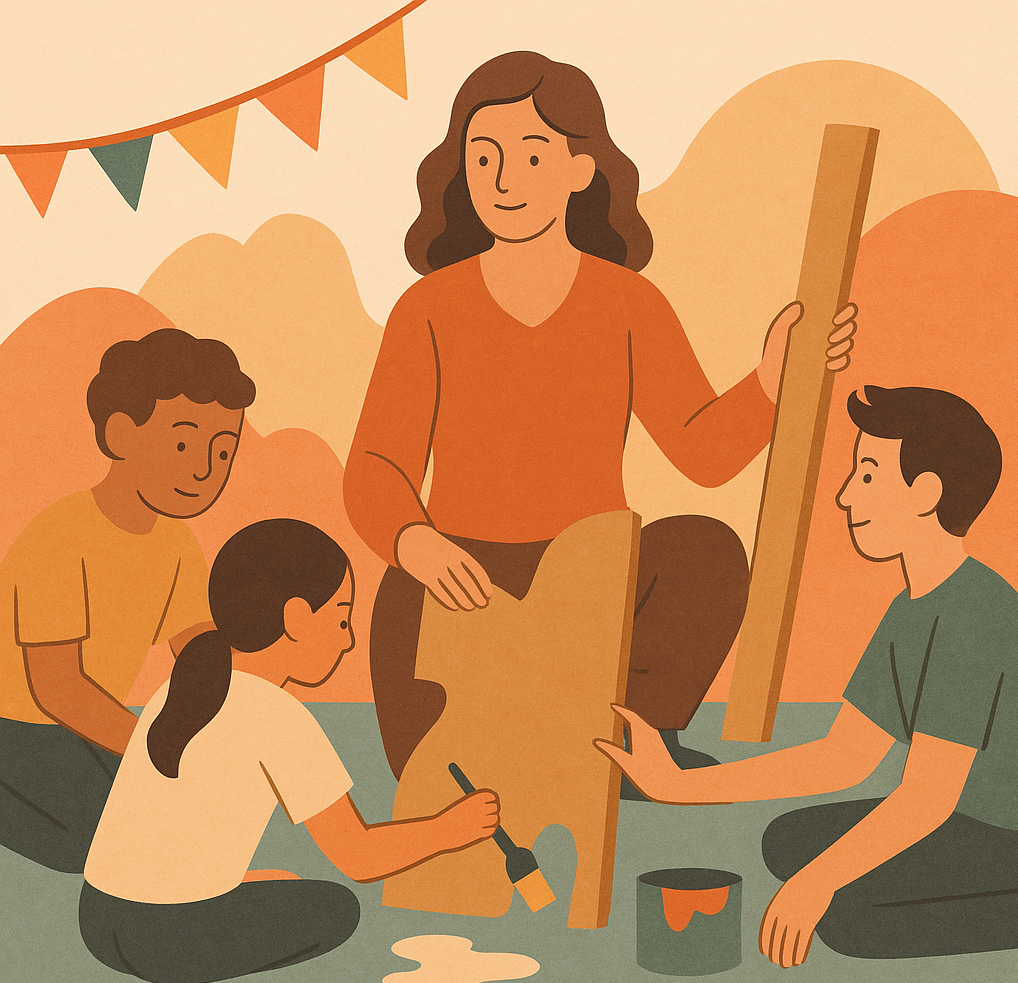
Leadership lives in presence, trust, and the courage to listen.
It shows up in the quiet moments when someone feels seen, or when a difficult conversation ends with understanding instead of distance. It grows when a person feels safe enough to share an idea, make a mistake, or try again. Leadership begins wherever there is genuine care for the well-being of others.
Our children learn about leadership long before they hold a title or a role. They see it in their classrooms, on playgrounds, and around the dinner table. They watch how teachers respond to frustration, how coaches encourage effort, how parents guide with patience, and how communities handle disagreement. Every one of these moments becomes part of their understanding of what it means to lead.
As parents, we are their first and most constant models. We teach leadership every time we slow down to listen, take responsibility for our words, or find gentleness in a moment of tension. When we guide with curiosity, when we apologize after losing patience, when we allow our children to have a voice in solving a problem, we give them something far more lasting than direction. We give them trust.
That trust becomes the ground from which confidence and empathy grow. It allows children to believe they have value, that their thoughts matter, and that relationships can be repaired. It also helps them see leadership as something human and attainable—a practice of caring for others rather than controlling them.
Our culture has always understood that leadership is sacred work. The Torah offers countless examples of leaders who embody presence and humility rather than perfection or power. Moshe Rabbeinu, the greatest of them, led from among the people rather than above them. He listened to their fears, carried their pain, and even argued on their behalf before God. His strength came through compassion, not dominance. His authority was rooted in relationship and in the trust he built through steady presence.
That same spiritual model of leadership continues to guide us. To lead is to hold space for others to grow, to stand in the tension between what is and what can be, and to remain present even when the path is uncertain. In moments of frustration or doubt, Moshe’s example reminds us that leadership begins not with answers, but with listening.
In my work with youth leaders, I see this teaching come to life. Recently, one of our teens came to me with concern about a part of our program that was causing confusion. He spoke with honesty and care, motivated by a desire to make things better. We gathered the group, listened to everyone’s perspective, and redesigned the system together. What had begun as frustration turned into connection. Leadership emerged through conversation and trust.
Through my study of Adaptive Leadership, I’ve come to see leadership as a practice rather than a position. It begins with careful observation, continues with reflection and interpretation, and unfolds through small, intentional steps toward change. When we bring this mindset into parenting and community life, we create environments where everyone has a voice in shaping what comes next.
Over time, the language of empathy and accountability becomes part of how children lead one another. A child says to a sibling, “Let’s try again.” A student asks, “Can we talk about what happened?” A teen reminds a friend, “Let’s make sure everyone feels included.” These moments are small but powerful. They reflect a growing generation that understands leadership as care in action.
Good leadership is steady, patient, and deeply human. It lives in the moments when people feel seen, guided, and supported. It is built in listening, in trust, and in the willingness to be present for one another. Our tradition has always taught that this kind of presence is holy work. When we lead this way—at home, in schools, and in our communities—we help shape a world where others can grow with confidence, kindness, and faith.