The legacy of Oct. 7 lifesavers – Two Years On
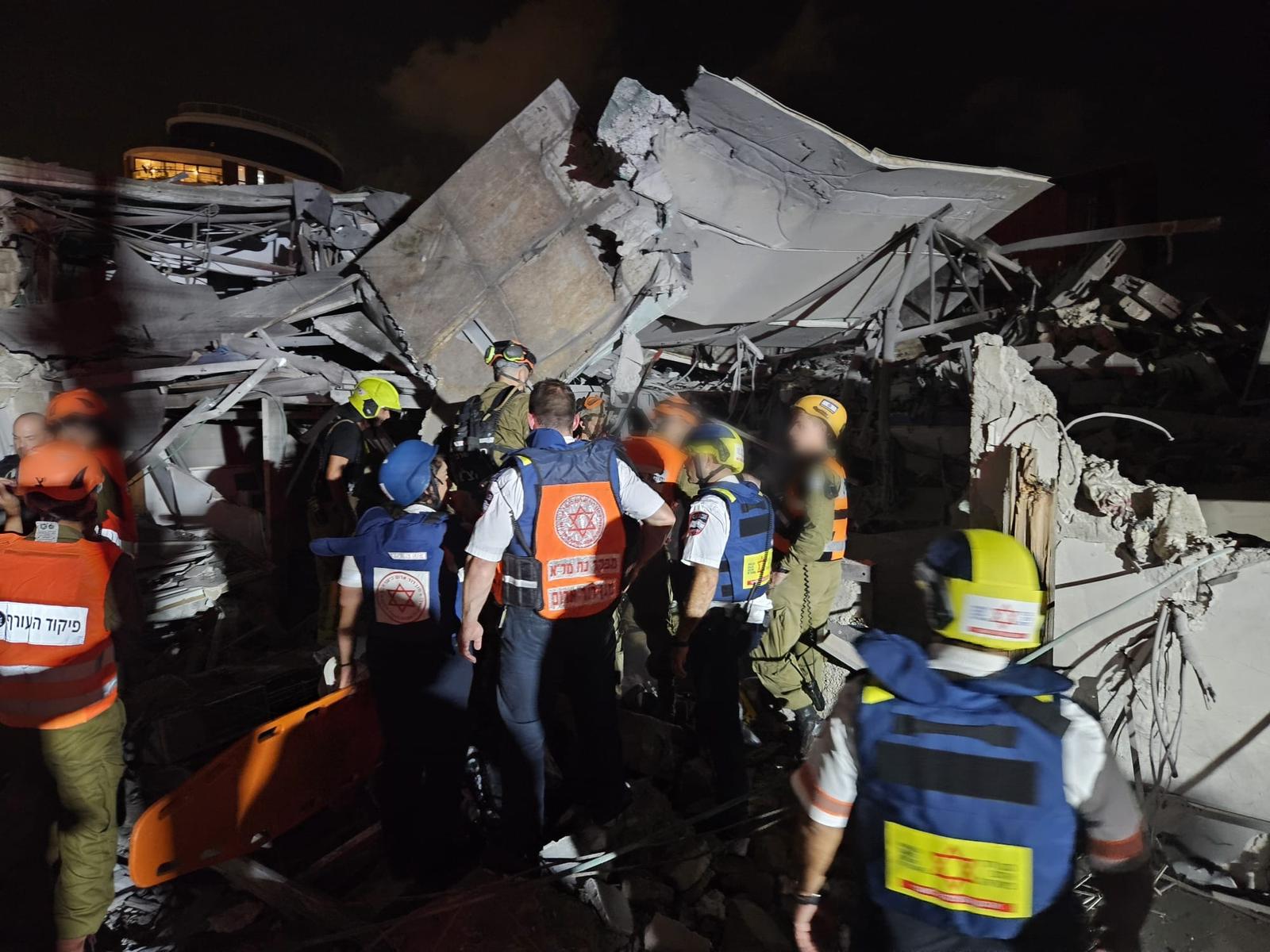
On October 7, 2023, Israel endured one of the darkest days in its history. The scale of violence, the brutality, and the deliberate targeting of civilians left scars that will never fully heal. Amid the chaos, Magen David Adom (MDA) volunteers and staff led the emergency medical response, risking — and in some cases giving — their lives to save others. Ambulances were fired upon, medics were murdered, and dozens of call-center dispatchers stayed on the line with victims until their very last breath, forced to hear and witness horrors no human being should ever have to face.
Two years on, as chief of staff of MDA, I often revisit the extraordinary stories of courage and heroism, and feel the need to share how Magen David Adom has strengthened its ability to provide lifesaving care since that tragic day.
Stories of Extraordinary Courage and Sacrifice
Zohar Hubera was one of the thousands of MDA volunteers and staff who responded on October 7. A veteran of 35 years with the organization, he had long served as a senior EMT, instructor, and ambulance driver, accustomed to treating victims of terror and other dangerous situations. But nothing could have prepared him for what came that morning. When his community, Kibbutz Sufa, came under attack, Zohar rushed to help. Then he received the call that his own son, Ido, had been critically injured while defending their kibbutz. Zohar reached him under fire, dragged him to safety, and tried to save him in the same ambulance he had driven for decades. But Ido did not survive. The courage it takes to continue treating others after your child died in your arms is beyond what most of us can fathom. And yet Zohar remains with us, still volunteering, still choosing life. His example is one of almost unbearable strength, and it humbles us all.
Another hero is Aharon Chaimov z”l, a 25-year-old senior emergency medicine technician and ambulance driver. When the first reports of casualties reached his area on October 7, Aharon immediately jumped into his ambulance and rushed from his home in Ofakim to treat gunshot victims near the Urim junction. But terrorists opened fire on his ambulance, killing him before he could reach those in need. Aharon had begun his service with MDA as a young volunteer and was known for both his skill and compassion. He is mourned deeply by his wife, two small children, and a community of colleagues and loved ones who will forever remember his devotion and sacrifice.
Oren and Meirav Benita, both longtime members of the MDA family, faced October 7, not only as parents in a besieged kibbutz, but also as medics. When soldiers were wounded in the fighting around Kibbutz Mefalsim, their living room became a treatment room. Using MDA medical equipment they kept on hand as first responders, Oren and Meirav worked to stabilize the injured while violence raged outside. But as supplies dwindled and the severity of the injuries became clear, Oren made the difficult decision to evacuate the wounded soldiers in an armored MDA ambulance. He made sure they reached safety, and only then returned home safely to his three children, who had remained locked in the safe room while their parents risked everything to save lives.
And these are just three stories among thousands of similar accounts of heroism amid horror.
Building Strength From Tragedy
Two years later, these legacies are not simply frozen as memories. MDA has lost 39 beloved team members — some killed on October 7, and others who have since fallen in the subsequent violence of war. Their loss left us grieving, but also determined to strengthen every part of MDA’s lifesaving mission. That determination has already driven tangible change.
Since the war began, MDA has expanded its fleet with hundreds of new vehicles — including armored ambulances, medicycles, mobile blood donation units, mass casualty trailers, and rapid response vehicles. We have trained more than half a million Israelis in CPR and first aid, creating a nation better prepared to save lives before professional responders arrive, while also significantly expanding the number of paramedics being trained to join our ranks. And in 2024 alone, our National Blood Services Center collected and distributed nearly 300,000 units of blood, covering 98 percent of Israel’s transfusion needs, while pioneering groundbreaking field-ready innovations like freeze-dried plasma and whole blood transfusions that dramatically lowered battlefield mortality.
Even beyond the battlefield, our mission has expanded in critical ways. Recognizing the war’s impact on the youngest and most vulnerable, MDA’s Sussman Human Milk Bank tripled its distribution, collecting more than 3,300 liters of donated breastmilk to feed infants whose mothers were kidnapped, injured, or serving on the front lines.
Legacies That Live On
We cannot change what happened on October 7, nor can we bring back those who were taken from us. But we can — and must — honor their legacies by saving more lives. Every person who donates blood, every volunteer who signs up for training, every community that dedicates an ambulance is part of this living legacy. Together, we ensure that when the next call comes — and it will come — we will be ready, guided and inspired by the courage of those who gave everything to save others.